You are about to sign the dotted line on a multi-million dollar Auckland property. It might be a stunning Titirangi bungalow nestled in native bush, or perhaps a bustling hospitality lease right in the CBD. The finance is sorted, and the standard building report looks completely clean.
But there is a hidden biological threat lurking in the subfloor, or deep inside that commercial kitchen extraction system. I have seen it a hundred times across Auckland. Buyers skip the specialist check to save a few dollars, only to inherit someone else’s expensive, crawling nightmare.
A standard building inspector is great at spotting unconsented decks or dodgy plumbing. However, they are rarely qualified to identify the early signs of borer damage, hidden rat nests, or the stringent MPI compliance issues tied to commercial food premises.
Booking comprehensive Pre-Purchase Pest Inspections is the smartest financial move you can make before settlement. Let me tell you exactly what we look for, the specific risks hitting Auckland in May 2026, and how this one report gives you ultimate negotiating power.
Key Takeaways
A standard building report rarely catches hidden pest damage or commercial MPI compliance failures. Pre-Purchase Pest Inspections in Auckland cost roughly $250 but can save you tens of thousands in structural repairs, electrical rewiring, or business closure. It is your ultimate pre-settlement negotiation tool.
The Reality of Auckland Real Estate in 2026
Auckland properties are stunning, but our unique climate comes with a serious biological catch. Following the mild winter and extremely hot summer we had last year, the autumn 2026 pest surge is hitting the region hard. Rats and mice are actively seeking shelter in warm roof cavities as the temperatures drop.
While massive eradication efforts like the late-2025 aerial 1080 drops in the Hūnua Ranges drastically reduced rural rat numbers [1], the urban sprawl is a completely different story. The dense, established neighborhoods of West Auckland, the North Shore, and the central suburbs act as perfect breeding grounds.
If you are buying a house right now, you are stepping into this active environment. The previous owners might have masked a rodent problem with a few cheap hardware store baits, but that does not fix the structural entry points. You need a professional to look past the fresh paint.
Commercial Hospitality: Inheriting a Food Act Nightmare
If you are purchasing a cafe, restaurant, or commercial kitchen lease, the stakes are astronomically higher. The New Zealand hospitality sector reached a record $15.99 billion turnover in FY2025. But with that growth comes the Auckland Council health inspector, and they do not mess around.
When you buy a hospitality business, you inherit its MPI audit history under the Food Act 2014 [2]. If the previous owner relied on illegal toxic rodenticides in food prep zones, or failed to maintain a proactive pest management plan, your new business could face immediate closure.
Securing your Food Act 2014 pest control certificate is not optional. Toxic baits are strictly prohibited in food zones. You must prove you have non-toxic monitoring and mechanical traps in place before you open your doors.
Our commercial Pre-Purchase Pest Inspections focus heavily on predictive Integrated Pest Management (IPM). We audit the physical structure of the kitchen and review the existing compliance logbooks to ensure you are not buying a liability.
Standard Building Reports vs. Specialist Pest Checks
A common mistake is assuming a standard building report covers pest damage. It usually does not. Building inspectors are brilliant at finding moisture ingress and checking load-bearing walls, but they are not entomologists.
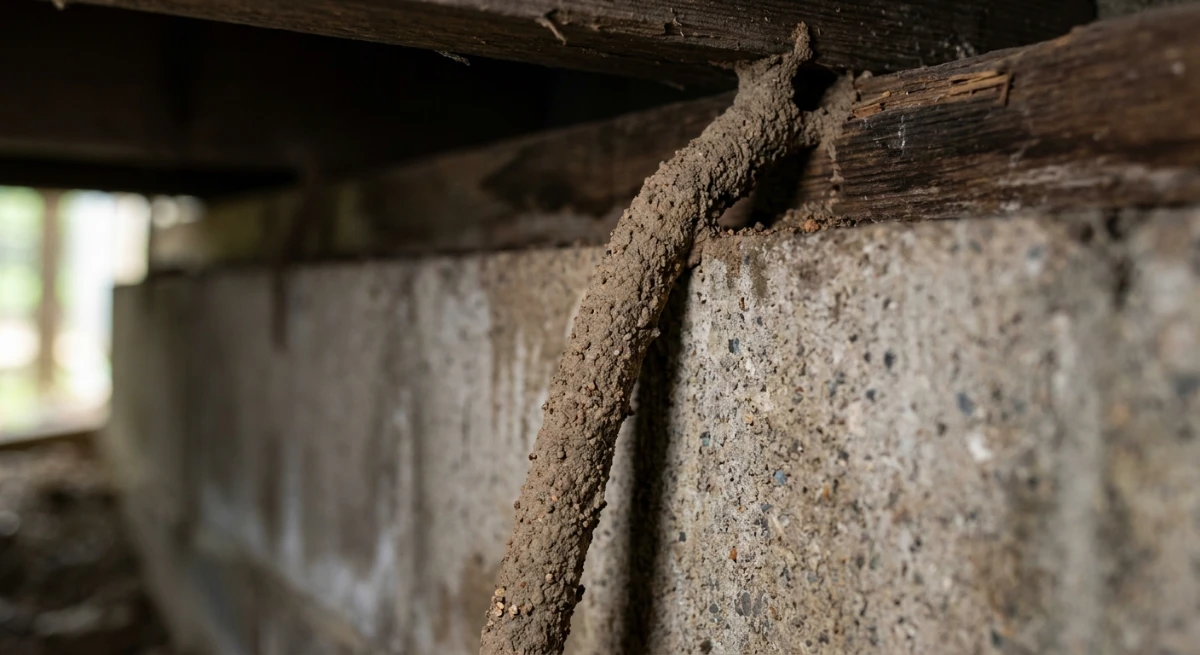
They will not crawl into the darkest, tightest corner of a subfloor to identify the specific exit holes of the Common Borer. They also will not recognize the subtle pheromone trails left by an established Argentine ant colony.
Check your standard building report’s terms and conditions. Almost all of them have a strict disclaimer explicitly stating they do not cover insect, rodent, or biological timber degradation.
As Level 3 Qualified Urban Pest Management contractors, we look at the property through a completely different lens. We hunt for structural entry points, nesting material, and the environmental factors that will attract pests to the property in the future.
The Hit List: What We Actually Look For
When we conduct Pre-Purchase Pest Inspections, we are running through a highly specific, localized hit list. We know exactly what thrives in Auckland’s humid climate and where they hide.
Borer and Timber Degradation
The Common Borer (Anobium punctatum) is a silent structural killer. They spend up to four years eating the inside of your native timber framing before emerging and leaving a tiny 2mm flight hole. By the time you see the holes, the structural integrity of the joist is already compromised.
Rodent Infestations and Fire Risks
Rats do not just leave droppings; they are a massive fire hazard. Their teeth grow continuously, so they chew on hard materials to file them down. In a roof cavity, that material is often the PVC insulation wrapped around your electrical wiring [1].
We inspect the roof voids for chewed wires, compressed insulation (which ruins your home’s thermal efficiency), and the greasy rub marks rats leave along their travel paths.
German Cockroaches in Commercial Kitchens
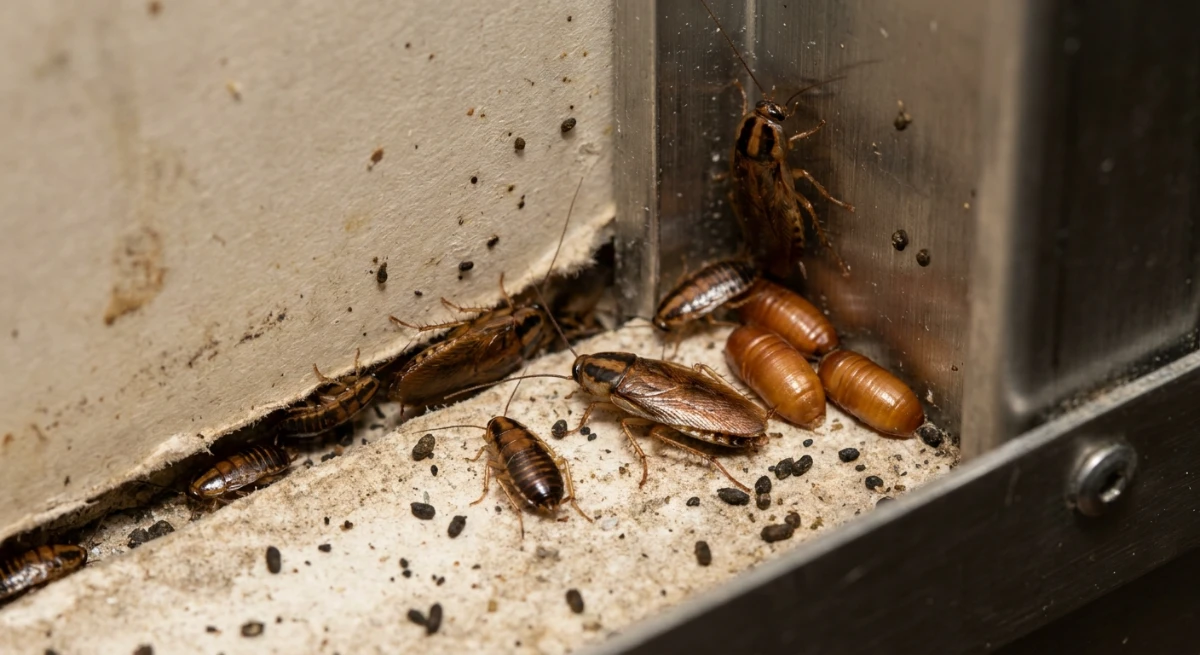
For commercial properties, German cockroaches are the ultimate dealbreaker. They breed exponentially and hide inside the motors of commercial fridges and espresso machines. We use flushing agents during our inspection to force them out of deep harborages.
The Financial Math: Inspection vs. Remediation
I always tell my clients that skipping an inspection is stepping over dollars to pick up pennies. The upfront cost is negligible compared to the massive repair bills you could inherit.
If structural timber is compromised, repair bills can range from $1,000 for minor joist reinforcement to well over $12,000 for full subfloor replacements. Here is a breakdown of what you are risking.
| Service / Risk Factor | Estimated Cost (NZD) | Consequence of Ignoring |
|---|---|---|
| Pre-Purchase Pest Inspection | $250 – $350 | Peace of mind and negotiation leverage. |
| Minor Borer Treatment | $800 – $1,500 | Stops active infestation before structural failure. |
| Rodent Electrical Rewiring | $3,000 – $5,000+ | Severe fire hazard and loss of insurance cover. |
| Commercial MPI Compliance Failure | $10,000+ (Lost Revenue) | Immediate business closure by Auckland Council. |
Visualizing the Financial Risk
Numbers on a page are one thing, but seeing the disparity between a simple inspection fee and a catastrophic repair bill puts it into perspective. Do not gamble with your deposit.
Landlord Obligations and The Tenancy Tribunal
If you are buying an investment property, you have strict legal obligations under the Residential Tenancies Act. Providing a safe, structurally sound, and pest-free home at the start of a tenancy is non-negotiable.
If a tenant moves in and immediately discovers a massive flea infestation or rats in the walls, the Tenancy Tribunal will hold you liable. You cannot blame the tenant for an issue that existed before settlement.
An official inspection report provides a documented baseline. It proves the property was pest-free when the tenancy began, protecting you from unfair liability claims down the line.
Our Scientific Approach to Eradication
We do not just spray chemicals and walk away. The era of toxic “spray and pray” applications is dead, and the upcoming FAOPMA Pest Summit 2026 in Auckland is cementing this shift toward predictive, eco-conscious pest management [3].
If our Pre-Purchase Pest Inspections uncover an issue, we provide a scientific eradication plan. We use MPI-approved, zero-emission treatments that target the root cause. We identify the exact species, map out their harborages, and execute structural exclusion.
We are Level 3 Qualified Urban Pest Management contractors. We operate under strict adherence to the HSNO Act 1996, meaning every treatment plan we recommend is entirely safe for your family, pets, and the local Auckland environment.
How to Use the Report for Negotiation
Finding pests during an inspection does not mean you have to walk away from your dream home. In fact, it gives you incredible leverage. Knowledge is power in real estate.
- Force the Fix: Add a clause requiring the vendor to pay for professional eradication and structural repairs prior to the settlement date.
- Drop the Price: Use our quoted repair and treatment costs to negotiate a direct reduction in the final purchase price.
- Walk Away Clean: If the structural damage from borer or termites is catastrophic, you can invoke your inspection clause and exit the contract without losing your deposit.
Never go unconditional on a property without a specialist pest report. Contact us today to schedule your comprehensive pre-purchase assessment and secure your investment.
Frequently Asked Questions

About the Author: Ronnie
Founder, Pest Control Auckland · Commercial & Residential Pest Expert · Certified Urban Pest Management Specialist
With years of hands-on experience crawling under Auckland homes and auditing commercial kitchens, Ronnie is the definitive expert on Pre-Purchase Pest Inspections. Having consulted for property investors and hospitality groups navigating the Food Act 2014, he knows exactly how to spot hidden biological threats before they become your financial nightmare.