You cannot run a healthcare facility in Aotearoa without an ironclad defense against environmental contamination. A hospital, aged care facility, or private clinic is fundamentally a sterile sanctuary. When that perimeter is breached by pests, it is not just a nuisance—it is a critical failure in patient safety.
I have audited enough commercial ceiling voids and institutional kitchens across Auckland to tell you the truth. Most standard pest control contracts are dangerously thin. They rely on reactive spraying rather than proactive, structural exclusion. In a healthcare setting, that “spray and pray” approach will fail a Ministry of Health audit faster than you can blink.
If you are managing a medical facility, you need Audit-Ready Pest Management Compliance for New Zealand Healthcare Providers. The stakes are simply too high. With the 2021 New Zealand national point prevalence survey revealing a $955 million annual economic burden from healthcare-associated infections (HAIs), eliminating biological vectors like rodents and cockroaches is non-negotiable [1].
Key Takeaways
Achieving Audit-Ready Pest Management Compliance for New Zealand Healthcare Providers requires zero-emission Integrated Pest Management (IPM), Level 3 certified technicians, and strict adherence to the EPA HPC Notice 2017. Facilities must maintain real-time digital documentation, structural exclusion logs, and non-toxic monitoring to pass Ministry of Health and Food Act 2014 audits.
The Legal Baseline: EPA & HSNO Act Requirements
You cannot just send a maintenance worker into a hospital ward with a hardware store bug bomb. The legislation governing chemical application in New Zealand is unforgiving. Under the EPA HPC Notice 2017 and the HSNO Act 1996, the application of Class 9 ecotoxic substances in sensitive environments is strictly controlled [2].
Anyone handling these professional-grade pesticides must be a Qualified UPM (Urban Pest Management) Contractor. This means holding the New Zealand Certificate in Pest Operations (Level 3). If an uncertified operator applies a residual spray near an immunocompromised patient, the facility’s management carries the legal liability.
Maintaining Audit-Ready Pest Management Compliance for New Zealand Healthcare Providers means your pest control partner must supply their Level 3 certification, alongside complete Safety Data Sheets (SDS), before a single bait station is placed.
Hospital kitchens and cafeterias must also comply with the Food Act 2014 and HACCP standards. Toxic rodenticide baits are strictly prohibited in food preparation zones. You must use mechanical trapping and non-toxic monitoring blocks indoors.
Biological Vectors and Healthcare-Associated Infections
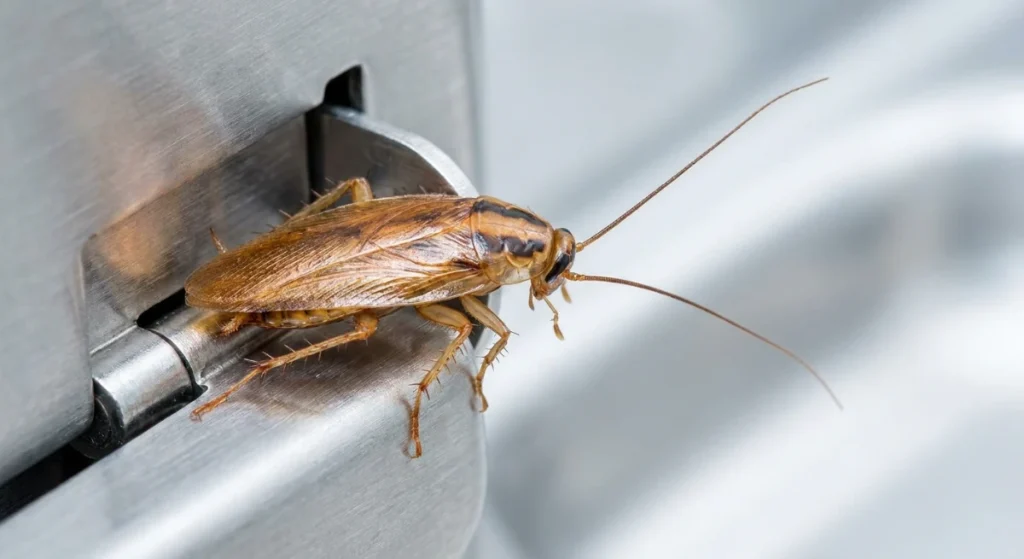
Pests are not just an aesthetic issue; they are highly mobile biological vectors. German cockroaches and rodents carry pathogens like E. coli, Salmonella, and Staphylococcus aureus on their tarsi (feet) and in their digestive tracts. When they move from a loading dock to a sterile supply room, they bridge the gap between filth and patient care.
In late 2021, New Zealand’s first national point prevalence survey highlighted that 6.6% of surveyed patients had a healthcare-associated infection. While many HAIs are device-related, environmental contamination plays a massive role in outbreaks. Eliminating the vectors that spread these pathogens is the core function of our scientific eradication methods.
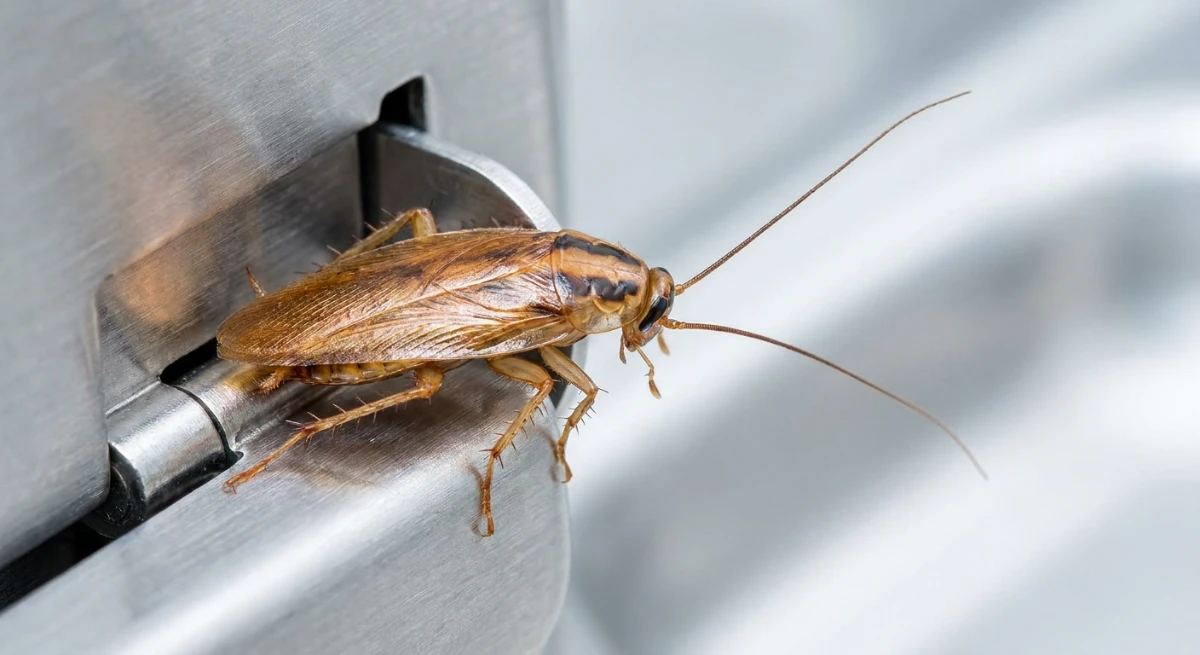
We focus on the root cause. If cockroaches are breeding behind a commercial dishwasher in the staff cafeteria, spraying the baseboards won’t solve the problem. We use targeted gel baits and insect growth regulators (IGRs) that destroy the colony at the source, ensuring zero emissions in the breathing zones of patients and staff.
Seal all pipe penetrations with industrial-grade escutcheon plates. Ensure all exterior doors have intact bristle sweeps. Remove any cardboard storage from sterile zones, as corrugated cardboard is a prime harborage for cockroaches.
What an Auditor Actually Looks For
When a Ministry of Health auditor or a third-party accreditation agency walks into your facility, they do not just ask if you have pests. They ask to see the proof that you are actively managing the risk. Audit-Ready Pest Management Compliance for New Zealand Healthcare Providers lives and dies by its documentation.
An auditor expects to see a comprehensive site map detailing the exact location of every bait station, pheromone trap, and insect light fly killer (ILK). They want to see trend analysis graphs that prove your pest activity is declining or holding at zero. They will also check your compliance with the Animal Welfare Act 1999, which mandates that live-capture traps must be inspected within 12 hours of sunrise.
If your current pest controller just leaves a handwritten slip of paper on the receptionist’s desk, you are exposed. We provide a digital, time-stamped portal that houses your SDS sheets, technician licenses, and structural defect reports. That is what “audit-ready” actually means.
IPM vs. Traditional Pest Control in Hospitals
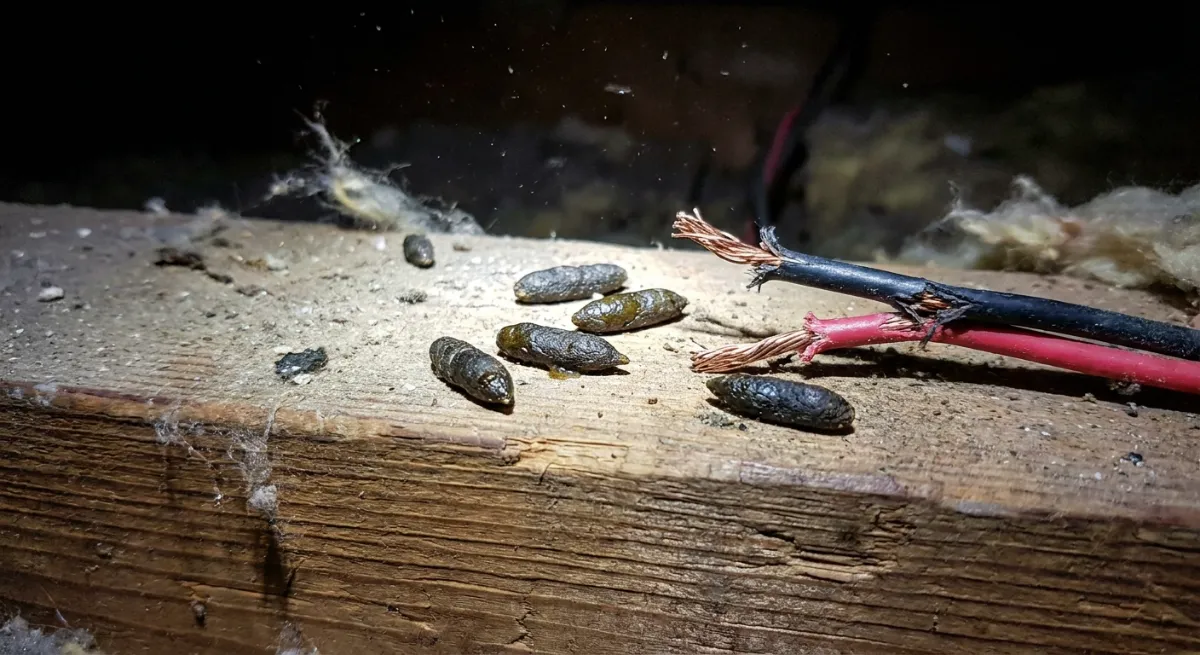
The traditional model of pest control is reactive. You see a rat, you call a guy, he throws poison in the ceiling, and you hope the rat dies outside. In a hospital, a dead rat decaying in a ceiling void above an operating theatre is a catastrophic biosecurity failure. This is why Integrated Pest Management (IPM) is the only acceptable standard.
IPM shifts the focus from chemical eradication to structural exclusion and environmental modification. We audit the building envelope. We identify the exact weep hole, broken vent, or compromised door seal the rodents are using. We block it. We then use smart, IoT-enabled traps that alert us the second a rodent is caught, allowing for immediate removal.
| Metric | Traditional Pest Control | Audit-Ready IPM |
|---|---|---|
| Primary Tactic | Routine chemical spraying | Structural exclusion & monitoring |
| Documentation | Handwritten service slips | Digital portal, trend analysis, SDS |
| Patient Safety | High risk of chemical exposure | Zero-emission, highly targeted baits |
| Rodent Control | Toxic baits indoors | Mechanical trapping & exterior baiting |
To establish true Audit-Ready Pest Management Compliance for New Zealand Healthcare Providers, the facility manager and the pest technician must work as a team. If we note that a specific door is being propped open by staff, or that a waste compactor is leaking fluid, that information goes straight into the audit report. You fix the environment; we handle the pests.
Preparing for the Future: FAOPMA 2026
The pest management industry is evolving rapidly, and Auckland is at the center of it. From July 15-17, 2026, the New Zealand International Convention Centre (NZICC) will host the FAOPMA Pest Summit [3]. The theme is “FutureProof: Smarter Pest Solutions for a Rapidly Changing World.”
This summit highlights the exact shift we are implementing in Auckland’s healthcare sector. The future is digital, predictive, and intensely regulated. Smart monitoring systems and zero-emission treatments are no longer optional upgrades; they are the new baseline for institutional care.
Following the mild winter and hot summer of the previous year, Auckland is experiencing a significant autumn pest surge in 2026. Facilities must reinforce their exterior perimeter baiting now to prevent rodents from migrating indoors as temperatures drop.
We are already deploying these advanced methodologies. By integrating our Level 3 certified expertise with the latest IoT trapping technology, we deliver the “Silver Bullet Guarantee.” We find the problem, we document the solution, and we protect your patients. It is that simple.
The Cost of Failure in Healthcare Compliance
Let me be blunt. Failing an audit because of a pest infestation does not just result in a fine. It results in immense reputational damage, operational shutdowns, and severe risks to vulnerable patients. When you invest in Audit-Ready Pest Management Compliance for New Zealand Healthcare Providers, you are buying risk mitigation.
You need a partner who understands the difference between an operating theatre and a residential garage. Our technicians are trained to operate discreetly, safely, and strictly by the book. We do not cut corners, and we do not use cheap, unapproved chemicals.
If your current pest management plan consists of a guy turning up once a quarter to spray the skirting boards, you are failing your compliance obligations. It is time to step up to a scientific, audit-ready standard. Contact us to schedule a comprehensive facility audit, and let’s get your perimeter secured.
Frequently Asked Questions

About the Author: Ronnie
Founder, Pest Control Auckland · Commercial & Residential Pest Expert · Certified Urban Pest Management Specialist
With years of experience implementing Integrated Pest Management (IPM) in high-stakes environments, Ronnie is uniquely positioned to address Audit-Ready Pest Management Compliance for New Zealand Healthcare Providers. Having consulted for highly regulated commercial sectors across Auckland, he ensures facilities meet strict Ministry of Health, EPA, and Food Act 2014 standards through scientific, root-cause eradication.