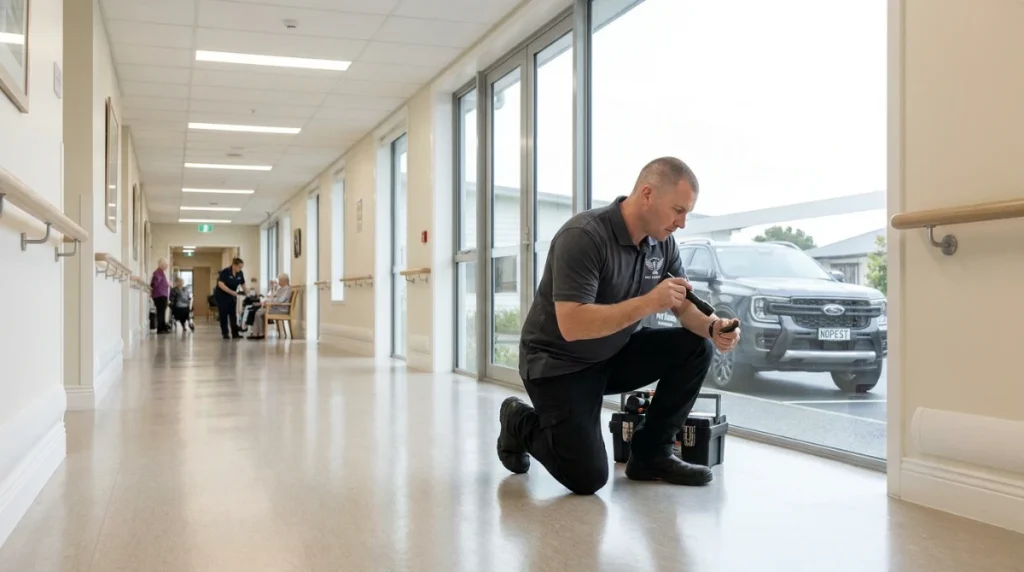
Right now, Auckland is dealing with a massive autumn pest surge following a hot summer and a mild winter.
For most homeowners, a rat in the roof cavity or cockroaches in the kitchen is just a frustrating nuisance. But if you’re managing a retirement village or caring for an aging parent, it’s a completely different game.
The elderly are uniquely vulnerable to airborne triggers. The connection between asthma, COPD, and pest allergens is a serious medical reality that budget exterminators completely ignore. When you combine compromised respiratory systems with toxic, reactive chemical sprays, you create a perfect storm for hospitalization.
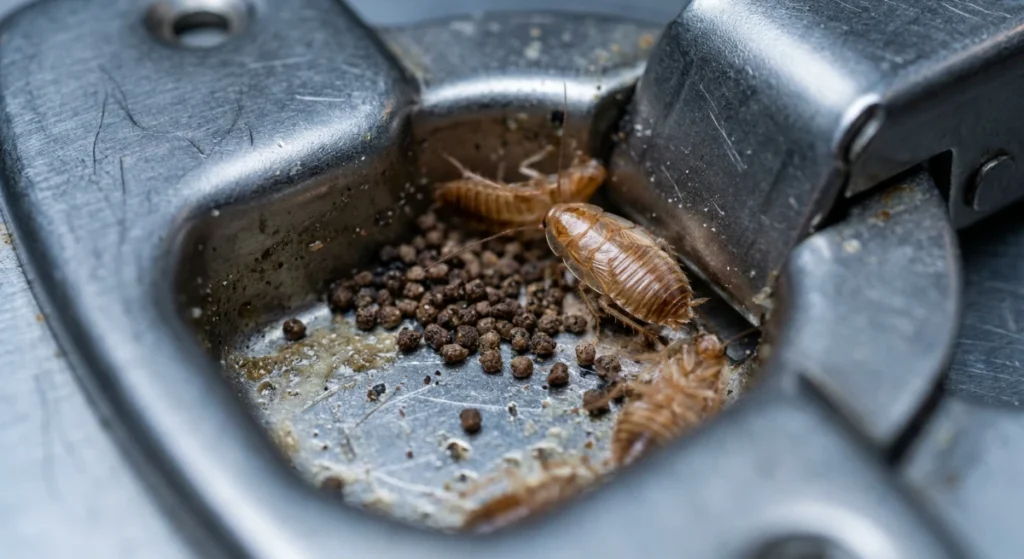
I’ve seen it all. I’ve seen aged care facilities fail audits because they tried to fix a German cockroach infestation with hardware store bug bombs. It doesn’t work, and it puts vulnerable lungs at risk. We need to talk plainly about safe rodent and insect control for Auckland’s elderly populations. No corporate hedging, just the scientific facts on how to fix the root cause.
Key Takeaways
For elderly residents with respiratory issues, pest allergens like cockroach frass and mouse urine are dangerous triggers. Traditional chemical sprays only worsen indoor air quality. Safe rodent and insect control for Auckland’s elderly populations requires zero-emission Integrated Pest Management (IPM), structural exclusion, and strict compliance with NZS 8134:2021 standards.
The Hidden Link: Pest Allergens, Asthma, and COPD
Let’s look at the data. Respiratory health is a massive concern for New Zealand’s aging population. According to the 2024/25 New Zealand Health Survey, 4.4% of adults over the age of 45 are diagnosed with Chronic Obstructive Pulmonary Disease (COPD).
Furthermore, over 12% of adults rely on daily medication for asthma. When pests invade a living space, they don’t just eat your food. They leave behind highly reactive biological matter that degrades indoor air quality.
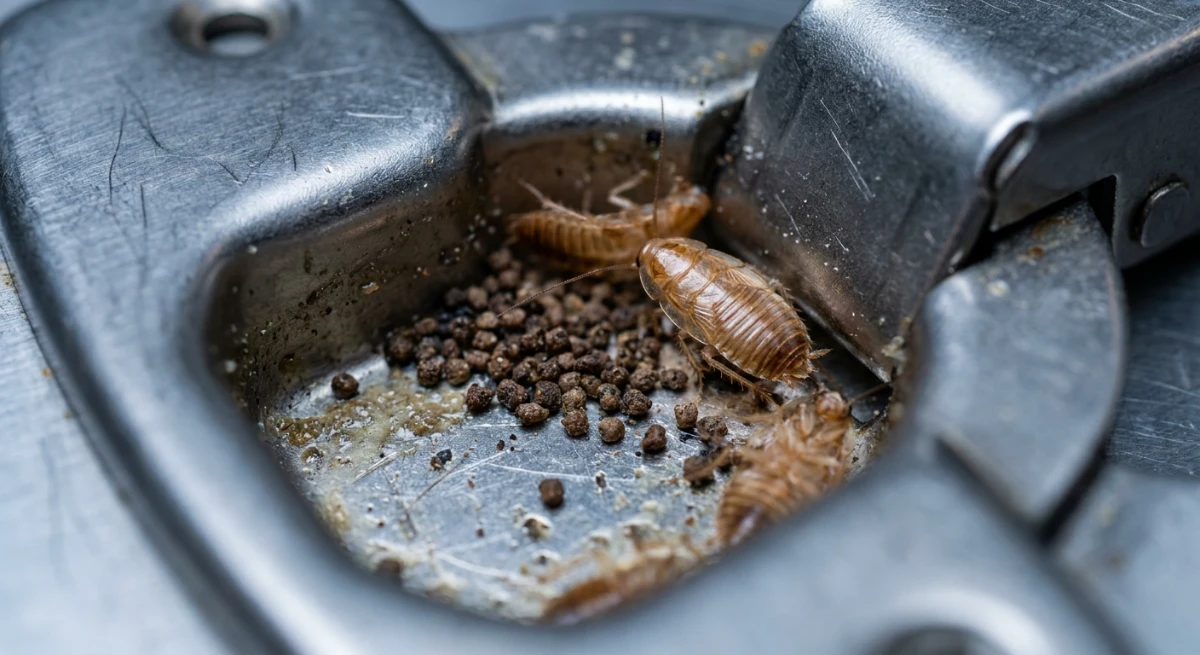
Cockroach frass, saliva, and shedding skins break down into microscopic dust. Clinical data confirms that exposure to cockroach allergens above 8 Units per gram in household dust directly triggers severe asthma morbidity. At these levels, emergency hospital visits spike dramatically.
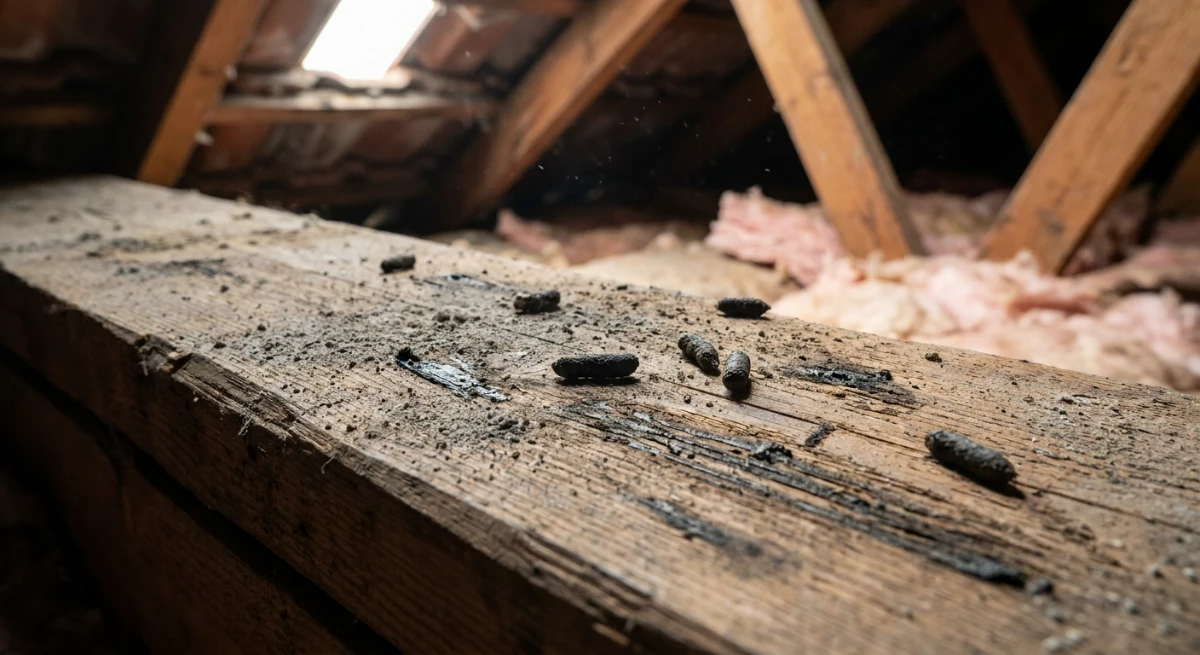
Mice are just as bad. Mouse urine contains complex proteins that vaporize and circulate through HVAC systems. Recent studies show that mouse sensitivity is an independent risk factor for severe rhinitis and asthma exacerbations.
If you have an elderly resident wheezing in their room, the problem might not be the changing autumn weather. It could be a hidden nest in the wall void actively pumping allergens into their breathing space.
Applying standard hardware store bug bombs in a room with cockroach allergens doesn’t remove the allergens. It simply adds airborne volatile organic compounds (VOCs) to a room where an elderly person is already struggling to breathe.
Auckland’s Aged Care Landscape: Legal & Regulatory Constraints
Managing pests in retirement villages isn’t a casual job. It is heavily regulated to protect vulnerable residents from both the pests and the pesticides. You can’t cut corners here.
Under the Health and Disability Services Standards (NZS 8134:2021), care providers must actively maintain a hygienic environment. This explicitly includes preventing infection and pest transmission. Failing to do so can result in severe audit penalties.
You can’t just send a maintenance worker in with a generic spray can. That is the quickest way to fail a Ministry of Health audit and face massive legal liability. The EPA HPC Notice 2017 and the HSNO Act 1996 mandate strict controls.
Applying Class 9 (ecotoxic) substances in sensitive environments requires a Qualified UPM Contractor. Your pest technician must hold the New Zealand Certificate in Pest Operations (Level 3). If they don’t have this certification, they shouldn’t be anywhere near an aged care facility.
The Food Act 2014 and Aged Care Kitchens
Commercial kitchens in aged care facilities fall under the Food Act 2014. This means strict HACCP compliance is required. You cannot use toxic rodenticide baits in sensitive food preparation areas.
We rely entirely on non-toxic monitoring blocks and secure mechanical traps to stay compliant and safe. This guarantees that no poison accidentally migrates into the food chain of vulnerable residents.
Why Traditional Spray and Pray Fails the Elderly
The old-school method of pest control was entirely reactive. A technician would walk in, spray the baseboards with cheap synthetic pyrethroids, hand you a bill, and leave.
This spray and pray approach is dead, especially in healthcare and elderly settings. It leaves chemical residues that off-gas into the room, which can easily trigger COPD flare-ups and asthma attacks.
Moreover, it doesn’t solve the root cause. If you don’t find the structural entry point, the pests will simply return in a few weeks. They will bring fresh pest allergens and asthma triggers with them, trapping property managers in an endless cycle of treatments.
Applying a chemical spray to a room full of cockroach allergens doesn’t remove the physical chitin or frass. It just adds toxic load to an already compromised environment.
With Auckland hosting the FAOPMA Pest Summit in July 2026, the industry focus has permanently shifted toward Predictive IPM and digital monitoring, leaving toxic sprays in the past.
Predictive IPM: Safe Rodent and Insect Control Methods
To provide truly safe rodent and insect control, we use Predictive Integrated Pest Management (IPM). This is a scientific, entomological approach focused on exclusion, monitoring, and zero-emission treatments.
First, we identify exactly how the pests are getting inside. We inspect the building perimeter, seal gaps around plumbing voids, repair torn window screens, and install heavy-duty door sweeps. If they can’t get in, they can’t breed.
Second, we use targeted, zero-emission treatments. For cockroaches, we apply highly specific gel baits directly into cracks and crevices. These baits are placed far away from human contact and airflow systems.
This ensures the pests consume the bait and take it back to the nest. It destroys the colony from the inside out without releasing a single airborne chemical into the resident’s breathing space.
Ask your pest controller if their treatments are MPI-approved and zero-emission. In aged care, any airborne chemical application should be a last resort, not the default method.
Rodent Eradication and the Animal Welfare Act
When dealing with roof rats in a retirement villa, the rules are strict and non-negotiable. The Animal Welfare Act 1999 dictates that live-capture traps must be physically inspected within 12 hours after sunrise every single day.
Glue boards are heavily restricted in New Zealand, and frankly, they are inhumane and messy. We do not use them under any circumstances.
Instead, we use high-impact snap traps housed in heavy-duty, tamper-proof bait stations. These stations are locked and completely inaccessible to wandering residents with dementia or visiting grandchildren.
Once the internal population is eradicated, we focus on exterior baiting and structural exclusion to ensure they never get back inside.
Comparing Treatment Models for Aged Care
Let’s look at exactly why modern IPM is the only viable option for sensitive environments. The differences in safety, efficacy, and legal compliance are stark.
| Feature | Traditional Pest Control | Predictive IPM (Our Approach) |
|---|---|---|
| Chemical Application | Airborne synthetic pyrethroids (high VOCs) | Zero-emission gel baits and secure traps |
| Primary Focus | Reactive symptom treatment (killing visible bugs) | Root-cause structural exclusion and prevention |
| Allergen Reduction | Poor (leaves dead insects and frass behind) | High (eliminates nesting sites entirely) |
| Legal Compliance | Often fails NZS 8134:2021 health audits | Strict adherence to EPA, Food Act & Animal Welfare Act |
Protecting Auckland’s Vulnerable: Actionable Steps
Property managers and family members need to be proactive. Waiting for a resident to complain about a rat sighting means the infestation is already severe.
We recommend implementing a seasonal subscription plan, like our Auckland Winter Defense program. This ensures continuous monitoring and stops populations before they explode. Here is what you need to do right now:
- Conduct Quarterly Audits: Inspect structural perimeters and sub-floors for new entry points caused by shifting weather.
- Monitor Moisture: Pests need water. Fix leaking pipes in aged care bathrooms immediately to remove their drinking source.
- Upgrade Waste Protocols: Ensure commercial bins are sealed and placed far from ground-floor windows.
- Review Tenancy Agreements: Clarify liability between the landlord and the elderly tenant regarding pest introductions under the Residential Tenancies Act.
Check that your current pest control provider holds the Level 3 New Zealand Certificate in Pest Operations. If they don’t, they are not legally qualified to apply Class 9 substances in your facility.
Conclusion
Managing the risks of respiratory flare-ups in elderly care environments is a critical health responsibility. You simply cannot compromise on indoor air quality or legal compliance.
If you’re managing an aged care facility or looking after an elderly relative in Auckland, ditch the hardware store sprays and the budget exterminators. They cost more in the long run and put lives at risk.
Bring in certified professionals who understand root-cause eradication. We fix the problem at the source, keeping your residents safe, breathing easy, and completely pest-free.
Frequently Asked Questions

About the Author: Ronnie
Founder, Pest Control Auckland · Commercial & Residential Pest Expert · Certified Urban Pest Management Specialist
With years of experience in commercial biosecurity and sensitive residential environments, Ronnie is the definitive expert on Asthma, COPD, and Pest Allergens: Safe Rodent & Insect Control for Auckland’s Elderly Populations. Having consulted for numerous aged care facilities across the Auckland region, he specializes in zero-emission, root-cause eradication that strictly adheres to the EPA HPC Notice 2017 and Ministry of Health standards.