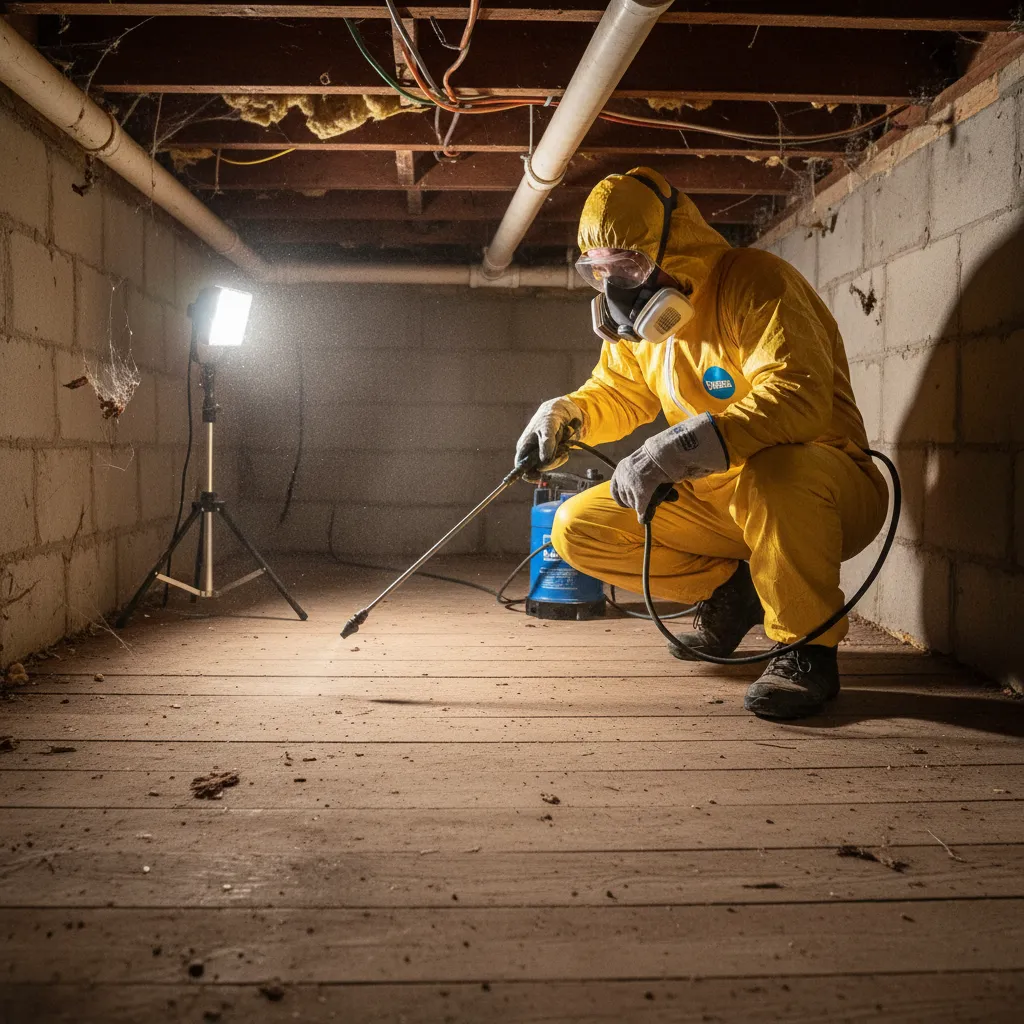
Professional applying borer treatment to subfloor in Auckland

Best Borer Treatment Auckland

It often starts with a seemingly harmless discovery: a tiny pile of fine, powdery dust resting quietly on a commercial property’s floorboards. For Auckland business owners and property investors, this subtle sign can quickly escalate into a structural nightmare. Wood-boring insects, left unchecked, can compromise the integrity of framing, joists, and expensive architectural features.

New Zealand is home to up to seven different species of wood-boring insects, with the Common House Borer being the most prevalent. Because these pests spend three to five years eating through timber from the inside out, the visible flight holes only appear after significant damage has already been done. Early detection and commercial-grade intervention are absolutely vital for preserving your building’s lifespan.

When searching for the best borer treatment in Auckland, property owners need solutions that go beyond simple surface sprays. You need a comprehensive strategy that addresses the specific species, the accessibility of the subfloor, and the long-term protection of the timber. In this guide, we break down the most effective commercial treatments available in 2026.

Key Takeaways

The best borer treatment in Auckland involves a combination of residual surface sprays for bare timber and deep pressure injections for painted wood. Professional treatments cost between $350 and $750+ depending on subfloor access, providing up to 10 years of structural protection against common New Zealand borer species.

Comparing Borer Treatment Methods
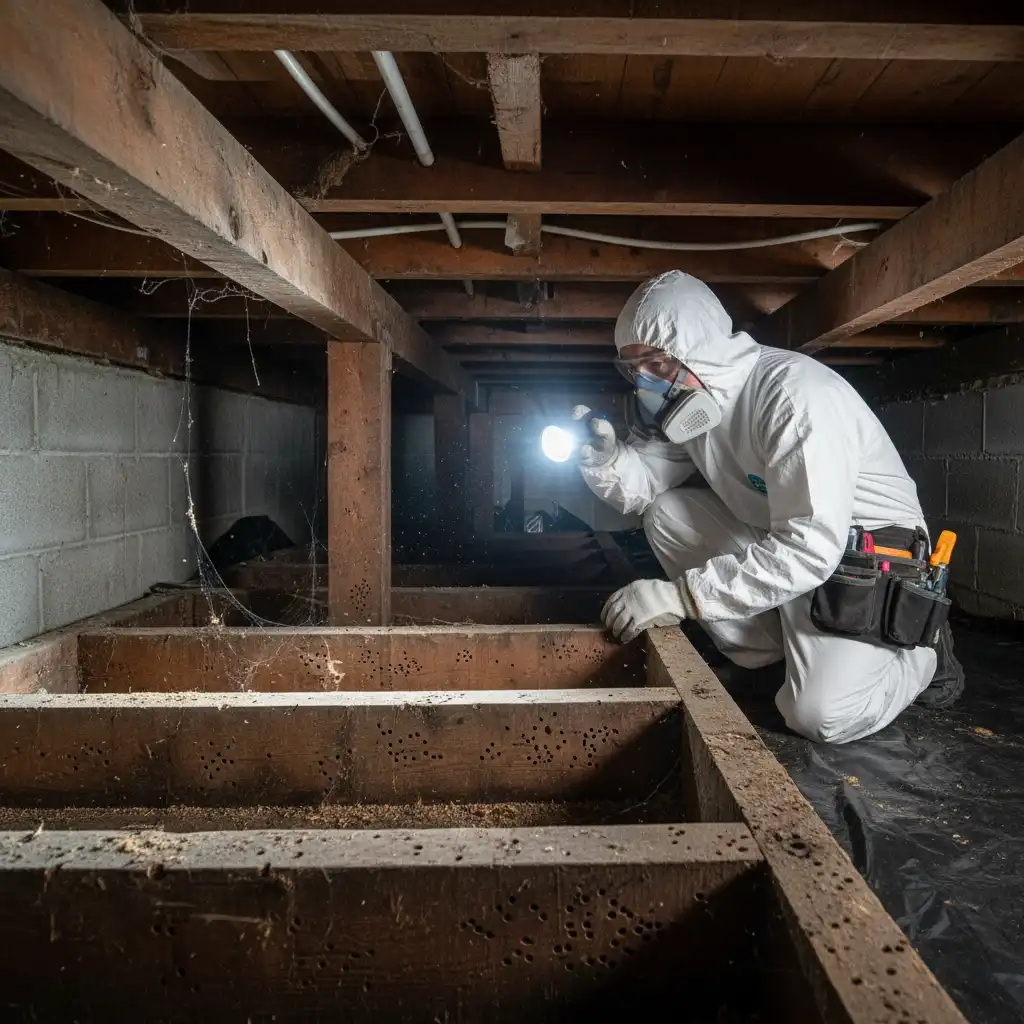
Not all timber pests are created equal, and neither are the methods used to eradicate them. In New Zealand, the Common Furniture Beetle (Anobium punctatum) is responsible for the majority of structural timber damage. However, native species like the Two-Toothed Longhorn Borer can cause even more rapid devastation if left untreated.

Because these insects thrive in the damp, untreated timbers often found in older Auckland buildings, a one-size-fits-all approach is rarely effective. Commercial properties require a tailored strategy that considers the type of wood, the presence of insulation, and the severity of the infestation.

📝

Note: Borer Life Cycle

Borer larvae can live inside your timber for 3 to 5 years before emerging as adult beetles. This means that by the time you see flight holes, multiple generations may have already compromised the wood.

Surface Sprays vs. Deep Timber Injections

For exposed, bare timber found in roof voids and subfloors, residual surface sprays are highly effective. These water-based treatments are applied generously to the wood, soaking into the top layers. As adult beetles emerge or attempt to lay new eggs on the treated surface, they are immediately eradicated.

However, painted, varnished, or polished timbers cannot absorb surface sprays. In these scenarios, deep timber injection is required. Technicians use specialized high-pressure equipment to inject insecticidal formulas directly into existing flight holes, ensuring the treatment reaches the larvae deep within the wood.

Professional applying borer treatment to subfloor in Auckland

Treatment Method Best Used For Estimated Protection Average Cost (Auckland)
Residual Surface Spray Bare timber, roof voids, subfloors Up to 10 Years $350 – $750+
Deep Pressure Injection Painted, varnished, or polished wood 5 to 10 Years Quoted per item/area
Preventative Boron Wash New builds, pre-construction framing Lifetime (if kept dry) Varies by square meterage

Eco-Friendly and Zero-Emission Options

Modern commercial pest control has evolved significantly. Today, the industry prioritizes treatments that are tough on pests but safe for building occupants and the environment. Boron-based treatments suspended in water are highly favored because they emit zero harmful VOCs (Volatile Organic Compounds).

These eco-friendly solutions act as both an insecticide and a fungicide. Not only do they eradicate active borer populations, but they also protect the timber against future wood rot. This dual-action approach is why so many property managers insist on these advanced formulations.

Borer Species Prevalence in New Zealand Chart

Why We Are Rated Auckland’s Best

Providing the best borer treatment Auckland has to offer means we never cut corners. Our technicians undergo rigorous training to accurately identify the specific species of borer attacking your property. This precision ensures that the chemicals and application methods we use are highly targeted.

We understand that commercial downtime costs money. That is why our teams operate efficiently, utilizing high-volume airless sprayers to cover expansive subfloors and roof voids in record time. We deliver maximum protection with minimal disruption to your daily business operations.

Customer Reviews and Success Stories

Our reputation is built on tangible results. Over the years, we have successfully treated hundreds of commercial properties, heritage buildings, and large-scale residential complexes across the Auckland region. Our clients consistently praise our transparent pricing and comprehensive reporting.

When you choose our services, you benefit from a proven track record. Our success metrics include:

  • A 98% first-time eradication rate for severe subfloor infestations.
  • Detailed post-treatment warranty certificates lasting up to 10 years.
  • Exceptional safety records with zero environmental compliance breaches.
  • Fast, reliable communication from initial quote to final inspection.

Specialized Equipment for Hard-to-Reach Subfloors

Auckland’s diverse architecture often presents unique challenges, particularly in older buildings with low-clearance subfloors. Standard spraying equipment simply cannot reach the tightest corners where dampness—and borers—tend to thrive.

To secure the best borer treatment in Auckland for commercial spaces, we deploy extended-reach lances and specialized airless spraying technology. This allows our technicians to coat every millimeter of exposed timber, ensuring no joist or bearer is left vulnerable to future attacks.

💡

Tip: Subfloor Ventilation

Borers are highly attracted to moisture. Improving your subfloor ventilation by clearing blocked vents or installing forced-air systems will dramatically reduce the risk of re-infestation after treatment.

Specialized equipment for borer treatment in Auckland subfloors

Protecting Your Investment

Commercial real estate in Auckland is a massive financial commitment. Allowing a microscopic insect to undermine the structural integrity of your asset is a risk no investor should take. Preventative borer management is an essential component of long-term property maintenance.

We are widely recognized for delivering the best borer treatment Auckland businesses trust. By implementing regular inspections and proactive treatments, property owners can avoid the exorbitant costs associated with replacing load-bearing timbers and repairing collapsed flooring.

Pre-Purchase Borer Inspections

Before acquiring any commercial or older residential property, a specialized borer inspection is critical. Standard building inspectors may note visible damage, but they often lack the entomological expertise to determine if an infestation is currently active.

Our certified technicians utilize moisture meters, acoustic listening devices, and deep-probing tools to uncover hidden colonies. We provide comprehensive reports that can be used to negotiate purchase prices or demand pre-settlement treatments.

Pre-purchase borer inspection on Auckland property

Identifying Structural Damage Before Buying

Understanding the signs of borer activity can save you thousands of dollars. The most obvious indicator is the presence of flight holes. The Common House Borer leaves small, 2mm round holes, while the destructive Two-Toothed Longhorn Borer leaves larger, oval-shaped holes up to 7mm wide.

Another key sign is “frass,” which looks like fine sawdust accumulating beneath wooden structures. If you tap the timber with a screwdriver handle and it sounds hollow or the surface easily crumbles, the structural integrity has likely been severely compromised.

⚠️

Warning: Painted Timber Risks

Do not assume painted wood is safe. Borers often enter through the unpainted back sides of skirting boards or architraves, hollowing out the wood while the painted surface looks perfectly intact.

Schedule the Best Borer Service Today

Don’t wait until floorboards begin to sag or doorframes crumble. Early intervention is the most cost-effective way to manage wood-boring pests. Our team is ready to assess your property, identify risk factors, and implement a tailored eradication plan.

Book the best borer treatment in Auckland today and protect your building for the next decade. Contact our commercial pest control team to schedule your comprehensive site inspection and receive a transparent, no-obligation quote.

Action Checklist for Property Owners

1. Inspect subfloors for dampness.
2. Look for 2mm-7mm holes and fine dust on timber.
3. Schedule a professional borer assessment immediately if signs are found.

People Also Ask (PAA)

How much does borer treatment cost in Auckland?
The cost varies depending on the size of the property and the accessibility of the subfloor or roof void. On average, roof void treatments start around $350, while full subfloor treatments typically start from $750. Comprehensive treatments for large or complex properties can range up to $2,500.
Can I treat borer myself?
While DIY borer bombs and surface sprays are available, they are generally ineffective for long-term eradication. Borer bombs only kill adult beetles that are actively flying and do not penetrate the timber where the larvae live. Professional-grade residual sprays and deep injections are required for total control.
How long does a professional borer treatment last?
When applied correctly by a certified technician, high-quality water-based borer treatments can protect bare timber for up to 10 years. This long-lasting residual effect ensures that any larvae emerging from the wood over the next decade will be killed upon contact.
What is the best time of year to treat borer?
Borer treatment can be applied at any time of the year because the residual chemicals remain active in the timber. However, the adult beetles typically take flight between November and March (the warmer months in New Zealand) to mate and lay eggs, making spring and early summer an ideal time for preventative action.
Do I need to remove insulation before a borer treatment?
Yes, in most cases. If the timber framing is covered by subfloor or ceiling insulation, the insulation must be moved or temporarily removed. The treatment must be applied directly to the bare timber to absorb properly and break the borer life cycle.
Does borer attack all types of wood?
No. Borer insects prefer untreated, soft sapwood. They are commonly found in untreated native timbers like Rimu and Kahikatea in older New Zealand homes. Hardwoods and modern treated timbers (such as H3 or H5 treated pine) are highly resistant to borer attacks.

Leave a Comment

Your email address will not be published. Required fields are marked *

Scroll to Top