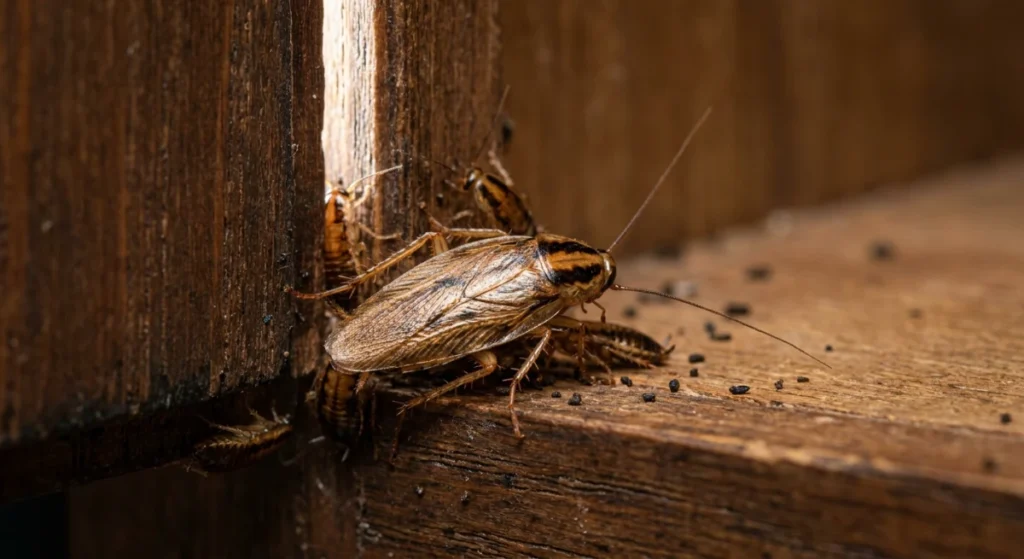
Look, if you run a cafe, restaurant, or warehouse on the Hibiscus Coast right now, you already know things are tense. Following last year’s mild winter and scorching summer, this May 2026 autumn pest surge has caught a lot of operators completely off guard. Rats and mice are aggressively pushing indoors, looking for warmth and a free meal.
You don’t have time to mess around with cheap hardware store baits that simply don’t work. When the council health inspector walks through your door, they want to see a rock-solid compliance plan. That’s why professional Commercial Rodent Management Orewa isn’t just about killing rats—it’s about protecting your livelihood.
We fix the problem at the source so you can get back to running your business without constantly looking over your shoulder. Let’s break down exactly what you need to do to stay compliant, keep your doors open, and eradicate the problem permanently.
Key Takeaways
Effective Commercial Rodent Management Orewa requires proactive, non-toxic monitoring to comply with the Food Act 2014. Toxic baits are illegal in sensitive food zones. You must seal structural entry points and utilize Level 3 certified technicians to pass stringent MPI audits and avoid costly business closures.
The Reality of the May 2026 Autumn Pest Surge in Orewa
The numbers don’t lie. New Zealand’s hospitality sector recently hit a record $15.99 billion turnover in FY2025. With that kind of money on the line, local Orewa businesses simply cannot afford a single pest sighting.
A customer spotting a rat near your prep area isn’t just a bad Google review. It’s a fast track to getting your doors forcefully shut by the council health inspector. The stakes have never been higher for commercial operators.
Why Rodents Are Targeting Commercial Kitchens Now
Unfortunately, the weather hasn’t done us any favours lately. A highly unusual mild winter followed by a hot summer created the perfect breeding storm for local rodent populations. Now that the autumn chill has hit in May 2026, these inflated populations are actively seeking shelter.
They are aggressively pushing inside commercial roof voids, dry pantries, and wall cavities. Roof rats (Rattus rattus) and Norway rats are incredibly resourceful when it comes to exploiting structural weaknesses in older commercial buildings across the Hibiscus Coast.
The Food Act 2014: Why “Spray and Pray” Will Get You Shut Down
I see it all the time when I get called out to a panicked restaurant owner. They spot a rat in the dry store and immediately throw down toxic supermarket bait in a desperate attempt to fix it. Under the Food Act 2014, doing this in a commercial food zone is a massive, highly illegal violation.
MPI verifiers and Auckland Council health inspectors have absolute zero tolerance for sloppy, reactive pest control. They don’t just want the rats gone; they want documented proof that you are actively monitoring your premises.
MPI Audits and Zero-Tolerance Hygiene
You must use approved, non-toxic methods that don’t risk contaminating the food you serve to the public. This is exactly where a lot of businesses get caught out during their annual HACCP audits.
You need a dedicated pest sighting logbook, detailed floor plans showing bait station locations, and clear Safety Data Sheets (SDS). If you can’t hand those over to the inspector immediately, you fail the audit on the spot.
Failing a Food Act 2014 health inspection due to illegal toxic baiting or active rodent infestations can result in immediate business closure, severe financial penalties, and permanent damage to your brand’s reputation.
The Predictive Science of Commercial Rodent Management in Orewa
We don’t just show up, spray some chemicals, and walk away. That’s old-school, reactive nonsense that leaves you vulnerable to the next wave of pests. Proper Commercial Rodent Management Orewa relies entirely on Predictive Integrated Pest Management (IPM).
This means we find out exactly how the rats are getting in and we shut the door behind them permanently. We focus heavily on structural exclusion, identifying hidden nesting areas, and deploying mechanical traps in high-traffic runways.
Structural Exclusion Over Surface Baiting
If you don’t fix the physical hole in the wall, another rat will simply take the dead one’s place within a week. Our technicians use advanced entomological approaches to track rodent movements accurately.
We utilize UV tracking dust and non-toxic fluorescent monitoring blocks to map exactly where the colony is feeding and traveling. This allows us to target the root cause of the infestation with surgical precision.
- Unsealed pipe penetrations under commercial sinks and dishwashers.
- Damaged weep holes in exterior brickwork that lack proper mesh guards.
- Gaps beneath corrugated roofing iron where rats can easily squeeze through.

Always check your weep holes, pipe penetrations, and the gaps under corrugated roofing. Installing specialized wire mesh and expanding foam in these exact structural weak points is the most effective way to stop rodents before they enter.
Navigating Auckland Council Bylaws and Animal Welfare Laws
Running a hospitality business in Auckland means playing by a very strict set of local rules. The Auckland Regional Pest Management Plan (RPMP) 2020-2030 enforces heavy biosecurity mandates that you simply cannot ignore.
You can’t just do whatever you want when it comes to trapping and extermination. If you attempt a DIY control method and accidentally breach these laws, the legal liability falls entirely on your shoulders as the business owner.
The 12-Hour Trap Rule and RPMP 2020-2030
For instance, the Animal Welfare Act 1999 dictates that any live-capture traps must be physically inspected within 12 hours after sunrise every single day. Furthermore, glue boards are heavily restricted in New Zealand.
They are completely inappropriate for modern, humane pest control in a commercial setting. That’s exactly why hiring a Qualified UPM Contractor is critical for your peace of mind and operational security.
Only technicians with the Level 3 NZ Certificate in Pest Operations are legally qualified to handle Class 9 ecotoxic substances in urban environments. Always ask to see your technician’s certification before they start work.
Comparing Eradication Methods (The Good, The Bad, and The Illegal)
Not all pest control services are created equal, and going for the cheapest option usually costs you more in the long run. Many fly-by-night operators will offer you a rock-bottom quote, but they are just doing a quick surface treatment.
That leaves your business totally exposed to audit failures and recurring infestations. You need to understand the difference between temporary symptom relief and actual root-cause eradication.
Let’s break down exactly what works, what wastes your hard-earned money, and what could actually land you in court.
| Methodology | Efficacy & Safety | MPI / Food Act Compliance |
|---|---|---|
| DIY Hardware Store Baits | Extremely low. High risk of secondary poisoning and food contamination. | Illegal in commercial food preparation zones. Results in automatic audit failure. |
| Basic Spray & Pray Operators | Short-term fix. Does not address structural entry points or nesting areas. | Often lacks proper SDS documentation and logbooks required by verifiers. |
| Predictive IPM (Our Approach) | Highest efficacy. Zero-emission, root-cause structural exclusion and monitoring. | 100% compliant. Provides full documentation, site maps, and certificates for auditors. |
FAOPMA 2026 and the Future of Zero-Emission Pest Control
The pest control industry in New Zealand is shifting rapidly toward highly sustainable, data-driven practices. In July 2026, Auckland is proudly hosting the FAOPMA Pest Summit at the NZICC.
The theme of the event is “FutureProof: Smarter Pest Solutions,” and it perfectly aligns with exactly what we do here on the Hibiscus Coast. The era of blindly pumping toxic chemicals into commercial spaces is over.
Smarter Pest Solutions Arriving in Auckland
The future of commercial property protection belongs to zero-emission treatments, IoT-enabled smart monitoring, and total operational transparency. We are already implementing these advanced IPM systems for our commercial clients across Orewa.
Smart monitoring means our traps communicate directly with our technicians. If a rodent triggers a mechanical trap in your warehouse at 2 AM, we know about it instantly. This drastically reduces unnecessary site visits and ensures an immediate response.

Don’t wait for the health inspector to find an issue. Contact us today to schedule a comprehensive commercial biosecurity audit and ensure your premises are fully protected against the autumn pest surge.
Securing Long-Term Protection for Your Orewa Business
You need a reliable, straight-talking partner who actually understands the unique, high-stakes pressures of the hospitality industry. A single bad review about a rat sighting on social media can destroy a restaurant’s hard-earned reputation overnight.
Implementing a robust, proactive strategy for Commercial Rodent Management Orewa is a non-negotiable investment in your brand’s survival. We provide the detailed service reports, pest sighting logbooks, and official compliance certificates that MPI auditors actively demand to see.
Stop relying on blind hope and cheap hardware store traps to protect your livelihood. Get the problem sorted properly, scientifically, and legally, once and for all. We’ve got your back.
Frequently Asked Questions

About the Author: Ronnie
Founder, Pest Control Auckland · Commercial & Residential Pest Expert · Certified Urban Pest Management Specialist
With years of experience in auditing commercial kitchens across the Hibiscus Coast, Ronnie is the definitive expert on Commercial Rodent Management Orewa. Having consulted for numerous hospitality venues to ensure strict compliance with the Food Act 2014 and MPI standards, he specializes in zero-emission, root-cause eradication that protects both businesses and their patrons.