You are lying awake at 2 AM, listening to frantic scratching in the ceiling above your bedroom. You live in a beautiful, well-maintained home in Takapuna, Devonport, or Albany, and you are wondering how a rat managed to breach your property. The truth is, rats do not care about your property valuation. The North Shore is a prime target for rodents due to its older established suburbs, coastal retaining walls, and dense native bush.
As of May 2026, Auckland is experiencing a massive autumn pest surge following a hot summer and a mild winter. The rodent population has exploded. Hardware store baits are failing, and local businesses are facing immense pressure from health inspectors. You do not need another temporary fix or a toxic spray-and-pray operation. You need a definitive, scientific solution.
I have spent years crawling through North Shore subfloors and commercial kitchen voids. We do not just toss bait blocks and walk away. We find the structural entry point, eradicate the active population, and lock them out for good. That is how you solve a rat problem permanently.
Key Takeaways
Effective Rat Control North Shore requires structural exclusion, not just surface baiting. Commercial properties must comply with the Food Act 2014 using non-toxic monitoring. Residential trapping must obey the Animal Welfare Act 1999. We guarantee root-cause eradication using Level 3 certified, zero-emission techniques.
The Reality of Rat Control on the North Shore
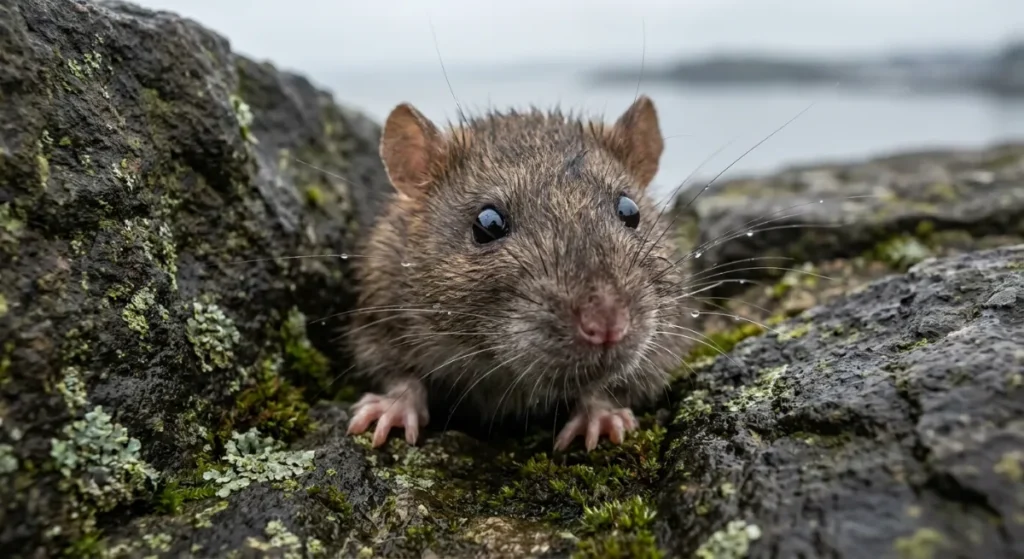
The North Shore presents a unique environment for rodents. We are dealing with established populations of Ship Rats (Rattus rattus) and Norway Rats (Rattus norvegicus) that have thrived here since the early settlement days. These are what the industry sometimes calls “posh rats.”
They live in high-value real estate. The combination of coastal cliffs, extensive retaining walls, and mature native trees creates the perfect breeding ground. A retaining wall with poor drainage or slight cracking is an open invitation for a Norway rat to burrow and nest.
Meanwhile, the agile Ship rat uses overhanging branches to bypass your ground defenses entirely. They drop straight onto your roof, chew through the eaves, and set up a nest directly above your insulation. When we conduct Rat Control on the North Shore, we always look up before we look down.

Structural Vulnerabilities in Older Homes
Many homes in suburbs like Milford and Birkenhead feature older construction styles. Subfloor vents get damaged, and plumbing penetrations are often left unsealed. A rat only needs a gap the size of your thumb to squeeze inside.
Once they are in, the damage accelerates rapidly. Rats chew constantly to file down their growing incisors. They will gnaw through electrical wiring, PVC plumbing pipes, and structural timber, creating severe fire and flooding hazards.
Trim all tree branches at least two metres away from your roofline. Ship rats are excellent jumpers. Cutting off their aerial highway is step one in protecting your ceiling void.
Commercial Hospitality & Food Act 2014 Compliance
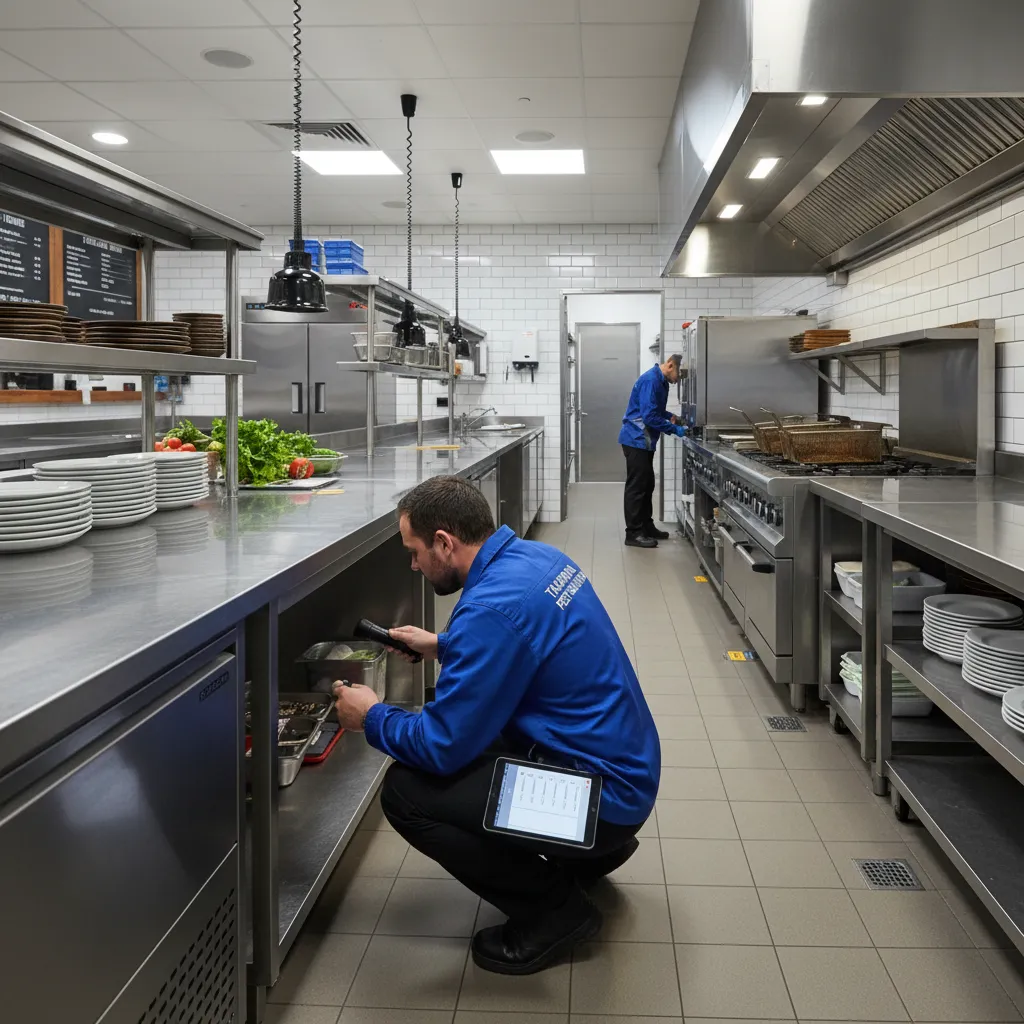
If you run a cafe in Takapuna or a restaurant in Albany, the stakes are exponentially higher. New Zealand’s hospitality sector reached a record $15.99 billion turnover recently, and Auckland Council health inspectors are cracking down hard on hygiene standards.
Under the Food Act 2014, reactive pest control is no longer legally acceptable. You cannot wait for a customer to spot a rat and then call an exterminator. You must have a proactive, documented Integrated Pest Management (IPM) plan in place to maintain your ‘A’ Grade rating.
Furthermore, toxic rodenticide baits are strictly prohibited inside commercial food preparation zones. If an inspector finds generic green bait blocks next to your prep benches, you will fail your audit immediately. We use zero-emission, non-toxic monitoring stations and mechanical traps indoors.
Data-Driven Eradication Success
We know that systematic, scientific eradication works. Look at the recent 2025 Hūnua Ranges operation funded by the Natural Environment Targeted Rate. By using targeted, highly monitored interventions, Auckland Council achieved spectacular results.
They dropped the Rodent Tracking Index (RTI) from an alarming 90% down to just 1.34% post-control. This level of eradication is exactly what we replicate on a micro-scale for your commercial property or home.
The DIY Cycle of Despair vs. Scientific Eradication
We see the same pattern every winter. A homeowner hears scratching, buys a cheap plastic trap or a box of supermarket bait, and tosses it into the manhole. Maybe they catch one rat, and they think the problem is solved.
Two weeks later, the scratching returns. This is the “DIY Cycle of Despair.” Supermarket baits are often highly diluted, leading to bait resistance. Plus, killing the rats inside without sealing the entry points just creates a vacancy for the next family of rodents to move in.
Proper Rat Control on the North Shore requires an entomological and behavioral approach. We conduct a full perimeter sweep, identify the exact entry points, eradicate the current nesting population, and then provide structural exclusion to seal the property.
We do not just treat the symptoms; we cure the disease. Our interventions focus on root-cause eradication. Once we clear the property and seal the entry points, we guarantee our work. No corporate hedging, just honest, local accountability.
Strict Legal Constraints for Trapping
Trapping rats in New Zealand is not a free-for-all. As a Level 3 Qualified UPM Contractor, we operate strictly within the bounds of the Animal Welfare Act 1999 and the HSNO Act. Ignorance of these laws can result in severe fines.
If you are using live-capture traps, Section 36 of the Animal Welfare Act mandates that you must physically inspect that trap within 12 hours after sunrise every single day. You cannot set a trap on Friday and leave it over the weekend.
Furthermore, glue boards for rodents are heavily restricted and generally prohibited for public use due to extreme animal cruelty concerns. Always hire a certified professional who utilizes MPI-approved, humane, and legal eradication methods.
Using illegal leg-hold traps or failing to check live traps within the 12-hour sunrise window is a prosecutable offense under the Animal Welfare Act 1999. Do not risk a massive fine by attempting illegal DIY methods.

The True Cost of Professional Rat Control
Aucklanders are tired of hidden pricing and bait-and-switch quotes. We believe in absolute transparency. The cost of Rat Control on the North Shore depends on the size of the property and the severity of the infestation.
For a standard 3-bedroom residential home, comprehensive rodent treatments typically range between $155 and $325. This covers the initial inspection, eradication, and preventative advice. Commercial IPM subscriptions are priced based on the frequency of auditing required.
When you compare the cost of a professional treatment against the cost of an electrician rewiring a chewed ceiling, the value is obvious. Fixing it right the first time is always the cheapest option.
| Method | Effectiveness | Safety & Compliance | Long-Term Value |
|---|---|---|---|
| DIY Hardware Baits | Low (Causes resistance, temporary fix) | High risk to pets/children | Poor (Recurring costs) |
| Basic “Spray & Pray” Exterminator | Medium (Kills current pests, ignores entry points) | Varies (Often uses generic toxins) | Moderate (Pests return next season) |
| Pest Control Auckland (IPM) | High (Root-cause eradication & exclusion) | 100% Compliant (MPI-approved, pet safe) | Excellent (Silver Bullet Guarantee) |
What to Expect from Our Level 3 Certified Technicians
When we arrive at your North Shore property, we do not guess. We carry the New Zealand Certificate in Pest Operations (Level 3), meaning we are fully qualified to handle Class 9 Urban Pest Management pesticides safely.
Our process is thorough. We inspect the subfloor, the roof void, the fence lines, and the retaining walls. We deploy secure, tamper-proof bait stations that are completely safe around children and dogs.
Most importantly, we tell you exactly what is going on. We provide a clear report detailing how the rodents entered and what structural repairs are needed to keep them out permanently. That is real Rat Control on the North Shore.
Clear away any clutter from the perimeter of your house. Ensure we have clear access to your subfloor door and ceiling manhole. Pick up any fallen fruit from the garden, as this acts as an alternative food source for rats.
People Also Ask (FAQ)

About the Author: Ronnie
Founder, Pest Control Auckland · Commercial & Residential Pest Expert · Certified Urban Pest Management Specialist
With years of hands-on experience navigating the complex structural challenges of North Shore properties, Ronnie is the definitive expert on local rodent eradication. Having consulted for numerous Auckland hospitality businesses to ensure strict Food Act 2014 compliance, he combines deep entomological knowledge with practical, zero-emission exclusion techniques to stop infestations at the source.