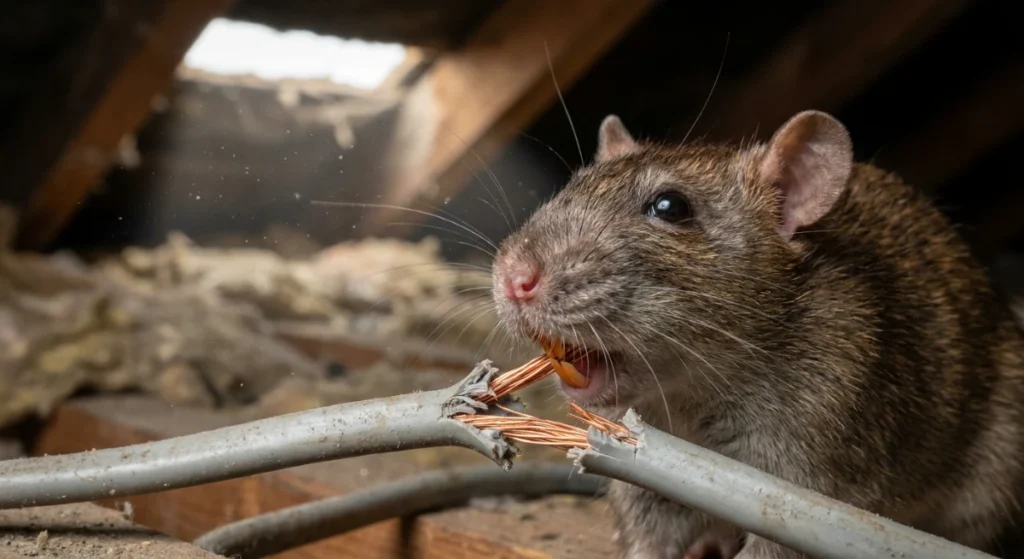
I get the panicked phone calls all the time. An Auckland homeowner or restaurant manager reads a terrifying article online and suddenly thinks every mouse in their roof is carrying a deadly plague.
Let’s clear the air and separate Hantavirus Fact vs Fiction. The truth is, the internet is full of imported panic that simply does not apply to New Zealand.
While you are wasting energy worrying about the wrong virus, the real local threats are quietly breeding in your subfloor. Let me tell you exactly what is going on in your walls and how we fix it.
Key Takeaways
When comparing Hantavirus Fact vs Fiction, the biggest fact is that Hantavirus is not natively found in New Zealand rodents. However, Auckland properties face severe, real-world risks from Leptospirosis and Salmonella. Professional, structural rodent exclusion is the only legal and effective way to protect your family or business.
Hantavirus Fact vs Fiction: Debunking the Global Hype
To truly understand Hantavirus Fact vs Fiction, we have to look at where this virus actually lives. Hantavirus Pulmonary Syndrome (HPS) is a severe, sometimes fatal respiratory disease.
It is primarily transmitted by infected rodents, specifically deer mice, across North and South America. People contract it by breathing in aerosolized virus particles from rodent urine, droppings, or nesting materials.
When you sweep out an infested shed in the United States, you are genuinely at risk. The media loves a scary story, and this global narrative easily bleeds into New Zealand social media feeds.
But here is the absolute, undeniable truth for Aucklanders. We do not have the deer mouse in New Zealand, and there has not been a single native case of the virus here. Our local rodent populations simply do not carry it.
Recent 2026 news regarding a cruise ship outbreak caused a brief stir online. While international travelers can carry diseases, there is zero evidence of Hantavirus establishing itself in New Zealand’s native rodent populations.
The Real Rodent Diseases Threatening Auckland in 2026
Stop worrying about imported headlines. If you have rats in your roof cavity or mice in your commercial kitchen, you have immediate, localized health threats to deal with.
The autumn of 2026 brought a massive surge of urban pests driven by extreme weather. These rodents carry pathogens that are very real and very present in Auckland right now.
Leptospirosis: The Urban Flooding Threat
Leptospirosis is arguably the most dangerous bacterial infection spread by rodents in New Zealand. Historically, people thought of it as a rural farming disease.
That is no longer the case. With changing climate patterns and recent urban flooding across Auckland, Leptospirosis is thriving in city environments.
The bacteria spread through the urine of infected rats and mice. If a rat urinates in your roof cavity, on your insulation, or near pooled water in your subfloor, the bacteria can survive for weeks. In 2023 alone, New Zealand saw a massive spike to 164 notified cases.
Salmonellosis and Food Contamination
Salmonella is the nightmare scenario for both homeowners and the Auckland hospitality sector. Rats and mice are scavengers.
They transition seamlessly from crawling through city sewers to walking across your kitchen food prep areas. As they travel, they leave a continuous, invisible trail of urine and microscopic droppings.
If a mouse chews into a bag of flour in your pantry, that entire shelf is compromised. Consuming contaminated food leads to severe, sometimes hospitalizing food poisoning.
Why Hardware Store DIY Baits Fail (And Make It Worse)
I have seen it a thousand times. A homeowner spots a rat, panics, and buys cheap toxic bait from the local hardware store.
This ‘spray and pray’ approach is the definition of the DIY cycle of despair. It rarely solves the problem and often creates a much bigger health hazard for your family.
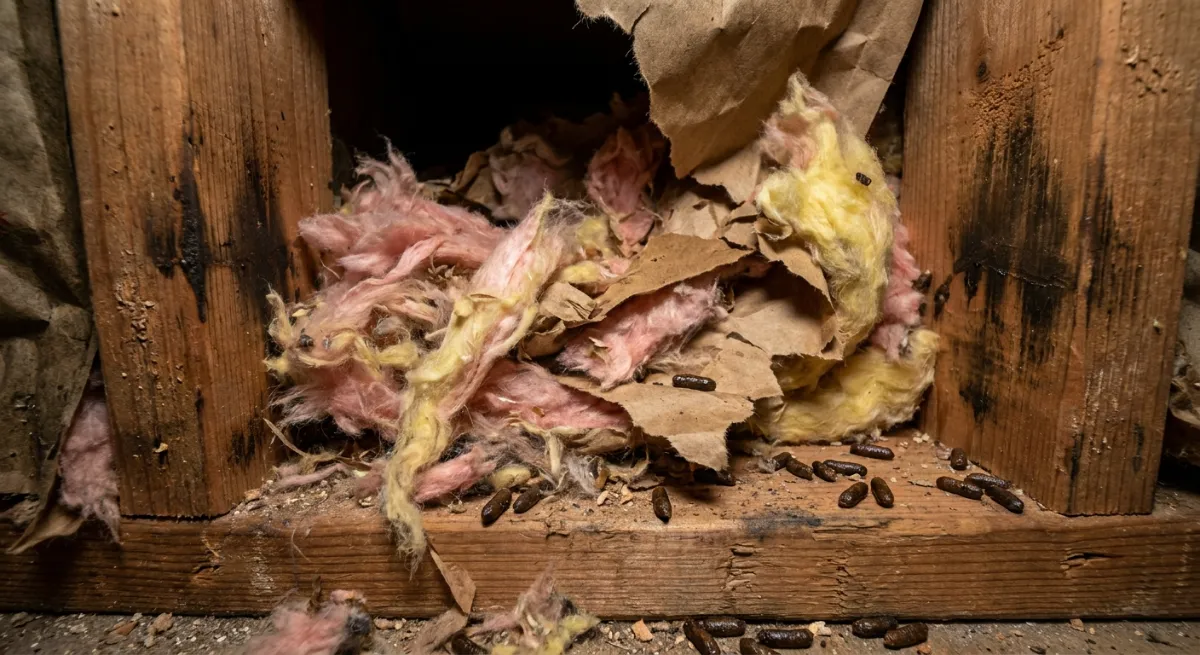
When you use uncontrolled, slow-acting baits, the rodent consumes the poison and crawls deep into your wall cavities to die. Now, instead of a live rat, you have a decaying carcass stinking up your home.
This dead rodent attracts blowflies, causes intense foul odors, and leaks bodily fluids onto your plasterboard. You have traded one pest problem for another.
Hardware store baits often use uncontrolled toxins. If your pet eats a poisoned rat, they can suffer lethal secondary poisoning. Always rely on certified professionals who use secure, tamper-proof stations.
Commercial Pest Control: Protecting Auckland Hospitality
For cafes, restaurants, and food manufacturers in Auckland, understanding Hantavirus Fact vs Fiction is far less important than passing your next health inspection.
The Ministry for Primary Industries (MPI) and the Food Act 2014 enforce strict, zero-tolerance policies for rodent activity. You cannot just throw poison around a commercial kitchen.
It is illegal and highly dangerous. Commercial food sector pest control prohibits the use of toxic rodenticide bait in sensitive food preparation areas.
Instead, you must rely on non-toxic monitoring, mechanical traps, and strict structural exclusion to stay compliant and operational.
Predictive Integrated Pest Management (IPM)
The era of reactive pest control is dead. We use Predictive Integrated Pest Management (IPM). This means we analyze the structural vulnerabilities of your building before the rats even get inside.
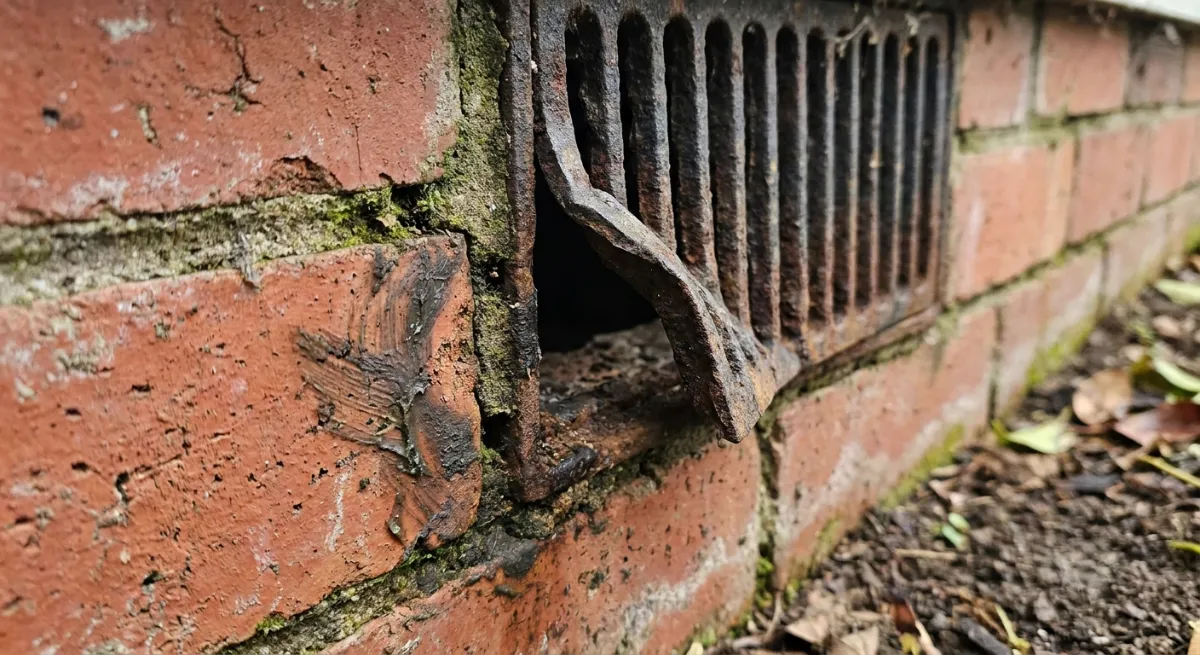
We look for unsealed weep holes, damaged subfloor vents, and gaps around plumbing penetrations. By sealing these entry points, we stop the pathogen vectors at the perimeter.
This is exactly how you protect your brand reputation, keep your staff safe, and maintain your A-grade food hygiene certificate without relying on toxic chemicals.
| Disease | Present in NZ? | Transmission Vector |
|---|---|---|
| Hantavirus | No (Imported Cases Only) | Deer mouse urine/feces |
| Leptospirosis | Yes (High Urban Risk) | Rat urine in water/soil |
| Salmonellosis | Yes (High Hospitality Risk) | Rodent droppings on food |
The Legal Liabilities for Auckland Landlords
Under the Residential Tenancies Act, landlords must provide a clean, safe, and habitable environment. If a tenant reports a rodent infestation, ignoring it is simply not an option.
You cannot simply blame the tenant without proof of negligence. If a tenant contracts Leptospirosis because of a known, untreated rat infestation in the roof, the legal liability could be massive.
The Tenancy Tribunal does not look favorably on landlords who ignore structural pest entry points. This is where professional documentation saves you.
We provide comprehensive reports detailing our structural exclusion work. This proves you have taken proactive, certified steps to protect the property, keeping you fully compliant with New Zealand law.
How We Perform a Structural Rodent Audit
When we arrive at your Auckland property, we do not just start throwing bait into the ceiling. We act like forensic investigators.
We start at the roofline and work our way down to the foundations. First, we inspect the roof cavity for gnaw marks on electrical wiring.
Rats chew constantly to keep their incisors sharp, and stripped wires are a leading cause of unexplained house fires in New Zealand. Next, we check the subfloor.
We look for damaged ventilation grates, gaps around pipework, and the telltale greasy rub marks that indicate a high-traffic rodent highway into your home.
Do not just trap the rat. Find out exactly how it got in. Check your subfloor vents, roof weep holes, and plumbing penetrations for greasy rub marks.
The Pest Control Auckland Solution: Root-Cause Eradication
At Pest Control Auckland, we do not just treat the symptoms. We eradicate the root cause.
We are fully qualified under the EPA HPC Notice 2017 and hold the New Zealand Certificate in Pest Operations (Level 3). This means we understand the science, the law, and the biology of the pests we target.
When we arrive at your property, we conduct a comprehensive perimeter audit. We identify exactly how the rodents are getting in.
We deploy targeted, MPI-approved treatments that are entirely safe for your children and pets. We do not use fear-mongering tactics; we use scientific facts.
The Silver Bullet Guarantee
We stand by our work with the Silver Bullet Guarantee. We provide honest, upfront pricing. No hidden fees, no bait-and-switch tactics.
You get straight-talking, highly effective pest management from a local team that actually cares about your family’s safety. We fix the problem once, and we fix it right.
If you run an Auckland hospitality business, ensure you meet Food Act 2014 standards. Contact us for a zero-emission, non-toxic IPM compliance audit today.
Summary: Sorting Hantavirus Fact vs Fiction
Ultimately, separating Hantavirus Fact vs Fiction comes down to looking at the hard data. The hype belongs overseas.
The reality in Auckland is that Leptospirosis and Salmonella are the true enemies. Do not let internet panic blind you to the actual health risks living in your walls.
Focus on what matters. Secure your home’s perimeter, maintain strict hygiene, and partner with certified professionals who understand the local landscape.
That is how you keep your property safe, legally compliant, and completely pest-free for the long haul.
Frequently Asked Questions

About the Author: Ronnie
Founder, Pest Control Auckland · Commercial & Residential Pest Expert · Certified Urban Pest Management Specialist
With years of experience handling commercial biosecurity compliance and urban pest management across New Zealand, Ronnie is uniquely qualified to break down Hantavirus Fact vs Fiction. Having consulted for Auckland’s top hospitality venues, he relies on strict entomological science, not internet hype, to keep properties legally compliant and safely eradicated from real pathogen threats.