Imagine waking up in the dead of night to the faint, unmistakable sound of scratching inside your walls or ceiling. For many homeowners in East Auckland, this unsettling scenario is an all-too-common reality. The beautiful coastal proximity and lush, leafy suburbs of the area create a picturesque living environment, but they also provide the ultimate breeding ground for invasive species. From the notorious Gisborne cockroach to relentless, foraging rodent populations, the local ecosystem demands vigilant, year-round property maintenance.
Implementing highly effective Howick Pest Control is no longer just a luxury; it is a structural and hygienic necessity. The unique microclimate of East Auckland means that pest pressures do not simply disappear when the seasons change. Instead, the types of threats merely rotate, requiring homeowners to adopt a proactive, rather than reactive, approach to property protection. Understanding these environmental nuances is the first step toward reclaiming your home.
Key Takeaways
Effective Howick Pest Control requires year-round management due to East Auckland’s humid, coastal climate. Professional services utilize integrated pest management (IPM) to safely eradicate rodents, cockroaches, and wasps. Regular yard perimeter treatments and strict adherence to Auckland Council biosecurity metrics ensure long-term, eco-friendly protection for residential and commercial properties.
Introduction to Howick Pest Control
The Unique Climate of East Auckland
The East Auckland region boasts a temperate, maritime climate characterized by warm, humid summers and relatively mild, damp winters. This specific environmental profile acts as an incubator for a wide variety of structural and nuisance pests. Insects and rodents thrive in these conditions, utilizing the abundant natural vegetation and dense suburban housing as ideal harborage.
Understanding the seasonal behavioral shifts of these intruders is the cornerstone of effective pest control in Howick. During the peak summer months, from late December through March, insect activity explodes. Wasps aggressively construct nests in eaves and retaining walls, while various ant species relentlessly forage for water and carbohydrates inside residential kitchens.
Seasonal Pest Pressures
Conversely, as the autumn chill sets in, the nature of the threat transforms completely. Rodents, particularly mice and ship rats, begin seeking thermal refuge and reliable food sources indoors. They exploit microscopic gaps in foundations, rooflines, and utility penetrations to infiltrate wall cavities and attic spaces.
Without swift professional intervention, a small wintering population can quickly multiply into a severe, highly destructive infestation. These seasonal fluctuations dictate that property owners cannot rely on a one-time fix. Instead, establishing a continuous, adaptive defense strategy is absolutely essential for long-term peace of mind.
Trusted Pest Management Services in the Howick Area
Common Intruders: What We Target
When dealing with persistent infestations, relying on off-the-shelf consumer products often leads to frustration and prolonged structural damage. Trusted local experts bring a wealth of entomological knowledge and specialized equipment to the table. They understand that successfully eradicating a nest requires accurately identifying the exact species, as treatments vary drastically between different types of pests.
A comprehensive service protocol addresses a wide spectrum of local threats. By tailoring the approach to the specific biology of the invader, technicians can ensure rapid and complete colony elimination. Common targets include:
- Rodents: Comprehensive trapping and baiting for mice, roof rats, and ship rats.
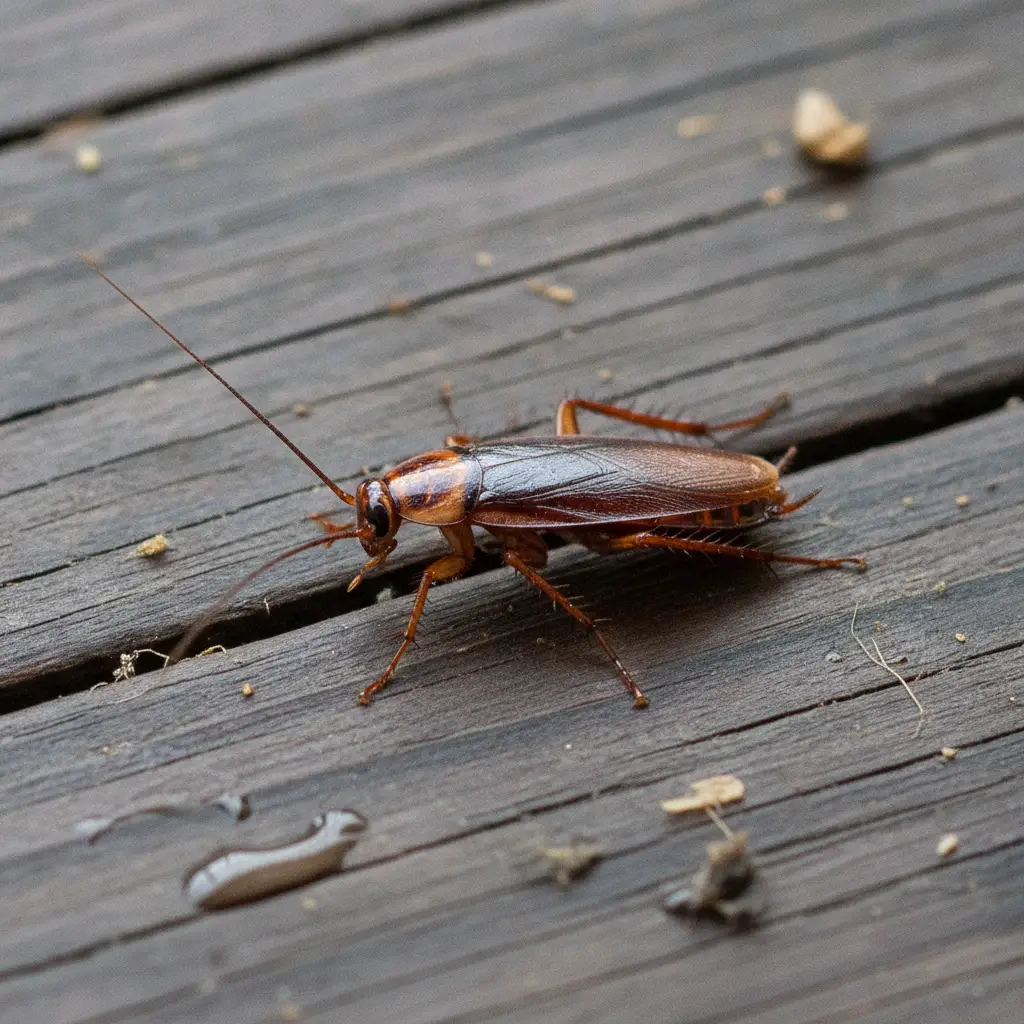
- Crawling Insects: Targeted eradication of Gisborne cockroaches, bed bugs, and fleas.
- Nesting Pests: Safe removal of aggressive paper wasp nests and invasive Argentine ant colonies.
Eco-Friendly and Safe Solutions
Modern professional pest management has evolved significantly from the heavy-handed chemical spraying of the past. Today, the focus is on targeted, environmentally responsible applications that eliminate the root cause of the infestation. Technicians utilize advanced insect growth regulators (IGRs), precision gel baits, and non-toxic monitoring stations to achieve total colony collapse.
Relying on over-the-counter bug bombs or repellent sprays can often worsen an infestation. These products typically only kill the visible pests and can cause the main colony to panic, fracture, and spread deeper into the structural voids of your home.
Safety is always the primary concern when deploying any pest management strategy. Reputable services exclusively use products that are rigorously tested and approved for residential use. Once these targeted treatments have dried, they are entirely safe for households with children and indoor pets, providing peace of mind alongside superior efficacy.
Why Choose Our Professional Yard Services
Perimeter Defense Strategies
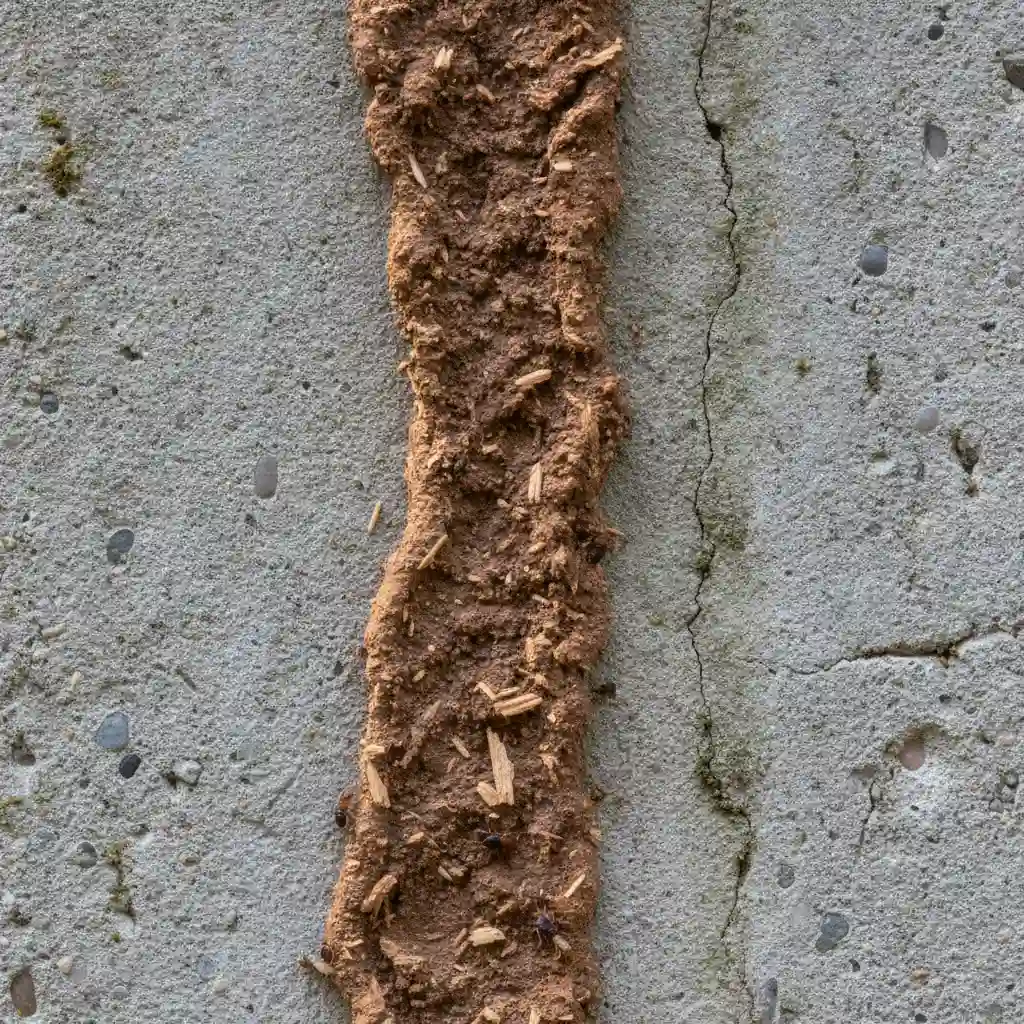
Effective pest management does not begin at the front door; it starts at the very edge of your property line. The yard serves as the critical first line of defense against encroaching insect and rodent populations. Overgrown vegetation, unmanaged compost bins, and accumulated leaf litter create perfect micro-habitats that encourage pests to establish a foothold near your home.
By investing in comprehensive exterior treatments, you create an invisible, protective perimeter around your home’s foundation. Professional yard services focus on identifying and neutralizing these exterior harborages before the pests ever have a chance to migrate indoors. This proactive exterior strategy significantly reduces the need for aggressive indoor chemical applications.
Long-term Property Protection
Keep all organic mulch, firewood stacks, and dense shrubs at least half a meter away from your home’s exterior foundation. This physical buffer zone eliminates bridging opportunities for ants, spiders, and foraging rodents.
Exterior treatments also address specific seasonal threats that make outdoor living spaces unusable. Targeted applications can drastically reduce populations of web-building spiders, aggressive paper wasps, and biting insects. By maintaining a fortified yard perimeter, you ensure that your outdoor entertainment areas remain safe, comfortable, and pest-free throughout the warmer Auckland months.
Key Metrics & Essential Standards
Auckland Pest Reduction Statistics
The efficacy of modern pest control is driven by hard data and strict biosecurity standards. In recent years, New Zealand has made massive strides in ecological protection, and these regional successes heavily influence residential pest management protocols. For example, Auckland Council’s 2025 aerial pest control operations in the Hūnua Ranges yielded unprecedented results, dropping the Rodent Tracking Index (RTI) from nearly 100% down to a staggering 1.34% [1].
These localized Auckland pest control trends demonstrate exactly what is possible when scientifically backed methodologies are deployed at scale. Professional technicians apply these exact same principles of population tracking, targeted baiting, and environmental modification to residential properties. The goal is no longer just temporary symptom suppression, but long-term, sustainable eradication.
Integrated Pest Management (IPM) Protocols
All professional pest control operations in Auckland are strictly governed by the Environmental Protection Authority (EPA) to ensure public safety and ecological preservation.
To consistently achieve these high-level metrics, the industry relies heavily on Integrated Pest Management (IPM). IPM is a comprehensive, multi-tiered approach that prioritizes long-term prevention over immediate chemical reliance. By combining biological knowledge with physical property modifications, IPM delivers superior results while minimizing environmental impact.
| Feature | Integrated Pest Management (IPM) | Traditional Methods |
|---|---|---|
| Primary Focus | Long-term prevention and root-cause elimination. | Short-term, immediate symptom suppression. |
| Chemical Usage | Targeted, minimal application (baits, IGRs). | Broad-spectrum, heavy residual spraying. |
| Environmental Impact | Extremely low; protects non-target species. | High risk of chemical runoff and toxicity. |
| Property Modification | Extensive sealing of entry points and habitat removal. | Rarely addressed; relies solely on pesticides. |
Service Bookings & Quotations
The Inspection and Quoting Process
Securing professional pest eradication should be a transparent, straightforward, and highly educational process. Reputable service providers do not simply offer blind, over-the-phone estimates without understanding the unique nuances of your property. Instead, the quotation process begins with a comprehensive, on-site diagnostic inspection.
During this initial assessment, trained technicians meticulously map out the extent of the infestation. They identify specific pest species, locate hidden nesting sites, and pinpoint the exact structural vulnerabilities that are allowing ingress. This detailed reconnaissance is critical for formulating a treatment plan that guarantees long-term success.
Tailoring a Custom Control Plan
To ensure the most accurate assessment, clear away clutter from your interior skirting boards and ensure the technician has unobstructed access to under-sink plumbing voids and attic manholes.
Following the inspection, you will receive a fully customized quotation outlining the recommended intervention strategies. This document details the specific methodologies to be used, the expected timeline for total eradication, and any necessary follow-up monitoring visits. By tailoring the approach to your exact situation, you are assured of a cost-effective solution that permanently resolves the issue.