Nestled along the scenic banks of the Tamaki River, East Auckland offers a picturesque lifestyle that unfortunately also provides an ideal breeding ground for various invasive species. The combination of lush local reserves, dense residential gardens, and a temperate maritime climate creates a year-round haven for rodents, insects, and arachnids. For local homeowners, managing these environmental pressures requires far more than occasional DIY interventions; it demands a highly strategic, proactive approach.
When searching for reliable Pakuranga pest control, homeowners must look beyond simple extermination and focus on long-term environmental management. The rapid urbanization of the area, combined with fluctuating seasonal temperatures, has led to noticeable spikes in household infestations. Addressing these issues early prevents minor nuisances from escalating into costly structural damage or significant health hazards for your family.
This comprehensive guide explores the unique ecological challenges faced by East Auckland residents and outlines the most effective methodologies for maintaining a safe, hygienic property. From understanding the life cycles of common local invaders to implementing advanced yard defense systems, we will break down exactly what it takes to protect your home. By adopting professional standards, you can ensure your sanctuary remains entirely pest-free.
Key Takeaways
Effective Pakuranga pest control requires a dual approach: securing the home’s interior while establishing robust exterior yard defenses. Because local waterways and reserves naturally harbor rodents and insects, professional quarterly treatments, proactive moisture management, and targeted perimeter sealing are essential for long-term residential protection.
Introduction to Pakuranga Pest Control
The geography of East Auckland makes pest control in Pakuranga an essential year-round priority rather than a seasonal afterthought. Surrounded by waterways, dense native bush, and sprawling suburban parks, the area acts as a natural corridor for wildlife. While this biodiversity is beautiful, it inevitably brings invasive species dangerously close to residential foundations.
Local community initiatives are working tirelessly to restore native bird populations by trapping predatory mammals in public reserves. However, as these public spaces become hostile to pests, rats and mice often migrate into nearby private properties seeking shelter and food. This displacement effect means that residential homes must maintain higher defensive standards to avoid becoming the new nesting grounds.
Recent data highlights a steady increase in callouts for common household invaders across the broader Auckland region. Urban densification and changing weather patterns contribute significantly to these rising numbers. To combat this, modern extermination strategies have shifted from reactive chemical spraying to holistic, integrated management systems.
Understanding the specific behavioral patterns of local species is the first step in reclaiming your space. By analyzing entry points, moisture levels, and food availability, experts can design customized barriers that stop infestations before they breach your walls. Education and proactive maintenance are ultimately your most powerful weapons.
Many local efforts align with the national Predator Free 2050 goal. By securing your own property, you directly contribute to the survival of native species like the tui and piwakawaka in East Auckland.
Residential Pest Treatments and Prevention in Pakuranga
Implementing professional Pakuranga pest control strategies ensures that your living spaces remain hygienic and structurally sound. Residential treatments must be highly targeted, addressing both the immediate infestation and the underlying environmental factors that attracted the pests in the first place. A one-size-fits-all approach is rarely effective against the diverse species found in New Zealand homes.
Combating Rodent Incursions
Rats and mice are notoriously persistent, particularly during the cooler months when they seek warmth inside roof voids and wall cavities. They can squeeze through gaps as small as a ten-cent coin, making comprehensive exclusion work critical. Once inside, they gnaw on electrical wiring, shred insulation for nesting material, and contaminate surfaces with hazardous pathogens.
Effective rodent management relies on a combination of secure baiting stations, mechanical trapping, and rigorous structural sealing. Modern bait stations are tamper-proof, ensuring that children and non-target pets cannot access the active ingredients. Furthermore, identifying and blocking their primary travel routes permanently disrupts their ability to colonize the home.
Rodents constantly gnaw to keep their incisors filed down. If they target electrical wiring in your attic, it can strip the insulation and create a severe, hidden fire risk.
Managing Cockroaches and Ants
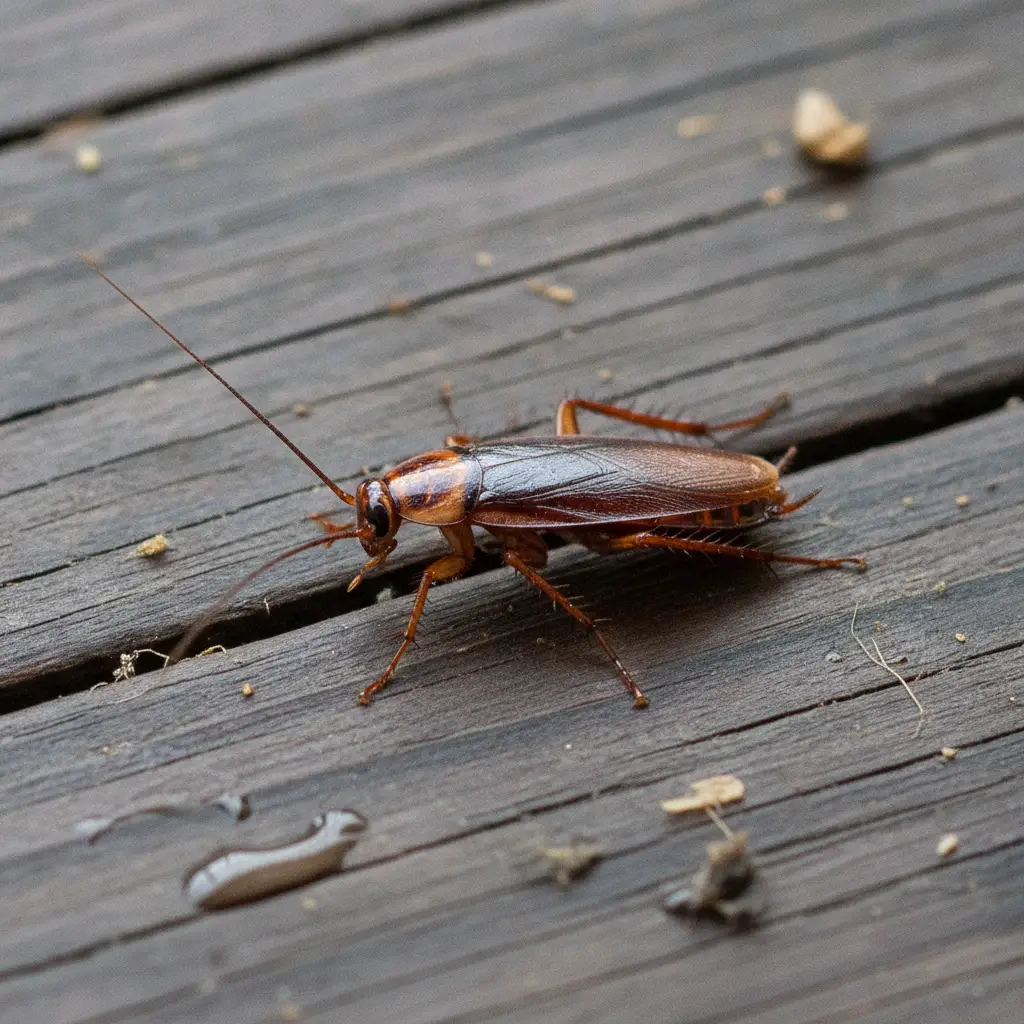
Crawling insects like German cockroaches and Argentine ants are drawn to moisture and microscopic food residues in kitchens and bathrooms. Cockroaches, in particular, are vectors for bacteria like Salmonella and E. coli, posing a direct threat to food safety. They breed rapidly in dark, humid crevices, making them incredibly difficult to eradicate with over-the-counter surface sprays.
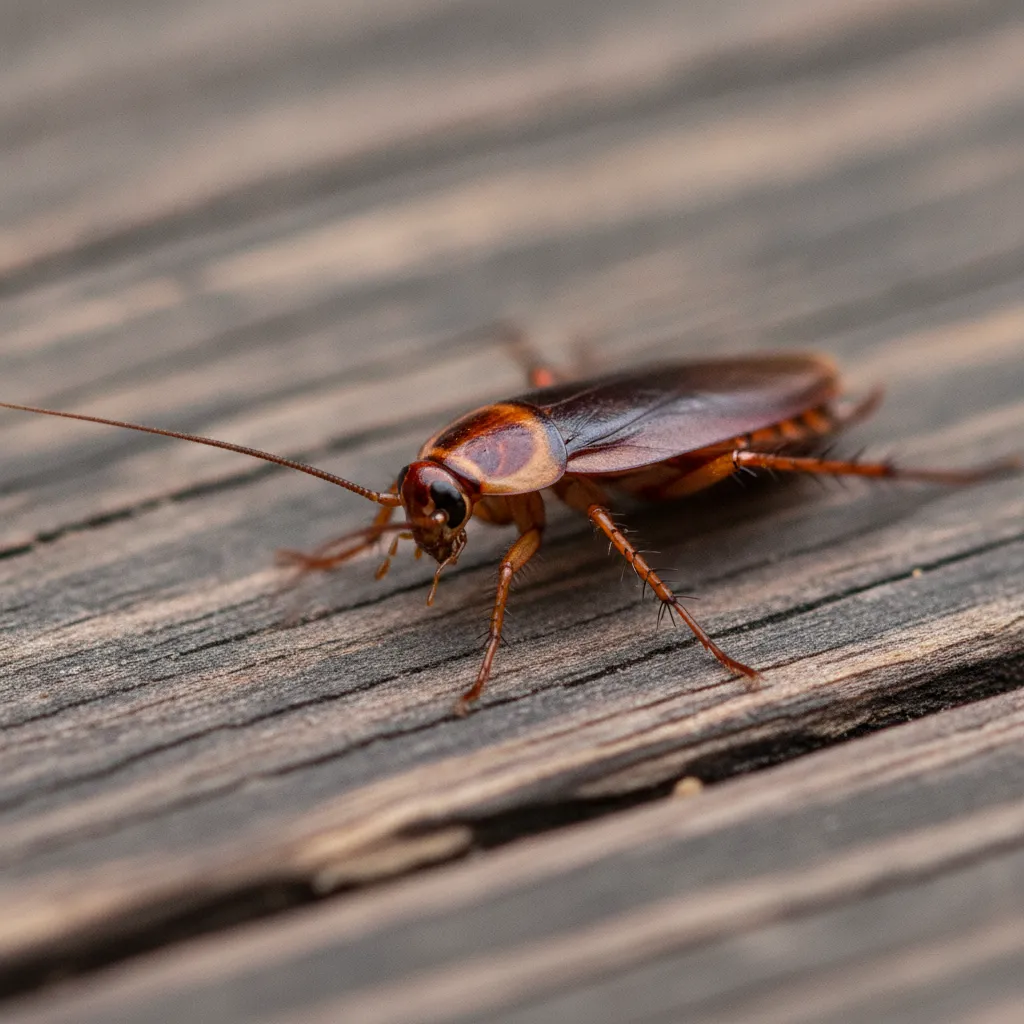
Professional treatments utilize non-repellent insecticidal dusts and highly attractive gel baits. Because these insects groom themselves and share food, the active ingredients are transferred throughout the entire colony, leading to total population collapse. This cascading effect is far superior to simply killing the few insects visible on the surface.
Proactive Prevention Tactics
Eradication is only half the battle; prevention is what sustains a pest-free environment. Homeowners must actively manage their property’s micro-environment to remove the conditions that pests find inviting. This involves a routine checklist of home maintenance tasks.
- Seal all cracks and crevices around the foundation, window frames, and utility pipe penetrations.
- Ensure all sub-floor and attic vents are covered with intact, fine-mesh insect screens.
- Fix leaking taps and improve drainage to eliminate the standing water that attracts thirsty pests.
- Store all pantry items in airtight glass or thick plastic containers to cut off food supplies.
Why Choose Our Professional Yard Services
The foundation of effective pest control in Pakuranga lies in securing the exterior perimeter before invaders ever reach your front door. When you choose our professional yard services, you are investing in a proactive defense shield. Your garden, while beautiful, is a complex ecosystem that naturally harbors a vast array of insects and wildlife.
Overgrown vegetation, unraked leaves, and stacked firewood create perfect microclimates for pests to breed and multiply. Spiders construct webs in dense foliage, while wasps often build their aggressive paper nests in the sheltered eaves of sheds and fences. Without regular exterior management, these populations will inevitably spill over into your living spaces.
Keep all shrubs, trees, and branches trimmed at least one meter away from your home’s exterior walls. This prevents pests from using branches as a “bridge” directly onto your roof.
Establishing a Perimeter Barrier
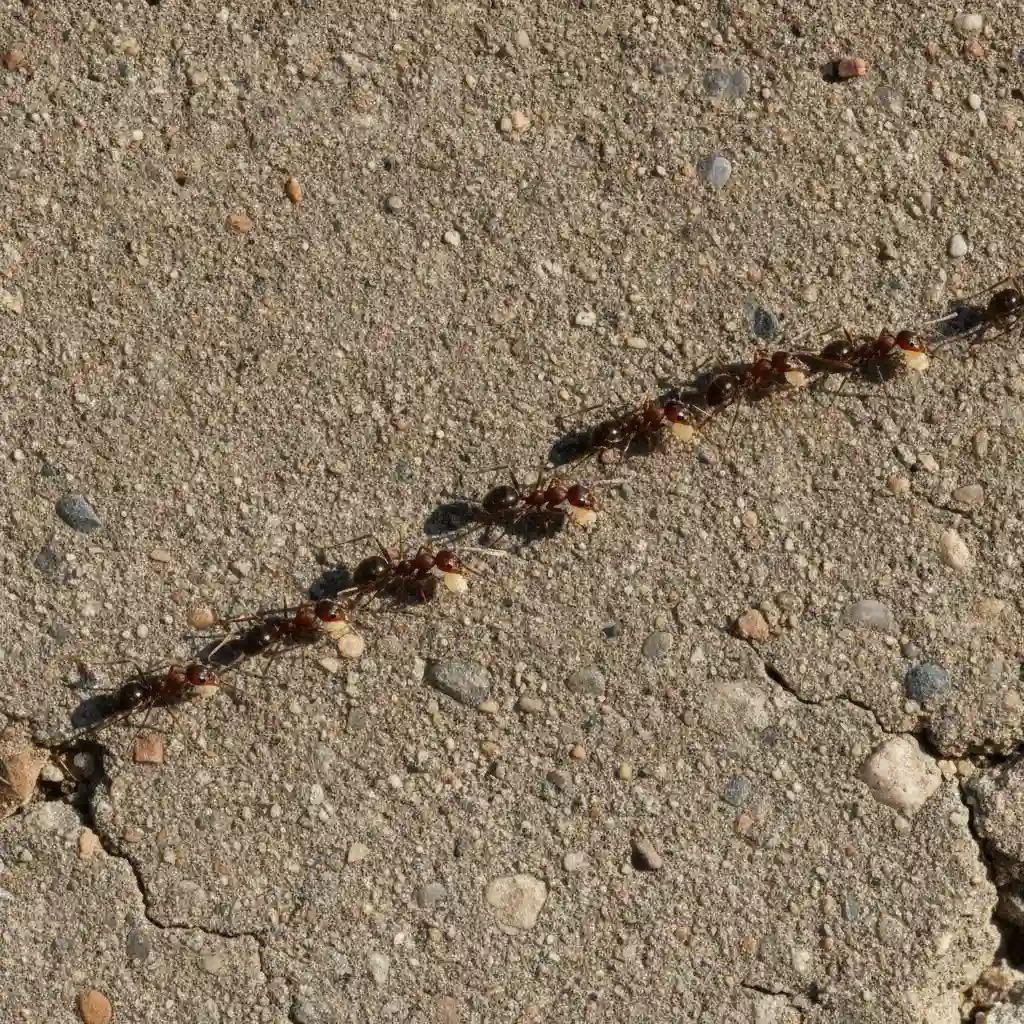
A specialized yard service focuses on establishing a robust chemical and physical barrier around the footprint of the home. Technicians apply targeted, weather-resistant treatments to the foundation, window frames, and doorways. This invisible shield repels crawling insects and disrupts the pheromone trails that ants use to navigate.
Furthermore, exterior baiting systems can intercept rodents as they travel from nearby reserves or waterways toward your property. By monitoring these stations regularly, professionals can gauge the level of pest pressure in the environment. This data allows them to adjust their strategies dynamically, ensuring your property remains protected through every season.
Key Metrics & Essential Standards
Not all extermination methods are created equal. The industry operates under strict regulatory guidelines to protect public health and the delicate New Zealand environment. High-quality services are defined by their adherence to safety protocols, the efficacy of their products, and their commitment to long-term results.
Modern formulations are highly specific, designed to target the biology of the pest while remaining entirely safe for mammals. This means that once a treatment has dried, it poses no risk to your children or household pets. Furthermore, professional-grade products are designed to withstand UV degradation and rain, offering months of continuous protection.
When evaluating different approaches, it is helpful to compare the immediate and long-term benefits of professional intervention versus standard retail products. The table below outlines the stark contrasts in efficacy, safety, and overall value.
| Feature | DIY Retail Products | Professional Standards |
|---|---|---|
| Chemical Efficacy | Low concentration, highly repellent (scatters the nest). | High concentration, non-repellent (destroys the colony). |
| Safety Profile | Often misused, leading to accidental inhalation or pet exposure. | EPA-approved, precisely applied by trained technicians. |
| Longevity | Breaks down quickly in sunlight; lasts 1-2 weeks. | Micro-encapsulated formulas last 3-6 months. |
| Root Cause Analysis | None. Treats only visible symptoms. | Comprehensive property audit to find nesting sites. |
Service Bookings & Quotations
Before finalising any Pakuranga pest control service, understanding the assessment and quotation process ensures complete transparency. A reputable provider will never offer a blind quote without first understanding the specific dimensions and challenges of your property. Every home requires a bespoke strategy based on its unique environmental factors.
The process begins with a comprehensive site inspection. A trained specialist will evaluate the interior rooms, the roof void, the sub-floor, and the exterior perimeter. They are looking for subtle signs of activity, such as droppings, grease marks, shed skins, or structural damage that indicates a hidden nest.
To maximize the effectiveness of a scheduled visit, ensure all floors are vacuumed, pet bowls are put away, and clutter is removed from the edges of the walls.
Understanding the Value of Your Quote
Quotations are generally calculated based on the square meterage of the property, the severity of the active infestation, and the specific types of pests being targeted. For example, eradicating a deeply entrenched German cockroach infestation requires more intensive labor and specialized baits than a standard preventative perimeter spray.
A detailed quote should clearly outline the scope of work, the specific products to be used, and the expected timeline for eradication. It should also include information regarding follow-up visits or service guarantees. By investing in a comprehensive, professional plan, you save significant money and stress by avoiding repeated, failed DIY attempts.