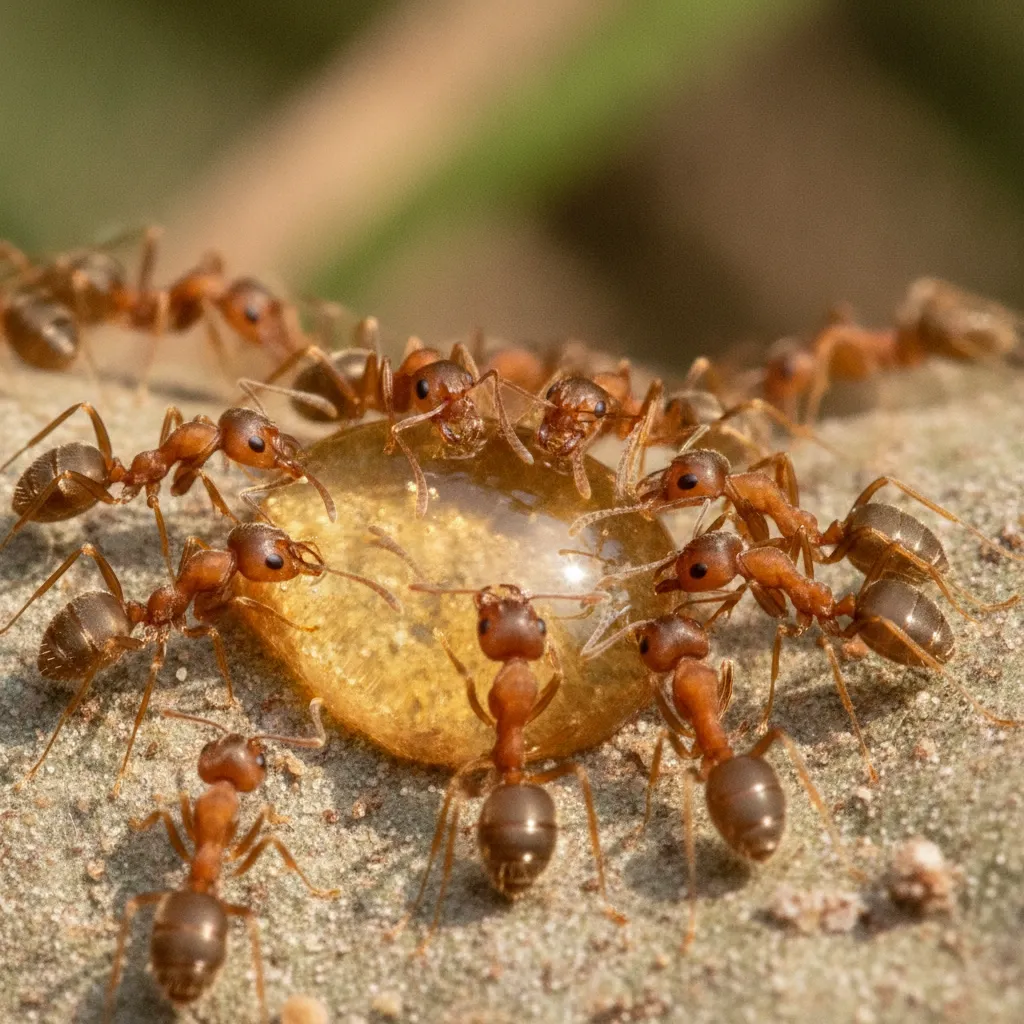
South Auckland’s vibrant urban expansion and unique subtropical climate make it an ideal environment for both residents and unwanted pests. Whether it is the humid summers encouraging ant colonies or the cooler winters driving rodents indoors, effective Manukau Pest Control is an ongoing necessity. Property owners must remain vigilant against a constantly shifting landscape of urban wildlife and invasive insects.
Understanding local pest behaviour is the first step toward safeguarding your property. From residential homes in Papatoetoe to large industrial warehouses near the airport, the structural integrity and hygiene of buildings are constantly under threat. Implementing professional, targeted solutions ensures that minor infestations do not escalate into costly structural damage or health hazards.
The consequences of ignoring early warning signs can be severe, ranging from compromised electrical systems to the rapid spread of foodborne illnesses. By partnering with knowledgeable experts, you can establish a robust defensive perimeter around your valuable assets. Proactive management always outweighs the exorbitant costs of reactive extermination and structural repairs.
Key Takeaways
Effective Manukau Pest Control requires year-round vigilance tailored to South Auckland’s climate. Protecting your property involves Integrated Pest Management, strict adherence to Auckland Council’s biosecurity standards, and targeted treatments for seasonal threats like rodents, cockroaches, and ants.
Industrial and Residential Pest Control Services in Manukau
Navigating the complexities of Manukau Pest Control requires a tailored approach that addresses the specific needs of different property types. Residential and commercial environments present entirely distinct challenges, vulnerabilities, and regulatory requirements. A nuanced strategy is essential for long-term success.
Residential Pest Challenges
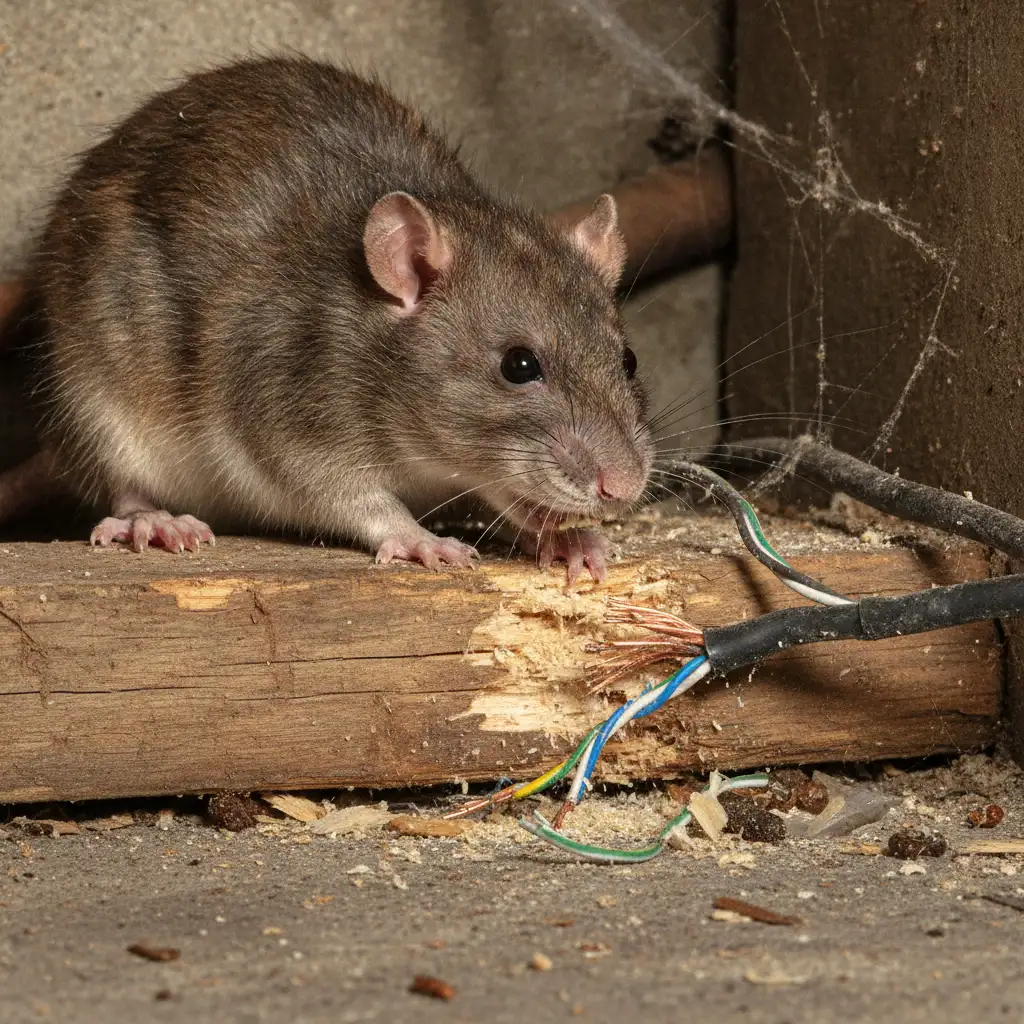
Homes in South Auckland frequently battle seasonal invaders that seek food, water, and shelter. During the cooler months, rats and mice are notorious for infiltrating roof cavities, wall voids, and subfloors. These rodents not only spread pathogens but also pose severe fire risks by gnawing through electrical wiring.
In the warmer months, the focus shifts to insect management. German and American cockroaches thrive in the damp, warm conditions found in residential kitchens and bathrooms. Meanwhile, Argentine ants and white-footed house ants can quickly overrun pantries and outdoor entertainment areas, requiring immediate and sustained intervention.
Spiders, particularly the White-tail spider, are another common concern for families across the region. Because White-tails are wandering hunters that prey on other spiders, their presence often indicates a broader insect issue within the home. Targeted interior treatments combined with meticulous web removal can dramatically reduce their numbers.
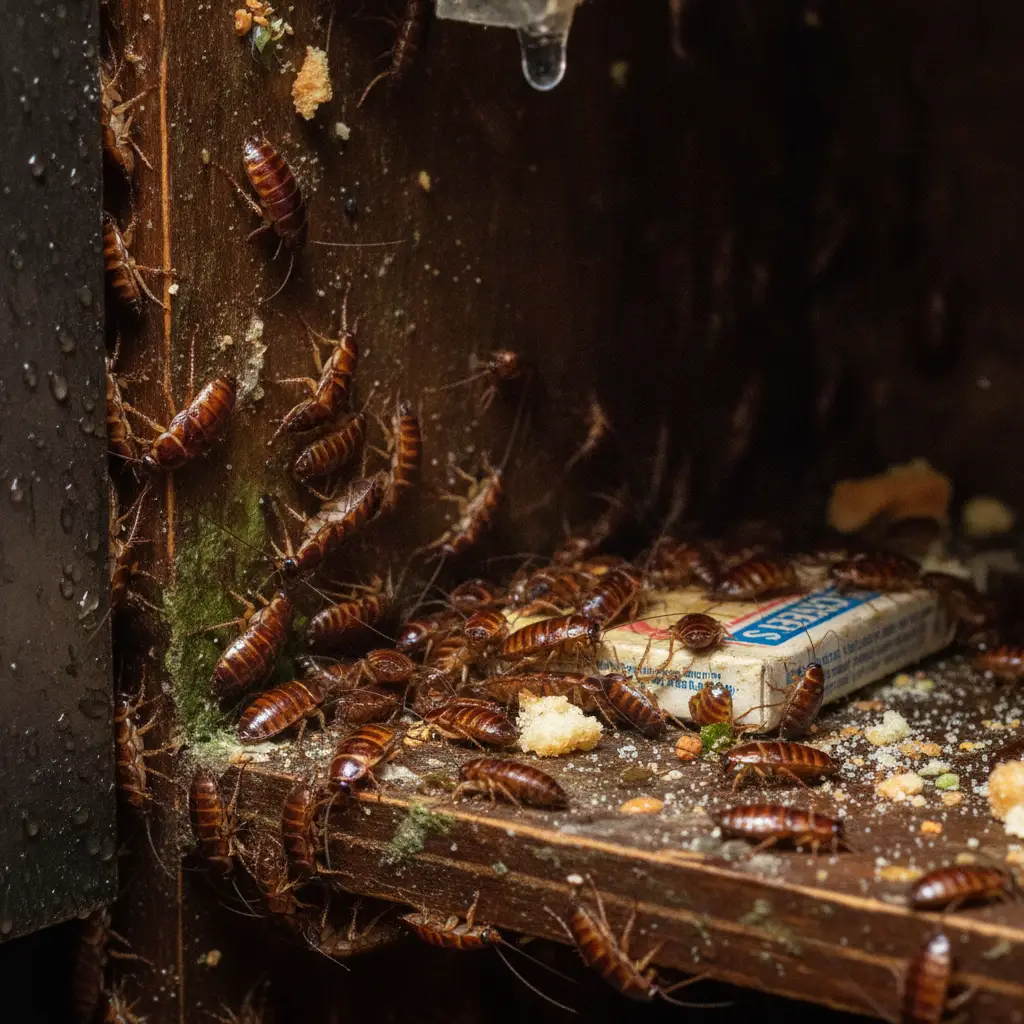
Additionally, the rise in global travel and dense urban living has seen a resurgence in bed bug infestations across Auckland. These resilient parasites hitchhike on luggage and clothing, quickly establishing themselves in mattresses and bedroom furniture. Because they can survive for months without a blood meal, DIY treatments are almost universally ineffective.
Flea infestations also present a rapid-onset crisis for homeowners, particularly those with pets. A few fleas brought in from the yard can multiply into thousands within a matter of weeks. Professional interventions utilize insect growth regulators (IGRs) to disrupt the flea life cycle, ensuring that eggs and larvae are eradicated alongside biting adults.
Seal all foundational cracks and install weather stripping around doors before autumn to prevent rodents from seeking winter shelter inside your home.
Commercial and Industrial Solutions
Industrial zones and commercial facilities face an entirely different scale of pest pressure. Warehouses, food processing plants, and retail centers in Manukau must adhere to strict health and safety regulations. A single pest sighting can result in failed audits, damaged reputations, or contaminated inventory.
Professional pest control in Manukau for commercial entities relies heavily on preventative monitoring and robust exclusion techniques. Routine inspections and the strategic placement of bait stations are critical for maintaining a pest-free perimeter. Documentation and reporting are just as important as the physical treatments in these highly regulated environments.
For facilities involved in food manufacturing or storage, compliance with Hazard Analysis and Critical Control Point (HACCP) standards is non-negotiable. Pest control programs in these environments must be meticulously documented. Technicians maintain detailed logbooks of bait station activity, chemical usage, and structural vulnerabilities to satisfy third-party auditors.
Logistics and shipping hubs face the unique challenge of intercepting transient pests. Goods arriving from overseas or other regions can inadvertently introduce exotic species. Consequently, loading docks and staging areas require aggressive monitoring protocols to prevent these hitchhikers from establishing a local foothold.
Failure to maintain adequate pest control in food-grade industrial facilities can lead to immediate closure by health inspectors and severe financial penalties.
Why Choose Professional Yard Services
The exterior of your property acts as the first line of defense against invasive species. Effective Manukau Pest Control extends far beyond the interior walls, encompassing comprehensive yard and perimeter management. Overgrown vegetation, stagnant water, and accumulated debris create perfect breeding grounds for pests.
Integrated Pest Management (IPM)
Modern pest control relies on the principles of Integrated Pest Management (IPM). This scientifically backed methodology prioritizes long-term prevention over reactive chemical spraying. By altering the outdoor environment, professionals can drastically reduce the carrying capacity for pests like rodents and mosquitoes.
IPM involves a combination of biological, cultural, physical, and chemical tools. For example, trimming tree branches away from the roofline removes a natural bridge for rats and spiders. Similarly, eliminating standing water disrupts the breeding cycle of mosquitoes, naturally lowering their localized population.
Soil treatments and perimeter barrier sprays also play a crucial role in IPM. By establishing an invisible, non-repellent chemical barrier around the foundation, technicians can intercept crawling insects before they ever breach the building envelope. This proactive stance keeps the interior pristine.
Regularly clear leaf litter, ensure gutters are unblocked, and store firewood at least 20 feet away from your home’s foundation to deter nesting.
Environmental Considerations
Auckland Council’s Regional Pest Management Plan (RPMP) places a strong emphasis on protecting native biodiversity. Professional yard services align with these goals by utilizing eco-friendly treatments that target invasive species without harming native flora and fauna. Responsible application techniques ensure that run-off does not contaminate local waterways.
By choosing targeted baiting and trapping methods over broad-spectrum pesticides, property owners contribute to the broader Predator Free 2050 initiative. This environmentally conscious approach is not just about regulatory compliance; it is about sustainable land stewardship. It ensures that your immediate environment remains safe for pets, children, and native wildlife.
Key Metrics & Essential Standards
Understanding the data behind pest behavior helps in formulating highly effective eradication strategies. Seasonal shifts in temperature and humidity directly correlate with the types of pests encountered by Manukau Pest Control professionals. Tracking these metrics ensures resources are deployed efficiently.
To illustrate these trends, we have synthesized regional data reflecting the seasonal spikes of common pests in South Auckland. This data underscores the necessity of year-round vigilance rather than seasonal complacency. As the chart demonstrates, different threats peak at entirely different times of the year.
Auckland Council RPMP Compliance
Adhering to the Auckland Council’s Regional Pest Management Plan (RPMP) 2020-2030 is essential for any pest management strategy. The plan mandates the control of specific invasive species to protect native ecosystems, the economy, and public health. Property owners have a legal responsibility to ensure that declared pest plants and animals do not spread from their land.
Professional technicians are trained to identify these restricted species and apply approved eradication protocols. Community-led conservation is a major pillar of the council’s strategy, and professional pest controllers often work in tandem with these local initiatives. By suppressing predator numbers in private urban spaces, homeowners directly support the survival of native birds.
The ambitious Predator Free 2050 goal relies heavily on the combined efforts of private citizens, businesses, and government bodies. When you invest in professional pest eradication for your property, you are actively contributing to the nationwide eradication of stoats, rats, and possums. Compliance is both a legal duty and a community service.
The Auckland Council is continually updating the RPMP to address emerging threats, ensuring long-term environmental resilience and biosecurity across the region.
Treatment Methods Comparison
Different pests require vastly different intervention strategies. A one-size-fits-all spray is rarely effective against a diverse ecosystem of intruders. Below is a breakdown of standard treatment protocols used in effective pest management.
| Pest Type | Primary Treatment Method | Prevention Strategy |
|---|---|---|
| Rodents (Rats & Mice) | Tamper-proof bait stations and trapping | Structural exclusion and strict sanitation |
| Cockroaches | Gel baits and insect growth regulators (IGRs) | Moisture control and deep kitchen cleaning |
| Ants | Non-repellent perimeter sprays and granular baits | Sealing entry points and removing food sources |
| Wasps | Direct nest dusting and physical removal | Early spring yard inspections and cavity sealing |
Service Bookings & Quotations
Understanding how the assessment and quotation process works ensures that property owners can make informed decisions regarding their Manukau Pest Control needs. Transparency in methodology and pricing is a hallmark of industry-standard service. Professional firms prioritize clear communication from the very first consultation.
How the Assessment Process Works
The journey to a pest-free property begins with a comprehensive site inspection. Technicians evaluate the interior and exterior of the premises to identify active infestations, potential entry points, and conducive environmental factors. This diagnostic phase is critical because it ensures that treatments are accurately targeted.
Following the inspection, a detailed report is generated. This document outlines the specific pest pressures identified, the proposed treatment plan, and any structural recommendations required to prevent future incursions. Guesswork leads to ineffective applications and recurring infestations, whereas a data-driven assessment guarantees long-term efficacy.
Factors Influencing Cost
The cost of professional pest management is rarely a one-size-fits-all figure. Several variables dictate the final quotation, ensuring that the proposed solution is proportionate to the problem at hand.
- Property Size: Larger homes or expansive industrial facilities require more time, labor, and materials to treat effectively.
- Severity of Infestation: A minor, localized ant problem will cost significantly less to resolve than a deeply entrenched, multi-generational rat infestation.
- Treatment Type: Specialized treatments, such as heat treatments for bed bugs or extensive exclusion work for rodents, carry different price points than standard perimeter sprays.
- Ongoing Management: Commercial properties often require ongoing, contracted monitoring services, which are priced differently than one-off residential emergency call-outs.
Warranties and Follow-Up Visits
A reputable pest management strategy always includes provisions for follow-up and monitoring. Eradicating a severe infestation often requires multiple visits to break the breeding cycle completely. Professional technicians will schedule these follow-ups to monitor bait consumption and reapply treatments if necessary.
Service guarantees or warranties provide peace of mind that the issue will be resolved without hidden costs. If pests return within a specified timeframe, technicians will typically retreat the affected areas at no additional charge. By understanding these factors, property owners can accurately budget for essential maintenance and ensure their spaces remain safe year-round.