Nestled between the bustling urban sprawl of Auckland and the lush, untamed beauty of the Waitākere Ranges, New Lynn presents a unique ecological crossroads. This vibrant suburb is a haven for families and businesses alike, but its geographical positioning also makes it a prime target for unwanted wildlife. When heavy winter rains saturate the surrounding native bush, a predictable migration occurs as insects and rodents seek the warmth and shelter of residential properties.
Ignoring the early signs of an infestation in this climate is a risky gamble. What begins as a few isolated ant trails in the kitchen or a single scratching sound in the ceiling can rapidly escalate into a full-scale invasion. Protecting your property requires more than just reactive measures; it demands a comprehensive understanding of local pest behaviors and seasonal cycles.
This is where effective New Lynn Pest Control becomes an essential component of property maintenance. By implementing targeted, science-backed strategies, property owners can safeguard their homes against structural damage and health risks. Let’s explore the critical standards, treatments, and preventative measures required to maintain a safe, pest-free environment in West Auckland.
Key Takeaways
Effective New Lynn Pest Control relies on proactive, seasonal management to combat pests migrating from the nearby Waitākere Ranges. Success requires integrated treatments targeting both interior nesting sites and exterior yard perimeters. Professional standards prioritize environmental safety, structural protection, and long-term prevention over temporary chemical fixes.
Understanding the Landscape of Pest Management
West Auckland’s unique topography plays a massive role in the types of pests that frequent residential neighborhoods. The area experiences high humidity levels and generous rainfall, creating the perfect breeding ground for moisture-loving insects. Furthermore, the extensive network of local parks and reserves acts as a natural reservoir for both native and introduced species.
When temperatures drop in late autumn, these outdoor populations seek refuge. Homes with poorly sealed subfloors, unmaintained roof cavities, and dense perimeter vegetation become immediate targets. Understanding this seasonal migration is the cornerstone of any reliable defense strategy.
The Hidden Costs of Ignoring Infestations
Many property owners underestimate the sheer destructive power of a seemingly minor pest issue. Rodents, for instance, must constantly gnaw to keep their incisors filed down. This biological necessity leads them to chew through electrical wiring, PVC plumbing pipes, and structural timber.
Beyond physical damage, the health implications are severe. Cockroaches and rodents are notorious vectors for pathogens, contaminating food preparation surfaces as they forage at night. The longer an infestation is allowed to fester, the more expensive and complex the eventual remediation becomes.
Rats chewing through electrical wiring in roof voids are a leading cause of unexplained residential electrical fires in New Zealand. Never ignore scratching sounds coming from your ceiling.
Effective Residential and Commercial Pest Treatments
Modern pest management has evolved far beyond indiscriminately spraying harsh chemicals around a property. Today, the focus is on Integrated Pest Management (IPM). This methodology combines biological knowledge, environmental modification, and targeted treatments to achieve long-lasting results.
Implementing thorough New Lynn Pest Control requires a tailored approach for different species. What works perfectly for a wasp nest will be entirely ineffective against a subterranean termite colony. Specialized knowledge of local species is non-negotiable.
Combating Rodents: Rats and Mice
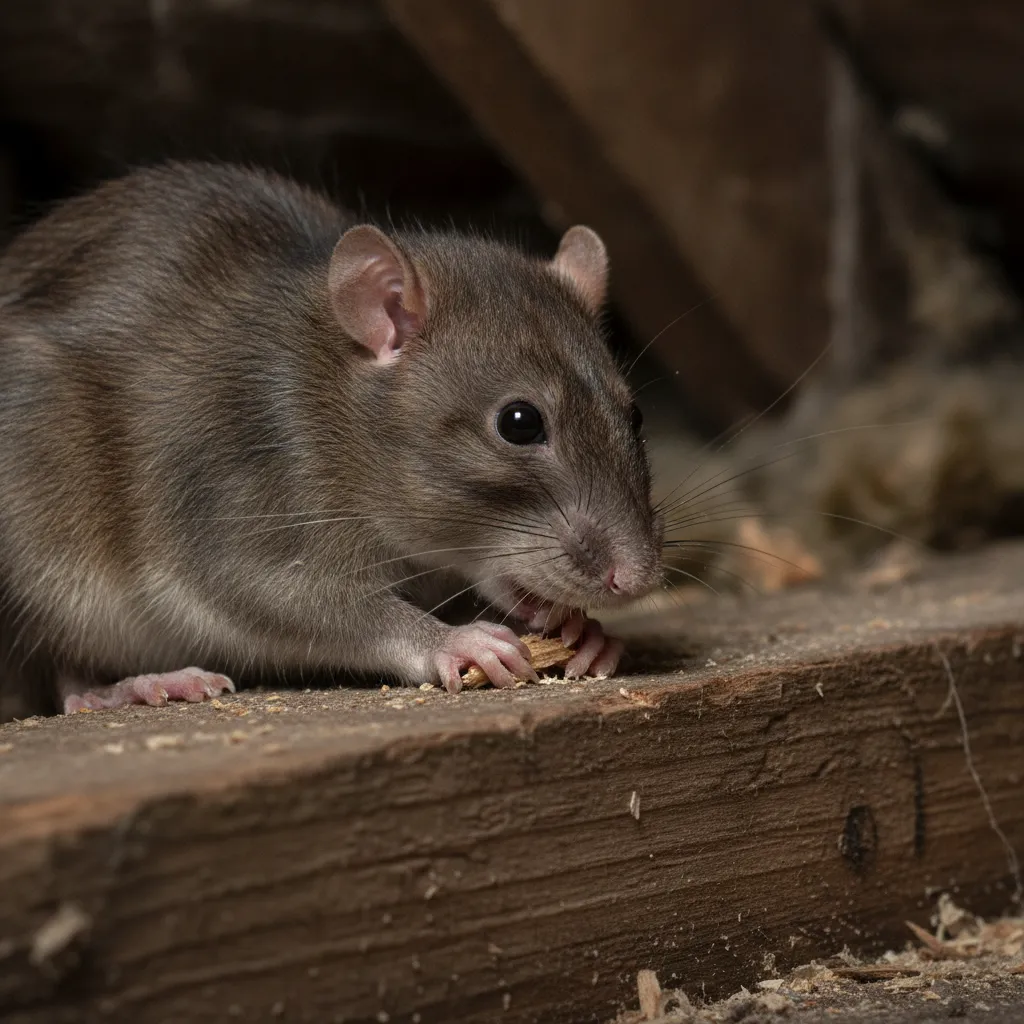
The Norway rat and the Roof rat are the two primary mammalian culprits causing headaches for local residents. Roof rats are exceptional climbers, often utilizing overhanging tree branches to access gutters and roof voids. Once inside, they shred insulation to build warm, secure nests.
Effective rodent control involves a multi-tiered defense. This includes strategically placing lockable, tamper-proof bait stations around the exterior perimeter to intercept them before they enter. Inside the home, mechanical traps and exclusion techniques are utilized to safely remove existing populations without risking secondary poisoning to household pets.
Managing Crawling Insects: Cockroaches and Ants
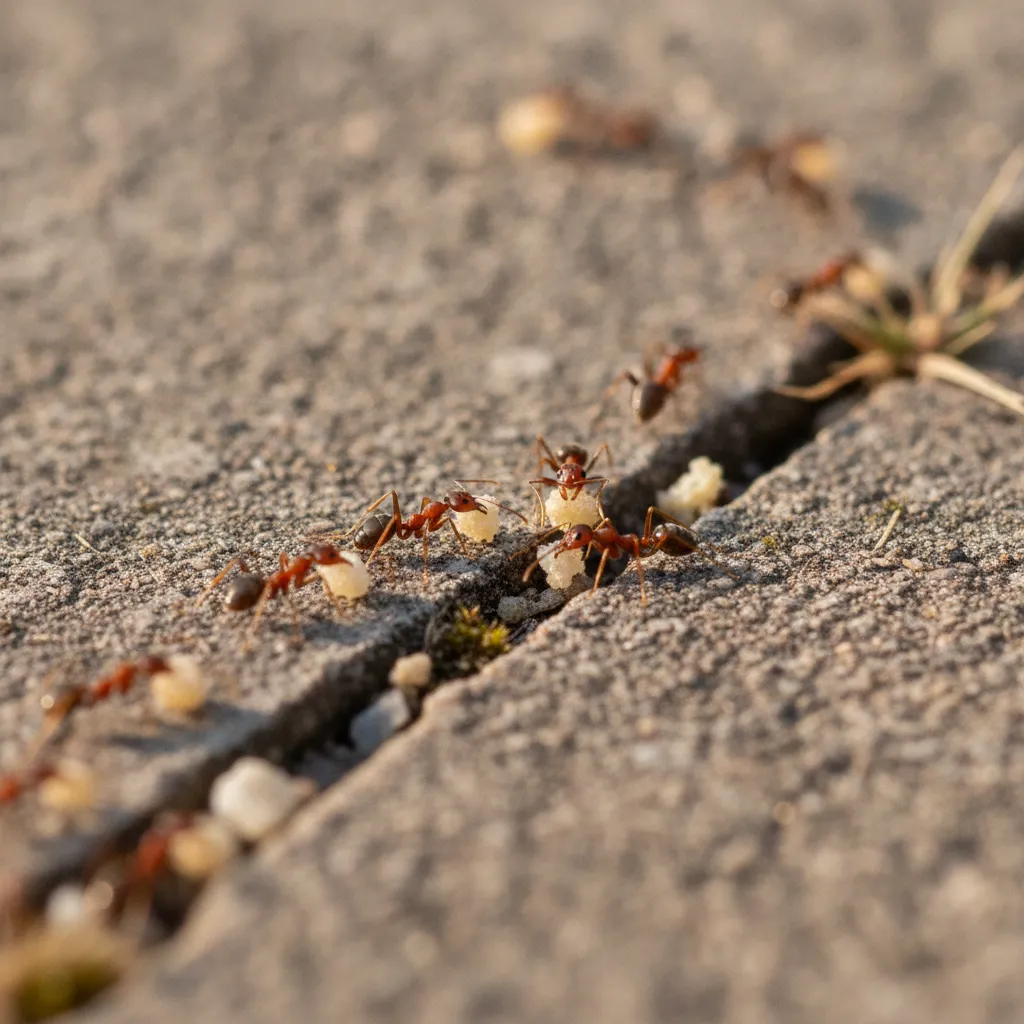
Ants in Auckland, particularly the Argentine ant and the White-footed house ant, are notorious for forming massive super-colonies. These networks can span across multiple properties, making isolated treatments highly ineffective. Professional management utilizes non-repellent baits that foraging ants carry back to the nest, effectively destroying the colony from the inside out.
Cockroaches present a different challenge. The German cockroach thrives in warm, humid indoor environments like kitchens and bathrooms. They breed at an astonishing rate, hiding behind appliances and inside cabinetry crevices. Eradication requires precision gel baits and insect growth regulators to break their rapid lifecycle.
The Gisborne Cockroach Phenomenon
The Gisborne cockroach is a frequent, albeit frightening, visitor to West Auckland homes. Unlike their German cousins, they are primarily an outdoor species that prefers hiding under peeling bark and damp leaf litter. They usually only venture indoors when heavy rains flood their natural habitats.
Because they do not typically breed inside, treating the interior alone is a temporary fix. The true solution lies in addressing the exterior environment, creating a barrier that prevents their initial entry.
Cockroaches require a constant water source to survive. Fixing leaky under-sink pipes and improving subfloor ventilation will dramatically reduce the attractiveness of your home to these pests.
Commercial Pest Management Strategies
For businesses operating in New Lynn, particularly those in the hospitality and food processing sectors, pest control is heavily regulated. A single sighting of a rodent or cockroach can lead to severe health department penalties, loss of stock, and irreparable brand damage.
Commercial strategies involve rigorous, scheduled monitoring and detailed documentation. Bait stations are mapped, and activity logs are strictly maintained to comply with stringent food safety auditing standards. Preventative maintenance is the primary focus, ensuring zero tolerance for pest activity.
Commercial food premises must adhere to the Food Act 2014, which mandates documented pest management plans. Regular professional audits ensure compliance and protect public health.
Why Choose Professional Yard Services
A home is only as secure as its surrounding environment. Many property owners mistakenly focus entirely on the interior of their house, neglecting the yard where pests actually originate and breed. Comprehensive New Lynn Pest Control must extend to the property boundaries.
Professional yard services aim to identify and eliminate harborage zones. By altering the landscape to make it less hospitable to insects and rodents, you drastically reduce the population pressure on your physical dwelling.
Exterior Perimeter Defense
Establishing an exterior perimeter defense involves applying targeted, weather-resistant barriers around the foundation of the home. This includes treating the subfloor vents, window frames, and door thresholds. Granular baits may also be dispersed in specific garden beds to target nesting ant colonies before they migrate.
This proactive barrier acts as an invisible shield. When foraging insects cross this treated zone, they absorb the active ingredients. This method is highly effective in intercepting seasonal swarms of spiders and cockroaches.
Addressing Overgrown Vegetation
Dense, unkempt gardens are paradise for urban wildlife. Overhanging tree branches provide a direct superhighway for rodents to access your roof, completely bypassing ground-level defenses. Similarly, thick ground cover and accumulated leaf litter retain moisture, creating ideal breeding conditions for mosquitoes and Gisborne cockroaches.
Strategic pruning and debris removal are critical non-chemical interventions. By creating physical distance between vegetation and the exterior walls of the home, you instantly decrease vulnerability.
Ensure all tree branches are trimmed at least two meters away from your roofline. Clear away piles of dead wood and keep compost bins tightly sealed to eliminate rodent nesting sites.
Key Metrics & Essential Standards
The pest management industry in New Zealand is governed by strict safety and environmental protocols. Reputable operators adhere to the standards set by the Pest Management Association of New Zealand (PMANZ) and the Environmental Protection Authority (EPA). These frameworks ensure that treatments are effective without compromising public health.
When evaluating New Lynn Pest Control options, it is vital to understand these underlying metrics. High standards guarantee that the products used are applied at the correct dosages and in the safest possible manner, protecting both your family and local non-target wildlife.
Safety and Environmental Compliance
Modern formulations are designed to be highly specific to the biology of the target pest. For example, many insect growth regulators (IGRs) work by preventing juvenile insects from molting into breeding adults. Because mammals do not molt, these treatments possess an incredibly low toxicity profile for humans and pets.
Furthermore, environmental stewardship is a key priority. Care must be taken to prevent runoff into local waterways, particularly in West Auckland where stream health is closely monitored by the Auckland Council. Professional application techniques ensure zero environmental contamination.
- Targeted Application: Utilizing crack-and-crevice treatments rather than broad-spectrum airborne sprays.
- Secure Baiting: Mandating the use of lockable, heavy-duty bait stations to prevent access by dogs, cats, and native birds.
- Integrated Tactics: Prioritizing physical exclusion and habitat modification before resorting to chemical controls.
Tracking Pest Activity Trends
Understanding the seasonal ebb and flow of pest activity is crucial for timing preventative treatments. In Auckland, rodent complaints historically peak during the late autumn and winter months as temperatures drop. Conversely, crawling insect activity surges during the humid summer season.
By analyzing these trends, property owners can schedule preemptive interventions. Treating for rodents in April, just before the winter rush, is far more efficient than waiting for an established infestation in July.
Service Bookings & Quotations: What to Expect
Navigating the process of securing professional property protection should be transparent and straightforward. A reputable service provider will prioritize a thorough assessment before prescribing any chemical solutions. This diagnostic phase is critical for accurate pricing and guaranteed results.
Property owners should expect a detailed breakdown of the proposed methodology, the expected timeline for eradication, and the specific warranties associated with the work. Ambiguous quotes often lead to incomplete treatments and recurring problems.
The Inspection Process
A comprehensive inspection begins with an interview to understand the property owner’s specific concerns and observations. Following this, a meticulous physical examination of the premises is conducted. This includes checking high-risk zones such as the subfloor, roof void, kitchen cabinetry, and exterior drainage systems.
The goal is to identify not just the primary pest, but also the environmental factors facilitating their presence. Identifying a leaky pipe that is sustaining a cockroach population is just as important as identifying the cockroaches themselves.
Comparing Treatment Plans
Different properties require different levels of intervention. While a targeted single-species treatment might suffice for a newly established wasp nest, an older home bordering a bush reserve will likely require a comprehensive, multi-species protection plan.
Understanding the scope and limitations of various service tiers ensures that expectations align with reality. Always review the warranty conditions, as biological factors occasionally necessitate a secondary follow-up application.
| Service Tier | Target Pests | Inspection Scope | Typical Warranty |
|---|---|---|---|
| Targeted Eradication | Single species (e.g., Wasps or Fleas) | Specific nest location or localized interior zone | 30 Days |
| Standard Residential | Ants, Cockroaches, Spiders | Interior baseboards, wet areas, and exterior perimeter | 3 to 6 Months |
| Comprehensive Protection | All crawling insects + Rodents | Full property, roof void, subfloor, and yard perimeter | 12 Months |