Maintaining a pristine and professional work environment is paramount for any business in Auckland. However, the bustling urban landscape and its surrounding natural beauty also bring an unwelcome challenge: office pests. From tiny ants to scurrying rodents, these invaders can compromise hygiene, damage property, and severely tarnish a company’s reputation. Proactive and discreet office pest management is not just a convenience; it is a critical investment in the health, safety, and productivity of your workspace.
This comprehensive guide delves into the specifics of office building pest management in Auckland, offering insights into common pests, effective treatment strategies, and robust prevention methods. Our goal is to equip Auckland businesses with the knowledge and tools necessary to maintain a truly professional and pest-free commercial space, ensuring peace of mind for employees, clients, and visitors alike.
Office pest control Auckland involves a specialized set of strategies designed to identify, eliminate, and prevent pest infestations in commercial buildings, ensuring a hygienic, safe, and professional environment for employees and clients. It encompasses tailored treatments and ongoing prevention plans crucial for maintaining business integrity and operational continuity in the region.
The Unseen Threat: Common Office Pests in Auckland and Their Impact
Auckland’s diverse environment, from its temperate climate to its busy commercial hubs, creates ample opportunities for various pests to infiltrate office buildings. Understanding the common culprits and the specific threats they pose is the first step in effective management.
Rodents: More Than Just a Nuisance
Rats and mice are among the most persistent and destructive office pests. Beyond their unsettling presence, rodents carry numerous diseases that can be transmitted to humans through their droppings, urine, or bites. In an office setting, this poses significant health risks to employees and can lead to severe food contamination if a kitchen area is present. Furthermore, rodents are notorious for gnawing through electrical wiring, plumbing, and structural elements, leading to costly property damage, fire hazards, and potential operational downtime. Their presence can severely damage a company’s professional image and create an uncomfortable work environment.
Cockroaches: The Ultimate Unwelcome Guests
Cockroaches are resilient, fast-reproducing, and highly adaptable pests that thrive in commercial environments, especially those with food preparation areas. They are carriers of bacteria and pathogens, capable of contaminating surfaces, food, and equipment. An infestation can lead to significant health code violations, allergic reactions, and the spread of illnesses like salmonella and E. coli. For an office, even a single sighting can cause alarm, severely impacting employee morale and client perception, suggesting poor hygiene standards.
Ants: Persistent Invaders
While often perceived as merely annoying, ants in an office can quickly become a major problem. They are attracted to food crumbs, spills, and moisture, establishing intricate colonies within walls, ceilings, and even electronic equipment. Beyond food contamination, some species can bite, and their sheer numbers can be highly disruptive to employees. A persistent ant problem indicates potential sanitation issues and can be particularly embarrassing when clients visit.
Spiders and Other Insects: Beyond the Creepy-Crawly
While less directly damaging than rodents or cockroaches, spiders, flies, and other occasional invaders can still detract from a professional office environment. Spiders can create unsightly webs, and their presence can cause phobias among employees. Flies, particularly in breakrooms or near entrances, are unhygienic and irritating. Consistent sightings of any insect can give the impression of a poorly maintained space.
Birds: Aerial Pests
Though not typically found inside the office space itself, birds nesting on ledges, roofs, or within ventilation systems can pose significant problems. Their droppings are highly corrosive, damaging building exteriors and vehicles, and carry numerous pathogens, leading to potential health risks when carried into ventilation systems. Their nesting materials can also clog gutters and drains, leading to water damage.
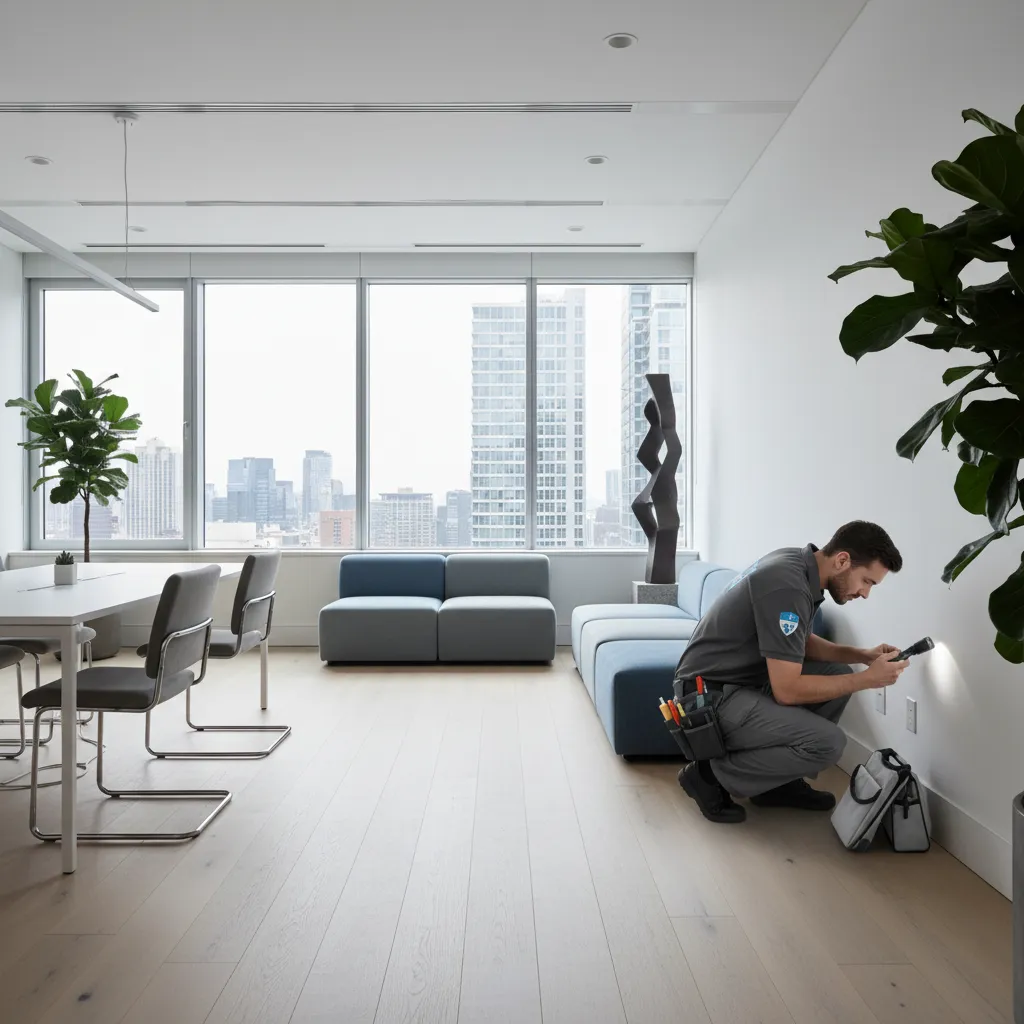
Impact on Business: A Multifaceted Threat
The presence of pests in an office setting has far-reaching consequences:
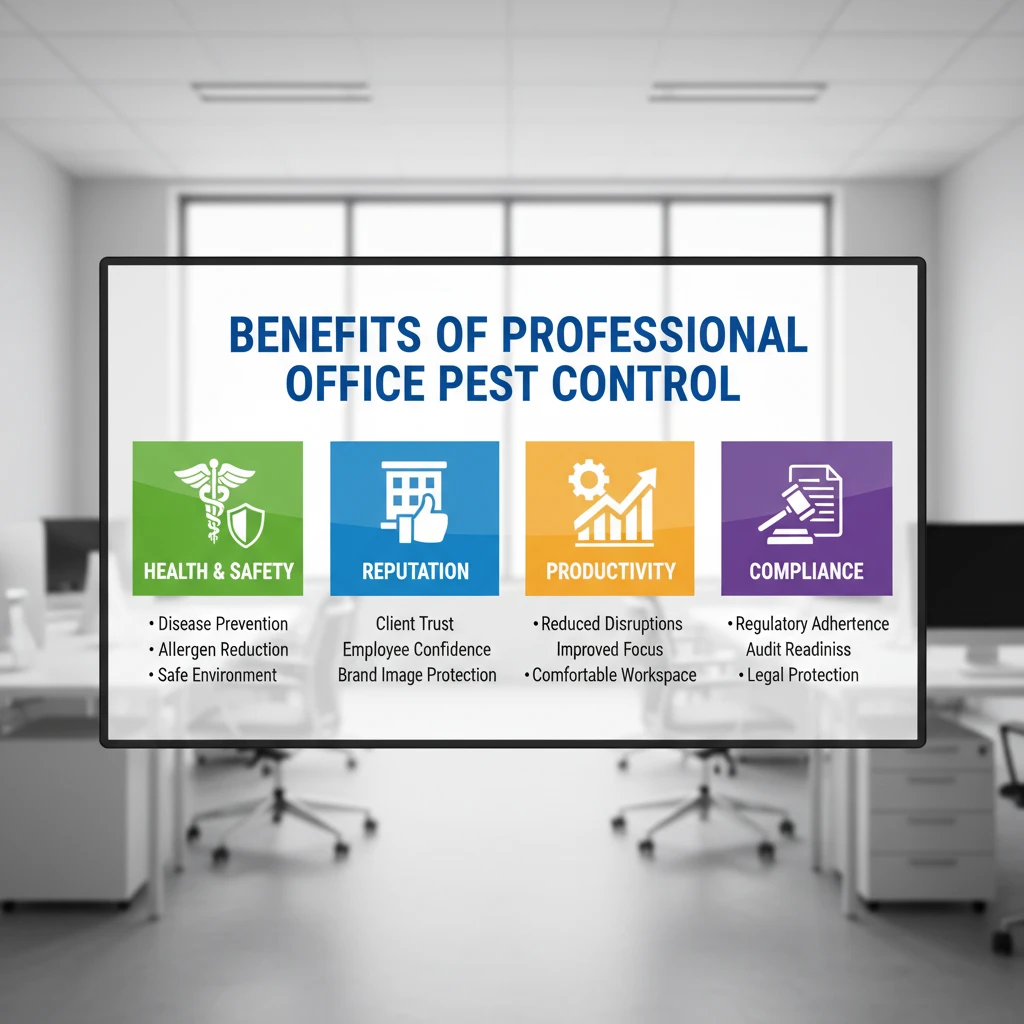
- Health & Safety Risks: Pests can transmit diseases, trigger allergies, and create unsafe conditions (e.g., rodent-chewed wires).
- Property Damage: From gnawed wires and contaminated food to structural damage and stained carpets, pests cause costly repairs and replacements.
- Reputation Damage: A single pest sighting by a client or potential employee can severely tarnish a company’s image, leading to a loss of trust and business.
- Employee Morale and Productivity: Pests create an uncomfortable, unhygienic, and distracting work environment, reducing employee satisfaction and focus.
- Financial Loss: This includes the cost of damage repair, potential health code fines, loss of inventory (especially in offices with products), and indirect costs from decreased productivity and reputation damage.
Discreet and Effective Pest Treatment for Auckland Offices
Addressing a pest issue in a commercial setting requires not only efficacy but also discretion. Businesses cannot afford disruptions or the negative perception associated with visible pest control activities. This is where professional, targeted, and discreet pest management solutions come into play.
Why Discreet Services are Crucial for Businesses
For an office, maintaining a polished and professional image is non-negotiable. Visible pest control equipment, chemicals, or technicians can raise concerns among employees and clients. Discreet pest control services ensure that treatments are performed during off-hours, using unmarked vehicles and subtle methods, causing minimal disruption and preserving the company’s professional facade. This approach ensures effective eradication without compromising business operations or public perception.
Integrated Pest Management (IPM) Approach
Modern office pest control in Auckland heavily relies on Integrated Pest Management (IPM) strategies. IPM is an environmentally sensitive and effective approach that focuses on long-term prevention of pests through a combination of techniques. It involves:
- Inspection and Identification: Thorough assessment to identify pest types, entry points, and contributing factors.
- Sanitation Recommendations: Advising on improved cleaning practices and waste management.
- Exclusion: Sealing entry points and making structural recommendations.
- Non-Chemical Treatments: Utilizing traps, lures, and biological controls where appropriate.
- Targeted Chemical Application: Using pesticides judiciously and only when necessary, targeting specific areas with minimal impact.
- Monitoring and Follow-up: Ongoing checks to ensure efficacy and prevent recurrence.
This holistic approach minimizes risks to humans and the environment while maximizing pest control effectiveness. You can learn more about the principles of IPM from authoritative sources like the United States Environmental Protection Agency (EPA) or local agricultural extensions.
Tailored Treatment Plans for Auckland Offices
Every office building is unique, with varying layouts, vulnerabilities, and pest pressures. A one-size-fits-all approach is ineffective. Professional pest control providers in Auckland develop customized treatment plans that consider:
- The specific pests identified.
- The size and layout of the office building.
- The nature of the business (e.g., food handling, sensitive equipment).
- Employee and client traffic patterns.
- Building construction and potential entry points.
- Environmental factors unique to Auckland.
These tailored plans ensure maximum effectiveness while addressing the specific needs and constraints of the client.
Advanced Techniques and Eco-Friendly Options
The pest control industry continually evolves, offering advanced techniques and eco-friendly solutions. This includes:
- Baiting Systems: Highly effective for ants and cockroaches, these systems deliver targeted treatments.
- Insect Growth Regulators (IGRs): Disrupt pest life cycles, preventing reproduction and population growth.
- Heat Treatments: Chemical-free solutions effective against bed bugs and some other insects in specific areas.
- Non-Toxic Monitoring Traps: For ongoing surveillance and early detection.
- Green Pest Control Products: Utilizing botanical-based or low-toxicity formulations that are safer for indoor environments.
These innovations allow for more precise, safer, and less intrusive pest management.
Emergency Response and Ongoing Monitoring
Even with robust prevention, emergencies can arise. A reputable pest control service in Auckland offers rapid emergency response for sudden infestations. Beyond immediate treatment, ongoing monitoring programs are essential. Regular inspections and preventative treatments are key to catching potential issues early before they escalate, maintaining a consistently pest-free environment.
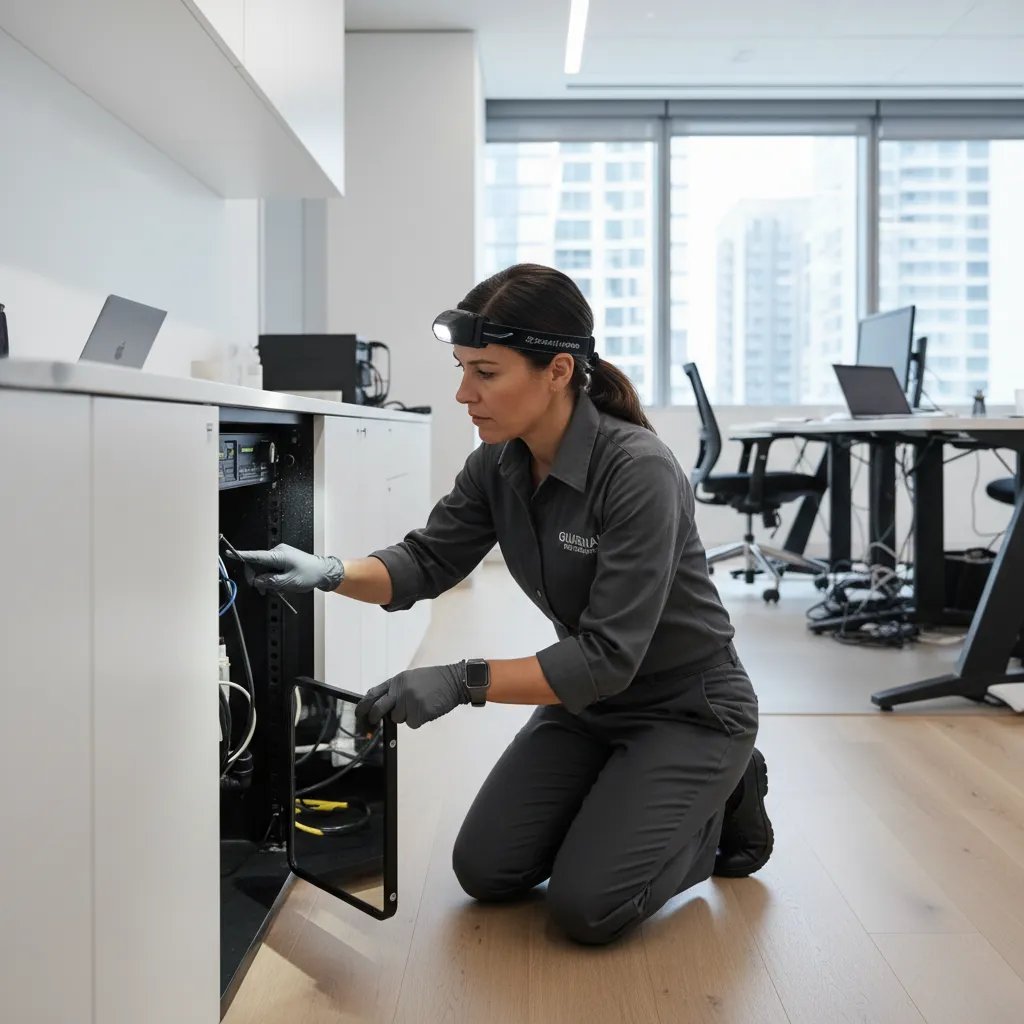
Creating a Proactive, Pest-Free Work Environment in Auckland
Effective pest management extends beyond reactive treatments; it hinges on proactive measures that deter pests from entering and thriving in the first place. Building a pest-resistant environment requires a multi-faceted approach involving maintenance, sanitation, and awareness.
Robust Prevention Strategies
Prevention is always more cost-effective and less disruptive than eradication. Key strategies include:
- Regular Building Inspections: Identifying and addressing vulnerabilities before pests exploit them.
- Landscaping Management: Trimming trees and shrubs away from the building, removing standing water, and keeping outdoor areas tidy to reduce harborage points.
- Lighting Adjustments: Using yellow or sodium vapor lights outdoors, which are less attractive to night-flying insects.
- Employee Training: Educating staff on simple pest prevention practices, like proper food storage and waste disposal.
Regular Inspections and Maintenance
Consistent vigilance is crucial. Regular inspections by trained professionals can identify early signs of pest activity or potential entry points that might otherwise go unnoticed. This includes checking:
- Gaps around pipes, wires, and utilities.
- Cracks in foundations, walls, and pavements.
- Damaged window screens and door sweeps.
- Roofline and drainage systems for blockages or access points.
Addressing these structural issues promptly is a critical barrier against pests.
Employee Education and Involvement
Employees are on the front lines of maintaining a pest-free office. Educating staff on the importance of:
- Storing food in airtight containers.
- Promptly cleaning up spills and crumbs.
- Reporting any pest sightings immediately.
- Maintaining tidiness at workstations.
This fosters a collective responsibility, significantly enhancing overall pest prevention efforts.
Importance of Sanitation and Waste Management
Good hygiene is fundamental to pest control. Offices, especially those with kitchenettes, breakrooms, or cafeterias, must adhere to strict sanitation protocols:
- Daily Cleaning: Thorough cleaning of all surfaces, floors, and common areas.
- Waste Disposal: Using sealed bins, emptying them regularly (especially at the end of the day), and ensuring outdoor bins are secure and away from the building.
- Food Storage: Encouraging employees to store personal food items in sealed containers and not leave food out overnight.
- Dishwashing: Ensuring dishes are washed promptly and not left in sinks.
Proper sanitation removes food sources and breeding grounds that attract pests. For more information on workplace hygiene best practices, consult resources like WorkSafe New Zealand.
Structural Integrity and Entry Point Sealing
Pests require an entry point. Sealing these off is a foundational preventive measure:
- Repairing cracks and holes in walls, floors, and foundations.
- Installing door sweeps and weather stripping on all exterior doors.
- Ensuring windows are sealed and screens are intact.
- Sealing gaps around utility penetrations (pipes, wires, vents).
- Using fine mesh screens on vents and drains where appropriate.
These measures create a physical barrier, making it significantly harder for pests to enter the building.
Choosing the Right Office Pest Control Partner in Auckland
Selecting a reliable and effective pest control partner is crucial for long-term success. Not all pest control services are created equal, especially when dealing with the specific demands of commercial environments in Auckland.
Experience and Local Knowledge
Opt for a company with extensive experience in commercial pest management, specifically within the Auckland region. Local knowledge means they understand the common pest challenges specific to the area, seasonal variations, and regional regulations. An experienced team can quickly identify complex issues and implement effective, tailored solutions.
Accreditation and Licensing
Ensure the pest control company is fully licensed, insured, and accredited by relevant industry bodies. This guarantees they meet professional standards, adhere to safety protocols, and employ trained, certified technicians. Reputable companies will be transparent about their credentials.
Customised Solutions and Reporting
A top-tier pest control provider will offer more than just basic treatments. They should provide a detailed inspection, a customized treatment plan, and transparent reporting. This includes documenting pest activity, treatments applied, and recommendations for ongoing prevention. Effective communication and clear record-keeping are vital for accountability and demonstrating compliance.
Customer Testimonials and References
Review customer testimonials and ask for references from other businesses they service in Auckland. Positive feedback and successful case studies are strong indicators of a company’s reliability, effectiveness, and commitment to customer satisfaction. A provider with a strong local reputation is often a safer choice.
Conclusion: Safeguarding Your Auckland Business from Pests
For any business in Auckland, a pest-free environment is a cornerstone of professionalism, employee well-being, and operational efficiency. The presence of pests, no matter how minor, can undermine these critical aspects, leading to health risks, costly damages, and a tarnished reputation. By understanding the common threats, embracing discreet and effective pest treatment methodologies like Integrated Pest Management, and committing to proactive prevention strategies, businesses can safeguard their premises and foster a healthy, productive workspace.
Partnering with an experienced, reputable, and locally knowledgeable pest control service in Auckland is not merely an expense; it is a strategic investment that ensures long-term protection and peace of mind. Prioritize professional office pest management to maintain the integrity of your business, impress clients, and provide a safe and comfortable environment for everyone who walks through your doors.
People Also Ask (PAA)
What are the most common pests in Auckland offices?
The most common pests found in Auckland offices include rodents (rats and mice), cockroaches (especially German and American species), various ant species (e.g., Argentine ants), spiders, and occasionally flies or other nuisance insects. Bird issues on building exteriors are also common.
How can office pest control be done discreetly?
Discreet office pest control involves scheduling treatments during off-hours (evenings, weekends), using unmarked vehicles, applying targeted and low-visibility treatment methods (like bait stations or gel baits), and communicating clearly with staff to minimize disruption and maintain confidentiality.
What is Integrated Pest Management (IPM) for offices?
Integrated Pest Management (IPM) for offices is a comprehensive approach that combines thorough inspections, identification, sanitation recommendations, exclusion techniques (sealing entry points), targeted treatments (chemical and non-chemical), and ongoing monitoring to achieve long-term pest prevention and control with minimal environmental impact.
How often should an Auckland office have pest control?
The frequency of office pest control in Auckland depends on factors like the building’s location, age, previous pest history, and the nature of the business. Generally, quarterly or bi-annual preventative treatments are recommended, with more frequent visits for high-risk areas or ongoing issues.
What steps can employees take to prevent pests in the office?
Employees play a crucial role in pest prevention. Key steps include storing food in sealed containers, promptly cleaning up spills and crumbs, disposing of waste in sealed bins, not leaving food out overnight, and immediately reporting any pest sightings to management.
Are pest control treatments safe for office workers and electronics?
Yes, professional office pest control treatments in Auckland are designed to be safe when applied correctly. Reputable companies use products approved for commercial indoor use, adhere to safety guidelines, and often utilize targeted, low-toxicity methods like baits and gels that pose minimal risk to humans and electronics when applied by trained technicians.