Retail pest control in Auckland is an essential service for businesses aiming to protect their brand integrity, safeguard merchandise, and ensure a hygienic environment for customers and staff. It involves strategic, ongoing management of pests like rodents, cockroaches, and flies, employing a tailored approach that integrates prevention, monitoring, and targeted treatments specific to the retail sector’s unique challenges.
Understanding the Unique Pest Threats to Retail Stores in Auckland
Retail environments, from boutique clothing stores to sprawling supermarkets and bustling cafes, present a unique set of vulnerabilities when it comes to pest infestations. These spaces are often characterised by high foot traffic, regular deliveries, varied inventory, and sometimes food preparation areas, all of which can attract a wide array of pests. In Auckland, the temperate climate and dense urban landscape further amplify these challenges, making proactive pest prevention not just a best practice, but a critical operational necessity. A single pest sighting can have far-reaching consequences, extending beyond immediate operational disruptions to long-term damage to a brand’s reputation and financial stability.
Common Intruders and Their Impact
Retail stores are susceptible to several common pests, each posing distinct threats:
- Rodents (Rats and Mice): Highly adaptable and elusive, rodents seek shelter, food, and water. They can gnaw through electrical wiring, packaging, and even structural elements, causing significant damage. Their droppings and urine contaminate surfaces and products, posing serious health risks through the spread of diseases like leptospirosis and salmonella. In a retail setting, this can lead to spoiled inventory, fire hazards, and immediate health and safety breaches.
- Cockroaches: Known for their rapid reproduction and ability to hide in cracks and crevices, cockroaches are carriers of numerous pathogens, including E. coli and salmonella. They thrive in warm, moist environments, often found near food preparation areas, drains, and storage rooms. Their presence is a major indicator of poor hygiene and can trigger allergic reactions and asthma in susceptible individuals. For food retailers, a cockroach infestation can lead to immediate closure by health authorities.
- Flies: Particularly problematic for food-related retail, flies can quickly spread bacteria and viruses from contaminated surfaces to food and merchandise. Their constant buzzing and landing are also a significant nuisance, detracting from the customer experience and suggesting a lack of cleanliness.
- Stored Product Pests (Moths, Beetles): These pests target stored food items such as grains, cereals, nuts, and spices. They can infest packaged goods, making them unsaleable and leading to substantial inventory losses. While often associated with supermarkets, they can also affect stores selling pet food, bulk goods, or even natural fibre clothing.
- Birds: Pigeons and sparrows often nest in the eaves or signage of retail buildings. Their droppings deface property, accelerate corrosion, and can carry diseases. Nesting materials can also block drainage systems, leading to water damage.
The impact of these pests extends beyond direct damage. Reputational harm can be swift and severe in the age of social media. A customer spotting a pest can instantly share their experience, leading to negative reviews, loss of trust, and a significant drop in foot traffic and sales. Furthermore, infestations can lead to costly fines, product recalls, and even temporary closures, disrupting operations and impacting profitability.
Why Auckland Retailers Face Specific Challenges
Auckland’s unique environmental factors contribute to its specific pest challenges:
- Temperate Climate: Auckland’s mild, humid climate provides ideal conditions for many pests to thrive year-round, reducing natural dormancy periods and necessitating continuous vigilance.
- Port City: As a major port city, Auckland is vulnerable to invasive pest species arriving via shipping containers and international cargo, requiring heightened biosecurity measures.
- Urban Density: High population density and interconnected commercial zones mean that pest issues can easily spread between neighbouring properties, making area-wide control crucial.
- Diverse Retail Landscape: From historic storefronts with older infrastructure to modern shopping malls, the varied age and type of retail buildings in Auckland present different entry points and harborage opportunities for pests.
The Critical Role of Integrated Pest Management (IPM) in Retail
In the complex and sensitive retail environment, a reactive “spray and pray” approach to pest control is not only ineffective but can also be detrimental. Modern retail pest prevention in Auckland demands a sophisticated, proactive strategy: Integrated Pest Management (IPM). IPM is a sustainable, science-based approach that combines biological, cultural, physical, and chemical tools to manage pest problems in a way that minimises economic, health, and environmental risks. It’s about smart prevention, not just eradication.
Beyond Extermination: A Holistic Approach
The core philosophy of IPM for retail is to understand the pests, their lifecycle, and their preferred habitats within your specific store environment. This knowledge then informs a multi-faceted approach:
- Inspection and Monitoring: Regular, thorough inspections are the cornerstone of IPM. Trained technicians identify potential entry points, harborage areas, and early signs of pest activity. Strategic placement of traps and monitoring devices helps track pest populations and identify hot spots before they escalate.
- Identification: Accurate identification of the pest species is crucial for selecting the most effective and targeted control methods, ensuring treatments are not only efficient but also environmentally responsible.
- Sanitation: Emphasising excellent hygiene practices is fundamental. This includes regular cleaning, proper waste management, prompt spill cleanup, and ensuring food preparation areas are spotless. Eliminating food sources and water significantly reduces pest attraction.
- Exclusion: Sealing cracks and crevices, repairing broken screens, installing door sweeps, and reinforcing loading dock areas are vital physical barriers that prevent pests from entering the premises.
- Cultural Controls: This involves modifying the environment to make it less hospitable for pests. Examples include reducing clutter, improving ventilation to eliminate moisture, and rotating stock to prevent pests from settling in undisturbed areas.
- Targeted Treatments: When chemical treatments are necessary, IPM prioritises low-toxicity, targeted applications. This might include baits, gels, or specific insecticides applied precisely where pests are active, minimising exposure to customers, staff, and non-target areas. This contrasts sharply with broad-spectrum spraying which can be disruptive and less effective long-term. For more information on IPM principles, refer to Wikipedia’s article on Integrated Pest Management.
By integrating these components, IPM creates a robust defence system that is continually adapted based on monitoring results, ensuring long-term pest prevention rather than temporary relief.
Customised Strategies for Diverse Retail Settings
One size does not fit all in retail pest control. An effective IPM program must be highly customised:
- Food & Beverage Retail (Supermarkets, Cafes, Bakeries): These require the most stringent controls due to high volumes of perishable goods. Focus areas include meticulous storage, waste disposal, and adherence to strict food safety regulations (e.g., those from the Ministry for Primary Industries in NZ).
- Clothing & Apparel Stores: Moths, carpet beetles, and even silverfish can damage fabrics. Prevention involves regular cleaning, appropriate storage conditions, and monitoring for fabric pests.
- Hardware & Home Improvement: Rodents and cockroaches can be an issue in storage areas, attracted by packaging materials. Bird control might also be necessary in larger stores with open structures.
- Electronics & Appliance Stores: While less prone to food-seeking pests, rodents can still cause significant damage by gnawing on wires, posing fire risks and destroying valuable inventory.
- General Merchandise & Department Stores: These diverse environments require a comprehensive strategy that addresses multiple pest types across different departments.
A professional pest control partner in Auckland will conduct a thorough assessment to understand the specific risks and tailor an IPM strategy that aligns with your retail operation’s unique layout, inventory, and regulatory requirements.
Implementing Effective Retail Pest Prevention Programs
The success of any retail pest control strategy hinges on consistent implementation and a commitment to ongoing vigilance. It’s not about a one-off treatment but a continuous cycle of prevention, monitoring, and proactive intervention. For Auckland retailers, embedding these practices into daily operations is key to maintaining a pest-free environment and safeguarding their brand.
Proactive Measures and Regular Monitoring
Prevention is always more cost-effective and less disruptive than remediation. Key proactive measures include:
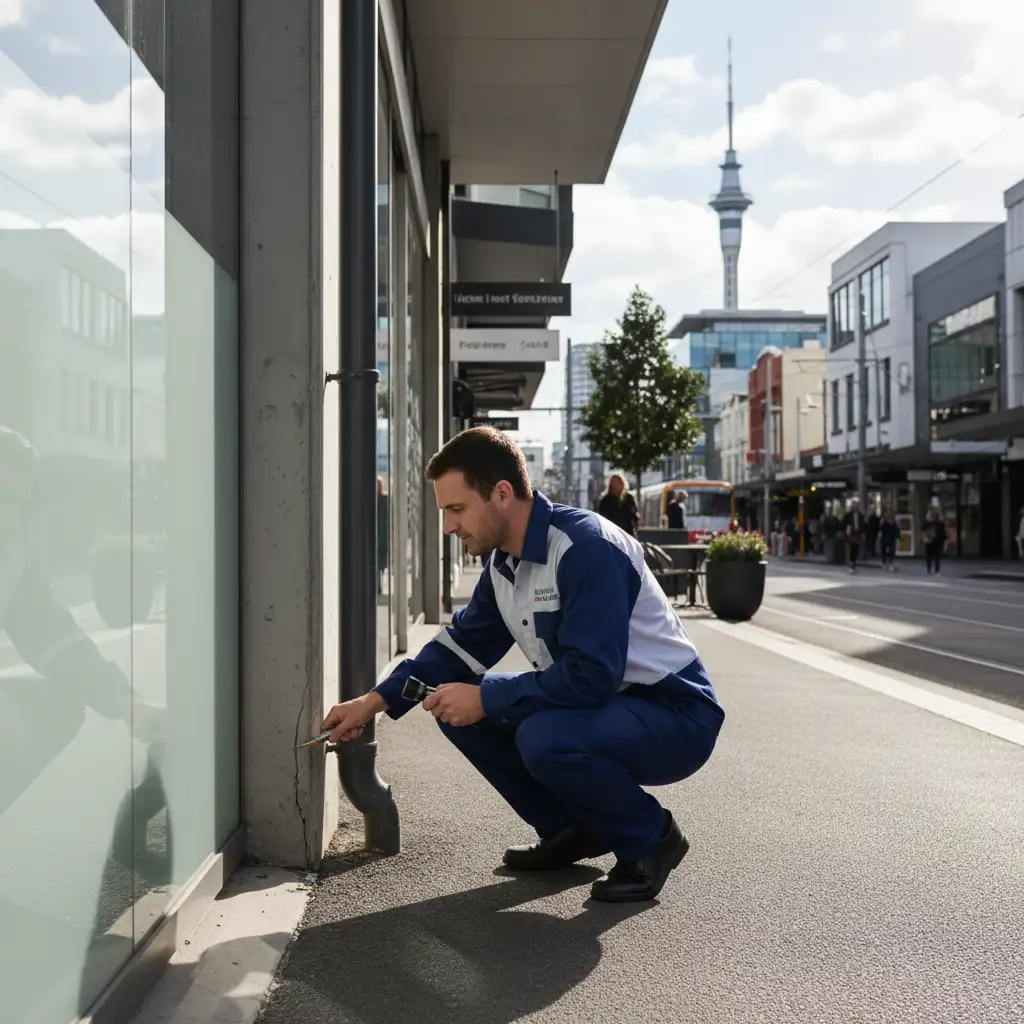
- Perimeter Defence: Regularly inspect the exterior of your store. Seal any cracks in foundations, walls, and around utility pipes. Ensure doors and windows fit snugly, and install screens on vents. Loading docks and delivery areas are prime entry points; implement strict protocols for inspecting incoming deliveries.
- Waste Management Excellence: Store all waste in sealed, pest-proof bins, away from the building. Schedule frequent waste collection, especially for food waste. Keeping bins clean and free of residue is paramount.
- Landscaping Maintenance: Trim trees and shrubs away from the building to prevent pests from using them as bridges to access your roof or upper floors. Remove standing water sources.
- Stock Rotation and Storage: Implement a “first-in, first-out” (FIFO) system for inventory. Store goods on shelves or pallets, off the floor, and away from walls to allow for easy cleaning and inspection. Regularly inspect incoming shipments for signs of pests.
- Drainage and Moisture Control: Repair leaky pipes and ensure all drains are clean and functioning correctly. Reduce humidity where possible, as many pests thrive in damp conditions.
Regular monitoring by trained professionals, often incorporating discreet traps and sensors, provides early detection. This allows for swift, targeted interventions before an issue escalates into a full-blown infestation, saving both time and money.
Staff Training and Operational Best Practices
Your staff are your first line of defence against pests. Comprehensive training is essential:
- Pest Recognition: Train staff to recognise common signs of pests (droppings, gnaw marks, discarded wings, unusual odours) and to report them immediately.
- Reporting Protocols: Establish clear procedures for reporting pest sightings, including who to contact and what information to provide.
- Sanitation Habits: Reinforce the importance of daily cleaning routines, proper food handling (if applicable), and waste disposal. Encourage a “clean as you go” philosophy.
- Delivery Inspection: Train receiving staff to inspect incoming deliveries thoroughly for any signs of pests on packaging or within products.
- Door and Window Management: Remind staff to keep doors closed when not in use, especially during warmer months, to prevent flying insects from entering.
By empowering your team with knowledge and clear guidelines, you create a culture of vigilance that significantly enhances your overall pest prevention efforts. This collective responsibility is invaluable in maintaining a hygienic and pest-free shopping environment.
Choosing the Right Retail Pest Control Partner in Auckland
Selecting a professional pest control service for your Auckland retail store is a critical decision that impacts your brand, customer safety, and operational continuity. It’s not merely about hiring someone to spray chemicals; it’s about forming a strategic partnership with experts who understand the unique challenges of the retail sector and can provide long-term, sustainable solutions.
Key Criteria for Selecting a Professional Service
When evaluating pest control providers in Auckland, consider the following:
- Experience in Retail: Look for a company with proven experience specifically in commercial retail environments. They should understand inventory management, customer flow, discreet service requirements, and regulatory compliance relevant to your type of store (e.g., food safety standards).
- IPM Expertise: Ensure they advocate and implement a comprehensive Integrated Pest Management (IPM) approach. This indicates a commitment to sustainable, effective, and environmentally responsible solutions rather than just reactive treatments.
- Local Knowledge: An Auckland-based company will have intimate knowledge of local pest pressures, environmental factors, and relevant council regulations. This local expertise is invaluable for effective regional pest management.
- Accreditation and Licensing: Verify that the company is fully licensed, insured, and that their technicians are certified and regularly trained in the latest pest control techniques and safety protocols. Memberships in industry associations (e.g., Pest Management Association of New Zealand – PMANZ) can be a good indicator of professionalism.
- Discreet and Flexible Service: Retail operations often require services outside of business hours to minimise disruption. Enquire about their flexibility and their ability to conduct services discreetly to avoid alarming customers.
- Reporting and Communication: A good partner will provide detailed service reports, including pest activity observed, treatments applied, and recommendations for preventative measures your staff can implement. Clear and open communication is vital.
- References and Reputation: Ask for references from other retail businesses they serve in Auckland. Check online reviews and testimonials to gauge their reputation for reliability and effectiveness.
Long-Term Partnership for Brand Protection
View your pest control provider as an extension of your team, a guardian of your brand. A robust partnership means:
- Proactive Scheduling: Regular, scheduled visits are essential for ongoing monitoring and prevention, catching potential issues before they become problems.
- Responsive Emergency Service: In the rare event of a sudden infestation, knowing your partner can respond quickly and effectively is crucial.
- Continuous Improvement: A good partner will continuously review and adapt the IPM plan based on seasonal changes, new threats, or changes in your store operations.
- Education and Support: They should offer ongoing advice and support, helping your team understand their role in pest prevention and how to maintain the highest standards of hygiene.
By investing in the right retail pest control partner in Auckland, you are investing in the long-term health, safety, and reputation of your business, ensuring a consistently pleasant and safe shopping experience for your valued customers.
Maintaining an Impeccable Shopping Environment: Long-Term Strategies
Achieving and sustaining a pest-free retail environment in Auckland is an ongoing commitment, not a one-time fix. It requires a strategic blend of consistent operational excellence, diligent monitoring, and a robust partnership with a professional pest control provider. By integrating these elements, retailers can cultivate an impeccable shopping experience that continually reinforces their brand’s reputation for quality, cleanliness, and customer care.
The Power of Persistent Vigilance
Long-term pest prevention is fundamentally about creating an environment that is inhospitable to pests. This involves a commitment to:
- Rigorous Sanitation Schedules: Beyond daily cleaning, implement weekly or monthly deep cleaning protocols for all areas, including often-overlooked spots like under shelving, behind appliances, and in storage rooms. Pay particular attention to drains, grease traps (if applicable), and waste disposal areas.
- Structural Integrity Checks: Regularly inspect the building’s physical structure for wear and tear. Small cracks, gaps around pipes, or damaged door seals can become significant entry points over time. Proactive repairs are far less costly than dealing with an established infestation.
- Inventory Management Best Practices: Beyond FIFO, ensure all stock is stored in pest-proof containers where appropriate, especially food items. Regularly rotate and inspect less frequently accessed stock to prevent pests from settling in undisturbed areas.
- External Area Maintenance: Keep the store’s exterior, including car parks, loading docks, and landscaping, clean and tidy. Remove litter, spilled food, and standing water. This minimises external pest populations that could eventually find their way inside. For guidance on waste management best practices, consider consulting Auckland Council’s resources on rubbish and recycling.
- Seasonal Adjustments: Pest activity can fluctuate with seasons. A good pest control plan will adapt, perhaps increasing monitoring during warmer, wetter months when many pest populations are more active.
Persistent vigilance fosters a preventative mindset throughout your organisation, making pest issues rare rather than routine.
Future-Proofing Your Retail Brand Against Pests
A proactive and comprehensive approach to retail pest control in Auckland does more than just eliminate existing pests; it future-proofs your brand. It demonstrates a commitment to operational excellence, customer well-being, and ethical business practices. In an increasingly competitive market, where consumer expectations for hygiene and safety are higher than ever, a pest-free environment is a significant differentiator.
By consistently applying Integrated Pest Management principles, investing in staff training, and maintaining a strong partnership with a reputable Auckland pest control provider, retailers can build a resilient defence against pest threats. This ensures that your brand’s reputation remains untarnished, your products are protected, and every customer enjoys a shopping experience that is not only pleasant but also impeccably clean and safe. This long-term perspective solidifies your retail store’s position as a trusted and preferred destination in the Auckland market, safeguarding both your physical assets and your invaluable brand equity.
People Also Ask
What are the most common pests found in Auckland retail stores?
The most common pests affecting Auckland retail stores include rodents (rats and mice), cockroaches (German and American), flies, stored product pests (like pantry moths and beetles, especially in food retail), and occasionally birds in larger, open-plan stores or near loading docks. Each poses unique risks to hygiene, inventory, and brand reputation.
How can pests damage a retail store’s brand reputation?
A single pest sighting by a customer can severely damage a retail store’s brand reputation. Incidents can be shared rapidly through social media, leading to negative reviews, loss of customer trust, reduced foot traffic, and ultimately, a significant drop in sales. It suggests a lack of hygiene and care, undermining the brand’s image.
What is Integrated Pest Management (IPM) and why is it important for retail?
Integrated Pest Management (IPM) is a sustainable, holistic approach to pest control that combines various methods (biological, cultural, physical, chemical) to manage pest problems with minimal risk to people, property, and the environment. For retail, IPM is crucial because it offers long-term prevention, minimises disruption, and ensures compliance with health and safety standards, protecting inventory and brand image effectively.
How often should a retail store in Auckland have professional pest control services?
The frequency of professional pest control services for a retail store in Auckland depends on factors like the type of business (e.g., food retail needs more frequent service), location, past pest activity, and store size. Generally, monthly or bi-monthly inspections and treatments are recommended for most retail environments to maintain proactive prevention and early detection.
What role do store staff play in effective retail pest prevention?
Store staff play a crucial role as the first line of defence. They should be trained to recognise early signs of pest activity, understand proper sanitation protocols, manage waste effectively, inspect incoming deliveries, and promptly report any pest sightings. Their consistent adherence to best practices is vital for the success of any pest prevention program.
Are pest control chemicals safe for a retail environment with customers present?
When conducted by a professional pest control service employing Integrated Pest Management (IPM), treatments are designed to be safe for retail environments. They prioritise targeted, low-toxicity applications and methods like baits, gels, or exclusion, often performed outside business hours. The goal is to minimise exposure to customers and staff while effectively managing pests, ensuring safety protocols are strictly followed.