Rodent removal in Auckland involves a multi-faceted approach to identify, eradicate, and prevent infestations in residential and commercial properties. Effective strategies combine thorough inspections, targeted treatments, and robust proofing techniques to ensure long-term, rodent-free environments tailored to Auckland’s unique conditions, protecting health and property from these pervasive pests.
Understanding the Threat of Rodents in Auckland
Auckland, with its dense urban areas, lush suburban gardens, and temperate climate, provides an ideal environment for rodents like rats (Rattus rattus, Rattus norvegicus) and mice (Mus musculus) to thrive. These pervasive pests are not merely a nuisance; they pose significant health risks, structural damage, and can contaminate food and surfaces. Understanding the specific challenges rodents present in an Auckland context is crucial for effective management. Rats and mice are prolific breeders, meaning a small infestation can quickly escalate into a severe problem if not addressed promptly and decisively. They are also incredibly adaptable, capable of exploiting even the smallest entry points to gain access to homes and businesses.
The health implications of rodent infestations are substantial. Rodents are known carriers of numerous diseases, including Leptospirosis, Salmonellosis, and Hantavirus, which can be transmitted to humans through direct contact with droppings, urine, or saliva, or indirectly through contaminated food and water. Beyond disease transmission, their presence can trigger allergies and asthma symptoms due to their dander and droppings. Structurally, rodents can cause extensive damage by gnawing on electrical wires, which poses a serious fire hazard, and by damaging plumbing, insulation, timber, and other building materials. They can also destroy gardens and agricultural produce, impacting both residential enjoyment and commercial ventures. For these reasons, professional rodent removal in Auckland is not just a convenience, but a critical investment in public health and property protection.
Identifying the Signs of Rodent Presence in Auckland Homes
Early detection is paramount in effectively managing a rodent infestation. Rodents are often nocturnal and secretive, making direct sightings rare, especially in the early stages. However, they leave behind tell-tale signs that can indicate their presence, activity levels, and even their preferred routes. Auckland homeowners should be vigilant in checking common rodent harborage areas, such as attics, basements, wall voids, subfloors, and kitchen pantries. Understanding these indicators allows for a swift response, mitigating potential damage and health risks. Being proactive in identifying these signs can significantly reduce the complexity and cost of eventual removal efforts.
Droppings and Urine Trails
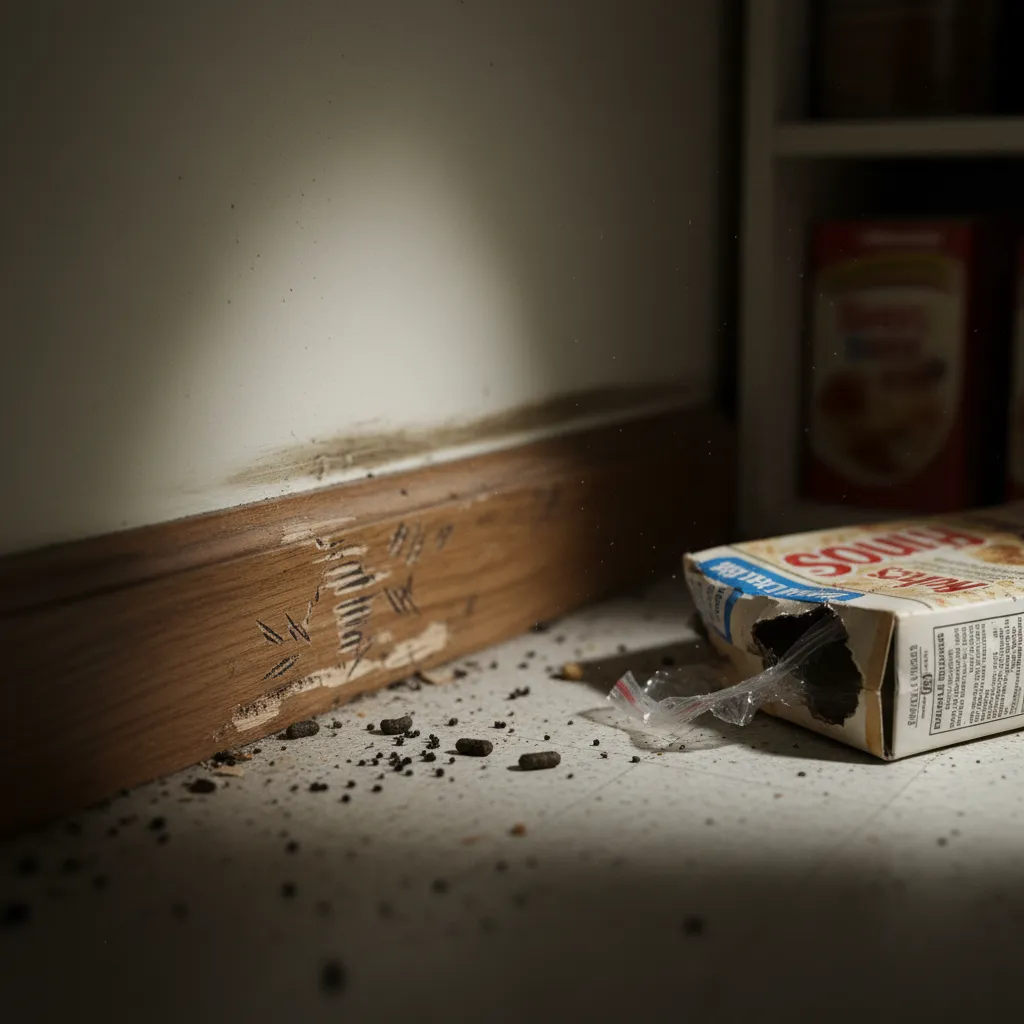
Perhaps the most common and definitive sign of rodent activity is the presence of droppings. Rat droppings are typically dark, pellet-shaped, and larger (around 12-18mm for Norway rats, 6-12mm for roof rats) than mouse droppings, which are much smaller (3-6mm) and resemble tiny black grains of rice. The location and quantity of droppings can indicate the severity and pathways of an infestation. Fresh droppings are soft and moist, while older ones are dry and hard. Rodents also frequently urinate, leaving behind distinctive urine trails or puddles, particularly in low-traffic areas. These can sometimes be detected by their strong, musky odor.
Gnaw Marks and Damage
Rodents constantly gnaw to keep their incisors trimmed and sharp. This gnawing habit results in noticeable damage to a wide range of materials. Look for small chew marks on wooden beams, plastic pipes, electrical wiring, food packaging, and even furniture. The size of the gnaw marks can help distinguish between rats and mice, with rats leaving larger, more pronounced damage. Damage to food packaging in pantries or cupboards is a strong indicator, as is damage to insulation in attics or walls, which they use for nesting material. Over time, extensive gnawing can compromise structural integrity and create significant fire hazards due if electrical wiring is exposed.
Unusual Noises and Activity
Homeowners often report hearing scratching, scurrying, or gnawing noises, especially at night when rodents are most active. These sounds typically come from within walls, ceilings, attics, or under floorboards. Listen for a distinct patter of tiny feet moving rapidly. In severe infestations, squeaking or chattering sounds may also be heard. Furthermore, pets, particularly cats and dogs, may exhibit unusual behavior, such as intently staring at walls, sniffing specific areas, or becoming agitated, signaling the presence of rodents that they can detect with their heightened senses.
Nests and Burrows
Rodents build nests in secluded, warm, and hidden areas using shredded materials like fabric, paper, insulation, and plant matter. Common nesting sites in Auckland homes include cluttered storage areas, attics, wall voids, beneath appliances, and in undisturbed corners of basements or crawl spaces. Outdoors, rats, especially Norway rats, are known to dig burrows along foundations, under sheds, or in dense vegetation. Discovering these nests or burrows confirms an active infestation and points to their preferred living spaces, which is vital information for targeted removal.
Unpleasant Odours
A persistent, strong, musky odor, often described as stale or ammonia-like, can indicate a significant rodent presence. This smell originates from their urine and droppings, and it becomes more pronounced with larger infestations or in enclosed spaces. In some cases, a particularly foul odor might signal the presence of a deceased rodent within walls or inaccessible areas. This smell can permeate insulation and fabrics, making it difficult to eliminate without professional cleaning and removal of the source. An unexplained, lingering musty smell in certain parts of your home, especially areas with limited ventilation, should prompt further investigation.
Integrated Rodent Management Strategies for Auckland
Effective rodent removal in Auckland demands a comprehensive and integrated approach that goes beyond simply setting traps. An Integrated Rodent Management (IRM) strategy combines various tactics to achieve long-term control, focusing on eradication, prevention, and ongoing monitoring. This holistic method ensures that the immediate problem is solved while also addressing the underlying factors that attract rodents, making it a sustainable solution for Auckland’s residential properties. IRM is about smart, strategic action, minimizing reliance on single methods and adapting to the specific conditions of each property.
Thorough Inspection and Assessment
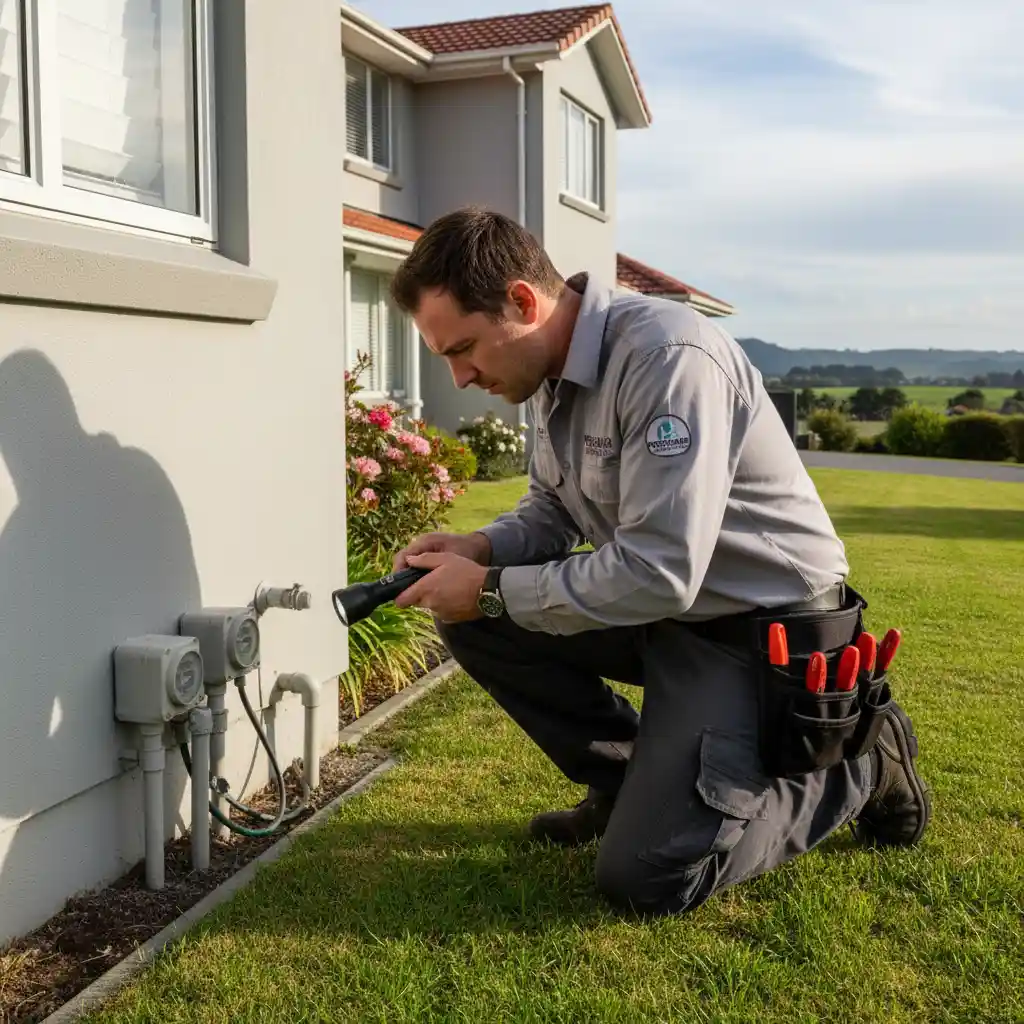
The first and most critical step in any IRM plan is a detailed inspection. A professional pest control technician will meticulously examine both the interior and exterior of your Auckland residence to identify all signs of rodent activity, entry points, harborage areas, and potential food/water sources. This includes checking foundations, eaves, vents, utility line entry points, attics, basements, kitchens, and gardens. The inspection helps determine the type of rodent, the severity of the infestation, and their movement patterns. This initial assessment forms the foundation for a customised treatment plan, ensuring that all aspects of the problem are understood before any intervention begins. For more information on identifying pests and their management, New Zealand’s Ministry for Primary Industries (MPI) provides resources on pest control guidelines.
Effective Trapping and Removal
Trapping is a humane and effective method for removing rodents, especially in situations where baiting is undesirable (e.g., in homes with children or pets). Various types of traps are available, including snap traps, live traps, and electronic traps. Strategic placement of these traps is crucial, focusing on known rodent pathways and harborage areas. Professionals understand rodent behavior and will select the appropriate trap type and bait to maximize success. Regular monitoring and emptying of traps are essential to prevent secondary issues and ensure the effectiveness of the trapping programme. For larger infestations, trapping may be used in conjunction with other methods.
Strategic Baiting Programmes
Rodenticides (baits) are often used in conjunction with trapping, particularly for larger or persistent infestations, or in inaccessible areas. These baits are formulated to be highly attractive to rodents and contain active ingredients that lead to their demise. However, the use of rodenticides requires careful consideration due to potential risks to non-target animals, children, and pets. Professional pest control services in Auckland are trained to deploy baits safely and strategically, using tamper-resistant bait stations that protect the bait from unintended access. They ensure baits are placed in locations where rodents will encounter them but where humans and pets cannot. Post-treatment, proper disposal of any deceased rodents is also managed by professionals to prevent secondary poisoning or sanitation issues.
Sanitation and Habitat Modification
Removing attractants is a cornerstone of long-term rodent control. This involves improving sanitation practices inside and outside the home. Indoors, this means storing food in airtight containers, promptly cleaning up spills and crumbs, and regularly emptying rubbish bins. Outdoors, it entails keeping rubbish bins securely lidded, removing pet food overnight, and ensuring compost piles are properly managed. Habitat modification focuses on eliminating potential nesting sites and shelter. This includes clearing dense vegetation, woodpiles, and general clutter from around the foundation of your home. Reducing available shelter forces rodents to seek refuge elsewhere, making your property less appealing. Regular maintenance of gardens and surrounding areas is critical in Auckland’s often overgrown suburban environments.
Long-Term Rodent-Proofing Solutions for Auckland Residences
Once an infestation has been controlled, the focus must shift to preventing future incursions. Rodent proofing, also known as exclusion, is perhaps the most vital component of a sustainable rodent management plan. By blocking access points, homeowners can effectively deter rodents from entering their property in the first place. This proactive approach significantly reduces the likelihood of re-infestation, saving time, money, and stress in the long run. Given Auckland’s mix of older and newer homes, specific attention to structural integrity and maintenance is crucial. A thorough understanding of rodent capabilities – such as squeezing through incredibly small gaps – is essential for effective proofing.
Sealing Entry Points and Exclusion
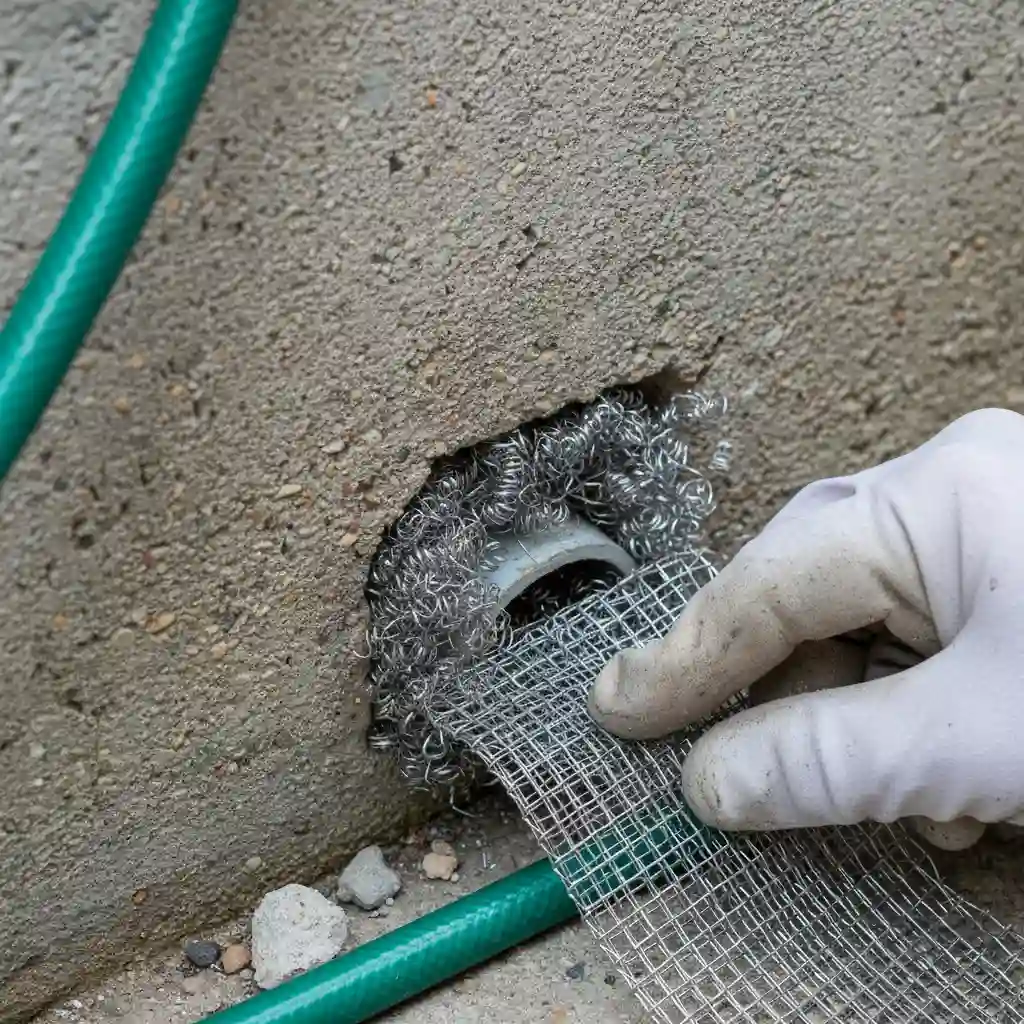
Rodents can squeeze through incredibly small openings – mice through a gap the size of a pen (6mm), and rats through a gap the size of a 20-cent coin (12mm). Identifying and sealing all potential entry points is critical. This includes cracks in foundations, gaps around utility pipes (water, gas, electrical), vents, eaves, roof junctions, and poorly fitted doors and windows. Use durable materials like steel wool, hardware cloth, cement, or metal flashing to seal these gaps. Avoid using materials like plastic, wood, or caulk alone, as rodents can easily chew through them. Pay close attention to garage doors, ensuring they have tight seals at the bottom and sides. Regular inspections around the entire building perimeter are recommended, as new gaps can form over time due to wear and tear or minor structural shifts. For more comprehensive guidelines on pest control and property maintenance, homeowners can consult local Auckland Council resources or reputable building standards guides.
Maintaining the Exterior and Yard
A well-maintained exterior acts as a natural deterrent. Keep trees and shrubs trimmed back from the house, as branches can provide easy access to roofs and upper levels. Remove any climbing vines or dense ivy from walls, as these offer both cover and pathways. Store firewood, lumber, and other debris away from the house and elevated off the ground to eliminate potential harborage sites. Regularly mow lawns and clear overgrown areas, especially near the foundation. Piles of leaves, overgrown bushes, and general garden clutter create ideal hiding and nesting spots for rodents, providing them a safe haven close to your home. By keeping your yard tidy and open, you reduce the attractiveness of your property to these pests.
Effective Waste Management
Food waste is a primary attractant for rodents. Ensure all household rubbish is stored in strong, tightly lidded bins, both inside and outside. Regularly clean outdoor bins to remove any food residues. If you compost, ensure your compost bin is rodent-proof and properly maintained, turning the compost regularly to accelerate decomposition. Avoid leaving pet food bowls outside, especially overnight. Even bird feeders can attract rodents, so consider positioning them away from the house and cleaning up spilled seeds regularly. Proper waste management removes easily accessible food sources, significantly reducing the incentive for rodents to frequent your property.
Regular Monitoring and Maintenance
Rodent proofing is not a one-time task but an ongoing process. Regular inspections of your property, both interior and exterior, are vital to catch any new signs of activity or newly created entry points. Pay attention to seasonal changes, as rodents may seek shelter indoors more frequently during cooler, wetter Auckland months. Promptly address any new gaps or structural damage. If you suspect renewed activity, it’s always best to contact a professional pest control service in Auckland for a reassessment. Ongoing vigilance and maintenance are your best defence against future rodent problems, ensuring your Auckland home remains safe and healthy.
Choosing the Right Rodent Removal Service in Auckland
When faced with a rodent infestation, selecting a reputable and effective pest control service in Auckland is crucial. Look for companies that offer comprehensive services, including thorough inspections, humane removal methods where appropriate, and long-term proofing solutions. Ensure they are licensed, insured, and employ certified technicians who are knowledgeable about local rodent species and effective treatment strategies specific to Auckland’s environment. Reputable companies will provide clear explanations of their methods, expected outcomes, and transparent pricing. Don’t hesitate to ask for references or check online reviews to gauge customer satisfaction. A professional service will not only eliminate the immediate problem but also provide valuable advice on preventative measures, empowering you to maintain a rodent-free home for the future. Prioritise services that emphasise integrated pest management (IPM) techniques, which focus on environmentally responsible and sustainable solutions.
People Also Ask About Rodent Removal in Auckland
How much does rodent removal typically cost in Auckland?
The cost of rodent removal in Auckland can vary significantly depending on the severity of the infestation, the size of your property, the type of rodent, and the methods required for eradication and proofing. A basic service might start from around NZD $200-$300 for an initial inspection and treatment, but extensive infestations requiring multiple visits, bait stations, and comprehensive proofing can cost upwards of NZD $500 or more. Many companies offer packages, and it’s always best to get a detailed quote after an initial assessment.
What are the most common types of rodents found in Auckland homes?
In Auckland, the most common rodent species found in residential properties are the Norway rat (Rattus norvegicus), also known as the brown rat or common rat, the roof rat (Rattus rattus), sometimes called the black rat or ship rat, and the house mouse (Mus musculus). Each has slightly different habits and preferred nesting sites, which professional pest controllers consider during treatment.
How quickly can rodents infest a home in Auckland?
Rodents can infest a home surprisingly quickly due to their rapid breeding cycles. A single pair of mice can produce 5-10 litters per year, with 5-6 pups per litter, reaching sexual maturity in just 4-6 weeks. Rats also breed rapidly. This means that an initial small presence can escalate into a significant infestation within a few months if left unchecked, making early detection and professional intervention critical.
Are DIY rodent removal methods effective for Auckland residents?
While DIY methods like store-bought traps or baits can sometimes address very minor, isolated issues, they are generally not effective for a full-blown infestation. Rodents are intelligent and can learn to avoid traps. DIY methods often fail to identify all entry points, address the root cause, or ensure complete eradication, leading to recurring problems. For comprehensive and lasting rodent removal in Auckland, professional pest control services are highly recommended as they have the expertise, tools, and knowledge for effective long-term solutions.
What health risks do rodents pose to Auckland households?
Rodents carry numerous diseases that can be transmitted to humans, including Leptospirosis, Salmonellosis (food poisoning), and Hantavirus. They can spread these diseases through their urine, droppings, saliva, or bites, and indirectly by contaminating food and surfaces. Their presence can also exacerbate allergies and asthma, particularly in children, due to their dander and waste products. Minimising rodent presence is vital for public health in Auckland homes.
How can I prevent rodents from entering my Auckland home in the future?
Preventing future rodent entry involves a multi-pronged approach: sealing all potential entry points (gaps around pipes, cracks in foundations) with durable materials like steel wool or mesh; maintaining a tidy exterior by trimming vegetation, storing firewood away from the house, and clearing clutter; practicing excellent waste management with tightly lidded bins; and storing food in airtight containers indoors. Regular inspections and prompt action on any new signs of activity are also crucial for long-term prevention.