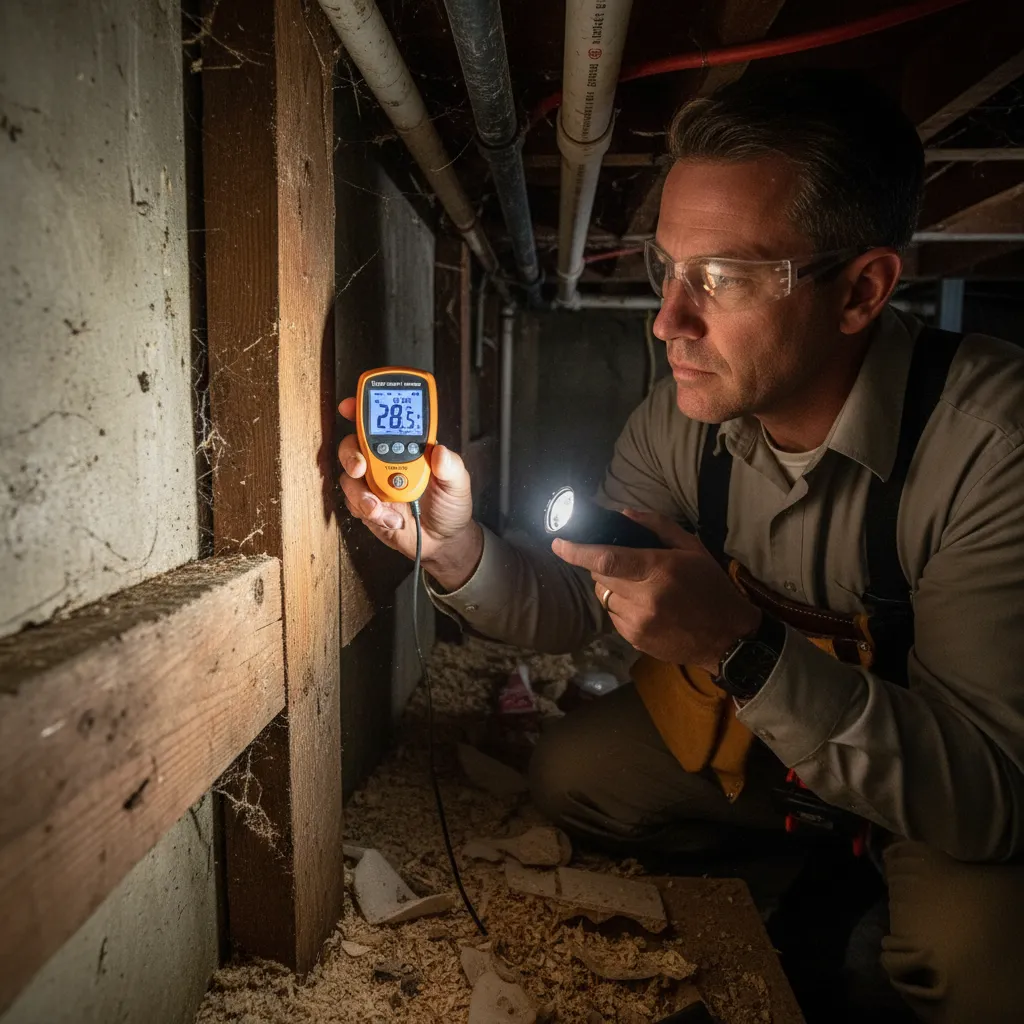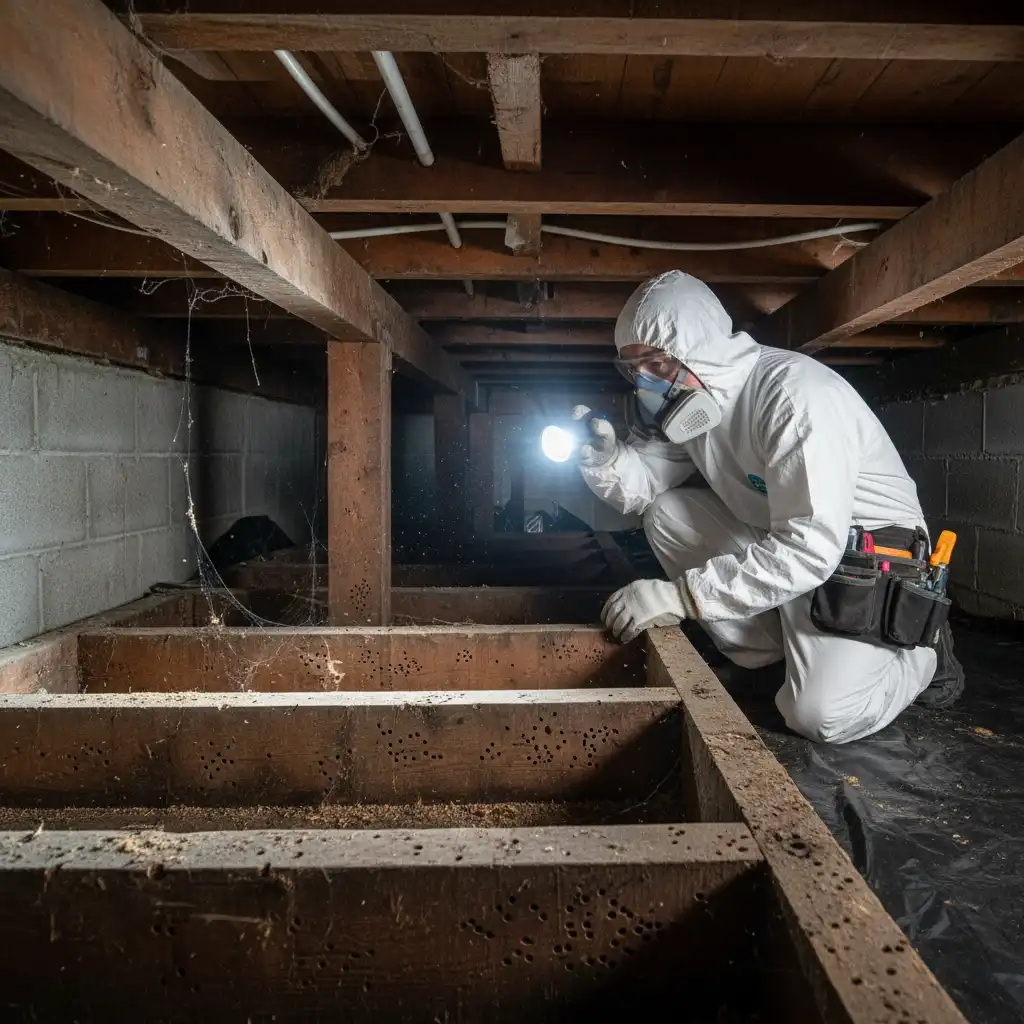
Imagine discovering fine, powdery dust accumulating beneath the exposed heritage timber beams of your commercial property. For many building owners, this seemingly harmless dust is the first visible warning sign of a severe structural threat. Deep within the timber, the larvae of the common house borer (Anobium punctatum) are silently compromising the load-bearing capacity of the wood.
By the time exit holes appear on the surface, the internal damage has already been progressing for three to four years. Standard surface sprays simply cannot penetrate varnished or painted wood to reach the core where these pests thrive. This is exactly why property managers rely on professional timber injection services in Auckland to secure their buildings and protect their investments.
Key Takeaways
Professional timber injection services in Auckland protect commercial and residential structures by delivering targeted borate treatments deep into the wood’s core. This method eradicates active borer larvae, prevents future infestations, and is highly cost-effective compared to replacing compromised structural beams and sub-floors.
How Timber Injection Penetrates Deep Wood
Surface-level pest control methods often fail when dealing with established borer infestations in structural timber. The active ingredients in basic aerosol sprays cannot bypass layers of paint, polyurethane, or the natural density of the wood. Consequently, the larvae continue to feed safely inside the sapwood, completely unaffected by the superficial chemical application.
Advanced timber injection bypasses these exterior barriers entirely. Certified technicians drill precise, micro-sized holes directly into the affected timber galleries. Using specialized pressurized equipment, a potent wood preservative is forced deep into the core of the beam.
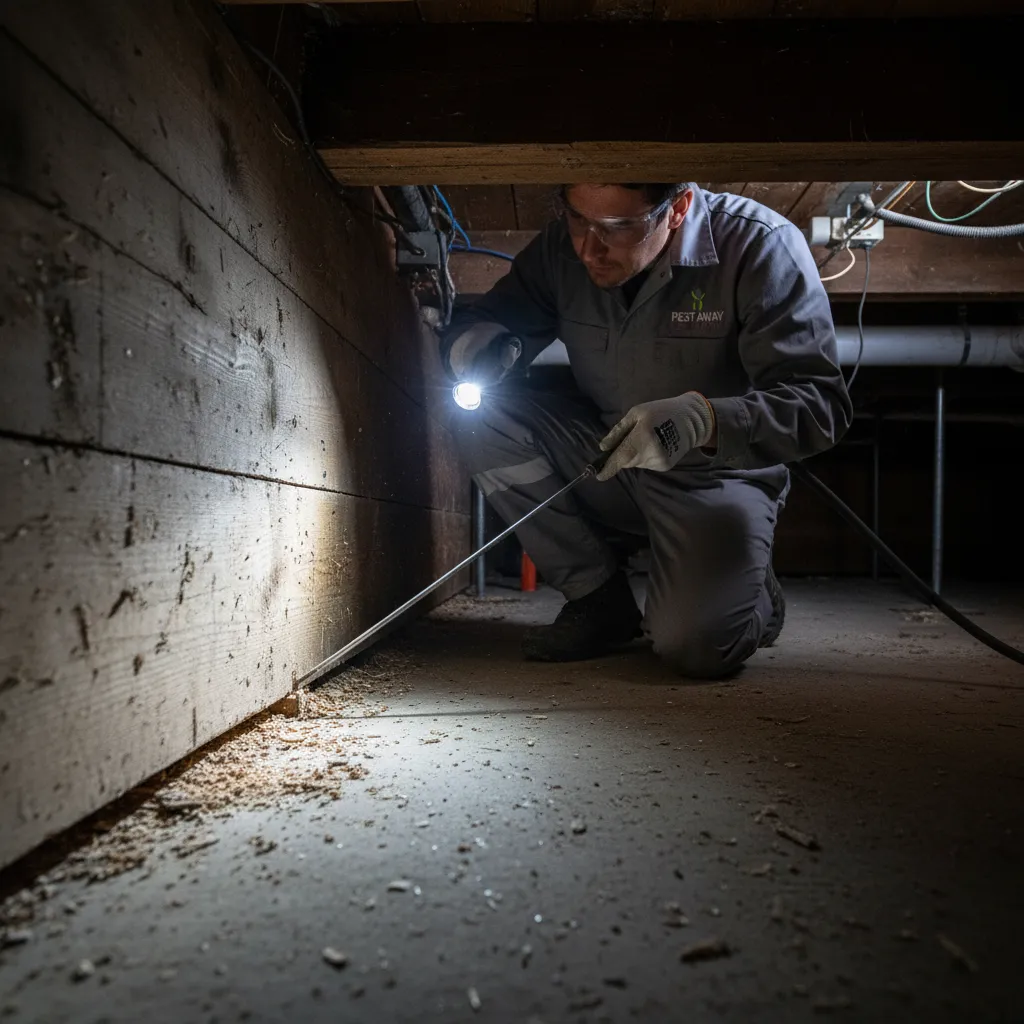
This deep-penetration method ensures that the treatment reaches every hidden crevice where the larvae reside. It is a highly targeted approach that maximizes the efficacy of the insecticide while minimizing environmental exposure in commercial spaces. For businesses, this means less disruption and a guaranteed eradication of the active infestation.
The Science Behind the Treatment
The success of timber injection relies heavily on the unique chemical properties of borate-based preservatives. Once injected, the borate compounds utilize the natural moisture present within the timber to slowly diffuse outward. This gradual diffusion process ensures that the entire cross-section of the sapwood becomes heavily saturated with the protective treatment.
Borer larvae thrive in timber with high moisture content. Combining timber injection with proper sub-floor ventilation drastically reduces the risk of reinfestation.
When borer larvae ingest this treated wood, the borate disrupts their metabolic enzymes, effectively eliminating them. Furthermore, this internal saturation remains active for decades, providing unparalleled long-term protection. Native New Zealand timbers, such as Rimu and Kahikatea, are particularly vulnerable to borer attacks, making this deep-penetration science essential for their preservation.
Ideal Scenarios for Timber Injection
Not every pest problem requires invasive injection, but certain scenarios make it the only viable option. Commercial buildings, heritage sites, and older residential properties in Auckland often feature large, load-bearing timbers that cannot be easily replaced. When these critical structural elements show signs of active borer infestation, timber injection becomes an absolute necessity.
Another common scenario involves timbers that have been heavily painted or varnished over the years. Because surface sprays cannot penetrate these coatings, injecting the treatment directly into the wood is the only way to reach the larvae. This method is also highly recommended for localized, severe infestations where the structural integrity of a specific beam is in question.
- Heritage restorations requiring the preservation of original native timber.
- Commercial sub-floors with high moisture levels and limited accessibility.
- Painted or sealed structural beams that cannot absorb topical surface treatments.
- Load-bearing joists where timber replacement would be prohibitively expensive.
Treating Structural Beams and Sub-Floors
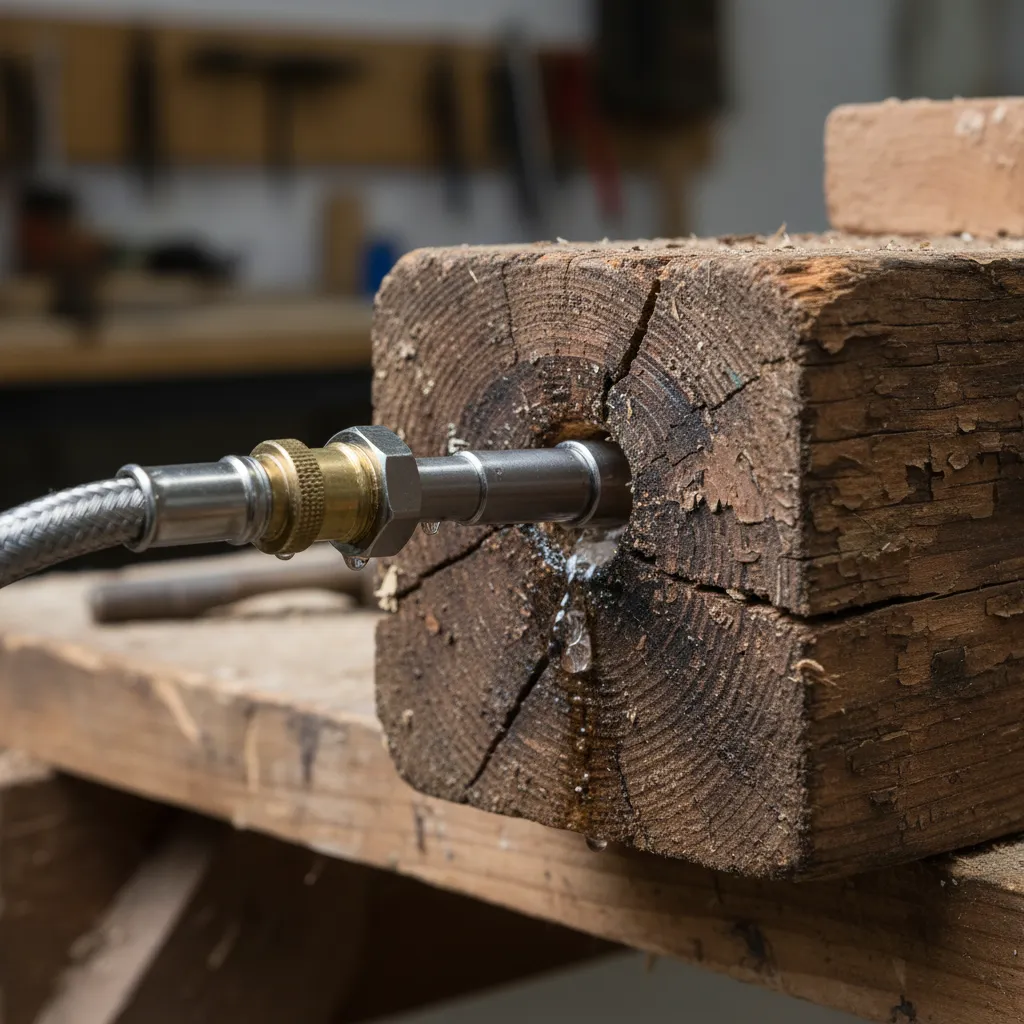
Sub-floors in Auckland are notorious for trapping damp air, creating the perfect breeding ground for the common house borer. When treating these areas, technicians must often navigate tight, confined spaces to access the critical framing timbers. Injection allows them to deliver a concentrated dose of protection directly into the joists and bearers that support the entire building.
In New Zealand, the borer flight season occurs between November and January. This is when adult beetles emerge to mate and lay eggs. Treating timber before this window is crucial to breaking the breeding cycle.
If left untreated, a compromised sub-floor can lead to sagging floors, cracked walls, and eventual structural collapse. By utilizing timber injection services in Auckland, property owners can reinforce these vital supports without the need for destructive and costly demolition work.
Cost vs. Long-Term Value of Injection Treatments
When evaluating pest control options, property owners must weigh the immediate costs against the long-term structural risks. A basic surface spray might seem like an economical choice, but it often leads to repeated applications and ongoing hidden damage. In contrast, investing in professional timber injection provides a definitive, one-time solution that halts structural decay immediately.
The financial disparity between treating a beam and replacing it is staggering. While a comprehensive sub-floor injection treatment might cost a few thousand dollars, replacing load-bearing structural timber can quickly escalate into the tens of thousands. This does not even account for the associated costs of commercial downtime, building consents, and extensive renovations.
| Treatment Method | Estimated Cost (NZD) | Effectiveness | Longevity |
|---|---|---|---|
| Basic Surface Spray | $250 – $450 | Low (Does not penetrate paint) | 1 – 2 Years |
| Professional Timber Injection | $1,500 – $3,500+ | High (Reaches deep larvae) | 15+ Years |
| Minor Timber Replacement | $5,000 – $8,000 | N/A (Physical Repair) | Permanent |
| Major Structural Replacement | $15,000 – $30,000+ | N/A (Physical Repair) | Permanent |
When factoring in the sheer cost of structural failure, the return on investment for proactive pest management is undeniable. Engaging top-tier timber injection services in Auckland is not just an operational expense; it is a critical asset protection strategy.
Our PMANZ & IICRC Qualified Injection Process
Delivering effective timber treatments requires strict adherence to industry best practices and technical standards. Our methodology aligns with the guidelines set by the Pest Management Association of New Zealand (PMANZ) to ensure safe, effective eradication. Furthermore, we incorporate IICRC S500 standards for moisture assessment, recognizing that water control is fundamental to preventing timber decay.
Using certified professionals ensures that all chemical applications comply with New Zealand’s health and safety regulations, which is vital for commercial operating environments.
The process begins with a comprehensive structural inspection using advanced borescopes and digital moisture meters. This allows our technicians to pinpoint the exact locations of active borer galleries without causing unnecessary damage to the wood. We then map out the moisture profile of the building, identifying any ventilation issues that may be exacerbating the infestation.
Following the assessment, we execute the precision drilling and injection phase. Specialized nozzles are inserted into the pre-drilled ports, and the borate treatment is applied under controlled pressure. Finally, the injection sites are carefully sealed with wood filler or specialized plugs, leaving the structural beams fully protected and visually intact.
If you have noticed fine frass or 2mm exit holes in your timber, do not wait. Schedule a professional PMANZ-certified inspection to assess the structural integrity of your property.