Industrial pest control in Auckland involves specialized strategies to manage and eradicate pests in large commercial and industrial environments, such as warehouses, factories, and distribution centers. This crucial service protects inventory, ensures compliance with health and safety regulations, and maintains operational integrity by preventing contamination, damage, and costly disruptions caused by various pests.
Understanding the Unique Pest Challenges in Auckland’s Industrial Facilities
Auckland’s industrial landscape, characterized by bustling ports, vast warehouses, and diverse manufacturing plants, presents a unique set of challenges when it comes to pest management. These large-scale facilities, often storing immense quantities of goods, raw materials, and machinery, become prime targets for a wide array of pests. The sheer size of these structures, coupled with their constant activity and proximity to external environments, creates an intricate ecosystem where pests can thrive if not diligently managed. Understanding these specific challenges is the first step in formulating an effective and sustainable industrial pest control strategy.
Common Pests Threatening Auckland Warehouses
Industrial facilities in Auckland face threats from various pests, each with its own destructive potential. Rodents, including rats and mice, are a perennial problem, known for gnawing through electrical wires, damaging packaging, contaminating food products, and spreading diseases. Their rapid breeding cycles mean a small infestation can quickly escalate into a major crisis. Insects like cockroaches, ants, and flies are also prevalent, drawn by food debris, moisture, and warmth. Cockroaches, in particular, are vectors for numerous pathogens and can easily contaminate goods and surfaces. Furthermore, stored product pests such as weevils, moths, and beetles pose a significant threat to grain, flour, spices, and other packaged food items, leading to direct product loss and reputational damage. Birds nesting within warehouse rafters can cause fouling, damage property, and spread diseases, while spiders and other general insects can create unsightly webs and contribute to an unhygienic environment.
Environmental Factors and Risk Assessment
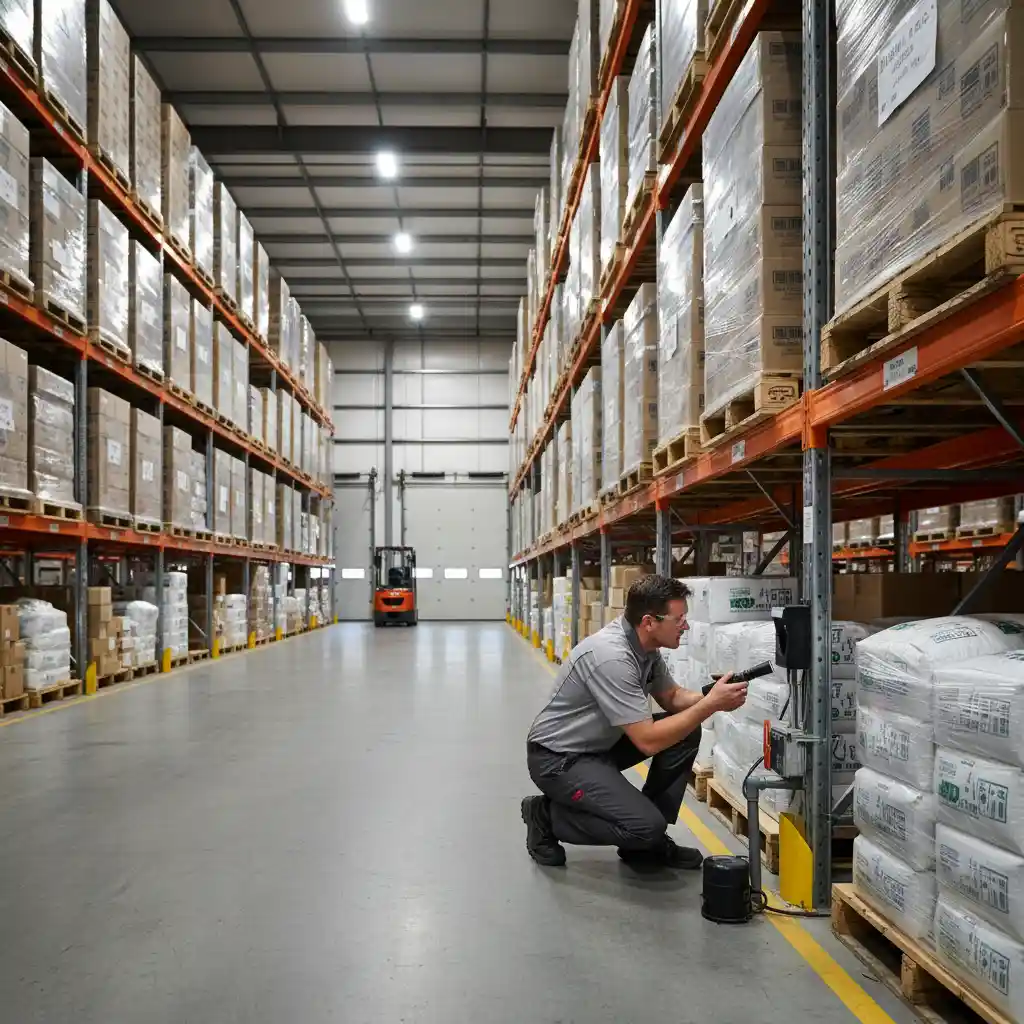
Auckland’s climate plays a significant role in pest activity. Its temperate and often humid conditions provide ideal breeding grounds for many insect species throughout the year. Industrial facilities themselves contribute to specific microclimates that attract pests; for instance, areas with high humidity or consistent temperatures, often found near machinery or processing zones, become havens. Effective industrial pest control in Auckland requires a thorough risk assessment that considers the facility’s location (e.g., proximity to waste disposal sites, agricultural land, or residential areas), its structural vulnerabilities (e.g., cracks in foundations, unsealed entry points, damaged doors), and operational practices (e.g., waste management, sanitation routines, storage protocols). A comprehensive assessment helps identify high-risk zones and potential entry points, guiding the development of targeted prevention and treatment plans.
The Cost of Neglecting Industrial Pest Control
Ignoring or delaying professional industrial pest control can have catastrophic consequences for businesses in Auckland. The costs extend far beyond the immediate damage. Pests can contaminate entire batches of products, leading to significant financial losses from spoiled inventory and product recalls. Structural damage, such as gnawed wiring leading to power outages or fire hazards, and damaged insulation, can result in expensive repairs. Furthermore, pest infestations can severely impact a company’s reputation and brand image, potentially deterring clients and consumers. Businesses risk failing audits, incurring fines from regulatory bodies, and even facing operational shutdowns due to non-compliance with health and safety standards. Employee morale and safety can also suffer, as the presence of pests can create an unsanitary and stressful working environment. Proactive pest management is an investment that safeguards assets, reputation, and profitability.
Tailored Industrial Pest Management Programs for Auckland Warehouses
One size does not fit all when it comes to industrial pest control. Auckland’s diverse industrial landscape demands highly customized solutions that address the specific needs and vulnerabilities of each facility. A generic approach is often ineffective, leading to recurring infestations and wasted resources. Tailored pest management programs are designed after a thorough understanding of the site’s layout, operational processes, pest history, and regulatory requirements. These programs integrate various strategies, focusing on long-term prevention and control rather than just reactive treatments, ensuring maximum efficacy and minimal disruption to business operations.
Integrated Pest Management (IPM) for Industrial Settings
Integrated Pest Management (IPM) is the cornerstone of effective industrial pest control in Auckland. IPM is a holistic, sustainable, and proactive approach that combines several methods to control pests with the least possible hazard to people, property, and the environment. It begins with comprehensive inspections to identify pests, their entry points, harborage areas, and food sources. Based on this, a multi-pronged strategy is developed, which may include structural modifications (sealing cracks, installing screens), improved sanitation practices, biological controls, and judicious application of pesticides when necessary. The emphasis is on prevention and monitoring, using non-chemical methods wherever possible, and only resorting to targeted chemical treatments as a last resort. This approach ensures long-term pest suppression and reduces reliance on potentially harmful chemicals, aligning with modern environmental stewardship.
Regular Inspections and Monitoring Protocols
Consistent vigilance is critical in industrial pest control. Regular, scheduled inspections by trained professionals are essential to detect early signs of pest activity before an infestation takes hold. These inspections go beyond superficial checks, delving into hard-to-reach areas, examining machinery, and scrutinizing stored goods. Monitoring protocols involve the strategic placement of traps, sensors, and bait stations to track pest populations, identify species, and pinpoint their movement patterns. Data collected from monitoring efforts is crucial for evaluating the effectiveness of current control measures and making necessary adjustments to the program. Detailed reporting after each inspection provides transparency and allows facility managers to stay informed about pest pressures and the ongoing effectiveness of their pest management strategy. This continuous cycle of inspection, monitoring, and adjustment is what makes an industrial pest control program truly dynamic and effective.

Safe and Compliant Treatment Methods
When pest treatments are necessary, they must be carried out using methods that are not only effective but also safe and compliant with all relevant regulations. In an industrial setting, this often means employing specialized techniques that minimize disruption to operations and ensure the safety of employees and products. This could include targeted baiting systems that prevent non-target species exposure, heat treatments for specific equipment or areas, or the precise application of residual insecticides in dormant zones. Fumigation may be required for severe infestations in sealed areas or containers, always performed by certified technicians adhering to strict safety protocols. All treatments must comply with New Zealand’s environmental regulations and industry-specific standards, such as those for food processing facilities, ensuring that the integrity of products is maintained and environmental impact is minimized. For more information on pest control regulations in New Zealand, one can refer to resources from the Ministry for Primary Industries (MPI).
Proactive Prevention Strategies
The most effective pest control is always proactive prevention. For Auckland’s industrial facilities, this involves implementing a series of strategies designed to deter pests from entering and establishing themselves. Key preventive measures include robust sanitation programs, ensuring waste is regularly removed and storage areas are kept clean and tidy. Structural exclusion is vital: sealing all cracks, crevices, and entry points, installing pest-proof doors and windows, and ensuring proper ventilation to control moisture. Inventory management practices, such as proper stacking, rotation, and regular inspection of incoming goods, can prevent pests from being introduced. Employee education also plays a critical role, as staff need to understand their part in maintaining a pest-free environment by reporting sightings and adhering to hygiene protocols. By focusing on these preventive layers, businesses can significantly reduce their vulnerability to pest infestations, thereby minimizing the need for extensive reactive treatments.
Comprehensive Protection of Goods and Assets from Pest Damage
In any industrial or warehouse setting, the primary objective is to protect the integrity and value of the stored goods and assets. Pests pose a direct and often devastating threat to this objective. From raw materials to finished products, pests can contaminate, consume, or physically damage items, leading to financial losses, reputational harm, and potential legal issues. A comprehensive pest control strategy for Auckland’s industrial sector must therefore place a strong emphasis on safeguarding these critical assets, implementing measures that ensure product safety, maintain hygiene, and uphold regulatory compliance. This protective layer is not just about pest eradication; it’s about preserving the very core of a business’s operations and offerings.
Safeguarding Raw Materials and Finished Products
The journey of goods through an industrial facility, from raw materials to finished products, is vulnerable at every stage to pest interference. Raw materials, especially those that are organic or food-based, are highly attractive to stored product pests and rodents. Proper storage conditions, including temperature and humidity control, elevated shelving, and sealed containers, are fundamental. Regular inspection of incoming shipments for signs of pests is crucial to prevent new infestations. For finished products, packaging integrity is paramount. Pests can chew through cardboard, plastic, and even some metals, leading to contamination and product spoilage. Implementing a strict ‘first-in, first-out’ (FIFO) inventory system can prevent products from sitting for extended periods, reducing the likelihood of pest establishment. Furthermore, designated quarantine areas for suspected contaminated goods can prevent the spread of pests to healthy stock.
Maintaining Hygiene and Sanitation Standards
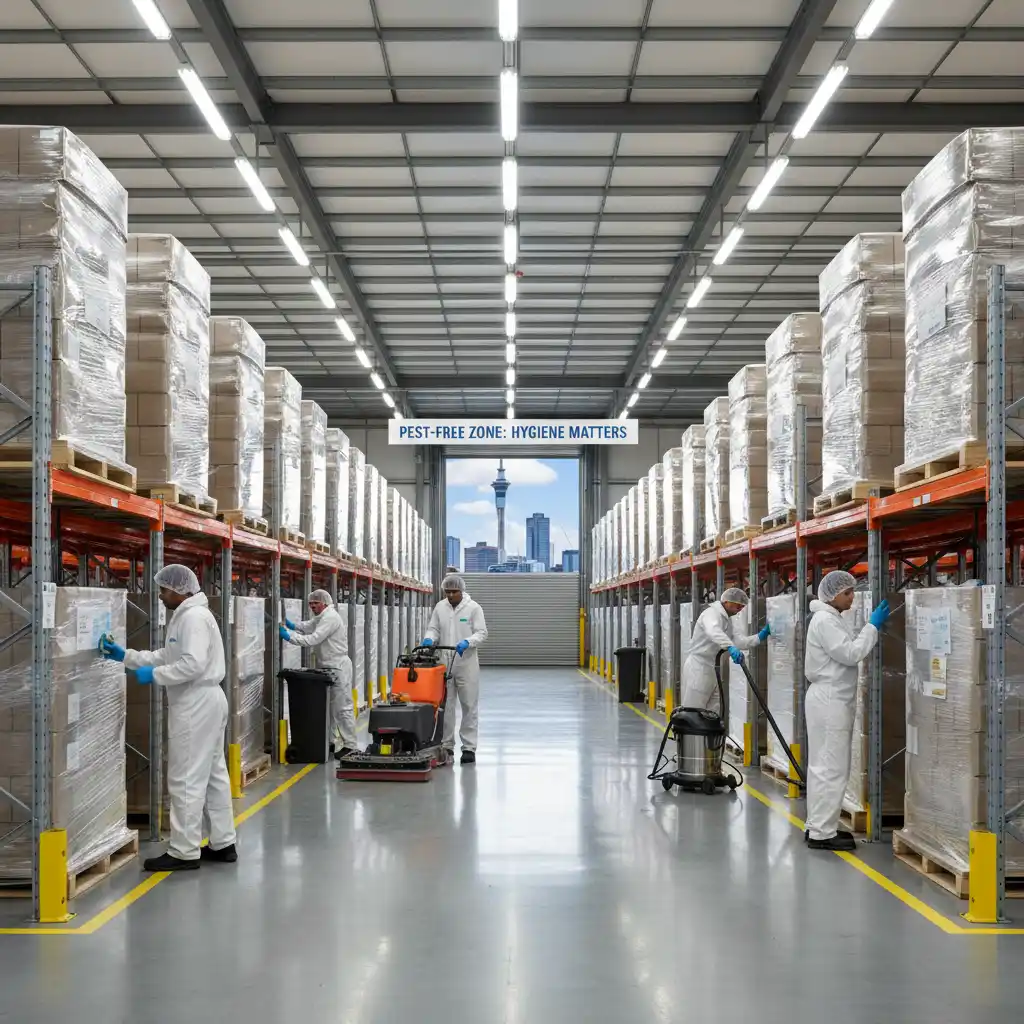
Uncompromising hygiene and sanitation standards are non-negotiable in effective industrial pest control. Pests are primarily attracted to food sources, water, and harborage. Therefore, eliminating these attractions is the most powerful preventative measure. This involves rigorous cleaning schedules for all areas, especially around loading docks, waste disposal sites, and staff break rooms. Spills must be cleaned immediately, and all waste bins should be lidded and emptied regularly. Equipment and machinery should also be cleaned to prevent the build-up of food debris or grease. Proper drainage systems prevent standing water, which can attract mosquitoes and other moisture-loving pests. A well-maintained and clean environment significantly reduces the appeal of an industrial facility to pests, making it less likely for them to settle and breed. Regular audits of sanitation practices can ensure adherence to these critical standards.
Compliance with Industry Regulations and Audits
For many industrial sectors in Auckland, particularly those dealing with food, pharmaceuticals, or regulated goods, adherence to strict industry regulations and passing regular audits are vital. Pest control forms a significant component of these compliance requirements. Infestations can lead to audit failures, significant fines, product recalls, and even legal action. Professional industrial pest control services ensure that a facility not only meets but often exceeds these stringent standards. They provide detailed documentation of pest activity, treatment methods, and preventive measures, which are invaluable during an audit. Partnering with an experienced pest control provider ensures that all operations are compliant with local and national health and safety regulations, including those from organizations like the New Zealand Food Safety authority, thereby protecting the business from costly penalties and preserving its license to operate.
Emergency Pest Response and Recovery
Despite the most robust prevention strategies, isolated pest issues can occasionally arise. In such instances, a rapid and effective emergency pest response plan is critical for Auckland industrial facilities. A reliable pest control partner should offer swift call-out services to address urgent infestations, minimizing their impact and preventing wider spread. This involves immediate assessment, targeted treatment, and recommendations for preventing recurrence. Beyond eradication, recovery protocols are also essential. This might include post-treatment cleaning, sanitization of affected areas, and further monitoring to ensure complete elimination. Having a clear emergency response procedure in place, developed in conjunction with your pest control provider, ensures that any unexpected pest threat is managed efficiently, protecting your inventory, reputation, and operational continuity.
Choosing the Right Industrial Pest Control Partner in Auckland
Selecting the ideal industrial pest control partner is a strategic decision for any business in Auckland. The efficacy of your pest management program directly impacts your operational continuity, regulatory compliance, and brand reputation. It’s not merely about hiring someone to spray chemicals; it’s about establishing a long-term partnership with experts who understand the unique demands of your industry and facility. The right partner will offer more than just reactive treatments; they will provide proactive solutions, comprehensive reporting, and expert advice, acting as an extension of your facility management team. Several key factors should guide your choice to ensure you secure the most reliable and effective service available.
Expertise and Experience in Large-Scale Operations
Industrial facilities present challenges far greater than residential or small commercial properties. Therefore, the pest control company you choose must possess proven expertise and extensive experience specifically in large-scale industrial and warehouse environments. Inquire about their track record with similar facilities in Auckland, their understanding of industrial-specific pests, and their ability to implement complex, integrated pest management strategies. Look for certifications, accreditations, and evidence of ongoing training for their technicians. An experienced provider will be familiar with the intricate layouts of warehouses, the specific risks associated with different types of stored goods, and the stringent regulatory frameworks governing industrial operations. Their depth of knowledge will be invaluable in developing and executing a truly effective pest control program tailored to your unique needs.
Local Knowledge and Rapid Response
Auckland’s specific climate, geography, and industrial ecosystem influence pest behaviour and pressures. A pest control company with strong local knowledge understands these nuances. They will be aware of seasonal pest trends in the region, common pest entry points specific to Auckland’s industrial architecture, and the most effective strategies for local conditions. Furthermore, in an industrial environment, time is often of the essence. A local provider can offer rapid response times for emergency call-outs, minimizing downtime and potential damage. Their proximity ensures that technicians can be on-site quickly to assess and address urgent pest issues, providing peace of mind that help is always readily available when you need it most. This local presence and responsiveness are critical for maintaining continuous protection.
Transparent Reporting and Communication
Effective pest management is a collaborative effort between the service provider and the facility management. This collaboration hinges on clear and transparent communication. A reputable industrial pest control company should provide detailed, easy-to-understand reports after every service visit. These reports should outline findings, pest activity levels, treatments applied, and recommendations for facility improvements (e.g., structural repairs, sanitation enhancements). They should also offer a dedicated point of contact for any queries or concerns and be proactive in communicating any significant pest trends or changes in the pest control strategy. This level of transparency ensures that you are always informed about the state of your pest control program, allowing you to make data-driven decisions and demonstrate due diligence during audits.
The Long-Term Benefits of Proactive Industrial Pest Management
While the immediate goal of industrial pest control in Auckland is to eradicate existing infestations and prevent new ones, the benefits extend far beyond immediate relief. A proactive and comprehensive pest management program is a strategic investment that yields substantial long-term returns for industrial businesses. These benefits ripple through various aspects of an operation, enhancing financial stability, safeguarding brand integrity, and fostering a safer, more productive work environment. Viewing pest control as an ongoing partnership and an integral part of facility management, rather than a one-off expense, is key to unlocking these enduring advantages.
Enhanced Reputation and Brand Integrity
A company’s reputation is one of its most valuable assets. A pest infestation, particularly in industries dealing with food, pharmaceuticals, or high-value goods, can swiftly tarnish a hard-earned brand image. News of contaminated products, failed audits, or unsanitary conditions spreads rapidly, leading to a loss of customer trust and significant reputational damage that can take years to recover from. Proactive industrial pest control ensures that your facility consistently meets the highest standards of hygiene and quality. This commitment to excellence protects your brand’s integrity, reassures clients and consumers, and reinforces your position as a reliable and responsible business partner. Maintaining a pest-free environment contributes directly to positive public perception and sustained business success.
Operational Efficiency and Cost Savings
Pest infestations are not just a nuisance; they are a drain on operational efficiency and a source of unforeseen costs. Damage to inventory, equipment downtime due to pest-related electrical faults, or the need for costly clean-ups and product recalls all translate into direct financial losses. Furthermore, dealing with an active infestation diverts valuable staff time and resources away from core business activities. By contrast, a well-implemented proactive pest management program minimizes these disruptions. It prevents costly repairs, reduces product waste, and avoids the expenses associated with emergency pest treatments. The investment in ongoing prevention and monitoring is typically far less than the financial fallout from a major infestation, ultimately leading to significant long-term cost savings and improved operational workflow.
Employee Safety and Well-being
The health and safety of employees are paramount in any industrial setting. Pests can pose direct health risks, spreading diseases, triggering allergies, or causing painful bites and stings. An unmanaged pest problem can create an unhygienic and stressful working environment, impacting employee morale, productivity, and retention. A professional industrial pest control program creates a safer and healthier workplace by eliminating these threats. It reduces the risk of pest-borne illnesses and ensures that employees can perform their duties in a clean, comfortable, and hazard-free environment. This commitment to employee well-being not only fulfills legal and ethical obligations but also fosters a positive company culture, contributing to higher job satisfaction and lower absenteeism rates.
Conclusion
For industrial and warehouse facilities in Auckland, effective pest control is not just a regulatory necessity but a strategic imperative. The unique challenges posed by large-scale operations, coupled with Auckland’s environmental factors, demand a highly specialized and proactive approach. Implementing tailored Integrated Pest Management programs, underpinned by rigorous inspections, safe treatment methods, and robust preventive strategies, is crucial for safeguarding inventory, ensuring compliance, and protecting your brand’s reputation. Partnering with an experienced, locally knowledgeable pest control provider offers long-term benefits, from enhanced operational efficiency and significant cost savings to ensuring employee safety and well-being. By investing in comprehensive industrial pest control, businesses can secure their assets, maintain seamless operations, and foster a healthy, productive environment for continued success in Auckland’s dynamic industrial landscape.
People Also Ask
What types of pests commonly infest Auckland industrial warehouses?
Auckland industrial warehouses are commonly infested by rodents (rats, mice), various insects (cockroaches, ants, flies, spiders), and stored product pests (weevils, moths, beetles) that target raw materials and finished goods.
How does industrial pest control differ from residential pest control?
Industrial pest control involves managing pests in large-scale environments like warehouses and factories, requiring specialized techniques, adherence to strict industry regulations, and focusing on long-term prevention to protect vast inventories and complex machinery, unlike smaller-scale residential approaches.
What is Integrated Pest Management (IPM) in an industrial setting?
Integrated Pest Management (IPM) in industrial settings is a holistic approach combining inspections, monitoring, sanitation, structural repairs, and targeted treatments to control pests with minimal environmental impact. It prioritizes prevention and uses chemical solutions judiciously and as a last resort.
How can industrial pest control protect my stored inventory?
Industrial pest control protects inventory by preventing contamination, consumption, and physical damage from pests. This is achieved through secure storage, regular inspections, exclusion methods, and targeted treatments that maintain hygiene and product integrity throughout the facility.
What are the compliance requirements for industrial pest control in Auckland?
Industrial facilities in Auckland must comply with local and national health and safety regulations, including those from New Zealand Food Safety (for food-related businesses) and MPI. Professional pest control ensures adherence to these standards, providing documentation crucial for audits and preventing fines.
How often should industrial facilities in Auckland undergo pest inspections?
The frequency of industrial pest inspections in Auckland depends on the facility’s risk level, industry, and previous pest activity. However, most industrial sites benefit from regular, scheduled inspections, typically monthly or quarterly, with continuous monitoring to detect early signs of pest presence.