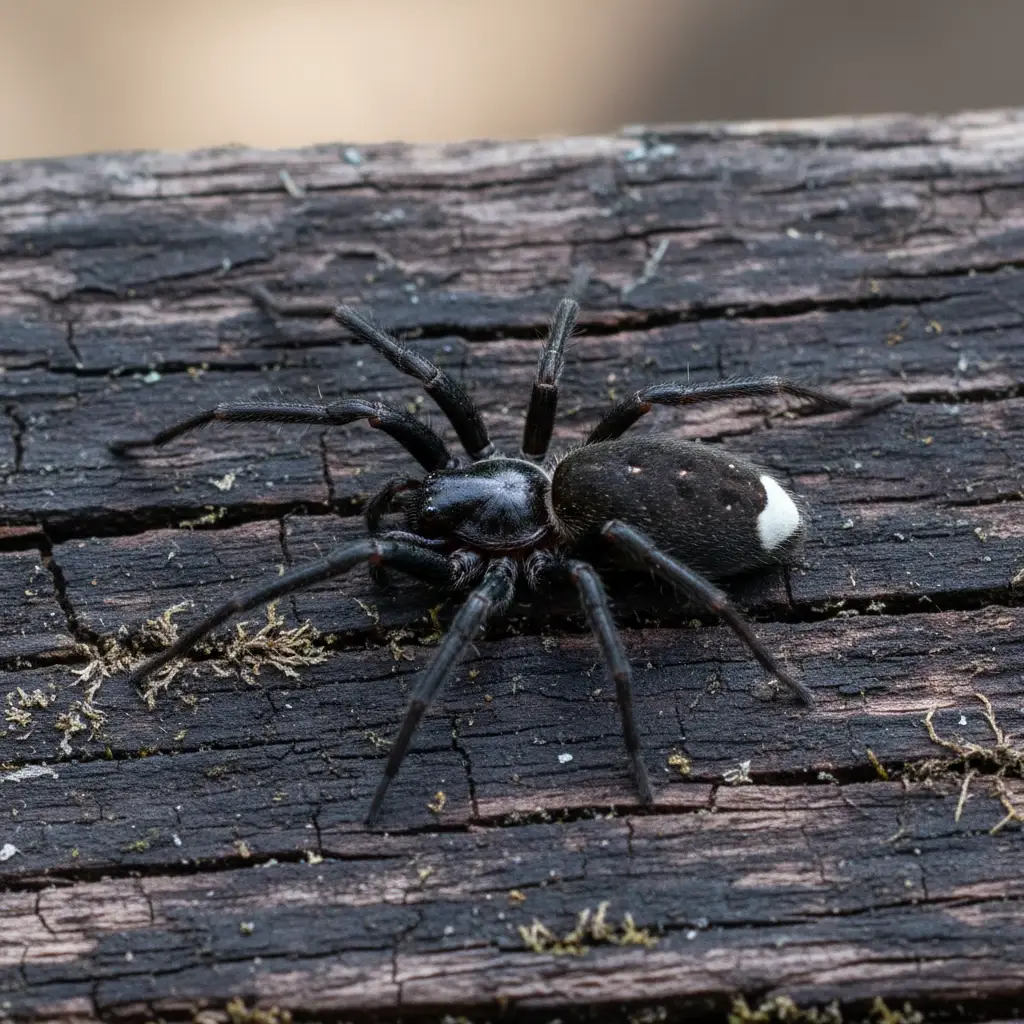
Look, I get it. You wake up, flick on the bathroom light, and there’s a massive White-tail sitting right on the bathmat. You freeze, grab a shoe, and immediately start wondering why do i have so many spiders in my house lately. You’re not alone, and you’re not imagining things.
Right now, in May 2026, Auckland is experiencing a massive autumn pest surge. We had an unusually mild winter last year, followed by an intensely hot summer [1]. That specific weather pattern caused insect populations to absolutely explode across the region.
When the temperature drops and the autumn rains hit, all those insects move indoors to stay warm. The spiders simply follow the buffet. They don’t care about your house; they care about the food living inside your walls.
As a straight-talking Auckland pest tech, I see the same scenario play out every day. Homeowners panic, buy a dozen toxic supermarket bug bombs, and wonder why the spiders are back a week later. It’s a cycle of despair that drains your wallet and ignores the actual science of pest behavior.
We need to stop treating the symptoms and start fixing the house. Let’s break down exactly what’s drawing these eight-legged squatters inside and how we can permanently shut the door on them.
Key Takeaways
If you’re wondering why do i have so many spiders in my house, the answer is abundant indoor insect prey and unsealed structural entry points. Auckland’s mild winters drive insects indoors, and predator spiders follow. Permanent eradication requires sealing gaps and applying targeted, MPI-approved exterior barriers.
The Root Causes of Indoor Spider Infestations
Spiders don’t accidentally end up in your bedroom. They’re highly calculated predators that set up camp where the hunting is good. If you’re seeing a sudden influx of eight-legged visitors, you have an underlying ecosystem problem.
To stop them, we have to look at your house the way a pest does. It’s a warm, dry cave filled with food. Until we remove the food and block the cave entrance, the spiders will keep coming.
Abundant Food Sources: Are Other Pests Attracting Them?
The number one reason you have a spider problem is that you have a bug problem. Spiders feed on flies, mosquitoes, silverfish, ants, and cockroaches. If your home has a healthy population of these insects, it becomes a magnet for web-spinners.
This is especially true for the notorious White-tail spider. Unlike the Grey House spider, White-tails don’t spin webs to catch flies. They’re vagrant hunters, meaning they actively roam your house at night hunting other spiders.
If you leave cobwebs hanging in the corners of your ceiling, you’re essentially advertising a free meal to White-tails. When clients ask me why do i have so many spiders in my house, the first thing I do is point a flashlight at their window frames to show them the insect buffet they’re hosting.
Exterior lights attract flying insects at night. Spiders quickly learn to build webs near these light sources. Switch to yellow bug lights or use motion sensors to cut off the spider food supply at the source.
Structural Vulnerabilities: Unsealed Windows and Vents
Spiders don’t need an open door to get inside. A gap the width of a credit card is a superhighway for most common household pests. Older Auckland homes, particularly weatherboard villas, are notorious for these structural gaps.
Common structural vulnerabilities we find in Auckland homes include:
- Degraded Weather-stripping: The rubber seals around your doors and aluminum windows shrink over time, leaving perfect entry points.
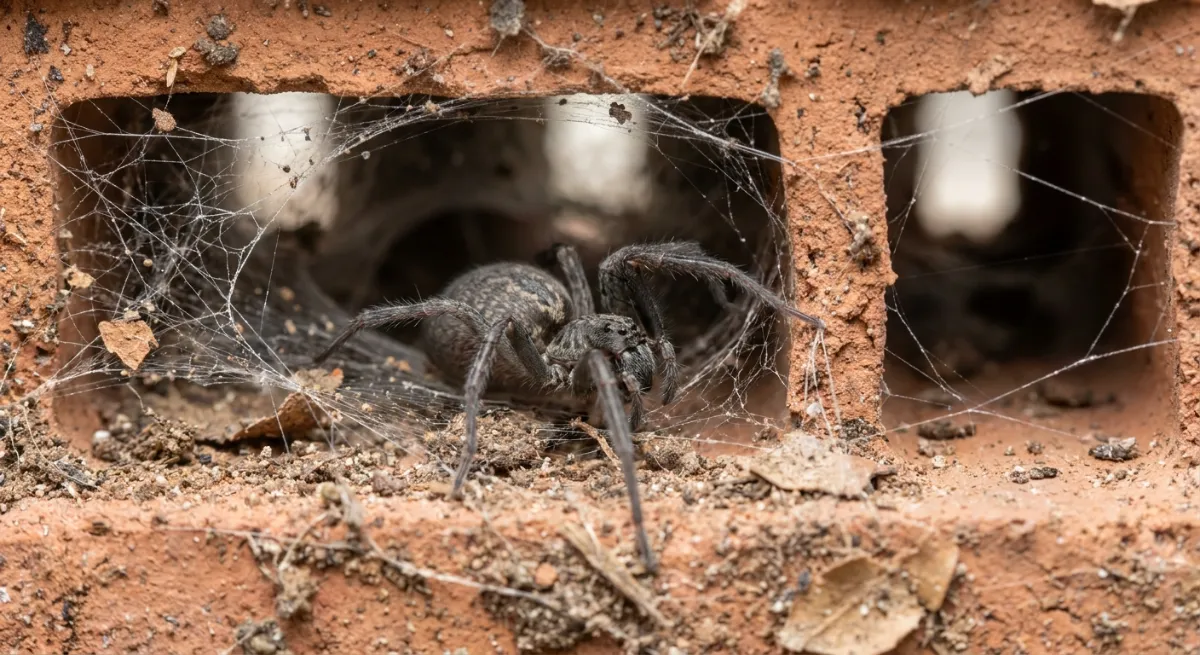
- Unscreened Sub-floor Vents: Open terracotta or brick vents allow spiders to build massive nest networks under your floorboards.
- Overhanging Vegetation: Trees and bushes touching your roof or gutters act as a physical bridge for spiders to bypass your exterior walls.
- Cracked Cladding: Weatherboard gaps and cracked stucco provide sheltered micro-climates for spiders to survive the winter.
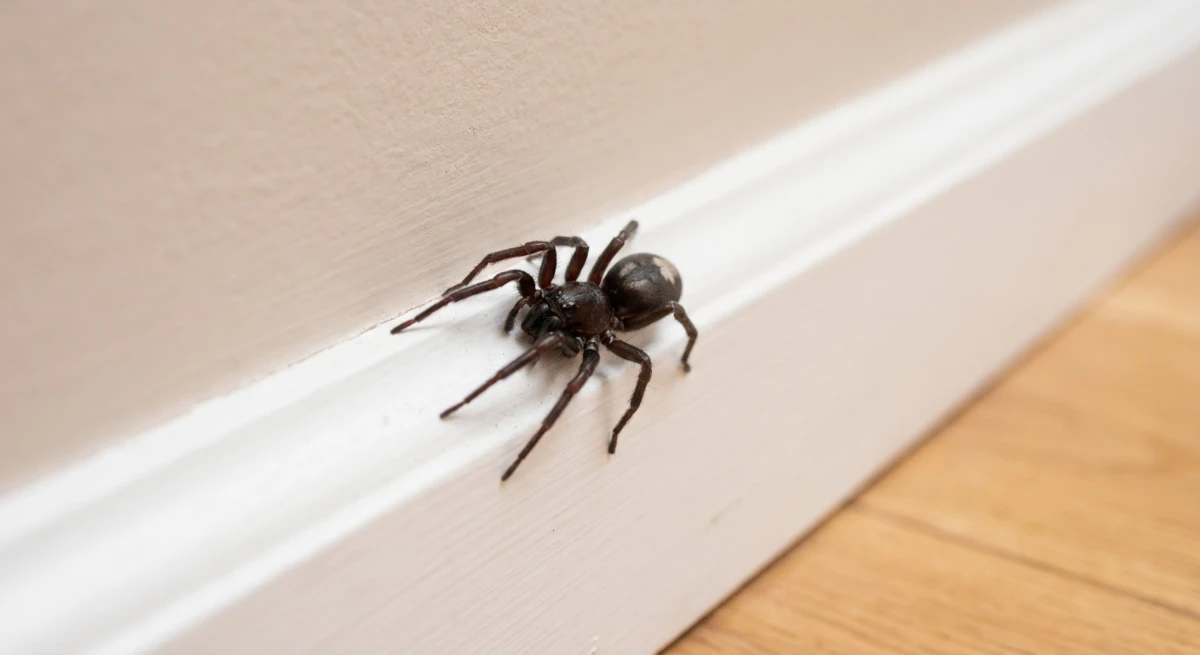
We frequently find massive spider nests inside roof cavities and sub-floors. They breed in these undisturbed voids and then slip through downlights or skirting board gaps right into your living space.
Environmental Factors Driving Spiders Indoors
You can’t control the weather, but you need to understand how it dictates pest behavior. The Auckland climate is basically a giant incubator for insects. When the weather shifts, the ecosystem reacts immediately.
We track these environmental triggers closely. It allows us to predict exactly when the phones will start ringing with panicked homeowners dealing with spider invasions.
The Impact of Auckland’s Mild Winters and Hot Summers
The pest control industry in Auckland is dealing with the fallout of the 2025/2026 weather cycle [2]. A mild winter meant that a huge percentage of the insect population survived rather than freezing off. This was followed by a long, hot summer, triggering rapid breeding cycles.
Now, as we push into the cooler, wetter months, that massive population of insects and spiders is seeking shelter. Your insulated, climate-controlled home is the ultimate refuge.
If you’re asking why do i have so many spiders in my house this year compared to last year, the data speaks for itself. It’s a numbers game, and right now, the bugs are winning.
Moisture and Humidity in Sub-Floors
Spiders, particularly cellar spiders and White-tails, thrive in damp, dark environments. Auckland’s coastal humidity makes our sub-floors the perfect breeding ground. If your house has poor drainage or inadequate sub-floor ventilation, you’re rolling out the red carpet for pests.
Moisture attracts woodlice, silverfish, and cockroaches. Where those bugs go, the spiders follow. Fixing a leaky pipe or installing a vapor barrier can often do more for long-term pest control than a hundred cans of bug spray.
We always inspect the sub-floor during a call-out. If it smells musty and the soil is damp, we already know exactly where the spiders are coming from.
The upcoming FAOPMA Pest Summit in Auckland (July 2026) is heavily focused on FutureProof solutions. The industry is moving entirely away from reactive chemical spraying and toward environmental modifications, like moisture control, to defeat pests.
The DIY Cycle of Despair
When people spot spiders, their first instinct is usually to head to Mitre 10 or Bunnings. They grab a handful of aerosol bug bombs and set them off in the lounge. This is what we call the DIY Cycle of Despair.
It feels like you’re doing something proactive, but the results are almost always temporary. Within two weeks, the spiders are back, and you’re out fifty bucks.
Why Hardware Store Bombs Don’t Work on Spiders
Here’s the biological truth: spiders are arachnids, not insects. They don’t groom themselves the same way ants or cockroaches do. If a cockroach walks over a sprayed surface, it cleans its antennae and ingests the poison. Spiders walk on long legs, keeping their bodies high off the ground.
There are several structural and biological reasons why DIY foggers fail:
- Lack of Penetration: Foggers cannot push chemical vapor against the natural airflow of a wall cavity where the spiders actually nest.
- Spider Anatomy: Spiders don’t drag their bodies on the ground, meaning they pick up far less residual chemical on their feet than crawling insects.
- No Repellent Effect: Bombs kill what is in the room at that exact moment but offer zero long-term barrier protection to stop new spiders walking in tomorrow.
You end up covering your kitchen counters in toxic residue while completely missing the spider nests hidden behind the gib board. It’s inefficient, frustrating, and ultimately a waste of time.
Overusing DIY aerosol bombs can pose serious health risks to pets and children. It also violates the core principles of the HSNO Act if used improperly. Always prioritize targeted, professional applications over indiscriminate fogging.
Professional Structural Exclusion Solutions
If you’re serious about stopping spiders, you need a scientific approach. At Pest Control Auckland, we practice Predictive Integrated Pest Management (IPM). We don’t just spray and pray; we find the entry points and shut them down.
Our technicians hold the New Zealand Certificate in Pest Operations (Level 3). That means we’re qualified to handle Class 9 ecotoxic substances safely. We use MPI-approved, zero-emission treatments that are incredibly tough on spiders but completely safe for your family and pets.
We apply a targeted micro-encapsulated barrier to the exterior of your home. This binds to the surfaces where spiders build their webs and hunt. We also treat the roof voids and sub-floors, hitting them exactly where they breed.
By combining this targeted treatment with structural advice—like sealing gaps and fixing moisture issues—we deliver our Silver Bullet Guarantee. You get your home back, and the spiders stay outside where they belong.
| Treatment Method | Target Area | Efficacy on Spiders | Long-Term Result |
|---|---|---|---|
| DIY Aerosol Bombs | Lounge & Bedrooms | Low (Misses the nests) | Spiders return in 2 weeks |
| Surface Bug Sprays | Skirting Boards | Medium (Contact only) | Washes away quickly |
| Professional IPM Exclusion | Roof, Sub-floor, Exterior | High (Eradicates root cause) | Seasonal Protection Guaranteed |
Clear vegetation away from your exterior walls. Knock down existing visible webs to remove the food source for hunting spiders. Finally, book a certified technician to apply a seasonal exterior barrier.
Frequently Asked Questions

About the Author: Ronnie
Founder, Pest Control Auckland · Commercial & Residential Pest Expert · Certified Urban Pest Management Specialist
With years of hands-on experience navigating Auckland’s unique climate and strict biosecurity laws, Ronnie is the definitive expert on structural pest exclusion. Having consulted for both residential homeowners and commercial property managers across the region, he understands exactly how to diagnose and permanently resolve complex indoor spider infestations without relying on temporary, toxic sprays.