Business pest control in Auckland involves implementing strategic and ongoing pest management solutions tailored specifically for commercial properties to safeguard public health, protect assets, and maintain brand reputation. It encompasses everything from initial assessments and proactive prevention to targeted treatments and continuous monitoring, ensuring businesses operate in a pest-free environment compliant with local regulations.
Understanding the Unique Pest Challenges for Auckland Businesses
Auckland’s temperate climate, proximity to diverse natural environments, and dense urban development create a unique landscape for commercial pest challenges. Businesses, regardless of their industry, face a constant threat from various pests that can compromise hygiene, damage infrastructure, and severely impact operations and reputation. Understanding these specific challenges is the first step towards effective pest management.
Common Pests Affecting Auckland Commercial Properties
Commercial properties in Auckland are susceptible to a range of common pests, each presenting its own set of problems:
- Rodents (Rats and Mice): These destructive pests seek shelter, food, and water, often entering buildings through small gaps. They can contaminate food, damage electrical wiring leading to fire hazards, and spread diseases. Auckland’s urban infrastructure provides ample hiding spots.
- Cockroaches: Thrive in warm, moist environments like kitchens and food storage areas. They are notorious carriers of bacteria and allergens, posing significant health risks and a major reputation threat, especially in hospitality and food service sectors.
- Flies: Particularly troublesome in food-related businesses, flies can rapidly transmit pathogens, affecting hygiene standards and customer perception. Their presence signals poor sanitation.
- Ants: While often seen as a minor nuisance, ant infestations can be widespread and challenging to eradicate without professional intervention. They contaminate food and can damage electrical components.
- Spiders: Beyond the initial fright, some spider species can deliver venomous bites. Their webs can also detract from the cleanliness and professionalism of a commercial space, particularly in retail and office environments.
- Birds: Pigeons and gulls can cause significant damage to roofs and structures through their droppings, which are also corrosive and carry diseases. Nesting can block gutters and create noise disturbances.
Industry-Specific Risks
The impact and prevalence of pests vary significantly across different business sectors:
- Food Service & Hospitality (Restaurants, Cafes, Hotels): Highly vulnerable to all types of pests due to the constant presence of food and water. A single pest sighting can devastate a business’s reputation and lead to health code violations. Regular, discreet, and highly effective pest control is paramount.
- Retail (Supermarkets, Clothing Stores): Pests like rodents, cockroaches, and fabric pests can damage inventory, contaminate products, and deter customers, leading to financial losses and a tarnished brand image.
- Offices & Commercial Buildings: While seemingly less prone, offices can attract rodents, ants, and cockroaches, especially in kitchenettes and waste areas. Pests can disrupt employees, damage IT infrastructure, and create an unhealthy working environment.
- Warehousing & Manufacturing: Large spaces with stored goods offer ideal harborage for rodents, insects, and birds. Pests can destroy stock, contaminate raw materials, and disrupt supply chains, incurring substantial economic losses.
- Healthcare Facilities: Hospitals, clinics, and care homes require the strictest pest control measures due to the presence of vulnerable individuals. Pests here pose severe health risks and can compromise sterile environments.
Recognising these specific vulnerabilities is crucial for developing an effective, targeted pest management strategy that protects both the business and its patrons or employees.
Crafting a Bespoke Commercial Pest Management Plan
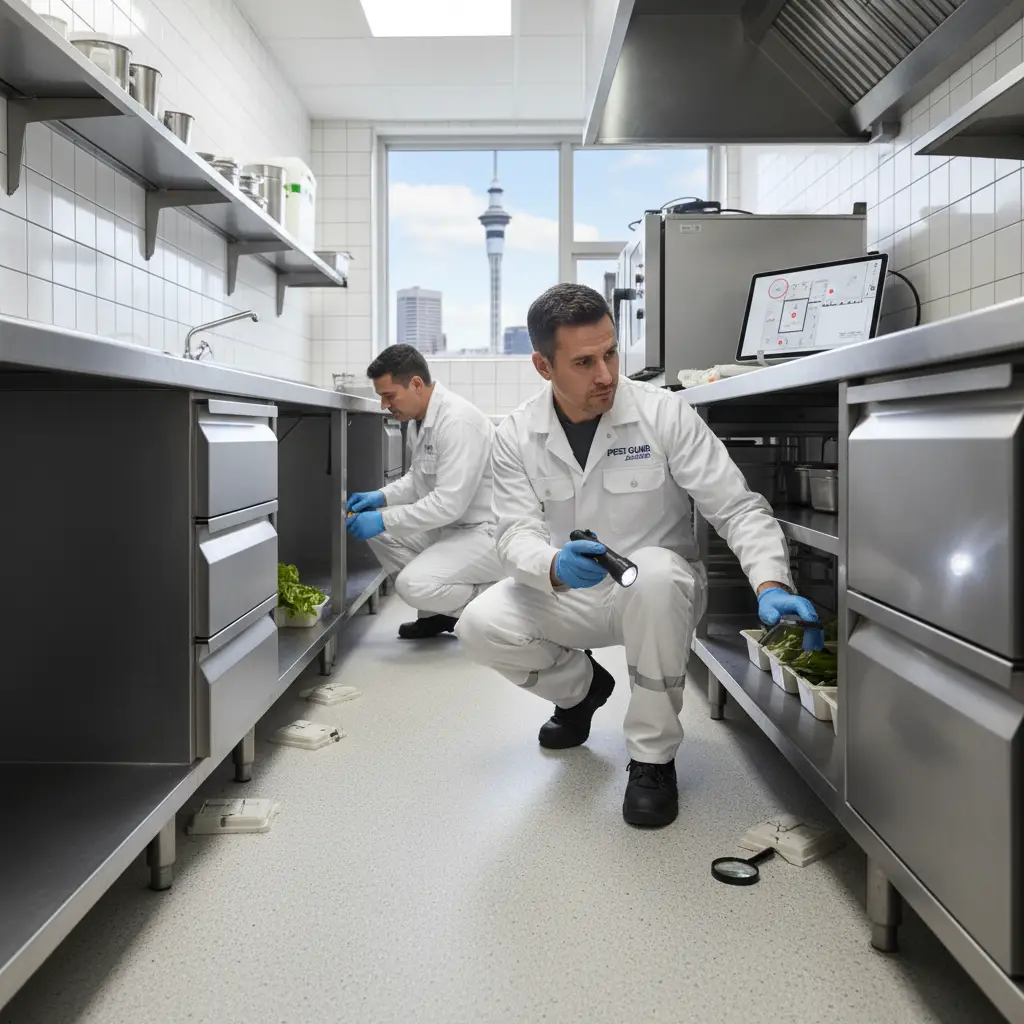
For businesses in Auckland, a one-size-fits-all approach to pest control is ineffective. The most successful strategies are those meticulously crafted to address the specific needs, risks, and operational nuances of each commercial entity. This involves a systematic process from initial assessment to ongoing strategic implementation, prioritising prevention and long-term sustainability.
Comprehensive Assessment and Risk Analysis
The foundation of any effective pest management plan is a thorough initial assessment. A qualified pest control professional will conduct a detailed inspection of your premises, focusing on:
- Identifying Current Infestations: Locating existing pests, their harborage areas, and entry points.
- Assessing Vulnerabilities: Identifying structural weaknesses (cracks, gaps), sanitation issues, and environmental factors that attract pests.
- Understanding Business Operations: Taking into account industry-specific regulations, peak operational hours, storage practices, and traffic flow to minimise disruption and maximise treatment effectiveness.
- Risk Mapping: Categorising areas by their susceptibility to pest activity and the potential impact of an infestation (e.g., high-risk food preparation areas vs. low-risk storage).
This comprehensive analysis allows for the development of a baseline understanding of your commercial property’s unique pest profile.
Integrated Pest Management (IPM) Principles
Modern commercial pest control in Auckland heavily relies on Integrated Pest Management (IPM) – a holistic, environmentally sensitive approach that emphasises long-term prevention over reactive chemical treatments. IPM involves:
- Inspection: Continuous monitoring and regular site visits to detect early signs of pest activity.
- Identification: Accurate identification of pest species to select the most appropriate and effective control methods.
- Treatment: Utilising a combination of methods, prioritising non-chemical solutions first (e.g., traps, exclusion, sanitation improvements). Chemical treatments are applied judiciously and only when necessary, targeting specific pests and areas to minimise environmental impact and exposure.
- Monitoring: Ongoing surveillance to assess the effectiveness of treatments and identify any new pest threats.
- Prevention: Implementing structural modifications, improved sanitation practices, and employee education to prevent future infestations.
Customised Treatment Strategies
Based on the IPM assessment, a tailored plan will outline specific treatment methodologies, which may include:
- Exclusion Techniques: Sealing entry points, repairing screens, and installing physical barriers to prevent pests from entering.
- Sanitation Recommendations: Advising on waste management, food storage, and cleaning protocols to eliminate pest attractants.
- Baiting and Trapping: Strategic placement of bait stations and traps, particularly effective for rodents and cockroaches, reducing the need for broad-spectrum sprays.
- Targeted Chemical Applications: Use of approved, low-toxicity pesticides applied precisely to affected areas, adhering to all safety regulations.
- Biological Controls: In some commercial agricultural or outdoor settings, using natural enemies of pests.
- Heat or Cold Treatments: Non-chemical methods particularly effective for certain insect infestations in specific environments.
The bespoke nature of these plans ensures maximum effectiveness while minimising disruption to your business operations and maintaining compliance with health and safety standards.
Ensuring Regulatory Compliance and Health Standards
Operating a business in Auckland comes with a responsibility to adhere to stringent health, safety, and environmental regulations. For commercial pest control, compliance is not merely an option but a legal and ethical imperative, particularly for sectors dealing with food, healthcare, or public access. Businesses must navigate New Zealand’s regulatory landscape to avoid penalties, protect their brand, and ensure public well-being.
Adherence to New Zealand Legislation
Several key pieces of legislation govern commercial pest management practices:
- Health and Safety at Work Act 2015 (HSWA): This overarching act places primary duty of care on Persons Conducting a Business or Undertaking (PCBUs) to ensure the health and safety of workers and others affected by their work. This includes managing risks associated with pests and the use of pest control chemicals. Businesses must have systems in place to identify pest risks and implement effective control measures. Further information can be found on the WorkSafe NZ website.
- Food Act 2014: Businesses that prepare, handle, or sell food must comply with the Food Act, which mandates robust pest control to prevent contamination. This involves implementing Food Control Plans or National Programmes that specifically address pest management, sanitation, and hygiene. The Ministry for Primary Industries (MPI) provides detailed guidance on these requirements.
- Hazardous Substances and New Organisms Act 1996 (HSNO Act): This act regulates the import, manufacture, use, and disposal of hazardous substances, including pesticides. Commercial pest control operators must use approved substances and apply them according to strict safety guidelines to protect human health and the environment.
- Local Council Bylaws: Auckland Council may have specific bylaws related to public health, waste management, and property maintenance that indirectly or directly impact pest control requirements for businesses.
Documentation and Reporting Requirements
Maintaining meticulous records is a cornerstone of compliance. Businesses should expect and demand detailed documentation from their pest control provider, including:
- Service Reports: Dates of service, areas inspected, pests found, treatments applied (including active ingredients, quantities, and methods), and recommendations for prevention.
- Pest Activity Logs: Trends in pest sightings or trap captures over time.
- Risk Assessments: Documentation of identified pest risks and control measures put in place.
- Safety Data Sheets (SDS): For all chemicals used on site.
These records are invaluable during audits, demonstrate due diligence, and help refine ongoing pest management strategies.
Audit Readiness and Best Practices
Being audit-ready involves more than just having paperwork. It means embedding compliance into daily operations:
- Regular Self-Audits: Periodically reviewing internal pest control procedures and ensuring staff adherence to protocols.
- Staff Training: As detailed below, ensuring employees understand their role in maintaining a pest-free environment and reporting issues.
- Proactive Maintenance: Addressing structural issues and sanitation concerns promptly to remove potential pest attractants.
- Transparent Communication: Maintaining open dialogue with your pest control provider to ensure alignment with all regulatory changes and best practices.
By prioritising compliance, Auckland businesses can safeguard their reputation, avoid costly fines, and ensure a safe, hygienic environment for everyone.
The Role of Employee Training in Pest Prevention
While professional pest control services are essential, the first line of defence against commercial pest infestations in Auckland often lies with a business’s own employees. A well-informed and actively engaged workforce can significantly enhance the effectiveness of any pest management plan, turning potential vulnerabilities into strong preventive measures. Employee training is not just beneficial; it’s a critical component of a holistic strategy.
Importance of Staff Awareness
Employees are on the ground daily, observing the operational environment, handling inventory, and interacting with customers. They are uniquely positioned to:
- Early Detection: Spot initial signs of pest activity (droppings, gnaw marks, unusual odours, live pests) before an infestation takes hold.
- Prevention: Understand and implement daily practices that deter pests, such as proper waste disposal, timely spills cleanup, and securing food items.
- Reporting: Know the correct procedures for reporting pest sightings or potential vulnerabilities, ensuring a swift and professional response.
Without adequate awareness, even the most robust professional pest control plan can be undermined by inadvertent employee actions or overlooked issues.
Key Training Areas
Effective employee training should cover several critical aspects tailored to the business’s industry and specific pest risks:
- Pest Identification Basics: Teaching staff to recognise common pests in their environment and understand the signs of their presence. This doesn’t require them to be experts but competent in basic identification.
- Sanitation Protocols: Detailed instructions on maintaining cleanliness, especially in food preparation areas, break rooms, and waste disposal zones. This includes proper waste segregation, bin cleaning schedules, and spill management.
- Storage Best Practices: Guidance on storing food, packaging, and other items off the floor, in sealed containers, and away from walls to minimise harborage and food sources for pests.
- Structural Awareness: Educating employees to identify and report potential entry points for pests, such as cracks in walls, gaps under doors, damaged screens, or leaky pipes.
- Reporting Procedures: Establishing clear, accessible channels for reporting pest sightings or structural issues to management or the designated pest control liaison. This ensures that concerns are addressed promptly and systematically.
- Personal Hygiene: Emphasising personal cleanliness, especially for staff handling food, to avoid inadvertently introducing pests.
Developing an Internal Pest Control Policy
To institutionalise these practices, businesses should develop and disseminate an internal pest control policy. This policy should:
- Clearly outline employee responsibilities regarding pest prevention and reporting.
- Detail the consequences of non-compliance (e.g., in food handling).
- Specify regular training schedules and refreshers.
- Be integrated into new employee onboarding processes.
Regular refresher training, perhaps annually or bi-annually, is vital to reinforce knowledge and adapt to any changes in pest challenges or operational procedures. Investing in employee education empowers your team to become active participants in maintaining a pest-free environment, significantly reducing risks and supporting your professional pest control efforts.
Advanced Technologies and Sustainable Practices in Commercial Pest Control
The field of commercial pest control in Auckland is continuously evolving, embracing new technologies and sustainable methodologies to offer more effective, efficient, and environmentally responsible solutions. Businesses today benefit from innovations that move beyond traditional reactive chemical treatments, focusing instead on proactive monitoring, targeted interventions, and ecological stewardship.
Eco-Friendly Pest Solutions
There’s a growing demand and availability of pest control methods that minimise environmental impact while maintaining efficacy:
- Non-Toxic Baits and Traps: Utilising physical traps, sticky boards, and baits with non-toxic or very low-toxicity ingredients to control pests like rodents and insects without residual chemical concerns.
- Biological Controls: In specific commercial agriculture or large-scale outdoor settings, introducing natural predators or pathogens of pest species.
- Heat and Cold Treatments: For certain insect infestations (e.g., bed bugs, stored product pests), targeted heat or freezing treatments can eliminate pests without chemicals, ideal for sensitive environments like hotels or food processing plants.
- Botanical and Essential Oil-Based Repellents/Pesticides: Derived from plants, these offer a less toxic alternative for pest deterrence and control in certain situations.
- Exclusion and Proofing: Emphasising structural modifications (sealing gaps, installing screens, door sweeps) as the primary, long-term, and chemical-free method of prevention.
These green solutions are particularly appealing to businesses aiming for sustainability certifications or those with environmentally conscious customers.
Digital Monitoring and Data Analytics
Technology now allows for unprecedented levels of precision and foresight in pest management:
- Remote Monitoring Systems: IoT (Internet of Things) enabled sensors and traps can detect pest activity (e.g., rodent movement, insect presence) in real-time, sending alerts to pest control providers. This allows for immediate response and reduces the need for frequent physical inspections in hard-to-reach or sensitive areas.
- Data Collection and Analysis: Digital systems collect data on pest trends, hot spots, and effectiveness of treatments over time. This data is invaluable for identifying patterns, predicting future risks, and fine-tuning the pest management strategy for optimal results.
- Digital Reporting: Pest control technicians use tablets and mobile apps to record findings and treatments instantly. This provides businesses with immediate access to service reports, trend analyses, and compliance documentation, enhancing transparency and audit readiness.
These digital tools transform pest control from a reactive service into a proactive, data-driven science, ensuring resources are allocated efficiently and interventions are precisely timed.
Long-Term Environmental Impact
Beyond immediate pest eradication, advanced practices consider the broader ecological footprint:
- Reduced Pesticide Use: Through IPM strategies and targeted applications, the overall volume of pesticides released into the environment is significantly reduced.
- Integrated Waste Management: Recommendations for improved waste segregation, composting, and secure storage reduce attractants for pests, contributing to overall environmental cleanliness.
- Water Conservation: Addressing leaks and damp conditions not only eliminates pest breeding grounds but also contributes to water conservation efforts.
By adopting these advanced technologies and sustainable practices, Auckland businesses can achieve superior pest control outcomes that are not only effective but also align with modern environmental stewardship principles, fostering a healthier workspace and a greener community.
Choosing the Right Commercial Pest Control Partner in Auckland
Selecting a commercial pest control provider in Auckland is a critical decision that directly impacts your business’s health, safety, and reputation. It requires careful consideration beyond just pricing, focusing on expertise, reliability, and a shared commitment to integrated, long-term solutions. A truly effective partnership will offer peace of mind and proactive protection.
Key Criteria for Selection
When evaluating potential pest control partners, consider the following essential criteria:
- Experience and Specialisation: Look for a company with extensive experience in commercial pest control, specifically with businesses in your industry sector (e.g., food service, healthcare, retail). They should understand the unique regulations and challenges you face.
- Certifications and Licensing: Ensure the provider and their technicians are fully licensed by relevant New Zealand authorities and hold appropriate certifications. This demonstrates compliance with industry standards and proper training.
- Local Knowledge: An Auckland-based company will have intimate knowledge of local pest pressures, environmental factors, and regional regulations, allowing for more effective and timely interventions.
- Reputation and References: Seek out reviews, testimonials, and ask for references from other commercial clients. A strong reputation for reliability, professionalism, and results is paramount.
- Integrated Pest Management (IPM) Approach: Prioritise companies that advocate and implement IPM strategies, focusing on prevention, monitoring, and minimal chemical use. Avoid those that offer only reactive, chemical-heavy solutions.
- Insurance and Guarantees: Verify that the company holds comprehensive liability insurance. Inquire about service guarantees and what happens if pests return between scheduled visits.
- Transparency and Communication: The provider should offer clear communication channels, detailed reporting, and be responsive to your queries and concerns.
- Safety Protocols: Confirm their adherence to strict health and safety protocols for their technicians, your employees, and customers, especially concerning chemical applications.
Service Agreements and Ongoing Support
A reputable commercial pest control partner will provide a clear and comprehensive service agreement that outlines:
- Scope of Services: What pests are covered, the frequency of inspections and treatments, and specific areas to be serviced.
- Reporting: The type and frequency of service reports, including pest activity, treatments, and recommendations.
- Emergency Response: Protocols for urgent pest issues that arise between scheduled visits.
- Pricing Structure: Clear breakdown of costs, including any additional charges for emergency call-outs or specialised treatments.
- Review and Adjustment Process: How the pest management plan will be reviewed and adjusted based on evolving pest pressures or business needs.
Beyond the initial setup, look for a partner who offers ongoing support, including regular consultations, educational resources for your staff, and proactive recommendations to enhance your pest prevention efforts. Building a long-term relationship with a trusted provider ensures consistent protection and adaptability to new challenges.
Proactive Monitoring and Long-Term Maintenance Strategies
Effective commercial pest control in Auckland extends far beyond reactive treatments. The most successful businesses implement proactive monitoring and long-term maintenance strategies that continuously adapt to changing environmental conditions, seasonal pest cycles, and operational shifts. This ongoing vigilance is key to sustaining a pest-free environment and protecting your investment.
Regular Inspections and Follow-ups
Consistent professional oversight is fundamental. Your pest control partner should conduct:
- Scheduled Inspections: Regular, pre-determined visits to check for new pest activity, assess the effectiveness of current treatments, and identify potential vulnerabilities before they escalate. The frequency will depend on your industry, risk level, and the specific pest management plan.
- Targeted Follow-up Treatments: Applying treatments as necessary based on inspection findings, rather than a blanket approach, ensuring resources are used efficiently and effectively.
- Detailed Reporting: After each visit, a comprehensive report should be provided, detailing findings, actions taken, and any recommendations for your staff or premises. This record-keeping is vital for compliance and tracking long-term trends.
These routine checks are not merely formalities; they are critical opportunities to intercept pest issues at their earliest stages, preventing costly and disruptive infestations.
Seasonal Adjustments and Preventative Measures
Pest activity often fluctuates with the seasons. A robust long-term strategy accounts for these changes:
- Spring: Increased activity of ants, flies, and birds as temperatures rise. Focus on sealing entry points, external baiting, and bird proofing.
- Summer: Peak season for many insects, including cockroaches, spiders, and wasps. Emphasis on perimeter treatments, fly control, and rapid response to sightings.
- Autumn: Rodents seek indoor shelter as temperatures drop. Focus on robust rodent baiting and trapping, and sealing any new entry points.
- Winter: While some pests are less active, rodents and cockroaches can become more prominent indoors due to seeking warmth and food. Continuous monitoring remains essential.
Your pest control provider should adjust their strategy accordingly, implementing preventative measures specific to seasonal threats. This might include enhancing exterior barriers in spring, focusing on food storage areas in summer, or reinforcing rodent control measures in autumn.
Building a Resilient Pest-Free Environment
Ultimately, the goal is to create a commercial environment that is inherently resistant to pests. This involves a collaborative effort between your business and your pest control partner to:
- Implement Structural Repairs: Promptly addressing any recommendations for sealing cracks, repairing damaged screens, or improving drainage.
- Maintain High Sanitation Standards: Consistently adhering to and reviewing internal cleaning, waste management, and food storage protocols.
- Manage Landscaping: Keeping exterior vegetation trimmed, ensuring proper drainage, and removing debris to reduce outdoor harborage for pests.
- Educate and Empower Staff: Reinforcing the importance of employee vigilance and prompt reporting, as detailed in previous sections.
- Regular Review of the Plan: Periodically reviewing your pest management plan with your provider to ensure it remains aligned with your business needs, regulatory changes, and evolving pest challenges.
By embracing proactive monitoring and investing in these long-term maintenance strategies, Auckland businesses can establish a resilient defense against pests, ensuring sustained hygiene, operational integrity, and peace of mind.
Conclusion
Effective pest control is an indispensable aspect of operating a successful business in Auckland. Far from being a mere reactive measure, it represents a proactive, strategic investment in public health, brand reputation, and operational continuity. By understanding industry-specific risks, adopting integrated pest management principles, ensuring rigorous compliance with New Zealand’s health and safety regulations, and actively engaging employees in prevention efforts, businesses can build a robust defense against common commercial pests.
Furthermore, leveraging advanced technologies and sustainable practices, alongside selecting a reputable and experienced local pest control partner, ensures that your business benefits from the most efficient and environmentally responsible solutions available. Through continuous monitoring, seasonal adjustments, and a commitment to long-term maintenance, Auckland businesses can cultivate a truly pest-free environment, safeguarding their premises, products, staff, and customers for years to come. Investing in comprehensive pest control best practices is not just a cost; it is a critical component of enduring success and peace of mind in Auckland’s dynamic commercial landscape.
People Also Ask
What are the most common pests affecting Auckland businesses?
Auckland businesses frequently encounter rodents (rats, mice), cockroaches, ants, flies, and spiders. Food service and hospitality sectors are also prone to birds. The specific pests can vary depending on the industry and the building’s location and structure.
How often should a commercial property in Auckland get pest control services?
The frequency of commercial pest control services in Auckland depends heavily on the industry, the specific business’s risk profile, and the level of pest activity. High-risk environments like food establishments may require monthly or bi-monthly services, while offices might need quarterly or bi-annual visits. A professional pest control assessment can determine the ideal schedule.
What is Integrated Pest Management (IPM) and why is it important for businesses?
Integrated Pest Management (IPM) is a holistic and sustainable approach to pest control that focuses on long-term prevention using a combination of methods. For businesses, IPM is crucial because it minimises reliance on chemical pesticides, reduces environmental impact, ensures regulatory compliance, and provides more effective and lasting pest solutions, thereby protecting health, reputation, and assets.
Are there specific pest control regulations for food businesses in Auckland?
Yes, food businesses in Auckland must comply with the New Zealand Food Act 2014, which mandates robust pest control measures to prevent food contamination. This often involves having a Food Control Plan or National Programme that includes specific pest management protocols, regular inspections, and adherence to strict hygiene standards. Local Auckland Council bylaws may also apply.
How can employees contribute to effective pest prevention in a commercial setting?
Employees play a vital role in pest prevention by practicing good sanitation (proper waste disposal, cleaning spills promptly), reporting pest sightings or structural issues immediately, and adhering to company policies regarding food storage and hygiene. Training staff on basic pest identification and prevention protocols significantly enhances overall pest management effectiveness.
What should businesses look for when choosing a pest control company in Auckland?
When choosing a pest control company in Auckland, businesses should look for extensive commercial experience, proper licensing and certifications, strong local knowledge, a proven track record (references/reviews), an Integrated Pest Management (IPM) approach, comprehensive insurance, and clear service agreements that detail scope, reporting, and emergency response protocols.