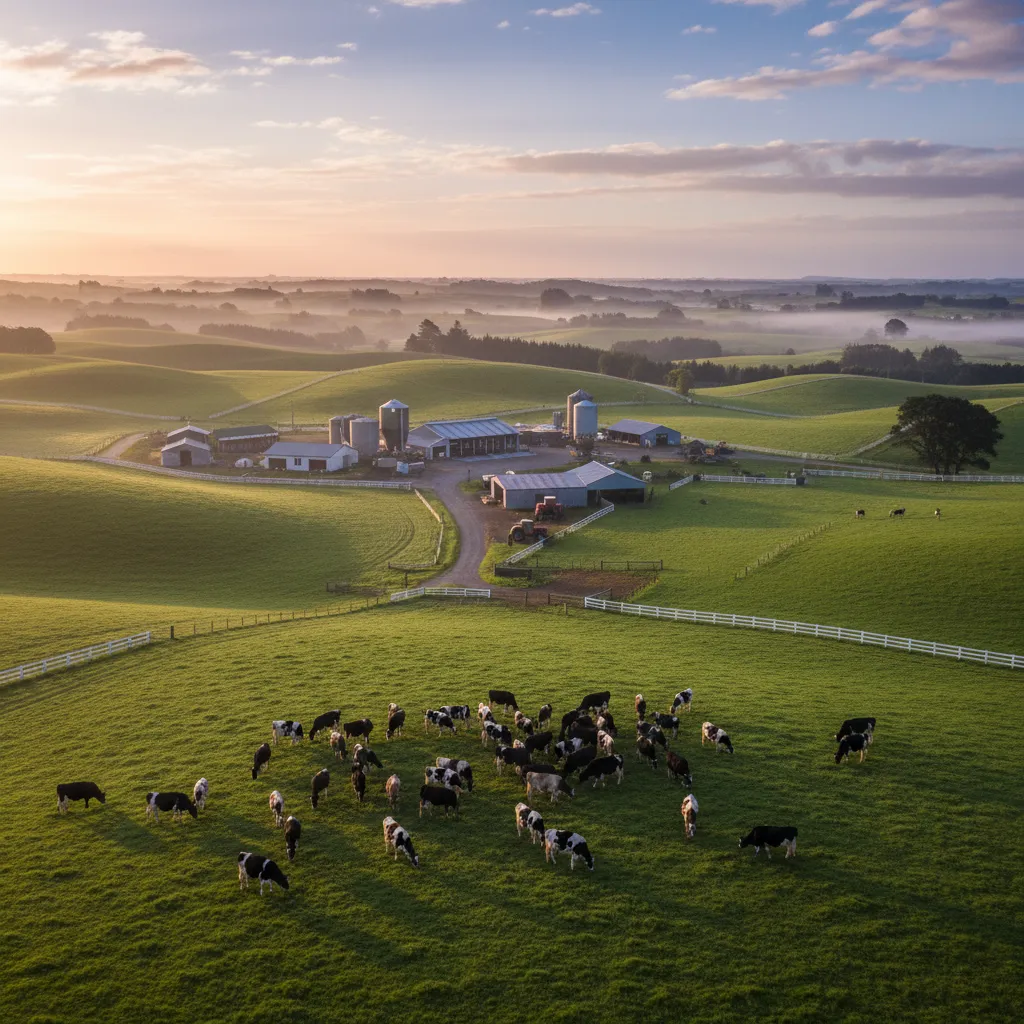
You bought a lifestyle block in Franklin for the peace, the space, and the fresh air. What you probably didn’t sign up for is the relentless swarm of flies ruining your summer barbecues and driving your livestock mad.
I’m Ronnie, founder of Pest Control Auckland. I see this exact scenario play out every single day across South Auckland and the wider rural region. The mild winter and scorching summer we experienced leading into May 2026 created a perfect storm for agricultural and urban pests alike.
If you want to stop the swarm, you have to hit them exactly where they breed. That means taking a hard look at your paddocks, your compost bins, and your manure piles. We don’t just spray chemicals into the wind and hope for the best; we use science to break the reproductive cycle.
Let’s get straight into the mechanics of Bush Fly Breeding Mitigation for Franklin Lifestyle Blocks: Soil, Dung, and Compost Management. By understanding the biology of the enemy, you can reclaim your property and protect your home.
Key Takeaways
Effective Bush Fly Breeding Mitigation for Franklin Lifestyle Blocks: Soil, Dung, and Compost Management relies entirely on breaking the reproductive cycle in decaying organic matter. Integrating pastoral dung beetles, maintaining hot compost above 55°C, and applying targeted, MPI-approved perimeter treatments around dwellings will drastically reduce fly populations and protect your rural property.
The 2026 Autumn Surge: Why Franklin is Swarming
Right now, rural Auckland is facing an unprecedented pest migration. The environmental conditions over the last twelve months accelerated the breeding cycles of the Australian bush fly (Musca vetustissima) and common house flies.
As the autumn chill sets in, these pests are aggressively seeking out warm, nutrient-rich environments to lay their final clutches of eggs before winter. Your paddocks, manure piles, and compost bins are prime real estate.
A single female fly can lay over 2,000 eggs in her short lifetime. If you are only swatting the adults buzzing around your kitchen, you have already lost the war. You have to go straight to the source.
Bush Fly Breeding Mitigation for Franklin Lifestyle Blocks: Soil, Dung, and Compost Management
When we talk about Bush Fly Breeding Mitigation for Franklin Lifestyle Blocks: Soil, Dung, and Compost Management, we are talking about Predictive Integrated Pest Management (IPM). This is not about surface-level treatments.
It is about understanding entomology and altering the physical landscape of your property so pests simply cannot survive. Bush flies require highly specific moisture levels and decaying organic matter to breed.
Their larvae (maggots) thrive in fresh animal feces and poorly managed, damp soil. By manipulating these three elements—soil, dung, and compost—we strip away their habitat entirely.
The Biology of the Bush Fly
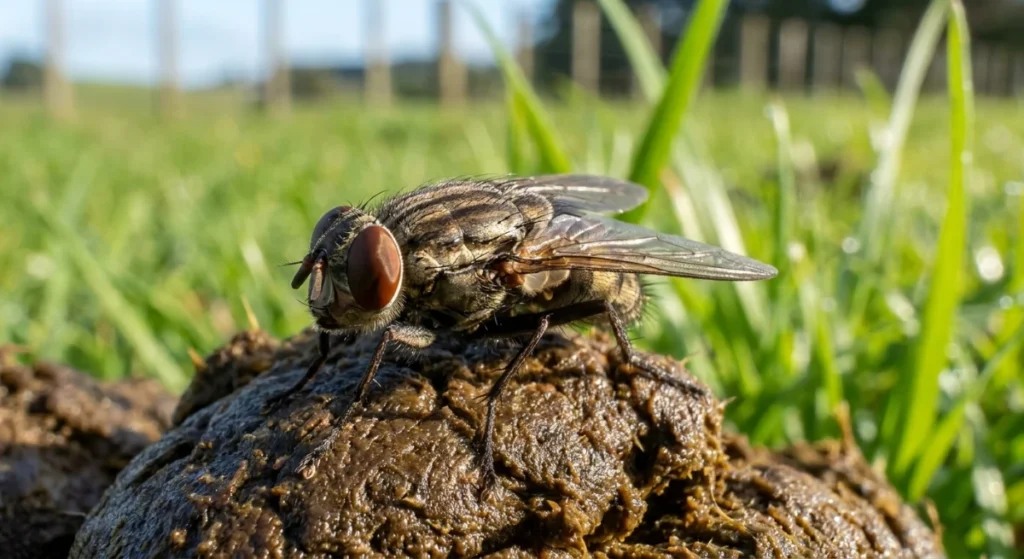
Bush flies are strong fliers, capable of traveling several kilometers on the wind. However, they prefer to stay close to their food source. They feed on the fluids of large mammals and require fresh dung for oviposition (egg-laying).
If a Franklin lifestyle block has horses, sheep, alpacas, or cattle, it is a massive target. The eggs hatch within 8 to 12 hours under optimal conditions.
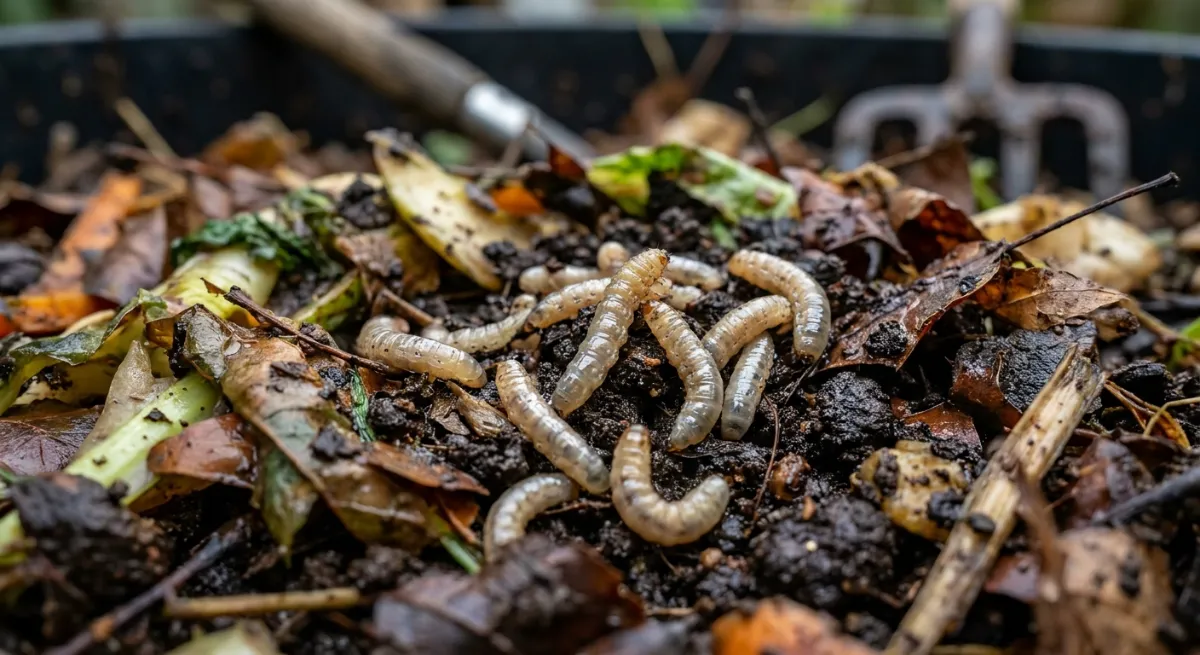
The larvae then feed on the organic matter, pupate in the surrounding soil, and emerge as adults within a week. That is how a minor nuisance turns into a full-blown infestation in just ten days.
Bush flies and house flies are mechanical vectors for serious diseases. They transfer pathogens like Salmonella, Shigella, and E. coli from animal feces directly onto your food preparation surfaces. Ignoring an infestation is a direct health risk to your family.
Dung Management: The Role of Pastoral Dung Beetles
New Zealand’s native dung beetles evolved in forests, not pastures. This evolutionary gap left our agricultural lands highly vulnerable to dung accumulation.
Because modern farming was only introduced roughly 150 years ago, native beetles do not process the dung of domesticated livestock efficiently. This is where pastoral dung beetles come into play.
Highly regulated releases of non-native dung beetles have transformed rural pest management across New Zealand. These beetles aggressively compete with bush flies for manure, cutting off the fly’s life cycle at the root.
How Dung Beetles Outcompete Flies
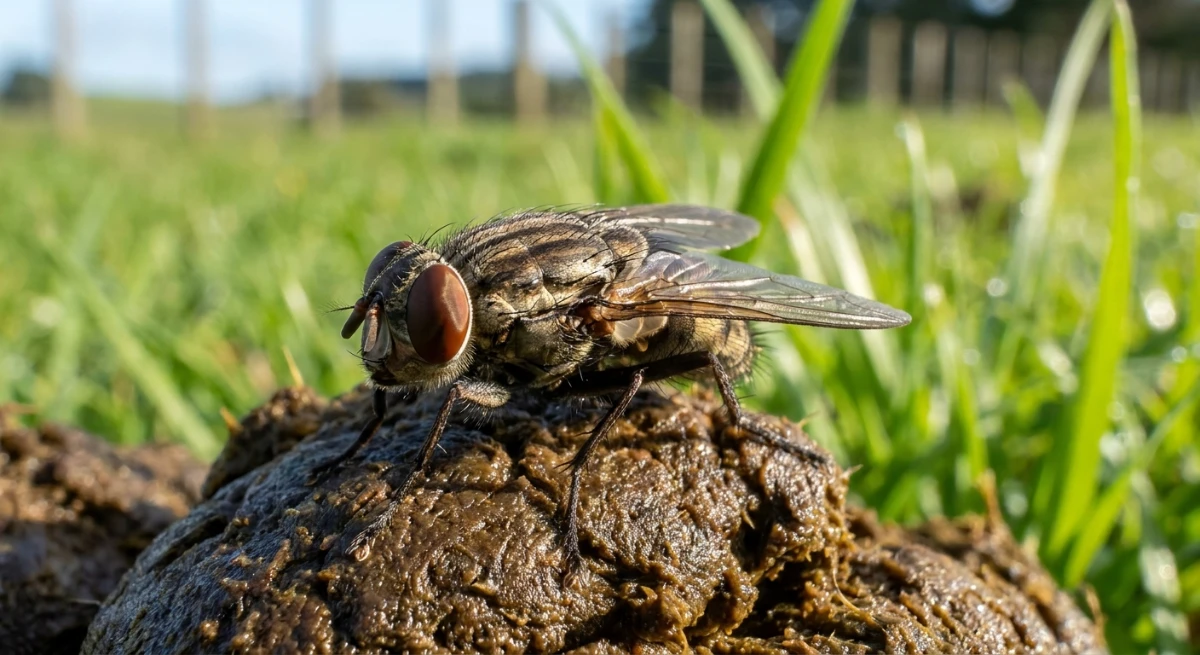
Dung beetles tunnel into fresh feces, breaking it apart and burying it deep within the soil profile. This rapid removal of manure from the pasture surface eliminates the exact breeding medium bush flies require.
If the dung is buried within 24 hours, fly larvae simply cannot survive. Furthermore, this tunneling action improves soil aeration and reduces pasture fouling.
It also prevents contaminated runoff from leaching into Auckland’s waterways. It is a biological control method that works 24/7 without requiring any chemical input from you.
Organizations like Dung Beetle Innovations offer specific “Lifestyle Block Packages” containing around 150 beetles. These are perfectly sized for small rural properties in Franklin to help naturally suppress the local fly population over several seasons.
Compost Management and Fly Strike Prevention
Many lifestyle block owners in Franklin try to do the right thing by composting their organic waste. Unfortunately, a poorly managed compost heap is nothing more than a five-star hotel for breeding flies.
If your compost smells like rotting garbage, it is too wet and too nitrogen-rich. Effective compost management for fly breeding in NZ requires strict temperature and chemical balancing.
You must manage the carbon-to-nitrogen ratio to ensure the pile breaks down efficiently without attracting pests. If you get this wrong, you are actively farming flies.
The Thermal Kill Zone
A healthy compost pile should generate its own heat through microbial action. This is called “hot composting.”
If you can get the core temperature of your compost stack above 55°C, it becomes a thermal kill zone for fly eggs and larvae. For larger rural properties dealing with dead stock composting, temperatures must reach up to 70°C.
This intense heat not only prevents fly incubation but also destroys harmful pathogens. You achieve this by turning the pile regularly to introduce oxygen.
Carbon-to-Nitrogen Balancing
Flies are drawn to exposed “green” waste—kitchen scraps, fruit, and fresh grass clippings. To stop them, you must cap this nitrogen-rich material with a thick layer of “brown” carbon.
Every time you add food scraps, cover them immediately with straw, dry leaves, or untreated sawdust. This physical barrier prevents adult flies from landing and laying eggs.
If flies are already present, dusting the surface with Diatomaceous Earth can dehydrate and kill the larvae. It is a simple, non-toxic fix for an annoying problem.
Chemical Intervention: When Structural Exclusion Isn’t Enough
Biological controls and compost management take time to establish. When you are in the middle of an autumn surge, you need immediate relief.
This is where professional, targeted chemical intervention becomes necessary. However, rural pest control in New Zealand is heavily regulated.
The era of toxic “spray and pray” is over. We utilize highly targeted, zero-emission treatments that comply with the strict environmental standards of the Auckland Regional Pest Management Plan.
Level 3 Certified Perimeter Treatments
Under the EPA HPC Notice 2017 and the HSNO Act 1996, handling Class 9 ecotoxic substances requires a Qualified Urban Pest Management Contractor. We do not blanket-spray your paddocks.
Instead, we apply residual barrier treatments to the specific resting sites of adult flies. This includes the eaves of your home, barn walls, and fence lines.
When the flies land on these treated surfaces, they absorb the synthetic pyrethroids and die rapidly. This knocks down the adult population while your dung beetles and compost management handle the breeding sites.
If you run a commercial hospitality business or farm stay on your lifestyle block, you must adhere to the Food Act 2014. Toxic baiting in food prep areas is strictly prohibited, making structural exclusion and non-toxic monitoring your only legal options.
Cost vs. Value: Auckland Rural Pest Management Benchmarks
Property owners often waste hundreds of dollars on hardware store fly traps and bug bombs before calling a professional. This “DIY Cycle of Despair” only allows the breeding cycle to compound.
Transparent pricing is a core value at Pest Control Auckland. We believe in fixing the problem at the root, which provides massive long-term value.
Below is a realistic breakdown of how professional Integrated Pest Management (IPM) compares to reactive DIY methods for a standard Franklin lifestyle block.
| Methodology | Initial Cost (Est.) | Effectiveness | Long-Term Value |
|---|---|---|---|
| DIY Hardware Store Sprays & Traps | $50 – $150 | Low (Only kills adult flies, ignores breeding sites) | Poor. Requires constant re-purchasing. |
| Dung Beetle Lifestyle Package | $650 – $1,150 | High (Biological control of manure) | Excellent. Improves soil health permanently. |
| Professional IPM (Pest Control Auckland) | $250 – $450+ | Very High (Targeted barrier sprays + structural advice) | Excellent. Backed by the Silver Bullet Guarantee. |
The Future of Rural Pest Control (FAOPMA 2026)
The pest control industry is evolving rapidly. As Auckland prepares to host the FAOPMA Pest Summit in July 2026, the focus is entirely on “FutureProof” solutions.
We are moving away from reactive extermination toward predictive, digital, and biological management. For lifestyle block owners, this means smarter, safer tools.
From thermal drone monitoring to integrating natural predators, the technology available today allows us to manage pest control in Auckland with unprecedented precision.
1. Cap all fresh kitchen compost with dry brown matter.
2. Ensure livestock manure is being broken down quickly (consider dung beetles).
3. Book a Level 3 certified perimeter treatment to knock down the current adult population.
Frequently Asked Questions

About the Author: Ronnie
Founder, Pest Control Auckland · Commercial & Residential Pest Expert · Certified Urban Pest Management Specialist
With years of experience in agricultural and urban pest management across the Auckland region, Ronnie is the definitive expert on Bush Fly Breeding Mitigation for Franklin Lifestyle Blocks: Soil, Dung, and Compost Management. Having consulted for rural properties and commercial hospitality venues alike, he utilizes Level 3 certified scientific methods to break reproductive cycles and deliver permanent, root-cause eradication.