
You move out to Franklin for the peace and quiet. A lifestyle block, a bit of land, maybe some livestock. But come autumn, your weatherboards look like they are physically moving. Cluster flies do not care about your rural dream. They just want a warm wall cavity to survive the winter.
I see this every single year across rural Auckland. Homeowners spend hundreds on hardware store fly bombs, only to find their windowsills coated in dead flies again three days later. It is what we call the DIY cycle of despair.
If you want to stop the swarm before it breaches your living room, you need to understand how these insects operate. We are going to look at why residual exterior wall sprays are the only scientific way of keeping flies out of Franklin homes.
Key Takeaways
To stop cluster and bush flies invading your rural property, residual exterior wall sprays are the definitive solution. These zero-emission treatments target northern and western walls where flies gather for warmth. Certified Level 3 application ensures lasting protection that complies with New Zealand safety standards.
The Franklin Fly Problem: Why Your Homestead is a Target
Not all flies operating on your lifestyle block are playing by the same rules. If you treat a bush fly infestation the same way you treat a cluster fly problem, you are wasting your money. You need to know your enemy.
Bush flies breed in livestock dung and swarm during the humid summer months. They stay outdoors, harassing your horses and ruining your barbecue. Cluster flies, however, are structural invaders. They breed in earthworm-rich soil, and as the autumn temperatures drop across Franklin, they seek warmth.
Following the exceptionally mild winter and hot summer we had leading into 2026, the autumn pest surge has been brutal. Millions of these flies are currently looking at your roof void as a luxury winter resort.
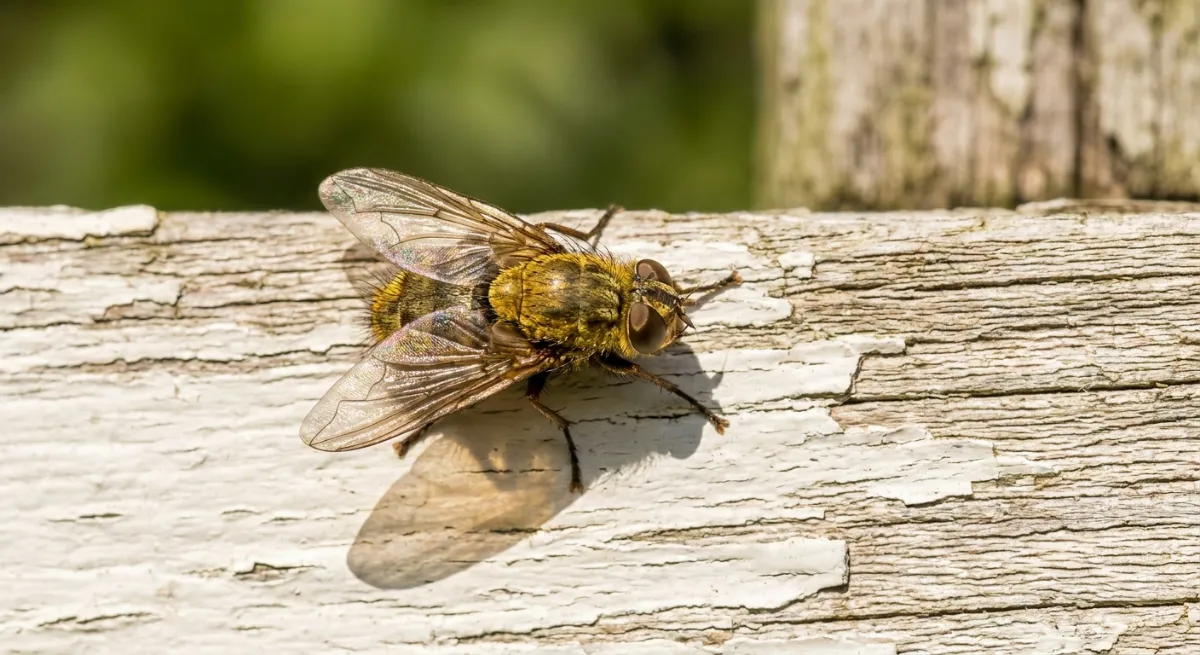
Flies are essentially solar-powered. They seek out specific micro-climates on your property to warm up. This is why you will always see the largest swarms on the northern and western elevations of your house, as these walls receive the most afternoon sun.
How Residual Exterior Wall Sprays Actually Work
We do not just blindly soak your entire house in chemicals. That is old-school, reactive pest control. Today, we rely on Predictive Integrated Pest Management (IPM). The core of this strategy for rural homes is the residual exterior wall spray.
A residual spray uses micro-encapsulated technology. When we apply it to your exterior walls, the water evaporates, leaving behind microscopic capsules of the active ingredient. These capsules bind tightly to your weatherboards, brick, or cladding.
When a fly lands on the treated surface to warm itself in the sun, it picks up these capsules on its legs and body. The insect absorbs the treatment and dies shortly after, long before it can squeeze through a gap into your wall cavity.
As the sun warms the exterior of your home, weatherboards expand slightly. Cluster flies exploit these microscopic gaps around window frames and eaves. By applying residual spray directly to these entry points, we cut off their only route inside.
The Financial & Health Risks of Ignoring Fly Invasions
If you run a farmstay, a rural B&B, or a commercial hospitality venue on your property, a fly infestation is not just annoying. It is a massive financial liability. New Zealand’s hospitality sector must adhere to zero-tolerance hygiene standards enforced by the Food Act 2014.
A single customer complaint about flies in a dining area or guest room can trigger an MPI audit. Commercial operators simply cannot afford to rely on cheap supermarket sprays. You need a documented, certified pest management plan to protect your livelihood.
Look at the data. The seasonal shift completely changes the type of threat your property faces. You have to anticipate the curve, not just react to it.
The pest control industry is rapidly evolving. We are gearing up for the FAOPMA Pest Summit here in Auckland in July 2026, themed “FutureProof: Smarter Pest Solutions.” The focus is entirely on eco-conscious interventions. Following the massive 2025 pest eradication successes in the Hūnua Ranges, the science is clear: targeted, highly specific treatments work better than blanket poison drops.
DIY vs. Certified Urban Pest Management
I constantly get calls from homeowners who have spent a weekend spraying their own walls with hardware store products. Two days later, it rains, the spray washes away, and the flies are back. That is because domestic products lack commercial binding agents.
More importantly, handling high-grade residual pesticides requires serious qualifications. Under the EPA HPC Notice 2017 and the HSNO Act 1996, operators handling Class 9 ecotoxic substances must hold the New Zealand Certificate in Pest Operations (Level 3).
When you hire a certified professional for pest control in Auckland, you are not just paying for the chemical. You are paying for the entomological knowledge of where to apply it safely, ensuring zero emissions and absolute safety for your family and pets.
Applying the wrong active ingredient near waterways or livestock feed areas violates strict environmental regulations. Always ensure your technician is a Level 3 Qualified UPM Contractor to prevent accidental poisoning of non-target species.
| Feature | DIY Hardware Store Sprays | Certified Residual Wall Spray |
|---|---|---|
| Longevity | Days to a few weeks. Washes off in rain. | Months. Micro-encapsulated to bind to surfaces. |
| Safety Profile | High risk of inhalation or runoff if applied poorly. | MPI-approved, zero-emission, applied by Level 3 techs. |
| Eradication Focus | Surface-level knockdown only. | Root-cause exclusion targeting structural entry points. |
| Assurance | None. You buy it again when it fails. | Backed by the “Silver Bullet Guarantee”. |
The Application Process: What Happens on the Day
When we arrive at your Franklin property, we do not start spraying immediately. We assess the environment. We look at the wind direction, the proximity of livestock, and the specific structural vulnerabilities of your home.
Our application targets the high-risk zones. We meticulously treat the eaves, window frames, door jambs, and gaps around utility penetrations. These are the highways that cluster fly infestations use to get indoors.
Once applied, the treatment needs a short period to cure. After it dries, it is completely safe for your dogs to run around the yard and for your kids to play on the deck. It is a silent, invisible barrier.
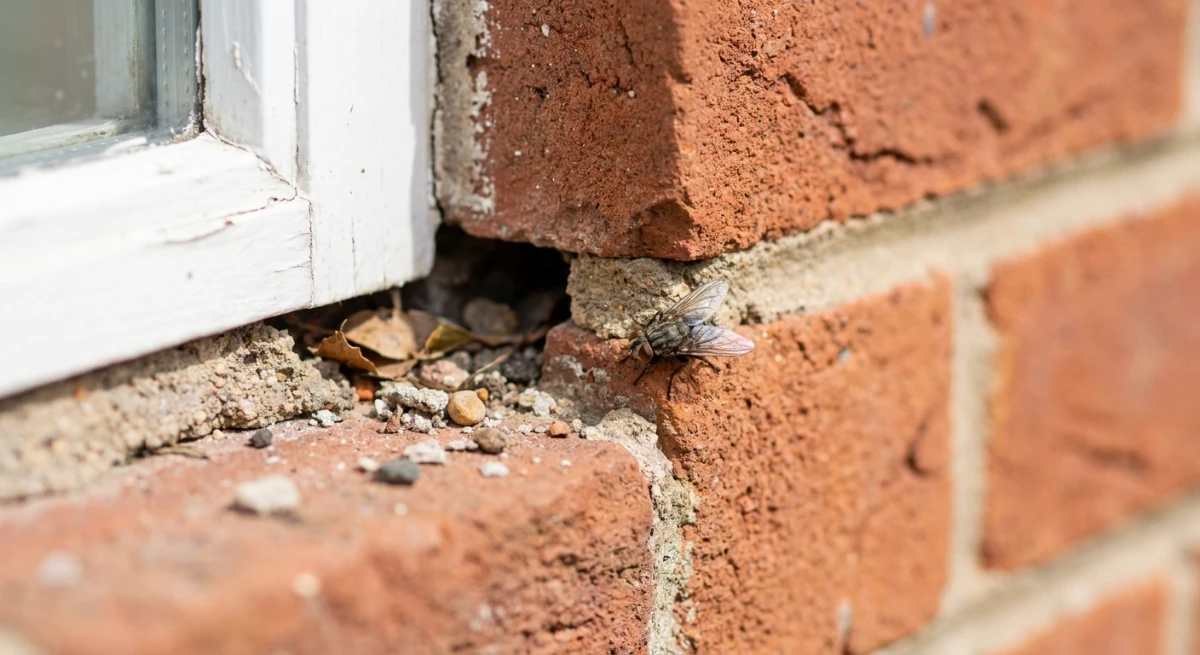
Before we arrive for an exterior spray, ensure all windows are tightly closed. Move pet food bowls indoors, and clear any children’s toys away from the immediate perimeter of the house walls.
Long-Term Prevention for Lifestyle Blocks
Chemical barriers are fantastic, but true pest management requires environmental control. If you have horses or cattle, manure management is critical. Bush flies will breed exponentially in unmanaged dung.
- Regularly harrow your paddocks to break up manure, allowing the sun to dry it out and kill fly larvae.
- Keep compost bins tightly sealed and far away from the main dwelling.
- Seal microscopic cracks around your weatherboards with a high-quality exterior sealant before autumn hits.
We assess these environmental factors during our visit. If you want a permanent solution to keeping flies out of Franklin homes, you have to combine professional residual treatments with smart property management.
Frequently Asked Questions

About the Author: Ronnie
Founder, Pest Control Auckland · Commercial & Residential Pest Expert · Certified Urban Pest Management Specialist
With over a decade of hands-on experience managing complex rural pest dynamics across Auckland, Ronnie is the definitive expert on structural pest exclusion. Having consulted extensively for Franklin lifestyle blocks and commercial farmstays, he specializes in designing zero-emission, compliant treatment protocols that stop seasonal invasions before they start.