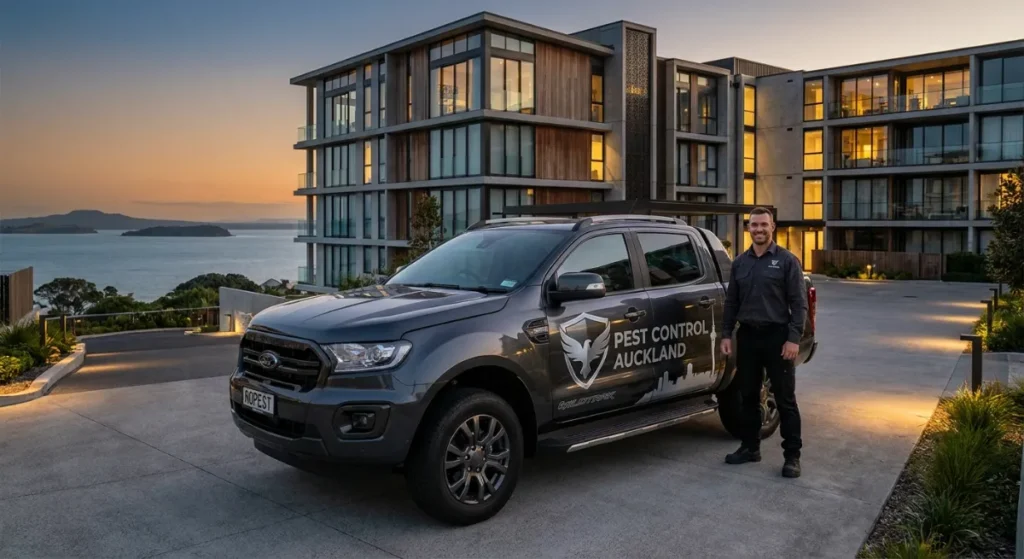
Modern North Shore apartment complex requiring strata pest management

North Shore Strata Pest Management

Auckland’s skyline is shifting rapidly, and the North Shore is no exception to this trend. With over half of all new residential building consents across the region now dedicated to multi-unit dwellings, high-density living has become the new normal [1]. But when dozens of families share walls, plumbing, and waste disposal systems, a minor pest issue in a single unit can quickly escalate into a building-wide crisis.

When you are managing an apartment complex in Takapuna or a block of townhouses in Glenfield, pests simply do not respect property boundaries. If one tenant develops a German cockroach problem, it is only a matter of time before the entire floor is compromised. That is why relying on reactive, single-unit treatments is a waste of your body corporate levies.

At Pest Control Auckland, we take a different approach. We focus on root-cause eradication, structural entry-point exclusion, and long-term prevention for multi-unit dwellings. We do not just spray and walk away; we protect your entire property investment from the ground up.

Key Takeaways

Effective north shore strata pest management requires a proactive, building-wide strategy rather than isolated unit treatments. By utilizing zero-emission, MPI-approved treatments and structural exclusion methods, body corporates can ensure Tenancy Tribunal compliance, protect shared spaces, and stop costly infestations before they spread.

Localized Solutions for North Shore Apartment Complexes

The housing landscape in Auckland is incredibly diverse, but it presents unique structural vulnerabilities. According to recent strata insights, approximately 60% of North Island strata schemes were registered before the year 2000 [2]. These older buildings often feature aging foundations, degraded weep holes, and compromised roof cavities that serve as open highways for pests.

Modern builds are not immune, either. High-density developments in areas like Albany and Pinehill often include shared underground car parks and centralized refuse rooms. If these communal areas are not actively managed, they become breeding grounds for rodents and cockroaches, which then travel up the elevator shafts and plumbing chases into residential units.

Our north shore strata pest management plans are tailored specifically to the architecture of your building. We conduct a comprehensive structural audit before we deploy a single trap or treatment. By identifying and sealing the physical entry points, we stop the cycle of recurring infestations.

Modern North Shore apartment complex requiring strata pest management

Tackling Coastal Pest Pressures (Rodents & Spiders)

Properties located near the coast, such as those in Browns Bay or Milford, face specific environmental pressures. The coastal breeze and proximity to native bush reserves drive pests indoors, particularly during the autumn months when temperatures begin to drop. This seasonal migration leads to a massive surge in roof rats seeking warmth and shelter in shared ceiling cavities.

Furthermore, the Auckland Regional Pest Management Plan (RPMP) 2020-2030 enforces strict pathway management rules to protect the nearby Hauraki Gulf islands [3]. Body corporates have a legal and environmental responsibility to ensure their properties do not become staging grounds for invasive species.

⚠️

Warning: The Autumn Rodent Surge

Following a mild winter and a hot summer, Auckland is currently experiencing a severe autumn rodent surge. Delayed maintenance on shared refuse areas can result in rapid building-wide infestations. Act proactively before the first winter frost.

Why North Shore Body Corporates Choose Us

The era of reactive, highly toxic “spray and pray” applications is dead. Today, strata committees and property managers require a scientifically backed, highly documented approach. We utilize Predictive Integrated Pest Management (IPM) to stay one step ahead of the breeding cycles.

Compliance is non-negotiable. Under the EPA HPC Notice 2017 and the HSNO Act 1996, handling Class 9 ecotoxic substances requires strict certification. Every technician on our team holds the New Zealand Certificate in Pest Operations (Level 3), meaning your property is in the hands of qualified urban pest management specialists.

📝

Note: The Animal Welfare Act 1999

We strictly adhere to New Zealand’s Animal Welfare Act. Any live-capture traps used in our commercial or residential setups are physically inspected within 12 hours after sunrise every day. We do not cut corners on ethics or compliance.

Fast Response Times and Local Technicians

Because our headquarters is based locally in Orewa, we understand the North Shore intimately. We do not route your calls through a faceless corporate call centre in another country. When a property manager calls us about an urgent wasp nest in a shared courtyard, we deploy rapidly.

This local agility is what separates us from the massive, slow-moving corporate franchises. We provide honest, straight-talking advice and back our work with the “Silver Bullet Guarantee”—we fix the root cause, or we come back and make it right.

Eco-Friendly Treatments for Shared Spaces

Many modern strata complexes are mixed-use, featuring retail spaces or cafes on the ground floor and residential units above. This triggers strict compliance with the Food Act 2014, which prohibits the use of toxic rodenticide bait in sensitive food preparation areas.

We deploy MPI-approved, zero-emission treatments that are rigorously tested for safety. Our methods protect children, pets, and food environments without sacrificing efficacy. We provide full Safety Data Sheets (SDS) to your body corporate committee for complete transparency.

Action Checklist for Property Managers

Ensure all shared refuse bins have tight-fitting lids. Trim back any tree branches touching the building’s roofline. Schedule an annual preventative pest audit before the autumn temperature drop.

The Financial Impact: Strata Pest Management Costs

One of the biggest mistakes a body corporate can make is treating pest control as an ad-hoc expense. Relying on reactive callouts when tenants complain is a guaranteed way to bleed your sinking fund dry. A single untreated rodent infestation can cause thousands of dollars in electrical damage to shared wiring.

By transitioning to a proactive north shore strata pest management plan, committees can lock in their costs, prevent structural damage, and keep their levies predictable. The data is clear: preventative maintenance is always cheaper than emergency eradication.

Chart showing the rising cost of reactive pest control vs a stable proactive IPM plan in Auckland

Below is a breakdown of how our proactive subscription model compares to the traditional, reactive “wait until it’s broken” approach that frustrates so many Auckland landlords and property managers.

Feature Reactive Extermination Proactive IPM Subscription
Cost Structure Unpredictable, high emergency fees Fixed annual fee, highly predictable
Root Cause Addressed? Rarely (Surface level spraying only) Yes (Structural exclusion & monitoring)
Tenant Disruption High (Requires urgent access to multiple units) Minimal (Focuses on exterior & shared spaces)
Compliance Documentation Basic invoice provided Comprehensive auditing for Tenancy Tribunal

Navigating Body Corporate Pest Control Rules in NZ

One of the most frequent questions we get from North Shore property managers is regarding liability: who actually pays for the pest control? Under the Unit Titles Act 2010 and standard body corporate operational rules, the body corporate is generally responsible for the upkeep and maintenance of all common property.

This includes shared lobbies, refuse rooms, exterior gardens, and roof cavities. However, if an infestation originates internally within a specific private unit (for example, a tenant brings in bed bugs on second-hand furniture), the responsibility usually falls on the unit owner or the tenant under the Residential Tenancies Act.

We help bridge this gap. By implementing a building-wide north shore strata pest management program, we eliminate the finger-pointing. We provide clear, objective reports that help committees determine the source of the issue, ensuring disputes are resolved quickly and fairly.

💡

Tip: The “Healthy Homes” Standard

Landlords must provide a property free of pests at the start of a tenancy. Having a documented, active pest management plan for your strata building is the easiest way to prove compliance and protect your landlords from tribunal disputes.

Get a Quote for Your North Shore Building

If your building relies on hardware store bug bombs or cheap, reactive sprays, you are trapped in a cycle of despair. It is time to step up to professional, certified urban pest management. We provide tailored “Auckland Winter Defense Packs” and ongoing subscriptions that keep your property safe year-round.

Stop letting pests eat into your property value and your peace of mind. Reach out to Pest Control Auckland today. We will conduct a thorough site audit of your apartment complex, identify the hidden structural vulnerabilities, and deliver a transparent, upfront quote with zero hidden fees.

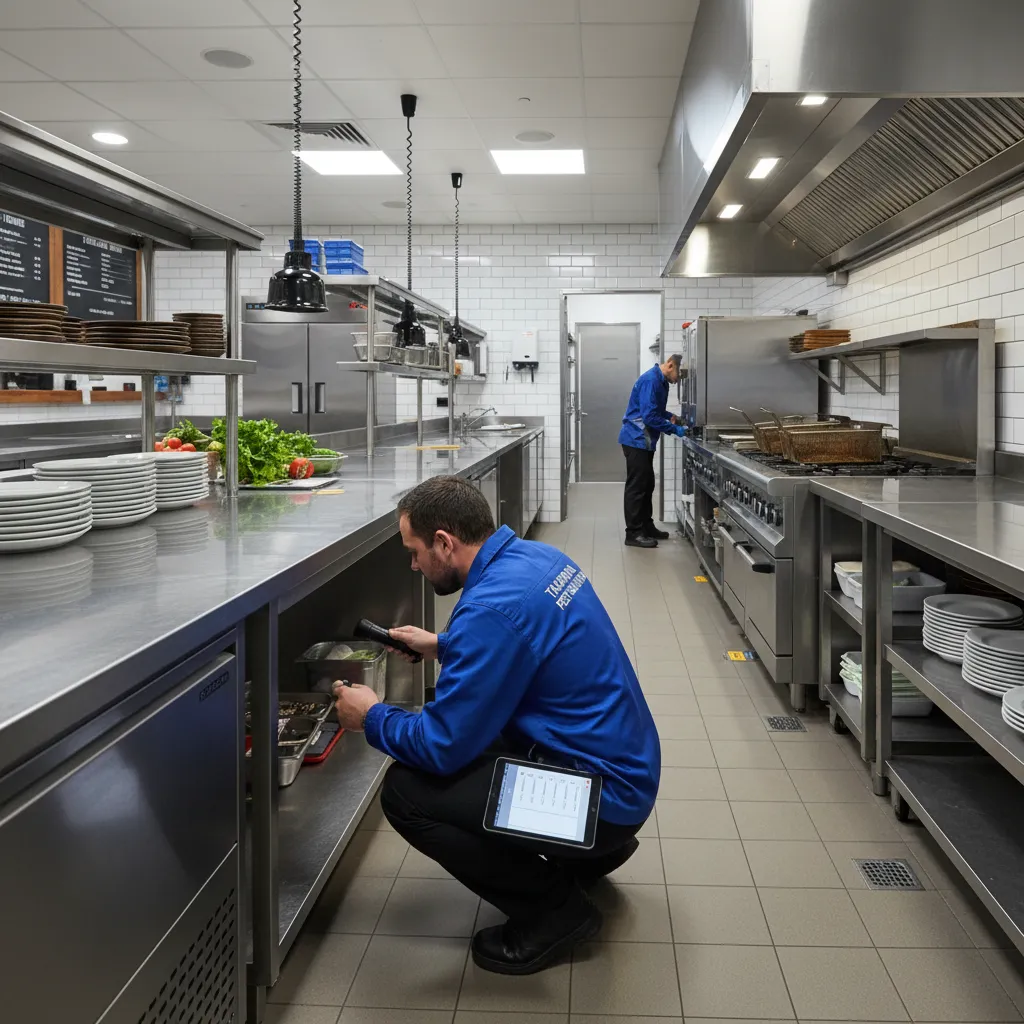
Certified technician performing north shore strata pest management inspection

Frequently Asked Questions

Who is responsible for pest control in a body corporate in NZ?
Generally, the body corporate is responsible for pest control in all common areas, such as shared gardens, roof cavities, and refuse rooms. Individual unit owners or tenants are responsible for infestations that originate entirely within their private dwelling, though building-wide spread often requires a coordinated body corporate response.
How often should an apartment complex have pest control?
For high-density strata buildings, we strongly recommend a quarterly preventative maintenance schedule. This ensures that seasonal pests, like autumn rodents and summer ants, are intercepted before they can establish nests in the shared infrastructure.
Are the pest treatments safe for residents with pets?
Absolutely. We utilize MPI-approved, zero-emission treatments that are rigorously tested. As Level 3 qualified UPM contractors, we apply treatments strategically to ensure absolute safety for children, pets, and the local environment.
What happens if a tenant brings in bed bugs?
Bed bugs are notorious hitchhikers and can easily spread between adjoining units. While the initial responsibility usually falls on the tenant who introduced them, rapid professional intervention is required to stop them from travelling through wall voids into neighboring apartments.
Do you offer services for mixed-use commercial and residential buildings?
Yes. Mixed-use buildings require specialized compliance, especially if there are food premises on the ground floor. We design Integrated Pest Management (IPM) plans that satisfy the strict requirements of the Food Act 2014 while keeping residential tenants safe above.
Why is there a surge in rodents during Auckland’s autumn?
As the weather cools down in autumn, outdoor food sources dwindle and rodents seek warmth. The shared roof cavities, basement car parks, and centralized refuse rooms of North Shore apartment buildings provide the perfect sheltered environment for rats and mice to nest.
Ronnie

About the Author: Ronnie

Founder, Pest Control Auckland · Commercial & Residential Pest Expert · Certified Urban Pest Management Specialist

With over a decade of hands-on experience in Auckland’s unique climate, Ronnie has consulted for dozens of body corporates and property managers across the North Shore. Holding advanced Level 3 UPM certifications, he specializes in designing structural exclusion strategies that protect multi-unit dwellings from costly, recurring infestations.

Leave a Comment

Your email address will not be published. Required fields are marked *

Scroll to Top