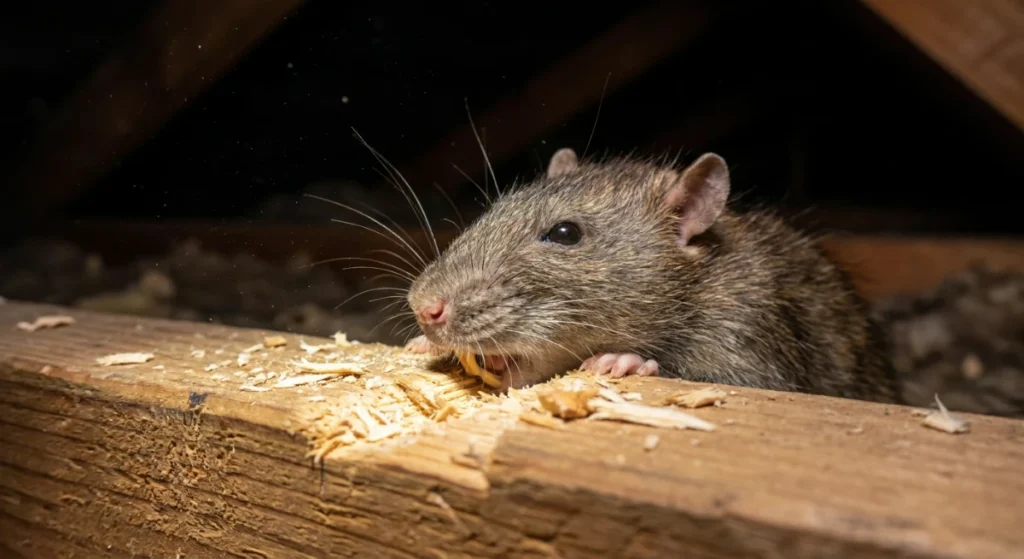
Look, I see it every single week across Auckland. You hear scratching in the roof or spot ant trails in the kitchen, and your first instinct is to grab a cheap box of bait from the hardware store.
But when you have a toddler crawling around, that flimsy cardboard box isn’t just useless—it is a massive liability. Kids are naturally curious, and to them, a brightly coloured block of rodenticide looks exactly like a lolly.
That is why professional tamper-proof pest control is non-negotiable for families. We do not just toss poison behind the fridge and hope for the best. We engineer a secure environment where pests are eradicated without ever putting your kids or pets at risk.
In this guide, I am going to explain exactly how certified experts go about securing rodent and insect baits away from tiny hands. I will break down the strict New Zealand regulations we follow, the reality of the EPA tier system, and why the DIY approach is a gamble you simply cannot afford to take.
Key Takeaways
Professional tamper-proof pest control uses Tier-1 secured bait stations to completely eliminate accidental poisoning risks for toddlers and pets. By physically locking baits inside heavy-duty, weather-resistant units and focusing on root-cause exclusion, certified technicians ensure your home remains safe, compliant, and pest-free.
The Danger of the DIY Cycle of Despair
When you buy a standard mouse trap or a generic bait block from the supermarket, you are buying a product with zero structural integrity. If you accidentally kick it, it breaks. If a dog chews it, it shatters instantly.
If a toddler picks it up, they have direct access to the active toxic ingredient within seconds. This is what we call the “DIY cycle of despair.” You spend money on cheap products that fail to solve the root infestation, while simultaneously introducing a severe hazard into your living room.
Data from the National Poisons Centre consistently shows that children under five are at the highest risk for accidental poisoning in New Zealand homes. Loose rodenticides and cheap supermarket baits are a leading cause of these emergency calls.
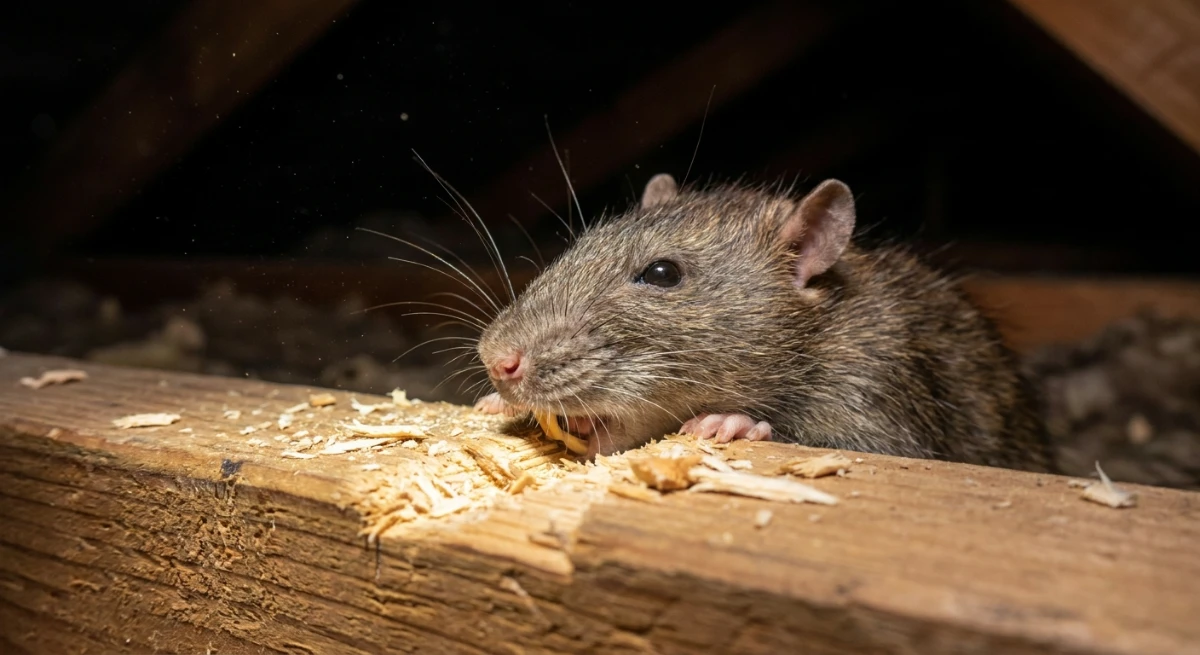
The reality is that rats and mice do not just eat a bit of bait and politely die outside. They hoard it. A rat will pick up a loose pellet from your garage and carry it straight into your child’s bedroom closet to stockpile it.
This relocation behaviour makes loose baits incredibly dangerous. Effective tamper-proof pest control stops this dead in its tracks by locking the bait securely in place. The rodent must eat it inside the station; they cannot carry it away.
Understanding Tamper-Proof Bait Stations
To understand how we manage risk, you need to understand the tier system. The Environmental Protection Agency (EPA) established a four-tier classification for bait stations that dictates exactly how tough they are.
We exclusively use Tier 1 stations for high-risk environments. A Tier 1 station is built from heavy-duty, injection-moulded plastic. It requires a specific two-prong key to open, meaning a child cannot pry it apart with their fingers or smash it open with a toy.
Tier 1 stations feature internal baffling. This means the rodent has to navigate a sharp corner to reach the bait. Even if a toddler shakes the box completely upside down, the bait cannot fall out.
This is the gold standard for securing rodent and insect baits in family homes. Let’s look at how the different tiers stack up against each other.
| Station Tier | Child Resistant | Dog Resistant | Weather Resistant | Professional Verdict |
|---|---|---|---|---|
| Tier 1 | Yes | Yes | Yes | The industry gold standard. Essential for homes with kids/pets. |
| Tier 2 | Yes | Yes | No | Good for secure indoor use only. |
| Tier 3 | Yes | No | No | Risky if you own a dog. Indoor only. |
| Tier 4 | No | No | No | Supermarket junk. Highly dangerous around toddlers. |
The Importance of Anchoring
A locked box is only safe if it stays where we put it. That is why professional technicians physically anchor these stations to the ground, a fence line, or a concrete wall. If a curious toddler or a large dog tries to drag the station away, they won’t budge it.
We use concrete screws, heavy-duty zip ties, or ground stakes depending on the terrain. This ensures that the bait remains exactly where the pest activity is, without migrating into human living spaces.
New Zealand Law and EPA Compliance
Operating in Auckland means adhering strictly to the HSNO Act 1996 and the EPA HPC Notice 2017. These aren’t just polite suggestions; they are rigorous legal frameworks designed to protect public health and the environment.
Handling Class 9 ecotoxic substances requires serious training. That is why our technicians hold the New Zealand Certificate in Pest Operations (Level 3). We know exactly how to deploy these treatments without risking your family’s safety.
Under New Zealand law, any outdoor above-ground placement of specific professional-grade rodenticides must be housed within a tamper-resistant bait station to protect non-target species like native birds and household pets.
When you hire a certified professional for tamper-proof pest control, you are paying for peace of mind. You get the documentation, the safety data sheets (SDS), and the guarantee that your property is fully compliant with local council regulations.
Protecting Auckland’s Commercial Spaces
Auckland’s hospitality sector is booming, but with that comes incredibly strict compliance. If you run a cafe in Ponsonby or a childcare centre in Orewa, you simply cannot afford a slip-up. The stakes are too high.
Under the Food Act 2014 and strict HACCP protocols, having exposed toxic bait in a food preparation area or a child-accessible zone is a massive breach. Health inspectors will shut you down immediately if they see a loose bait block under a prep sink.
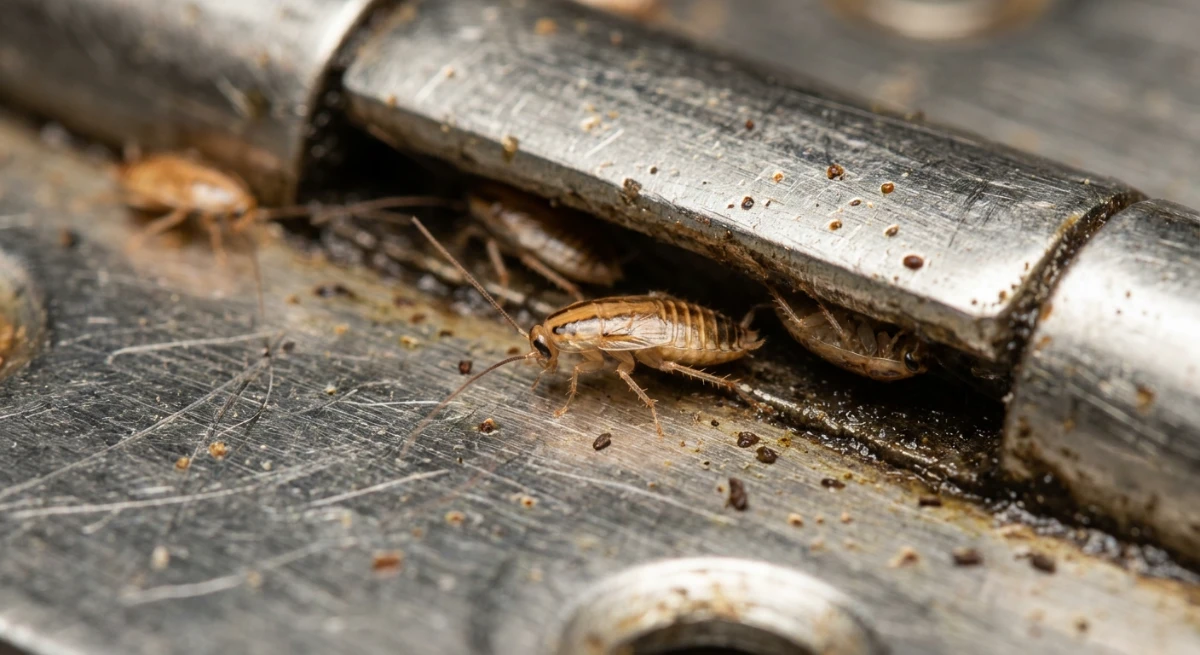
In these commercial settings, securing rodent and insect baits isn’t just a good idea; it is a fundamental legal requirement. We utilise non-toxic monitoring blocks inside locked, anchored stations to track activity without ever risking cross-contamination.
- Childcare Centres: Absolute zero-tolerance for exposed chemicals. All stations are Tier 1, anchored, and placed strictly out of reach.
- Cafes & Restaurants: Focus on zero-emission treatments and non-toxic monitoring to comply with MPI audits.
- Warehousing: Perimeter defence using heavy-duty anchored stations to stop rodents before they breach the facility.
The Predictive IPM Approach for 2026
Right now, in May 2026, we are dealing with a massive autumn pest surge across the Auckland region. The mild winter last year allowed rodent populations to explode, and they are now seeking warmth inside our homes.
But throwing poison at the problem is an outdated mindset. The industry is shifting heavily toward Predictive Integrated Pest Management (IPM). In fact, this exact topic is headlining the FAOPMA Pest Summit happening here in Auckland this July.
Before we even consider baiting, we focus on exclusion. We inspect the roof cavity, find the structural entry points, and seal them off. Baiting is a targeted, temporary intervention, not a permanent crutch.
By focusing on the root cause, we drastically reduce the amount of product needed on site. This lowers the risk profile for your family even further, aligning perfectly with our “Silver Bullet Guarantee” of doing the job right the first time.
The Data: Why Tier 1 Stations Save Lives
The numbers do not lie. When you transition from loose baits and flimsy cardboard boxes to proper Tier 1 stations, the risk of accidental child exposure plummets to near zero. Take a look at the data below.
As you can see, relying on supermarket solutions is a massive gamble. We refuse to take that gamble with your family’s safety. We only use the best, most secure equipment available on the global market.
Frequently Asked Questions

About the Author: Ronnie
Founder, Pest Control Auckland · Commercial & Residential Pest Expert · Certified Urban Pest Management Specialist
With years of experience in Auckland’s strict commercial hospitality sector, Ronnie is a definitive expert on tamper-proof pest control. Having consulted for high-risk environments like childcare centres and food prep facilities, he understands exactly what it takes for safely securing rodent and insect baits away from curious toddlers, ensuring absolute compliance with the HSNO Act and EPA standards.