The vibrant region of East Auckland offers a unique blend of picturesque coastal views, established family neighborhoods, and bustling modern developments. Home to an estimated population of over 157,700 residents, this thriving area is a highly sought-after location for homeowners and property investors alike. However, the very features that make the region so appealing—such as lush native reserves, coastal humidity, and mature gardens—also create the perfect ecosystem for invasive pests.
Managing property health in this dynamic environment requires more than just basic maintenance. The intersection of older seaside housing and dense post-2000 subdivisions presents diverse challenges for structural integrity and sanitation. From persistent insect invasions to seasonal rodent pressures, local properties face constant environmental threats.
Implementing a robust strategy for pest control in East Auckland is essential for protecting your investment and ensuring a safe, hygienic living space. By combining advanced extermination techniques with proactive environmental management, you can defend your property against year-round infestations.
Key Takeaways
Comprehensive pest control in East Auckland requires targeting specific local threats like Argentine ants and winter rodents. Effective management combines professional extermination with strategic yard services to eliminate breeding grounds. Always ensure treatments align with the Auckland Regional Pest Management Plan for optimal safety and environmental compliance.
Pest Control Solutions for Howick, Pakuranga, and Botany Downs
The diverse architectural landscape across the eastern suburbs means that pest pressures vary significantly from one neighborhood to the next. Understanding these hyper-local trends is crucial for deploying effective eradication strategies. A customized approach ensures that treatments target the specific biological threats native to your immediate area.
Coastal Challenges in Howick
The historic suburb of Howick is renowned for its elevated coastal positioning and older, character-filled homes. These established properties often feature native timber construction and mature, dense landscaping. Unfortunately, this combination makes them highly susceptible to specific structural pests and moisture-loving insects.
Borer beetles are a frequent concern in Howick’s heritage homes, where untreated subfloor timbers provide an ideal food source. The life cycle of the borer beetle allows larvae to tunnel through structural wood for years before emerging. If left unchecked, this hidden damage can severely compromise the safety and value of the property.
Additionally, the coastal humidity drifting off the Hauraki Gulf encourages high spider populations across East Auckland. White-tail spiders actively hunt around exterior eaves, window frames, and subfloor ventilation grates. Effective management here requires targeted timber treatments and comprehensive exterior barrier sprays to intercept these predators.
Estuary Proximity in Pakuranga
Pakuranga sits alongside the Tāmaki River, featuring a mix of mid-century housing and extensive waterside reserves. The proximity to the estuary creates a humid microclimate that heavily influences local pest behavior. This environment is particularly favorable for rapid insect breeding cycles during the warmer months.
Argentine ants are particularly widespread across Pakuranga, forming massive, interconnected supercolonies that can span multiple residential sections. Unlike native ant species, Argentine ants do not display territorial aggression toward one another. This unique biological trait allows their populations to explode and overwhelm standard residential boundaries.
These invasive ants are notorious for marching indoors during heavy rain or extreme dry spells in search of food and moisture. Because they have multiple queens, standard DIY baits often fail to eradicate the colony. Instead, ineffective treatments cause the nest to fracture and multiply throughout the property.
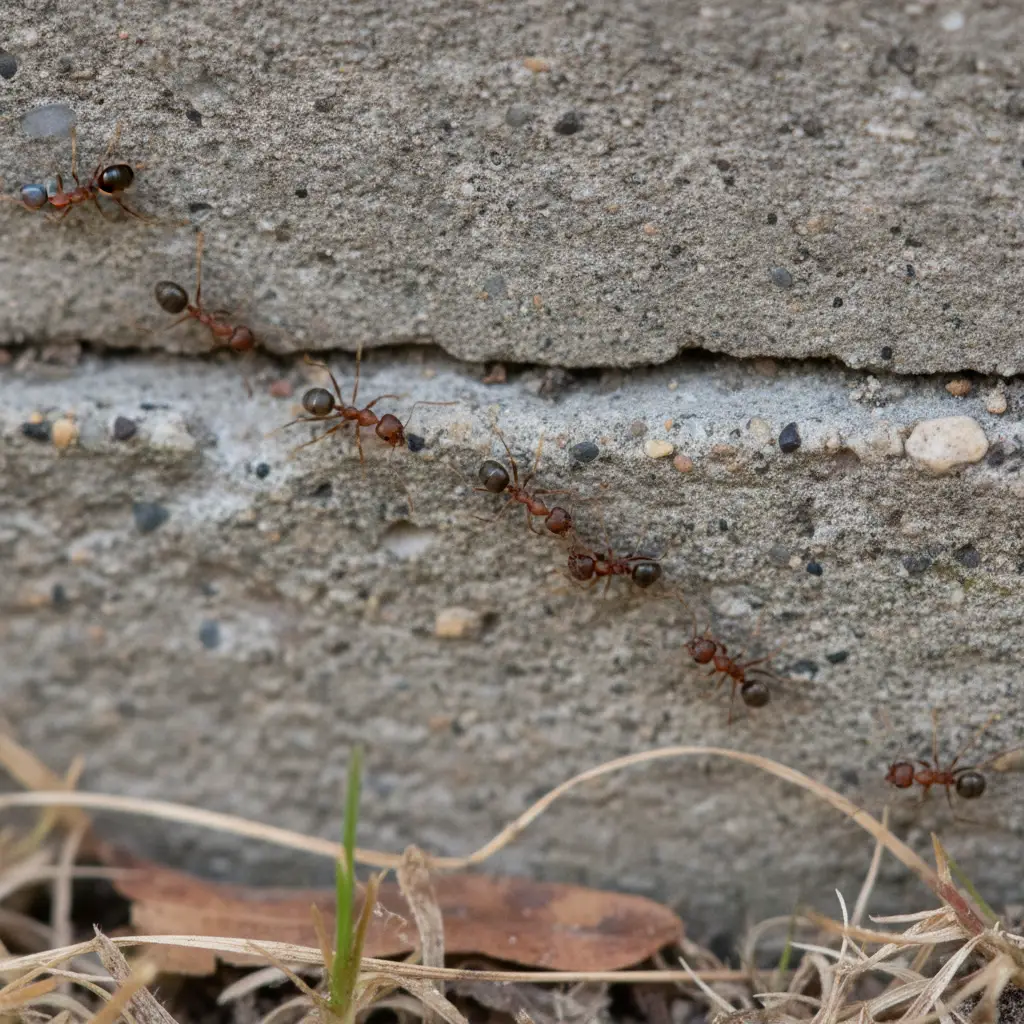
Never use standard repellent sprays on Argentine ants. This causes the colony to panic, fracture, and establish multiple new nests throughout your property, making the infestation significantly worse.
Urban Density in Botany Downs
In contrast to the older coastal areas, Botany Downs is characterized by modern, large-scale developments and densely packed infill housing. The suburb is also home to major commercial hubs and extensive stormwater networks. This dense urban infrastructure creates a vastly different set of pest control challenges.
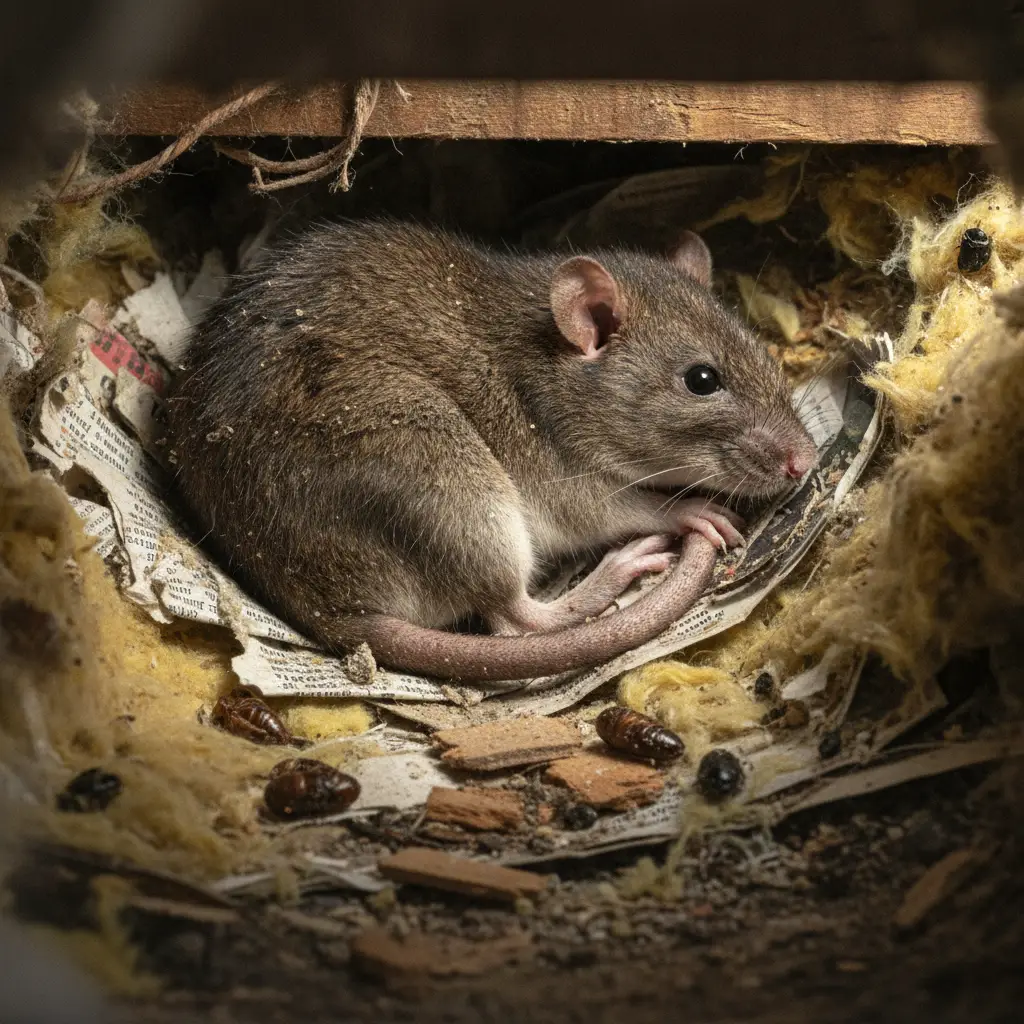
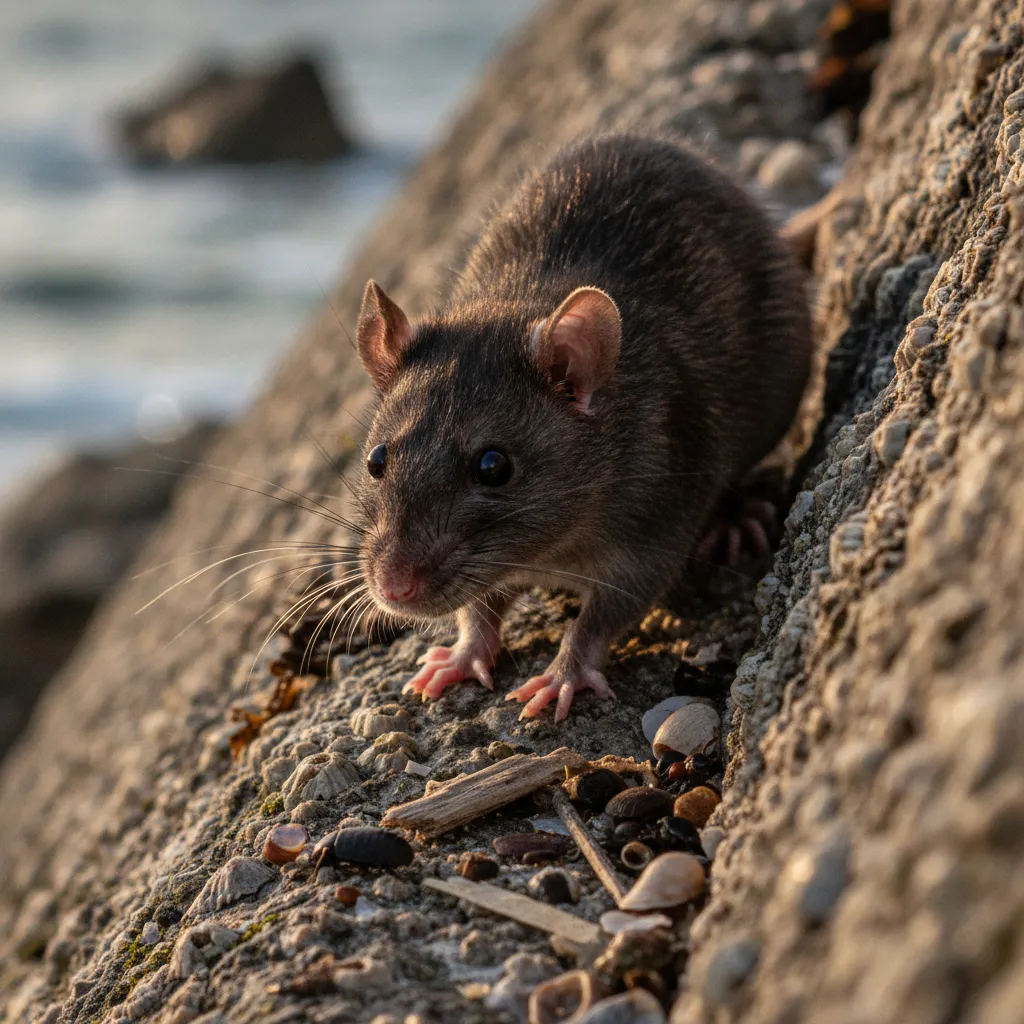
Rodents, particularly the Norway rat and the roof rat, are the primary adversaries in Botany Downs. As winter temperatures drop, these mammals seek refuge in warm roof voids, wall cavities, and commercial loading docks. They are highly adaptable and can squeeze through gaps as small as a New Zealand two-dollar coin.
Once inside, rodents cause significant structural damage by chewing through electrical wiring and plumbing lines. They also contaminate insulation and living spaces with hazardous droppings, posing a severe health risk to occupants. Rapid, professional intervention is required to seal entry points and trap active populations.
Why Choose Our Professional Yard Services
Many property owners mistakenly view garden maintenance and pest extermination as two entirely separate disciplines. In reality, the state of your landscaping is the single most critical factor in preventing exterior infestations from moving indoors. Comprehensive yard services in East Auckland act as the first line of defense against invasive species.
Eliminating Bridging Access
Overgrown trees, sprawling vines, and dense shrubbery that touch your home’s exterior create direct highways for pests. Roof rats and foraging ants use these organic bridges to bypass ground-level chemical barriers entirely. This allows them to enter directly into your roof space or upper-story windows undetected.
By professionally pruning vegetation back at least one meter from the roofline and exterior walls, you instantly sever this access route. Regular hedge trimming and canopy thinning also improve airflow and sunlight penetration around the foundation. This natural drying effect makes the perimeter of your home far less hospitable to pests.
Ground-Level Habitat Reduction
Thick layers of leaf litter, decaying mulch, and unkempt lawn edges provide perfect insulation for a variety of insects. Spiders, ground beetles, and rodent populations thrive in these undisturbed, damp micro-environments. When heavy rains arrive, these pests are forced out of the debris and directly into your subfloor.
Professional yard clearing removes these harborage zones entirely, drastically reducing the local pest population. By maintaining short grass and clearing out dead organic matter, the soil is exposed to natural sunlight. Replacing moisture-retaining wood chips with inorganic mulch near the foundation further discourages insect nesting.
Blocked gutters create stagnant water pools that serve as prime breeding grounds for mosquitoes and cockroaches. Ensure your yard services include regular roof-level debris clearing.
Key Metrics & Essential Standards
Delivering effective pest management is not just about applying chemicals to a property. It requires strict adherence to local environmental guidelines, safety protocols, and industry best practices. The pest control sector in New Zealand is heavily regulated to protect native wildlife, waterways, and public health.
The Auckland Regional Pest Management Plan
All professional eradication efforts must align with the Auckland Regional Pest Management Plan 2020-2030. This comprehensive legislative framework dictates how specific invasive species must be handled. It places a strong emphasis on protecting the region’s unique biodiversity and minimizing adverse environmental effects.
By following these stringent guidelines, technicians ensure that baiting stations and exterior sprays are deployed safely. This prevents the accidental secondary poisoning of non-target species, such as domestic pets or native birds. Strict compliance is particularly vital in East Auckland, where residential properties frequently border sensitive coastal reserves.
Analyzing Local Pest Data
Understanding the frequency and type of local infestations helps specialists plan proactive, data-driven defenses. Recent industry trends highlight a distinct seasonal pattern in pest callouts across the eastern suburbs. Rodent activity peaks sharply during the colder months, while insect populations explode during the humid summer.
All professional pest treatments in the region must adhere strictly to the Auckland Regional Pest Management Plan 2020-2030 to protect native flora and fauna.
Comparing Treatment Approaches
Property owners often debate whether to tackle pest issues themselves or hire licensed specialists. While retail hardware store products offer a temporary visual knockdown, they lack the residual efficacy required for total elimination. Commercial-grade solutions are specifically formulated to break the breeding cycle entirely.
| Feature | DIY Pest Control | Professional Pest Control |
|---|---|---|
| Efficacy | Short-term knockdown | Long-term residual protection |
| Safety Profile | High risk of misapplication | Regulated, safe for pets and children |
| Targeting | Broad-spectrum repellents | Species-specific formulations |
| Cost Efficiency | Frequent re-purchasing needed | One-time investment with guarantees |
Service Bookings & Quotations
Securing professional property protection should be a transparent, stress-free, and highly informative process. Understanding how service quotations are calculated helps property owners make informed decisions about their ongoing maintenance budgets. A reputable provider will always prioritize clear communication over hidden fees.
Factors Influencing Your Quote
Every property presents a unique set of environmental variables, meaning there is no universal pricing model. A comprehensive quotation takes into account the total square meterage of the home and the accessibility of structural voids. The specific pest species being targeted also heavily influences the required treatment methodology.
For example, eradicating a deeply entrenched Argentine ant supercolony requires multiple site visits and specialized non-repellent baits. This intensive process will naturally reflect a higher investment than basic maintenance. Conversely, a standard preventative exterior spider spray for a single-story home is a relatively quick, flat-rate service.
The Assessment Process
Before any chemical treatments are applied, a thorough and meticulous site inspection is mandatory. Technicians evaluate the interior living spaces, structural voids, and the surrounding yard to identify the root cause. This diagnostic approach ensures that the resulting treatment plan targets the source, rather than just masking the symptoms.
Following the inspection, clients receive a detailed breakdown of the proposed methodology and the specific products to be used. The assessment also outlines the expected timeframe required to achieve total eradication. This fully transparent approach guarantees that you know exactly what results to expect from your investment.
Before your technician arrives, ensure all pet food is sealed, floors are vacuumed, and yard debris is cleared away from the exterior foundation.