When you hear the faint, rhythmic clicking of wood borers in the dead of night, the problem has already escalated beyond DIY solutions. Standard bug sprays and off-the-shelf baits are designed for surface-level nuisances, not deeply entrenched colonies. This is where Specialist Pest Treatments become the critical line of defense for your property.
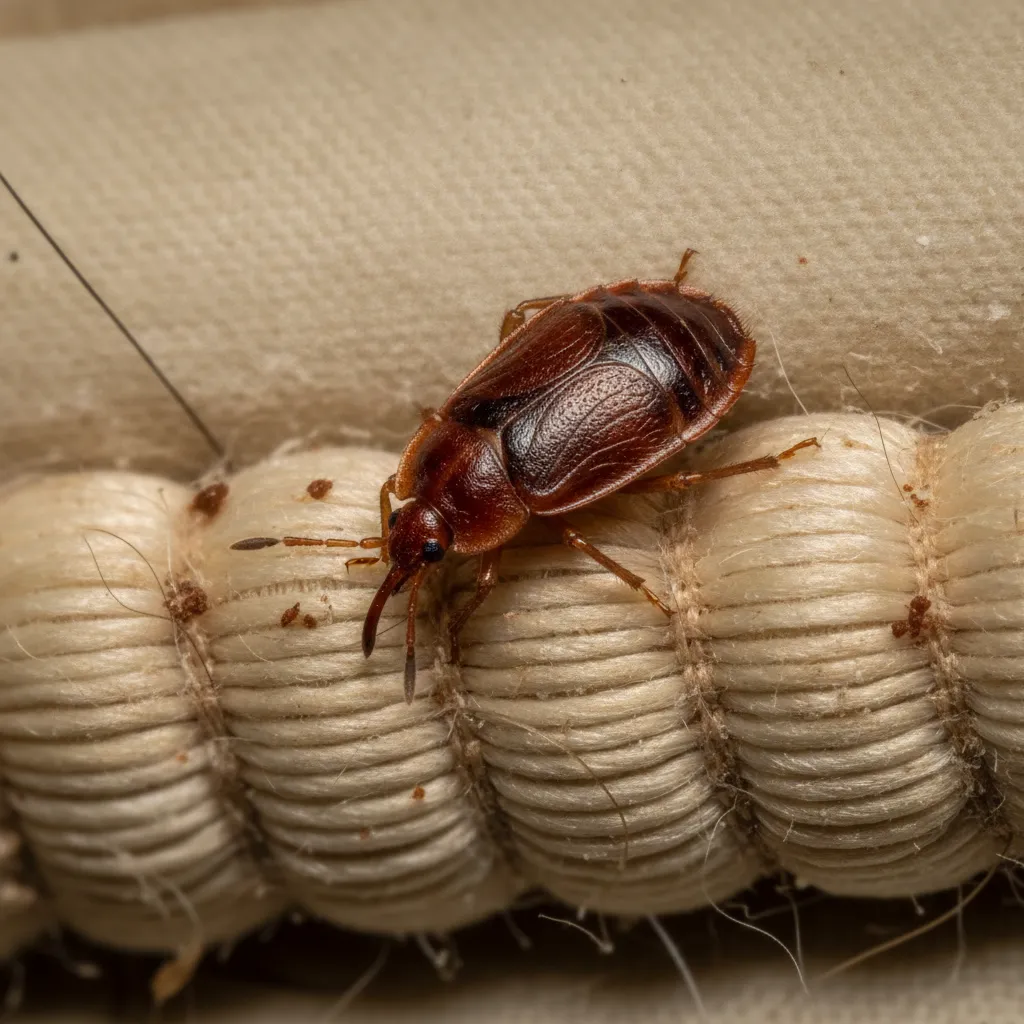
By deploying scientifically backed methodologies, these advanced interventions target the very core of severe infestations. Whether you are battling structural threats like subterranean termites or highly resilient invaders like bed bugs, standard protocols simply fall short. Advanced eradication requires a deep understanding of pest biology, behavioral patterns, and chemical resistance.
Specialist Pest Treatments leverage this expert knowledge to completely dismantle colonies rather than just suppressing their numbers. Homeowners and property managers must recognize when a situation requires a specialized approach to prevent catastrophic structural damage and health risks.
Key Takeaways
Specialist Pest Treatments involve highly targeted, scientifically advanced eradication methods designed for complex infestations like termites, wood borers, and bed bugs. These professional interventions utilize specialized equipment, strict safety standards, and tailored environmental management to permanently eliminate structural and health-threatening pests.
Introduction to Specialist Pest Treatments
The pest control industry has evolved significantly, moving away from blanket chemical applications toward highly targeted, scientific methodologies. General pest control typically involves routine perimeter spraying and basic baiting to manage common household insects like ants and spiders. However, when an infestation threatens the structural integrity of a building or poses severe health risks, a different caliber of intervention is required.
Implementing Specialist Pest Treatments means utilizing advanced diagnostic tools, such as thermal imaging and moisture meters, to locate hidden nests. These treatments are not one-size-fits-all; they are custom-engineered solutions based on the specific species, the environment, and the severity of the infestation. This bespoke approach ensures maximum efficacy while minimizing unnecessary chemical exposure.
Specialist treatments often begin with non-destructive inspection technologies. This allows technicians to map out the exact spread of an infestation behind walls without drilling a single hole.
The Shift Towards Integrated Pest Management
Modern specialist interventions rely heavily on Integrated Pest Management (IPM) principles. This philosophy prioritizes long-term prevention over short-term chemical fixes. By altering the environment to make it inhospitable to pests, specialists can achieve sustainable eradication.
IPM involves physical exclusion, biological controls, and habitat modification alongside targeted chemical applications. This multi-faceted strategy is particularly crucial for commercial properties and sensitive environments like hospitals or schools. It ensures that the root cause of the infestation is addressed, drastically reducing the likelihood of recurrence.
Furthermore, regulatory frameworks are increasingly demanding that pest control operators demonstrate environmental stewardship. Specialist Pest Treatments meet these strict standards by utilizing precision application methods. This guarantees that only the target organism is impacted, protecting local biodiversity and groundwater reserves.
Advanced treatments for challenging pest infestations and wood-boring insects
Wood-destroying organisms represent one of the most financially devastating threats to property owners worldwide. Termites alone cause billions of dollars in structural damage annually, often feeding silently for years before the destruction becomes visible. Combating these silent destroyers requires highly specialized equipment and an intimate knowledge of timber biology.
When dealing with species like the Australian subterranean termite (Coptotermes acinaciformis) or native wood borers, traditional surface sprays are entirely ineffective. The treatment must penetrate deep into the timber or establish an impenetrable chemical barrier in the surrounding soil. This level of intervention demands precision, patience, and professional-grade formulations.
Targeted Termite Eradication Systems
Subterranean termites require sophisticated baiting and monitoring systems to achieve total colony elimination. These systems use slow-acting insect growth regulators that foraging workers carry back to the nest. Over several weeks, the active ingredient is distributed throughout the entire colony, eventually leading to a complete collapse.
Alternatively, liquid termiticide barriers can be injected into the soil around the perimeter and subfloor of a building. This creates a continuous protective zone that binds to the soil particles. Any termite attempting to cross this barrier will be exposed to the lethal dose, protecting the structure for up to eight years depending on the chemical used.
These barrier treatments must be installed precisely according to manufacturer specifications. Trenching, soil rodding, and concrete drilling are often necessary to ensure the protective zone is unbroken. A single gap in the barrier can allow foraging termites to bypass the treatment entirely.
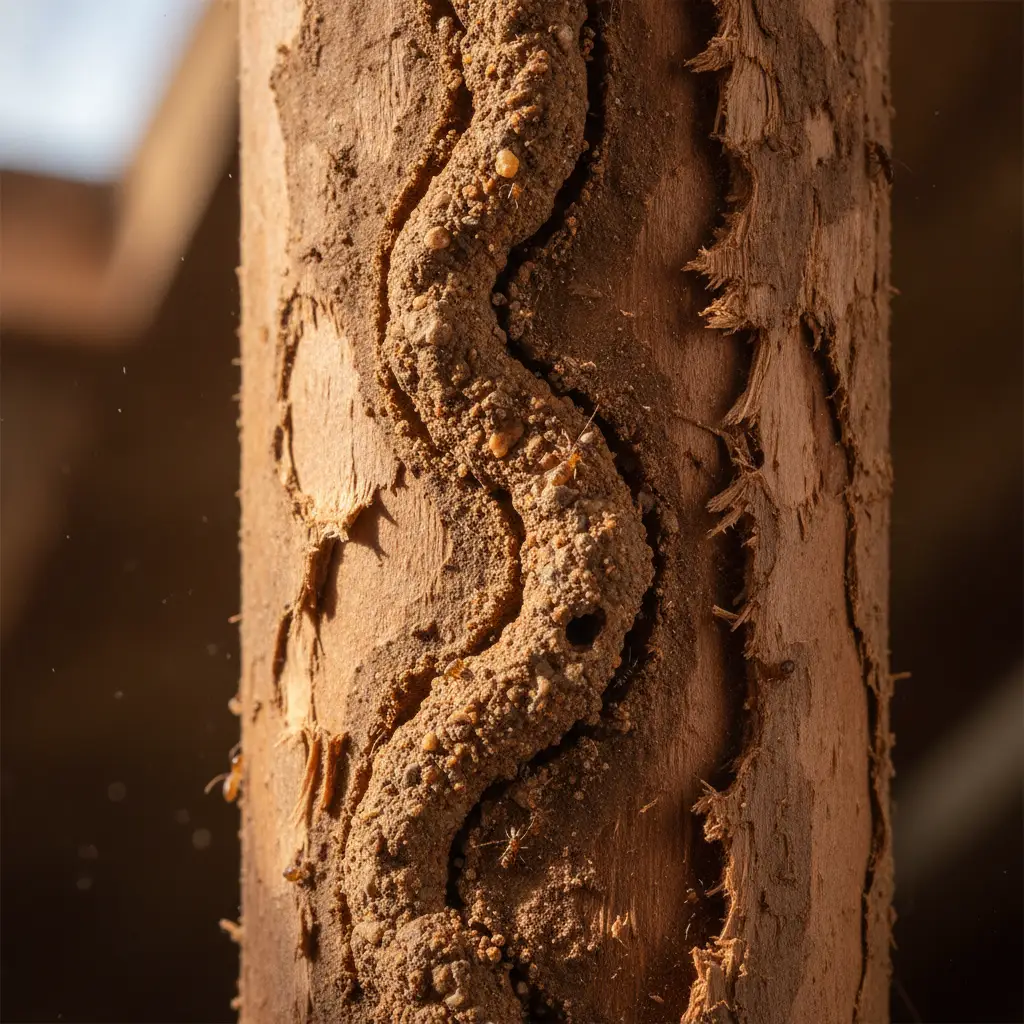
Never disturb a termite mud tube or spray it with household bug spray. This causes the colony to panic, retreat, and relocate their feeding site to another hidden area of your home, making professional eradication much harder.
Combating Wood-Boring Beetles
Wood borers, such as the Anobium punctatum (Common Furniture Beetle), lay their eggs in the cracks of untreated timber. When the larvae hatch, they bore deep into the wood, spending years consuming the cellulose before emerging as adults. This lifecycle makes them exceptionally difficult to eradicate using standard methods.
Specialist treatments for wood borers often involve deep-penetrating timber preservatives or localized heat treatments. In severe cases of widespread structural infestation, whole-structure fumigation may be the only viable option. These advanced techniques ensure that all life stages, from deeply embedded larvae to unhatched eggs, are completely neutralized.
Early detection is critical when managing wood borers. Homeowners should look for fine, powdery frass (wood dust) and tiny exit holes in structural beams or antique furniture. Once identified, a specialist will assess whether the infestation is active or historical before proceeding with a targeted intervention.
Why choose our professional yard services
Effective pest management does not begin at your front door; it starts at the very edge of your property line. The exterior environment acts as the primary breeding ground and staging area for structural invaders. By investing in professional yard services, you create a robust first line of defense against encroaching threats.
Specialized exterior treatments focus on identifying and neutralizing conducive conditions before pests ever breach the building envelope. This proactive approach is essential for long-term property protection. It involves a meticulous assessment of landscaping, drainage, and vegetation management.
By maintaining a secure exterior perimeter, property owners drastically reduce the need for indoor chemical applications. This strategy is not only more effective but also creates a healthier living environment for occupants and domestic pets.
Establishing Perimeter Chemical Barriers
A core component of exterior Specialist Pest Treatments is the application of advanced perimeter barriers. Technicians apply micro-encapsulated formulations to foundations, eaves, and garden beds. These specialized chemicals withstand harsh weather conditions and UV degradation, providing persistent protection for months.
Unlike generic hardware store sprays that wash away in the first rain, professional-grade barriers offer sustained residual activity. They are strategically applied to known pest travel routes and entry points. This targeted application significantly reduces the overall volume of chemicals needed while maximizing defensive efficacy.
Keep mulch, soil, and dense vegetation at least 150mm below your property’s damp-proof course. Excessive moisture against exterior walls is the number one attractant for subterranean termites and destructive ants.
Managing Exterior Conducive Conditions
Professional yard services extend beyond chemical applications to encompass environmental modification. Technicians will identify poor drainage areas, rotting tree stumps, and overgrown foliage that serve as pest harborages. Addressing these environmental factors is crucial for breaking the breeding cycle.
- Removal of dead wood and decaying organic matter that attracts wood-destroying insects.
- Correction of subfloor ventilation to reduce moisture build-up beneath the property.
- Trimming of tree branches that bridge the gap between the garden and the roofline.
- Strategic placement of secure, tamper-proof rodent bait stations along fence lines.
Integrating these physical modifications with targeted chemical treatments results in a comprehensive defense system. This holistic methodology is the hallmark of true specialist pest eradication.
Key metrics & essential standards
The pest control industry is heavily regulated, and true specialist treatments must adhere to strict national and international standards. These regulations ensure that interventions are not only highly effective but also safe for human occupants, pets, and the surrounding ecosystem. Understanding these metrics helps property owners gauge the quality of the service they are receiving.
Efficacy in Specialist Pest Treatments is measured through rigorous post-treatment monitoring. It is not simply about counting dead insects immediately after application. True success is defined by the complete cessation of structural damage and the verified absence of live colony activity over a sustained period.
Industry standards also require detailed documentation of all chemicals used, including application rates and exact locations. This transparency is vital for environmental compliance and future property management.
Evaluating Treatment Efficacy and Safety
Professional technicians utilize standardized metrics to evaluate the success of an eradication program. This includes measuring bait consumption rates, conducting follow-up thermal imaging scans, and installing permanent monitoring stations. These data points provide empirical evidence that the target pest population has been entirely neutralized.
Safety standards dictate the specific concentrations of active ingredients that can be deployed in different environments. Specialists are trained to calculate exact dosages based on cubic meterage and airflow when performing complex procedures like fumigation or heat treatments. This mathematical precision eliminates the guesswork that often leads to DIY treatment failures.
| Treatment Category | Diagnostic Tools Used | Efficacy Timeline | Typical Warranty |
|---|---|---|---|
| General Pest Spray | Visual Inspection Only | Immediate to 24 Hours | 3 – 6 Months |
| Termite Baiting System | Thermal Imaging, Moisture Meters | 4 – 12 Weeks (Colony Collapse) | Annual Renewal |
| Bed Bug Heat Treatment | Digital Thermometers, Monitors | Immediate (Same Day) | 30 – 90 Days |
| Wood Borer Eradication | Acoustic Emission Detectors | Long-term (Breaks Lifecycle) | Up to 10 Years |
Service bookings & quotations
Securing a specialist intervention begins with a comprehensive, on-site diagnostic inspection. Because complex infestations vary wildly in severity and structural impact, standard over-the-phone pricing is rarely accurate. A professional assessment is mandatory to design a custom eradication protocol.
During the initial consultation, a licensed technician will thoroughly investigate the property to identify the exact species, locate nesting sites, and map out conducive environmental factors. This detailed reconnaissance forms the foundation of your customized service quotation. The resulting proposal will clearly outline the recommended methodologies, required preparation steps, and expected timelines.
Clients should expect a collaborative approach during this phase. The specialist will explain the biological reasoning behind their proposed treatment plan, ensuring you fully understand the necessary steps to secure your property.
Understanding Your Treatment Proposal
A high-quality quotation for Specialist Pest Treatments will be completely transparent about the scope of work. It should detail the specific active ingredients to be used, the safety precautions required for occupants and pets, and the duration of any necessary vacancy periods. Transparency at this stage is a strong indicator of a reputable service provider.
The proposal will also outline the warranty terms and any required follow-up visits. Complex issues like subterranean termites or severe bed bug infestations almost always necessitate secondary inspections to verify complete colony collapse. Understanding these post-treatment requirements ensures you are fully prepared for the entire eradication process.
Always follow the specific preparation guidelines provided in your quotation. This may include clearing subfloor access points, moving furniture away from skirting boards, or laundering all textiles at high temperatures before the technicians arrive.
The Value of Professional Diagnostics
Investing in a professional diagnostic inspection can actually save property owners significant money in the long run. By accurately pinpointing the epicenter of an infestation, technicians can apply targeted treatments rather than unnecessarily flooding a property with chemicals. This precision minimizes disruption to your daily life while maximizing the lethal impact on the target pest.
Furthermore, the detailed reports generated during the quotation process are often invaluable for property transactions or insurance purposes. They provide documented proof that a structural threat has been identified and managed by certified professionals. This paperwork is an essential asset for maintaining your property’s long-term market value.