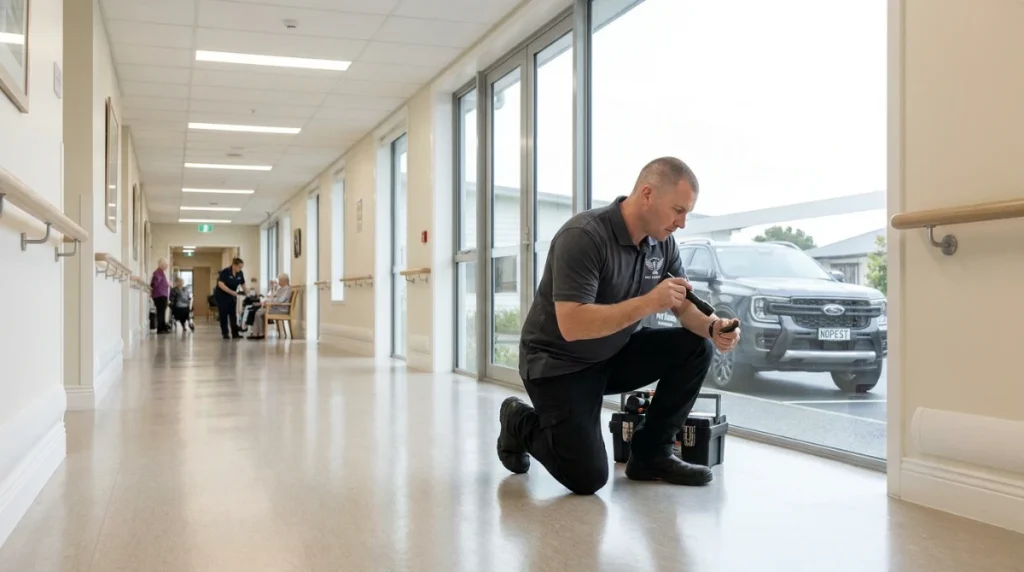
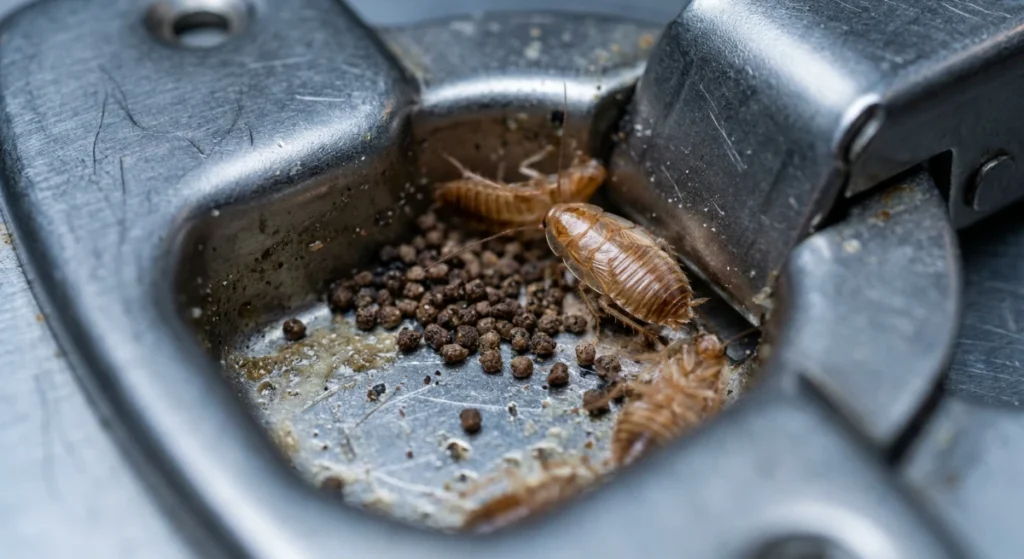
In an Auckland aged care facility, you are not just dealing with a pest. You are dealing with highly vulnerable residents, distressed families, and strict Ministry of Health audits. I have walked into retirement villages where a single infested room triggered a full-blown crisis. It does not have to be that way.
When you are tasked with managing an outbreak, you face a unique set of challenges. Pests hitchhike in on visitors, new admissions, and commercial laundry. You cannot stop people from accidentally bringing them in. But you absolutely can stop them from spreading through the entire wing.
The era of reactive, toxic “spray and pray” applications is dead, especially in healthcare. Today, solving this problem requires a surgical, entomological approach. This is exactly why implementing Discreet Bed Bug and Parasite Protocols for Auckland Aged Care Facilities is the only way to protect your residents and your reputation.
Key Takeaways
Implementing discreet bed bug and parasite protocols for Auckland aged care facilities requires zero-emission treatments and strict adherence to the Health and Disability Services Standards (NZS 8134:2021). Effective eradication relies on silent detection, structural isolation, and Level 3 certified technicians to ensure resident safety and immediate audit compliance.
The Unique Threat of Pests in Aged Care Environments
Retirement villages and aged care facilities are high-traffic environments. You have a constant influx of family members, medical contractors, and fresh linens arriving daily. This constant movement makes these facilities incredibly vulnerable to hitchhiking pests.
Bed bugs are the most notorious offenders. They do not care how clean your facility is or how much your residents pay for their care. They simply look for a host, and elderly residents—who often have limited mobility and compromised immune systems—are highly susceptible.
Why Bed Bugs Hitchhike into Rest Homes
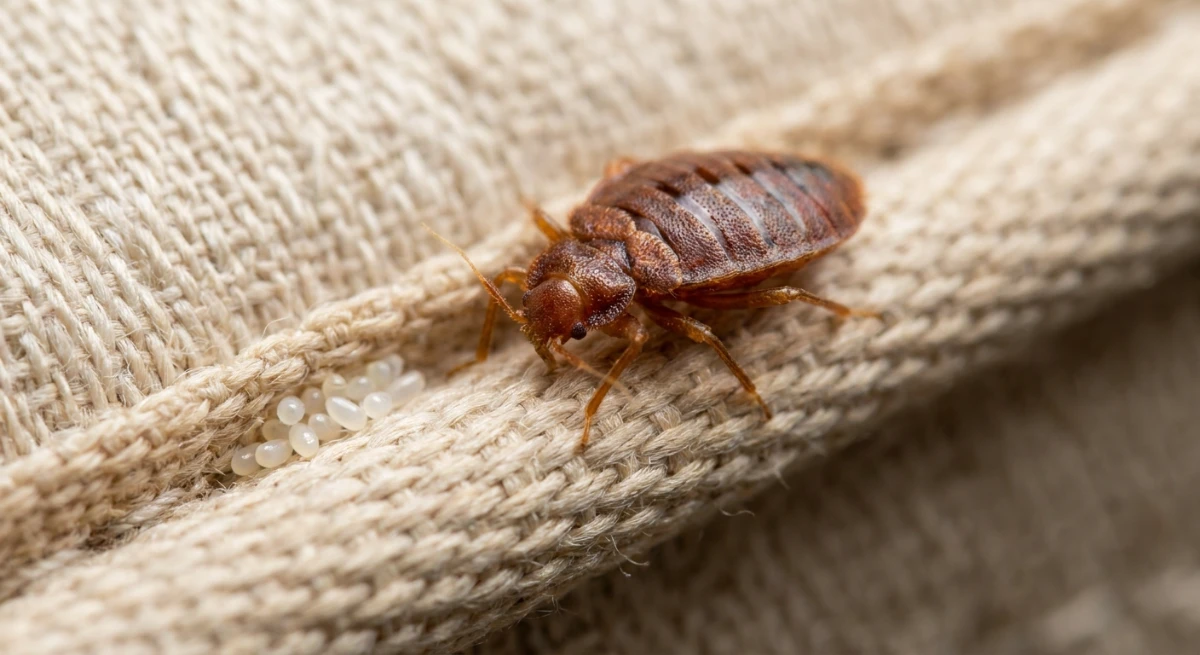
A bed bug can survive for months without a blood meal. They hide in the seams of visitors’ handbags, the folds of a new resident’s favorite armchair, or deep inside a contractor’s tool bag. Once inside, they spread rapidly through wall voids and shared laundry carts.
The psychological toll on your residents is severe. Sleep deprivation, anxiety, and secondary skin infections from scratching are common. For a facility manager, ignoring the early signs is a guaranteed path to a public relations disaster.
The Cost of Getting It Wrong
If a family member spots a bed bug crawling on their mother’s pillow, they will not quietly inform the front desk. They will take a photo, post it online, and call the Ministry of Health. The fallout is immediate and brutally expensive.
You will face emergency audits, potential facility lockdowns, and a massive hit to your occupancy rates. This is why proactive, invisible monitoring is non-negotiable.
Using uncertified maintenance staff to apply toxic hardware-store bug bombs in a healthcare setting violates the HSNO Act and puts vulnerable residents at severe respiratory risk. Always demand to see your pest technician’s Level 3 certification.
Regulatory Constraints and Ministry of Health Audits
In New Zealand, aged care facilities operate under intense regulatory scrutiny. You cannot just call a generic exterminator to spray baseboards. Every chemical brought onto the premises must be documented, justified, and proven safe for human exposure.
When executing discreet bed bug and parasite protocols for Auckland aged care facilities, we rely on a strict framework. This ensures that when the auditors arrive, your pest management documentation is bulletproof.
Health and Disability Services Standards (NZS 8134:2021)
The NZS 8134:2021 standards clearly mandate that providers must maintain a clean, hygienic environment. This explicitly includes actively preventing infection and pest transmission. A reactive approach is considered a failure under these standards.
Auditors look for proof of an ongoing Integrated Pest Management (IPM) plan. They want to see trend analysis, non-toxic monitoring logs, and rapid-response protocols for sudden outbreaks.
EPA HPC Notice 2017 & Level 3 Certification
Under the Environmental Protection Authority (EPA) rules, applying Class 9 ecotoxic substances in sensitive environments requires highly trained personnel. Your technician must hold the New Zealand Certificate in Pest Operations (Level 3).
We carry these qualifications precisely because healthcare environments require a surgical approach. We know exactly which low-toxicity, zero-emission gels to use around respiratory-compromised patients.
Discreet Bed Bug Eradication Protocols
The foundation of our discreet bed bug and parasite protocols for Auckland aged care facilities is silent detection and rapid isolation. We operate without alarming your residents or tipping off visitors to a potential problem.
Our technicians arrive in unmarked vehicles when requested. We do not walk through the main dining hall carrying massive chemical tanks. We work quietly, methodically, and effectively.
If a staff member spots a suspected bed bug, immediately lock down the room. Do not move linens, mattresses, or furniture into the hallway, as this guarantees the infestation will spread to adjacent rooms.
Step 1: Silent Detection and Isolation
The first step is a microscopic inspection of the suspected room and the rooms immediately adjacent, above, and below. Bed bugs travel through electrical conduits and plumbing wall voids with ease.
We utilize advanced pheromone monitors and deep-crevice flashlights to identify the exact nesting locations. Once identified, the room is structurally isolated to prevent any outward migration during treatment.
Step 2: Zero-Emission Thermal and Targeted Treatments
We do not blast patient rooms with toxic aerosols. Instead, we rely on highly targeted, zero-emission treatments. This often involves commercial-grade dry steam applied directly to mattress seams, bed frames, and baseboards.
Dry steam kills bed bugs and their eggs instantly on contact without leaving any chemical residue. We follow this up with MPI-approved, low-toxicity residual dusts applied deep inside wall voids where residents cannot reach them.
Step 3: Long-Term Monitoring and Staff Training
Eradication is only half the battle. We install discreet interceptor traps under bed legs to monitor for any future activity. This gives us early warning signs before an infestation can take hold.
Furthermore, we provide rapid-response training for your nursing and cleaning staff. Teaching them how to identify early signs—like rust-colored fecal spots on sheets—is your best defense.
Managing Other Parasites: Fleas, Scabies, and Mites
Bed bugs get the headlines, but other parasites are just as disruptive. Fleas are frequently brought in by visiting therapy dogs or family pets. Once in the carpet, they bite residents around the ankles, causing severe irritation.
Scabies and bird mites also present unique challenges. Bird mites migrate indoors when birds nest in the facility’s roof cavity. We address the root cause by removing the bird nests and applying targeted treatments to the ceiling voids.
When a resident vacates a room, schedule a preventative sweep and flea treatment before the new admission. It is the cheapest insurance policy against inheriting a hidden pest issue.
Comparing Standard vs. Healthcare Pest Control
If you need discreet bed bug and parasite protocols for Auckland aged care facilities, you need a specialist. A standard residential pest controller is simply not equipped to handle the legal and biological complexities of a retirement village.
| Feature | Standard Pest Control | Healthcare-Grade Protocols |
|---|---|---|
| Chemical Application | Broad-spectrum toxic sprays | Zero-emission, highly targeted gels and dry steam |
| Discretion | Branded trucks and visible equipment | Unmarked vehicles, silent monitoring devices |
| Compliance Documentation | Basic invoice provided | Full audit-ready IPM logs for Ministry of Health |
| Technician Certification | Basic training | NZ Certificate in Pest Operations (Level 3) |
Integrated Pest Management (IPM) for Retirement Villages
Integrated Pest Management (IPM) is the gold standard for commercial facilities. It shifts the focus away from reactive extermination and towards proactive exclusion. We identify how pests are getting in and structurally block them.
This means sealing gaps around plumbing penetrations, installing proper door sweeps, and managing exterior vegetation. By removing the conditions that pests need to survive, we drastically reduce the need for pesticides.
Aligning with the Food Act 2014 (Kitchens & Dining)
Aged care facilities also run massive commercial kitchens. These areas are strictly governed by the Food Act 2014. You cannot use toxic rodent baits near food preparation surfaces, as the risk of cross-contamination is too high.
We protect your kitchens using non-toxic mechanical traps, pheromone lures, and insect light traps. This ensures your dining facilities remain completely compliant with all MPI food safety regulations.
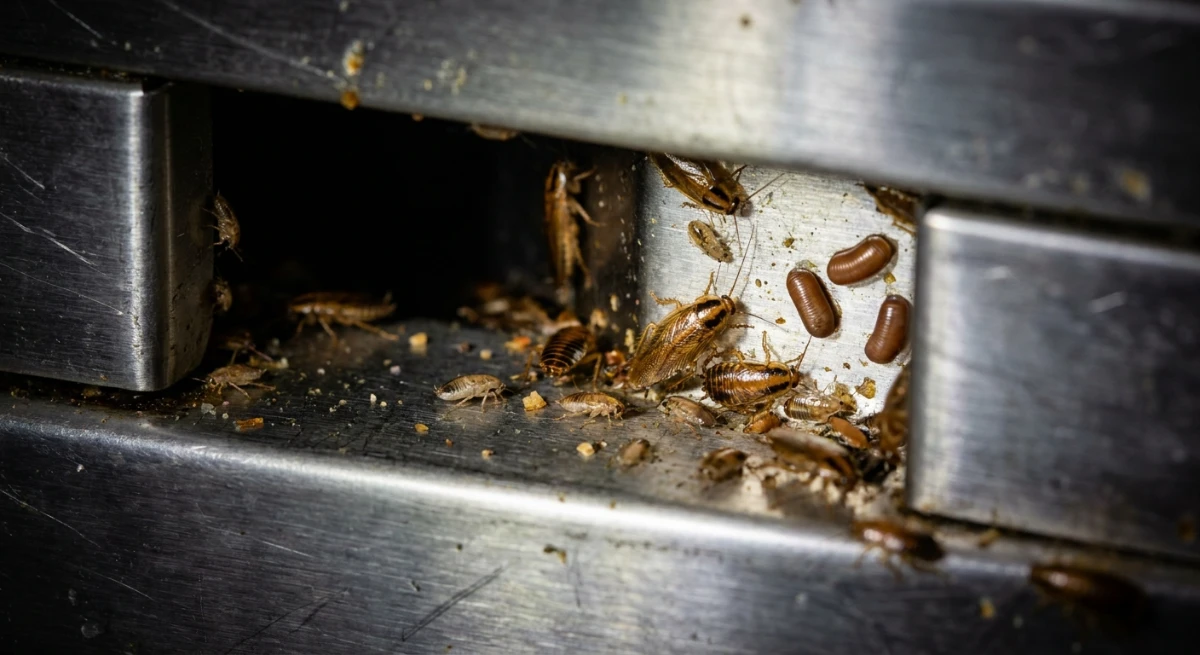
With Auckland hosting the FAOPMA Pest Summit in July 2026, the industry standard is permanently shifting towards Predictive IPM and smart digital monitoring over reactive chemical sprays.
Frequently Asked Questions

About the Author: Ronnie
Founder, Pest Control Auckland · Commercial & Residential Pest Expert · Certified Urban Pest Management Specialist
With years of experience managing complex commercial biosecurity audits, Ronnie is the definitive expert on discreet bed bug and parasite protocols for Auckland aged care facilities. Having consulted for top-tier hospitality and healthcare providers, he specializes in zero-emission eradication methods that strictly align with Ministry of Health regulations.