Introduction to Auckland CBD Pest Control
The bustling heart of New Zealand’s largest city is a dynamic mix of high-rise apartments, heritage buildings, and premium hospitality precincts. Beneath this vibrant urban landscape, a hidden ecosystem thrives. The dense concentration of food businesses, shared structural walls, and underground networks makes the city centre a prime breeding ground for opportunistic urban pests.
Effective Auckland CBD Pest Control is not just about reacting to a sudden infestation; it is about proactive, strategic management. The temperate climate of the region allows certain species, particularly roof rats and German cockroaches, to flourish year-round if left unchecked. For commercial operators, maintaining a pristine environment is a strict regulatory requirement, not merely an aesthetic choice.
Whether you manage a multi-story corporate office, a bustling Viaduct restaurant, or a residential apartment building, understanding the unique pest pressures of the inner city is critical. Navigating these challenges requires specialized knowledge of urban pest behavior and modern eradication technologies. Let’s explore the essential components of protecting your CBD property from unwanted intruders.
Key Takeaways
Auckland CBD Pest Control focuses on eradicating common urban pests like roof rats, German cockroaches, and bed bugs from dense commercial and residential properties. Professional treatments use Integrated Pest Management (IPM) to ensure food safety compliance, protect structural integrity, and provide rapid response in high-traffic city environments.
Fast-Response Commercial and Residential Pest Management
The density of the Auckland city centre creates a unique set of challenges for pest management. When commercial properties share walls, plumbing, and ventilation systems, a localized pest issue can rapidly spread across multiple tenancies. This interconnectedness demands a fast-response approach to isolate and eliminate threats before they escalate.
In commercial kitchens and hospitality venues, the stakes are incredibly high. The presence of a single pest can lead to severe health and safety violations, brand damage, and potential forced closures by local authorities. Therefore, implementing routine commercial pest control in Auckland is a non-negotiable operational expense for food service providers.
Residential apartment blocks face their own distinct pressures. High tenant turnover and shared waste disposal chutes make these buildings highly susceptible to bed bugs and cockroaches. Fast-acting, discreet interventions are required to treat these multi-unit dwellings without causing widespread disruption to residents.
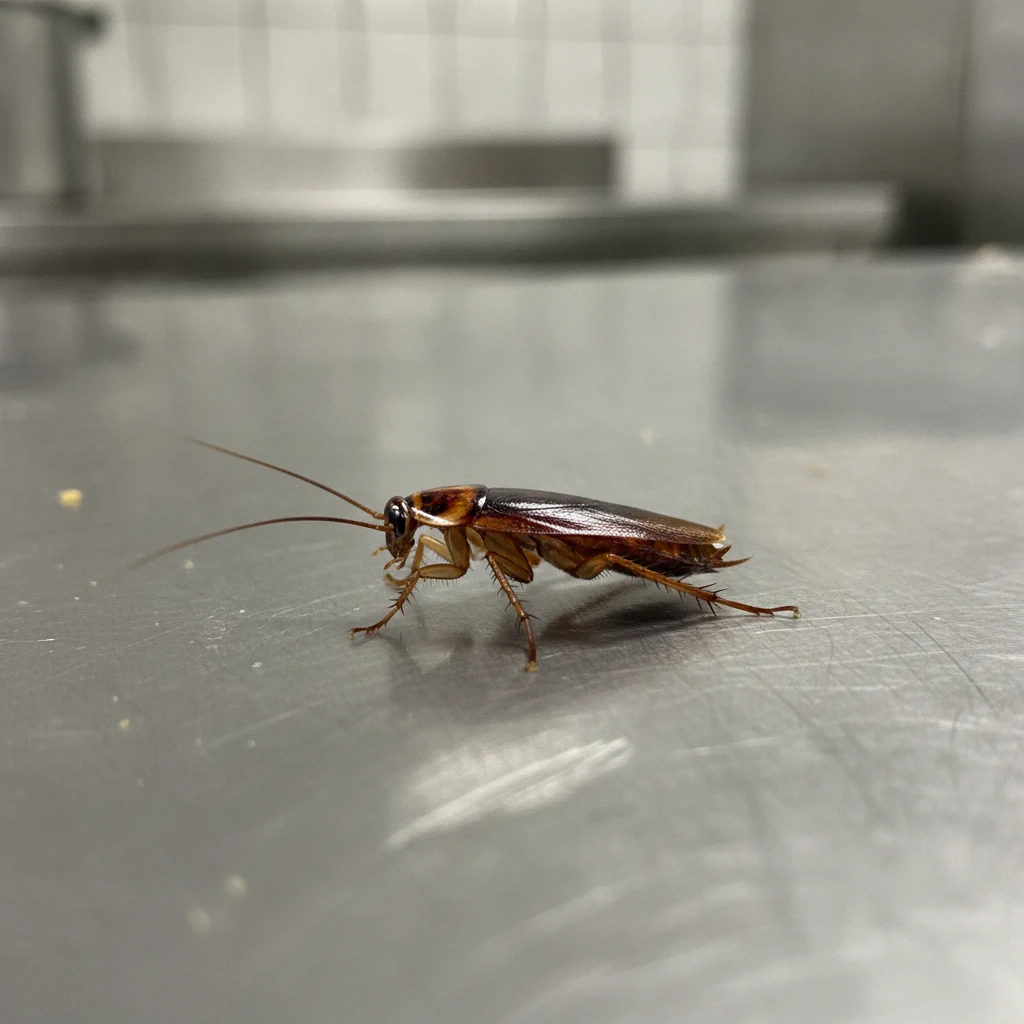
The Threat of German Cockroaches
Among the most persistent urban invaders is the German cockroach. Unlike their larger outdoor counterparts, these insects thrive exclusively indoors, preferring the warm, humid microclimates found behind commercial dishwashers, espresso machines, and refrigeration units. Their rapid reproductive cycle makes them notoriously difficult to eradicate with over-the-counter products.
Professional technicians utilize targeted gel baits and insect growth regulators (IGRs) to break the breeding cycle. By strategically placing these treatments in high-activity zones, exterminators can collapse the colony from within. This targeted approach minimizes the need for disruptive, broad-spectrum chemical sprays in sensitive food preparation areas.
A single female German cockroach can produce up to 30,000 descendants in a single year under optimal indoor conditions. Delaying professional intervention allows the infestation to embed deeply into the building’s infrastructure.
Rodent Incursions in High-Rises
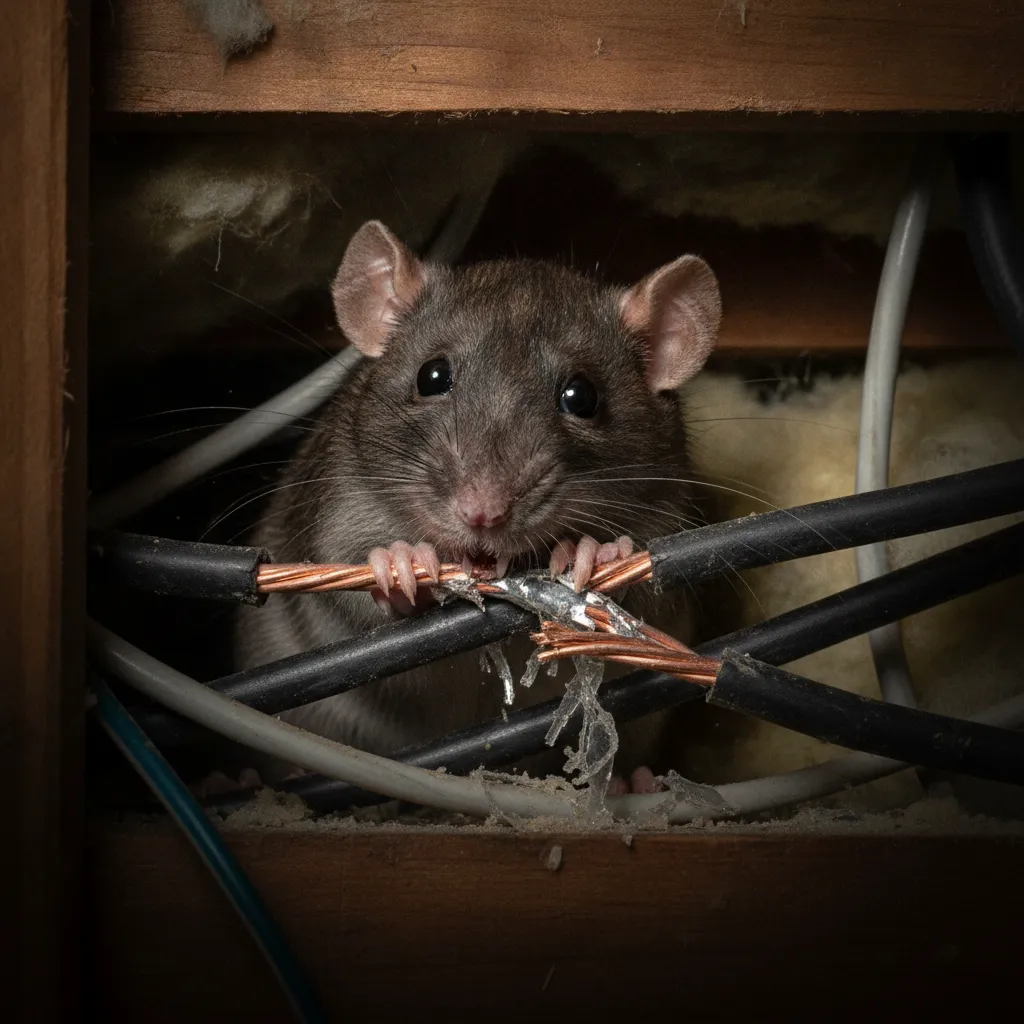
While many assume rats are confined to ground-level alleyways, the agile Roof Rat (Ship Rat) is a frequent invader of high-rise ceilings and elevator shafts. These climbers exploit structural gaps, utility lines, and overgrown trees brushing against building exteriors to access upper floors. Once inside, they cause extensive damage by gnawing on electrical wiring and insulation.
Effective rodent management in the CBD requires comprehensive exclusion tactics. This involves sealing entry points, installing tamper-resistant bait stations in secure areas, and utilizing electronic monitoring systems. Catching the problem early prevents costly structural repairs and mitigates the risk of electrical fires caused by chewed cables.
Why Choose Professional Outdoor and Courtyard Services
While the CBD is heavily urbanized, it features numerous outdoor hospitality courtyards, laneways, and rooftop gardens. These exterior spaces are highly attractive to patrons, but they also serve as primary foraging grounds for urban pests. Effectively managing these quasi-outdoor areas is a specialized subset of Auckland CBD Pest Control.
Food debris dropped in outdoor dining precincts quickly attracts scavengers like ants, mice, and feral pigeons. If the exterior perimeter is not secured, these pests will inevitably migrate indoors as temperatures drop or food sources become scarce. Maintaining a robust exterior defense line is essential for holistic property protection.
Professional courtyard management involves strategic baiting, specialized trapping, and environmental modification. Technicians work to identify and eliminate harborages, such as poorly managed waste disposal areas or dense decorative foliage that provides cover for rodents.
Securing Loading Docks and Alleyways
The back-of-house operations in the city centre, including loading docks and refuse collection zones, are the front lines of pest defense. These areas experience high traffic and frequent deliveries, providing pests with constant opportunities to hitchhike into the building via cardboard boxes or pallets.
Implementing strict hygiene protocols in these zones is critical. Professional pest managers will install heavy-duty, lockable rodent stations along the exterior perimeter and apply residual insecticidal barriers around delivery doors. This proactive approach intercepts pests before they cross the building threshold.
Ensure all commercial dumpsters have tight-fitting lids and are emptied frequently. Washing down the loading dock weekly removes the grease and organic buildup that strongly attracts urban rodents and flies.
Key Metrics & Essential Standards
Understanding pest activity trends is vital for implementing effective preventative measures. In Auckland’s temperate climate, pest pressures fluctuate significantly with the seasons. Rodents actively seek indoor shelter during the colder, wetter winter months, while insect populations explode during the humid summer season.
Data-driven pest management allows businesses to anticipate these seasonal shifts and scale their defenses accordingly. By analyzing localized activity metrics, property managers can allocate resources more efficiently, ensuring maximum protection year-round.
Integrated Pest Management (IPM) Protocols
Modern Auckland CBD Pest Control relies heavily on Integrated Pest Management (IPM). This methodology prioritizes long-term prevention over short-term chemical fixes. IPM focuses on understanding the pest’s biology and altering the environment to make it inhospitable to them.
The core pillars of IPM include rigorous inspection, accurate pest identification, environmental sanitation, and the targeted application of control methods. By addressing the root causes of an infestation—such as moisture leaks or unsealed entry points—IPM delivers sustainable, eco-friendly results.
| Methodology | DIY Pest Control | Professional IPM Standards |
|---|---|---|
| Approach | Reactive chemical spraying | Proactive environmental modification |
| Safety | High risk of misapplication | Targeted, low-toxicity applications |
| Compliance | Does not meet MPI standards | Fully documented for audits |
| Long-Term Efficacy | Low (pests often return) | High (addresses root causes) |
Regulatory Compliance for Businesses
Operating a business in the Auckland CBD requires strict adherence to local and national health regulations. The Ministry for Primary Industries (MPI) and the Auckland Council mandate that food operators maintain a pest-free environment. Failure to comply can result in severe fines or the revocation of operating licenses.
Professional pest management provides the necessary documentation to prove compliance during health audits. Essential compliance standards include:
- Maintaining an up-to-date pest sighting log on the premises.
- Displaying detailed site maps indicating the location of all bait stations and traps.
- Retaining safety data sheets (SDS) for all chemical treatments utilized on-site.
- Scheduling regular, documented inspections by a licensed pest control technician.
Service Bookings & Quotations
Understanding how the quotation process works ensures property owners can budget effectively for pest management. Because every building in the CBD has unique architectural features and operational constraints, standardized pricing is rarely applicable. Instead, professional services rely on comprehensive site inspections to generate accurate quotes.
The cost of Auckland CBD Pest Control is influenced by several key variables. The overall square footage of the property, the severity of the current infestation, and the specific type of pest involved all play a role. Additionally, the frequency of required visits—whether a one-off eradication or a year-round maintenance contract—will dictate the final investment.
For commercial entities, annual contracts generally provide the best value and ensure continuous compliance. These comprehensive plans typically include regular monitoring visits, detailed reporting, and emergency call-out provisions, offering complete peace of mind for business operators.
The Inspection Process
The foundation of an accurate quotation is the initial site assessment. During this phase, a qualified technician will thoroughly examine the property, focusing on high-risk areas such as subfloors, ceiling cavities, and waste disposal zones. They will identify active harborages, potential entry points, and conducive environmental conditions.
Following the inspection, the technician develops a customized treatment plan. This document outlines the proposed methodologies, safety considerations, and the timeline required to achieve total eradication. Transparency during this stage ensures that property managers fully understand the scope of the required work.
To facilitate an accurate assessment, ensure the technician has clear access to all utility cupboards, ceiling hatches, and back-of-house storage areas. Removing clutter prior to the inspection allows for a much more thorough evaluation of the property.
Review your current lease agreement or body corporate rules. Determining whether the landlord, tenant, or building management is financially responsible for pest control will streamline the approval process once a quote is received.