I have been crawling through roof cavities across Auckland for years. When parents ask me about nursery pest-proofing, the panic is always exactly the same. You have seen a cockroach near the crib, or heard scratching in the wall, and you want it gone yesterday. But you also know that blasting toxic chemicals near a newborn is a terrible idea.
The spine of the issue is simple: you answer a pest problem by physically blocking them out, not by poisoning the room they are standing in. How do you keep baby rooms bug-free without chemicals? You use structural exclusion. You seal the gaps, manage the moisture, and remove the food source. It is the exact same non-toxic Integrated Pest Management (IPM) standard we use in commercial food environments, brought straight into your home.
Right now, in May 2026, Auckland is experiencing a massive autumn pest surge. A mild winter last year means rodent and insect populations are at an all-time high. They are looking for warmth, and your insulated nursery is prime real estate. I am going to tell you plainly what is going on, why cheap sprays fail, and exactly what you need to do to lock down your baby’s room permanently.
Key Takeaways
To master nursery pest-proofing without chemicals, focus entirely on structural exclusion. Seal wall cavities, install weather stripping, and manage room humidity to deter pests. Never use hardware store bug bombs in a baby’s room. For severe infestations, rely on a certified technician utilizing zero-emission, root-cause eradication methods.
The Reality of Nursery Pest-Proofing in Auckland
Let us get straight to it. Protecting your baby from pests is not about buying a fancy ultrasonic plug-in or spreading peppermint oil around the skirting boards. Those gimmicks simply do not work. It is about treating your nursery like a fortress.
Here in Auckland, rodents and insects are constantly looking for a warm place to nest. If your house has structural gaps, they will find them. My job is not just to kill what is currently there; it is to figure out exactly how they got in and shut the door permanently.
Why Chemical Sprays and Babies Do Not Mix
New Zealand has strict regulations under the HSNO Act for a very good reason. Infants are highly vulnerable to airborne particulates and pesticide residues. Their metabolic systems are not fully developed, meaning they cannot process toxins the way adults do.
When you use a cheap supermarket bug bomb, you are coating the carpet, the changing table, and the crib in chemicals. Babies crawl on that carpet and immediately put their hands in their mouths. The Environmental Protection Authority (EPA) constantly reviews domestic pesticide safety specifically because of this ingestion risk.
That is why our certified approach at Pest Control Auckland relies entirely on zero-emission treatments and physical exclusion. We do not do blind spraying. We find the root cause and we fix it.
Never use total-release foggers (bug bombs) in or near a nursery. The chemical residue settles on all surfaces, including baby bedding and toys, creating a severe ingestion and inhalation hazard for infants. They also fail to reach pests hiding deep inside wall cavities.
Common Nursery Invaders and Health Risks
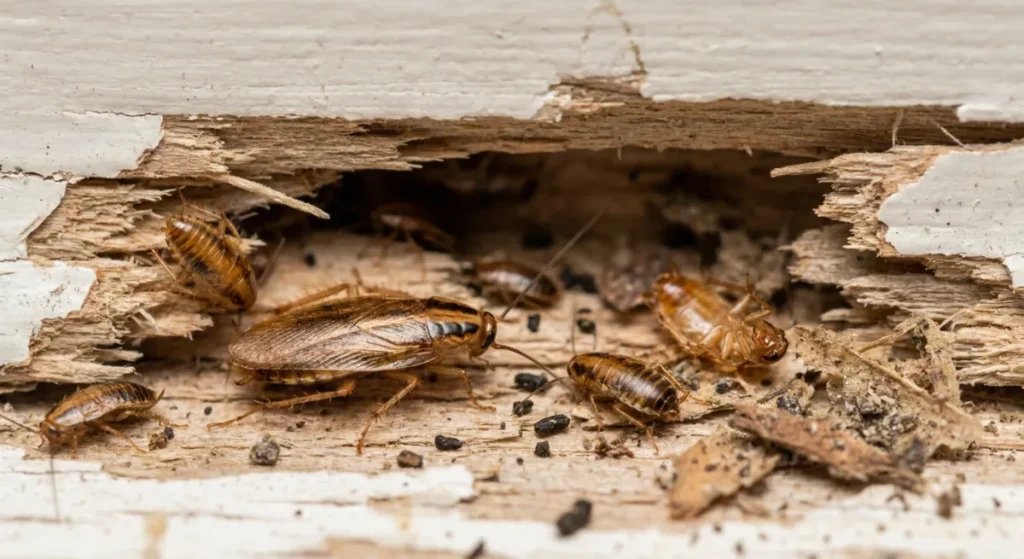
You need to know exactly what you are up against. In my experience across the Auckland region, two main culprits threaten nurseries: cockroaches and rodents. Neither of them belong anywhere near a child.
Cockroaches and Childhood Asthma
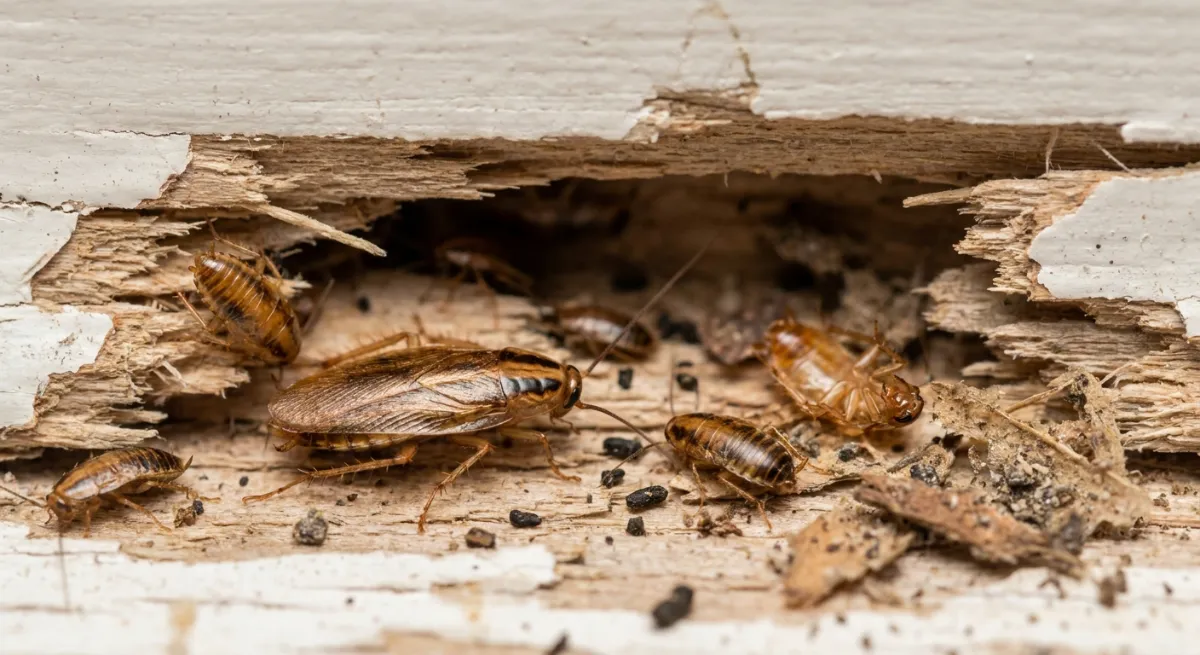
Cockroaches are more than just ugly; they are a massive trigger for respiratory issues. The Asthma and Respiratory Foundation NZ notes that cockroach droppings, saliva, and shed skin contain microscopic proteins, specifically Bla g 1 and Bla g 2.
When these proteins dry out, they become airborne dust. If your baby inhales them, it can lead to severe asthma flare-ups and chronic wheezing. You cannot spray away an allergen problem with a can of insecticide.
To truly keep baby rooms bug-free without chemicals, you have to physically remove the nest, sanitize the void, and seal the wall. Leaving dead cockroaches in the wall cavity just leaves the allergens behind.
Rodents and the Autumn Surge
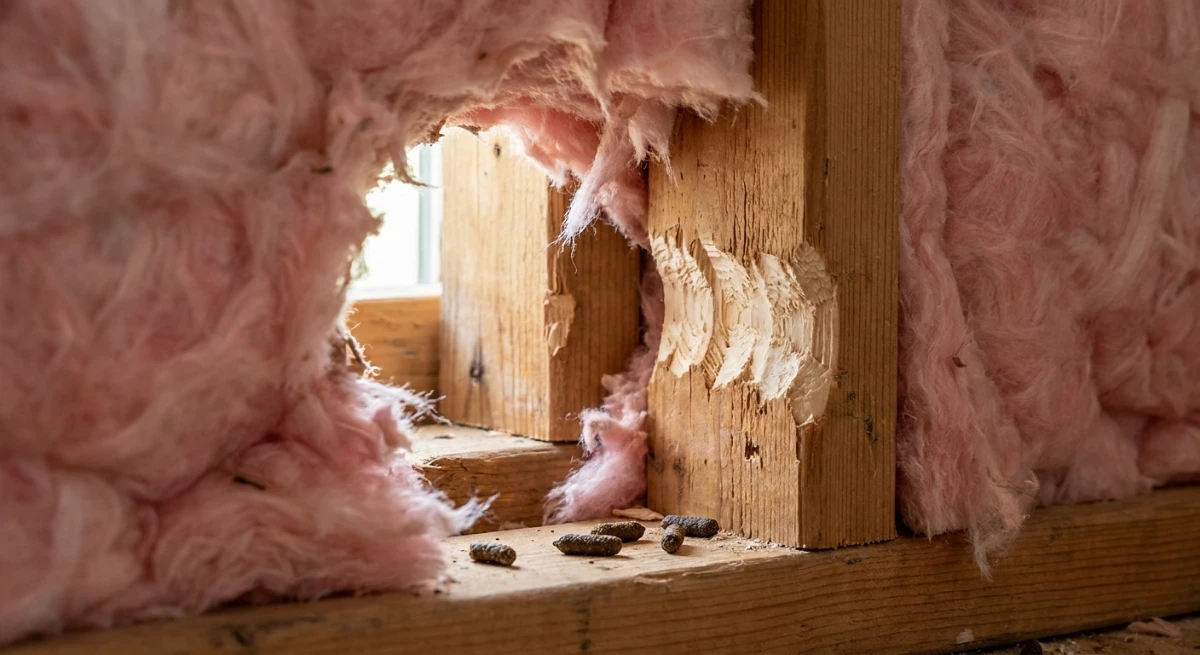
Every May, the temperature drops across the Hauraki Gulf, and rats head straight for your warm roof cavity. During the 2026 autumn surge, we have seen a massive spike in rodents chewing through insulation directly above baby rooms.
Rats carry pathogens, and their urine can seep straight through ceiling gib. Hearing them scratch above the crib is enough to keep any parent awake. Following recent biosecurity drops in the Hūnua Ranges, displaced rodents are pushing heavily into suburban zones.
Step-by-Step: Keeping Baby Rooms Bug-Free Without Chemicals
So, how do we actually lock down the room? We use a process called Predictive Integrated Pest Management (IPM). It is the exact same standard we use to keep commercial food premises compliant with the Food Act 2014, adapted safely for your home.
Structural Exclusion (The Silver Bullet)
Exclusion is the only permanent fix. If they cannot get in, you do not have a pest problem. Grab a flashlight and check the nursery. Look closely at the window frames, the skirting boards, and where the pipes come through the wall.
Any gap wider than a pencil is an open door for mice. Any hairline crack is a highway for ants and cockroaches. Use high-quality silicone caulk to seal these gaps. It is non-toxic, cheap, and instantly effective.
If you can slide a standard pencil under the nursery door or into a gap near the window frame, a mouse can squeeze through it. Install weather stripping and door sweeps immediately to block their path.
Moisture and Climate Control
Bugs need water much more than they need food. If your nursery is damp, you are rolling out the red carpet for silverfish, cockroaches, and booklice. Auckland’s humidity is notoriously brutal during the winter months.
Make sure the nursery is well-ventilated during the day. Run a dehumidifier if the windows are crying with condensation in the morning. Keep the relative humidity below 50% to naturally deter pests from settling in.
Safe, Non-Toxic Monitoring
You need to know if your exclusion work was successful, but you should never use toxic baits in a baby’s room. Instead, slide a few sticky monitoring boards under heavy furniture where the baby absolutely cannot reach.
These boards trap wandering insects and give you an early warning before a full infestation takes hold. Check them weekly. If they are clear, your exclusion work is holding up perfectly.
- Empty the bin daily: Never leave soiled nappies or wipes in the room overnight, as the organic matter attracts flies and ants.
- Wipe down surfaces: Clean up spilled formula or breast milk immediately; even tiny drops can sustain cockroach colonies for weeks.
- Inspect laundry: Shake out baby clothes and blankets before folding them away to ensure no wandering pests are trapped inside.
- Check the crib: Keep the crib pulled a few inches away from the wall to prevent spiders from bridging across the gap.
The DIY Cycle of Despair
I see parents get sucked into the DIY cycle of despair every single week. You read online that peppermint oil, vinegar, or ultrasonic plug-ins will keep the baby room safe. You spend the money, plug them in, and a week later, there is a rat chewing on the skirting board.
Essential oils evaporate in hours. Ultrasonic repellers bounce off walls and do absolutely nothing to stop a hungry rodent. You cannot outsmart biology with a cheap plug-in. You have to physically block their entry points.
Relying on these internet myths just gives the infestation time to grow. By the time you realize the natural remedies have failed, a small pest issue has turned into a structural nightmare.
| Feature | Chemical Surface Sprays | Structural Exclusion (IPM) |
|---|---|---|
| Safety for Infants | Low (High risk of residue ingestion) | High (Zero chemical exposure) |
| Effectiveness | Temporary (Kills on contact only) | Permanent (Blocks entry entirely) |
| Root Cause Fixed? | No | Yes |
| Long-Term Cost | High (Requires constant re-buying) | Low (One-time sealing) |
Renters vs. Landlords: Who Pays?
Under the Residential Tenancies Act, landlords must provide a clean, safe home. If you move into an Auckland rental and immediately find fleas or cockroaches in the nursery, the landlord is generally responsible for the eradication.
However, if the infestation is caused by poor hygiene—like leaving food out or failing to manage rubbish—the tenant foots the bill. Always document the issue immediately. Take photos of droppings or structural gaps and request a certified technician.
If you are moving into a new rental with a baby, ask the landlord for proof of a professional end-of-tenancy flea treatment. Flea pupae can lay dormant in carpets for months before hatching when you move in.
When to Call a Certified Professional
There is a distinct line between smart DIY exclusion and risking your family’s health. If you have an established nest inside the wall cavity, a tube of caulk will not save you. When pests breach the internal structure, you need a Level 3 Qualified UPM Contractor.
We do not just walk in and spray. We use thermal imaging to find the nest, apply zero-emission treatments deep inside the void, and seal it shut. Our ‘Silver Bullet Guarantee’ means we fix the root cause, so you can put your baby to sleep without worrying about what is crawling in the dark.
The pest landscape in Auckland is shifting rapidly. As we gear up for the FAOPMA Pest Summit in July 2026, the industry is focusing heavily on smarter, safer solutions. Do not wait for the problem to escalate. Secure the perimeter of your home now.
Frequently Asked Questions

About the Author: Ronnie
Founder, Pest Control Auckland · Commercial & Residential Pest Expert · Certified Urban Pest Management Specialist
With years of experience in structural exclusion and zero-emission treatments, Ronnie is an authority on safe, chemical-free pest management. Having consulted for childcare centers across Auckland to ensure strict health compliance, he knows exactly how to protect vulnerable infants from both pests and toxic residues in his guide to Nursery Pest-Proofing: How to Keep Baby Rooms Bug-Free Without Chemicals.