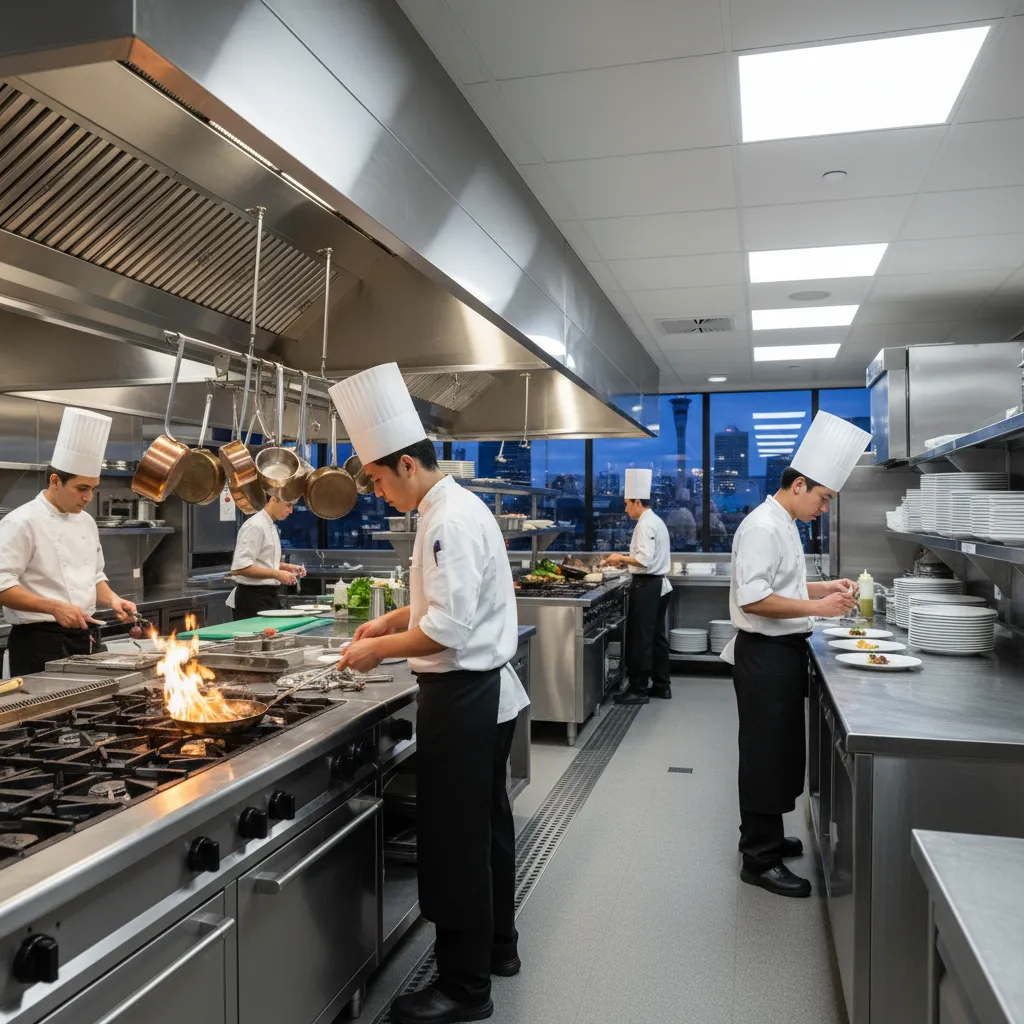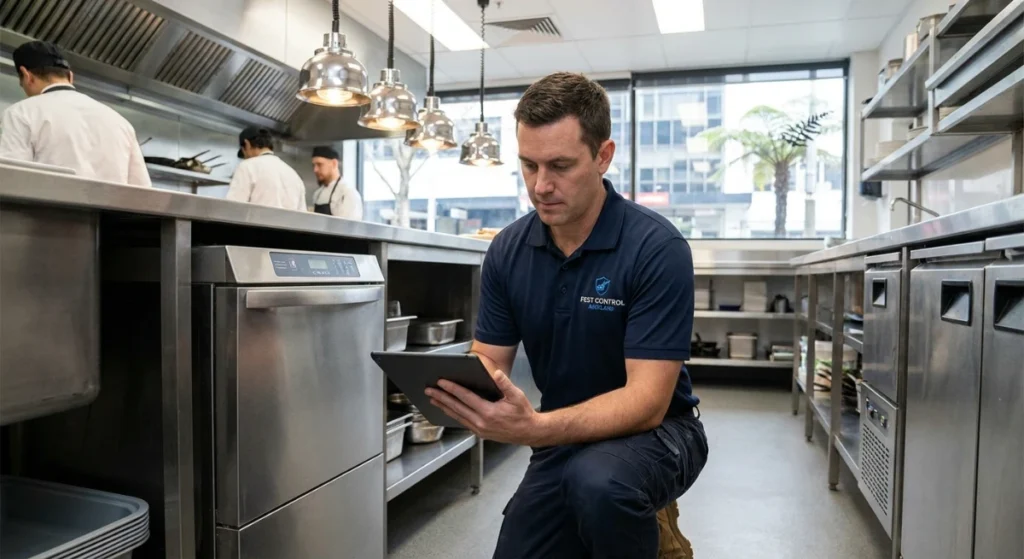
Running a commercial kitchen in Auckland is tough enough without a rat in the dry store. New Zealand’s hospitality sector just turned over a record $15.99 billion in FY2025. That means more customers, but also intense regulatory scrutiny. When the Auckland Council health inspector walks in, your Food Act 2014 compliance is what keeps the doors open.
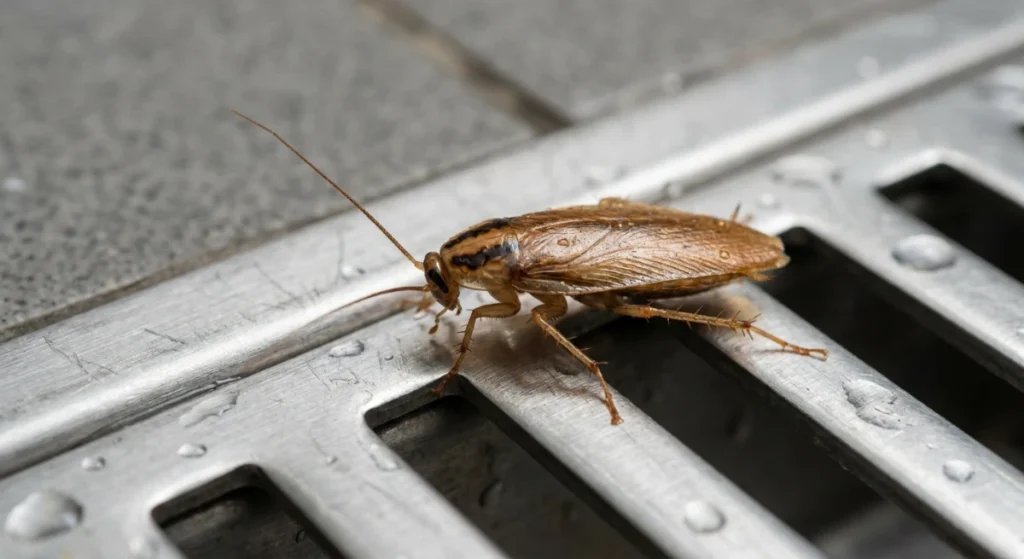
If they spot a German cockroach near the prep bench or rodent droppings out back, your ‘A’ Grade rating vanishes instantly. You cannot just spray some supermarket bug killer near the ovens and hope for the best. The Ministry for Primary Industries (MPI) demands proactive, documented proof that your premises are secure.
Most operators hit a crossroads right here. You are probably weighing up Flick vs Rentokil restaurant pest control against hiring a local specialist. Choosing the right partner decides whether you get a generic corporate tick-box exercise or someone who actually finds the nest and eradicates the problem at its root.
Key Takeaways
When comparing Flick vs Rentokil restaurant pest control, both offer robust corporate compliance and digital monitoring. However, Auckland hospitality venues increasingly prefer local agile experts for faster emergency response times, direct access to Level 3 certified founders, and transparent pricing without rigid lock-in contracts.
The Corporate Franchise Model vs. Local Agile Experts
The Auckland pest control market is sharply divided. You have massive multinational corporations dominating the market share, and you have specialized local operators. Both can kill bugs, but they operate in completely different universes.
Corporate giants build their businesses on sheer volume and standardized procedures. They offer a sense of safety for massive hotel chains that need the exact same contract across fifty different locations. But for an independent Auckland cafe or a mid-sized restaurant group, this rigid structure usually just gets in the way.
You need a pest management plan that fits your actual building, not a corporate template. A heritage site in Ponsonby needs a completely different exclusion strategy than a brand-new commercial fit-out in Albany. Local specialists look at the building first, not a generic manual.
Analyzing the Offerings of Major Corporate Providers
Rentokil and Flick Anticimex are the undisputed heavyweights in the commercial sector. Rentokil brings immense global resources, standardized reporting portals, and massive brand recognition. If you just want a famous logo on your MPI audit paperwork, they deliver exactly that.
Flick has gained serious ground recently by pushing their SMART digital monitoring systems. It is an IoT-enabled setup that uses sensors to track rodents 24/7 without toxic baits. It is impressive technology, and it looks fantastic on a corporate sustainability report.
But these corporate offerings come with heavy baggage. You are almost always locked into long, inflexible contracts. Their pricing is rarely transparent upfront, meaning you have to sit through prolonged sales pitches just to get a basic quote for your kitchen.
Whoever you hire, ensure their technicians hold the New Zealand Certificate in Pest Operations (Level 3). This is the mandatory EPA requirement for handling Class 9 ecotoxic substances in commercial settings.
The Hidden Costs of Corporate Call Centres and High Turnover
The most common complaint we hear from operators switching away from the big brands is the revolving door of staff. Corporate pest control relies on a high-volume workforce. That means high turnover, resulting in a different technician walking through your kitchen every month.
When a new tech arrives, site-specific knowledge resets to zero. They do not know that the rats always try to breach the flashing near your rear loading dock. They simply check the bait stations, sign the logbook, and leave. That is symptom management, not eradication.
Worse, when a Friday night emergency strikes, you do not want to be talking to an overseas call centre. Waiting 48 hours for a support ticket to clear is useless when your reputation is on the line. You need someone in Auckland, ready to deploy right now.
Why Auckland Restaurants are Switching to Local Specialists
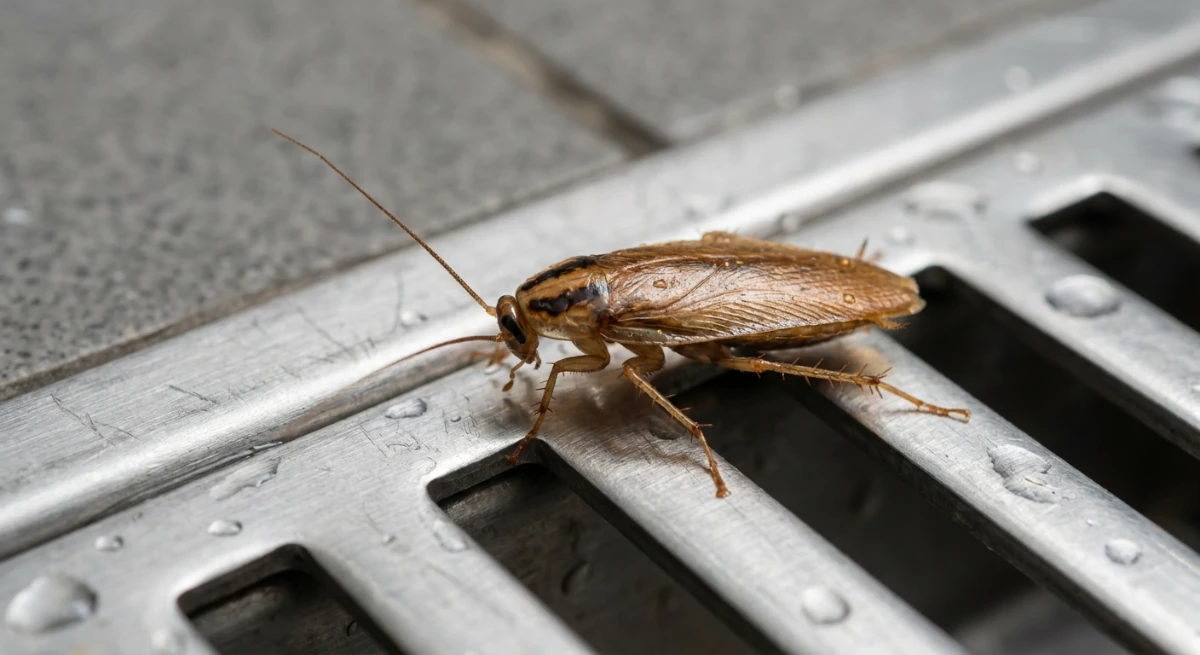
Auckland is dealing with a massive autumn pest surge right now, thanks to last year’s mild winter and hot summer. Rodents are pushing hard into commercial kitchens seeking warmth and food. Navigating this takes deep, hyper-local knowledge.
We know exactly how the recent Hūnua Ranges 1080 drops and Kawau Island eradications are shifting pest populations into the suburban and commercial fringes. Corporate manuals written in another country cannot account for these real-time, local environmental shifts.
To stay compliant, your pest management strategy must align with these local realities. Local experts excel at building bespoke Integrated Pest Management (IPM) systems that meet stringent MPI standards without the corporate bloat.
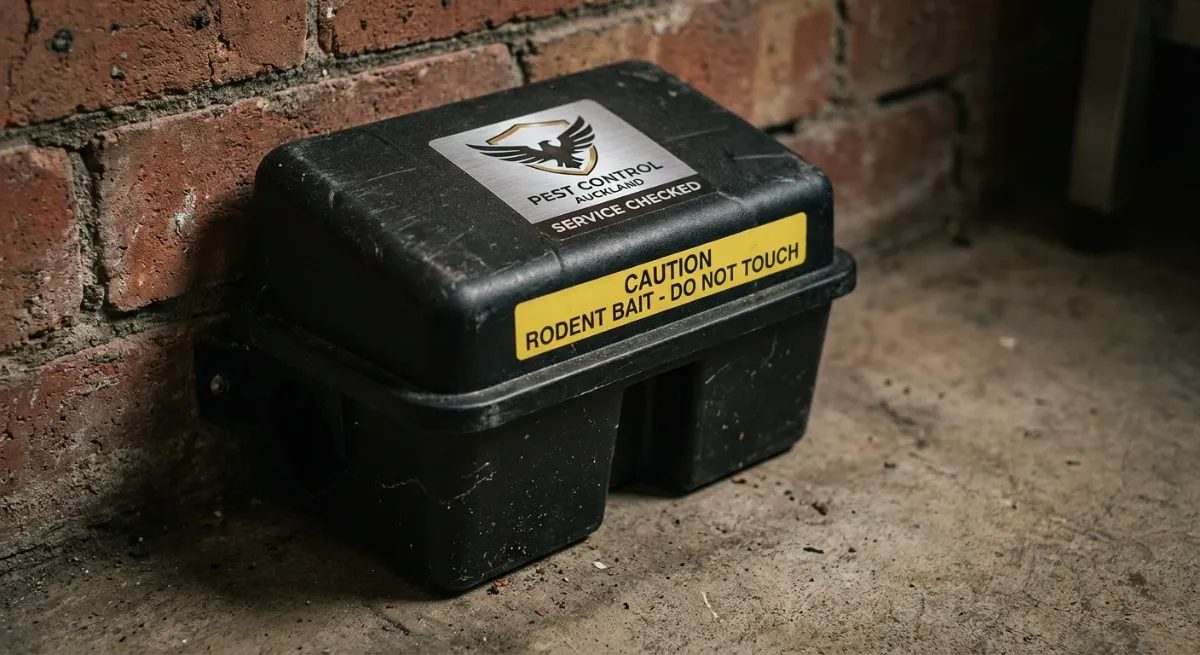
Under the Food Act 2014, applying toxic rodenticides in sensitive food preparation areas is strictly prohibited. You must rely on non-toxic monitoring blocks and mechanical traps indoors to stay compliant.
Direct Access to Experienced Founders (Meet Ronnie)
When you partner with a local business like Pest Control Auckland, you are not just a ticket number. You get direct access to the founder. There are no account managers acting as gatekeepers; you speak directly to the person putting their name on your compliance certificate.
We do not just spray the baseboards and walk away. We conduct thorough structural audits to find out exactly how pests are getting in. By sealing entry points and managing the environment, we stop the problem at the source.
This entomological approach is what actually solves infestations. We identify the specific species, understand its breeding cycle, and target the nest. It is precise, scientific, and highly effective.
The most effective pest control is a closed door. Installing high-quality weather stripping and automatic door closers on your rear loading dock will instantly drop your rodent risk by 50%.
Faster Response Times for Hospitality Emergencies
In hospitality, one pest sighting can ruin your entire week. If a customer films a mouse running across your dining room floor, the reputational damage is instant. You need a pest control partner who treats your emergency with the urgency it deserves.
Local specialists are highly agile. When you call us, we deploy fast. We discreetly neutralize the threat and implement corrective actions before your next dinner service begins. No overseas call centres, no delays.
This speed is exactly what health inspectors want to see. They want documented proof that you identified a risk and took immediate action. We provide the detailed service reports that keep your auditor happy.
The ‘Silver Bullet Guarantee’ vs. Standard Corporate Contracts
Corporate contracts are usually written to protect the provider, not the restaurant. They focus on scheduling regular visits rather than guaranteeing eradication. If a problem flares up between scheduled services, you are often left waiting or hit with extra callout fees.
At Pest Control Auckland, we use the ‘Silver Bullet Guarantee.’ It is a straight-up commitment to reliable work. If pests return because we missed a structural vulnerability, we come back and fix it. Simple as that.
We also do not hide behind proprietary jargon. We tell you exactly what we are doing, why we are doing it, and how it keeps your staff safe. You get honest, transparent pricing with zero hidden fees.
Always keep your pest sighting logbook and Safety Data Sheets (SDS) easily accessible. Auditors look for proactive documentation, not just a lack of live pests.
Making the Best Choice for Your Brand’s Reputation
Ultimately, the decision between Flick vs Rentokil restaurant pest control and a local specialist comes down to what your business actually needs. If you run a massive national chain and need uniform reporting above all else, the corporates make sense. If you value agility, direct communication, and root-cause eradication, go local.
As Auckland gears up to host the FAOPMA Pest Summit in July 2026, the entire industry is shifting toward smarter, safer pest management. The market wants predictive solutions, not reactive chemical sprays. Local operators are leading this charge on the ground.
If you are searching for Flick vs Rentokil restaurant pest control reviews, look beyond the marketing brochures. Look at who answers the phone when you have an emergency on a Saturday night. That is the true test of a pest control partner.
| Feature | Corporate Franchises (Flick / Rentokil) | Local Agile Experts (Pest Control Auckland) |
|---|---|---|
| Response Time | Often routed through call centres; 24-48 hours. | Direct line to owner; rapid same-day emergency response. |
| Technician Consistency | High turnover; often a different tech each visit. | Dedicated local technicians who know your site history. |
| Pricing & Contracts | Rigid, long-term lock-in contracts; opaque pricing. | Transparent pricing; flexible plans tailored to your needs. |
| Treatment Approach | Standardized symptom management and routine baiting. | Root-cause eradication and structural exclusion advice. |
To ensure you meet all MPI requirements, your chosen provider must help you implement the following Food Act 2014 standards:
- Proactive Monitoring: You must prove you are looking for pests, not just reacting to them. This means installing tamper-proof monitoring stations around the perimeter.
- Detailed Logbooks: Every single pest sighting by your staff must be recorded, along with the immediate corrective action taken by your tech.
- Non-Toxic Indoor Zones: Toxic baits are banned in food prep areas. Eradication indoors relies entirely on mechanical trapping and strict hygiene controls.
- Certified Technicians: Your service provider must hold the New Zealand Certificate in Pest Operations (Level 3) to handle the required treatments legally.
Frequently Asked Questions

About the Author: Ronnie
Founder, Pest Control Auckland · Commercial & Residential Pest Expert · Certified Urban Pest Management Specialist
With years of experience auditing Auckland hospitality venues for MPI compliance, Ronnie is the definitive expert to break down the realities of Flick vs Rentokil restaurant pest control. Having consulted for numerous independent cafes and restaurants, he understands exactly how to implement zero-emission, root-cause eradication strategies that protect both your brand and your customers.