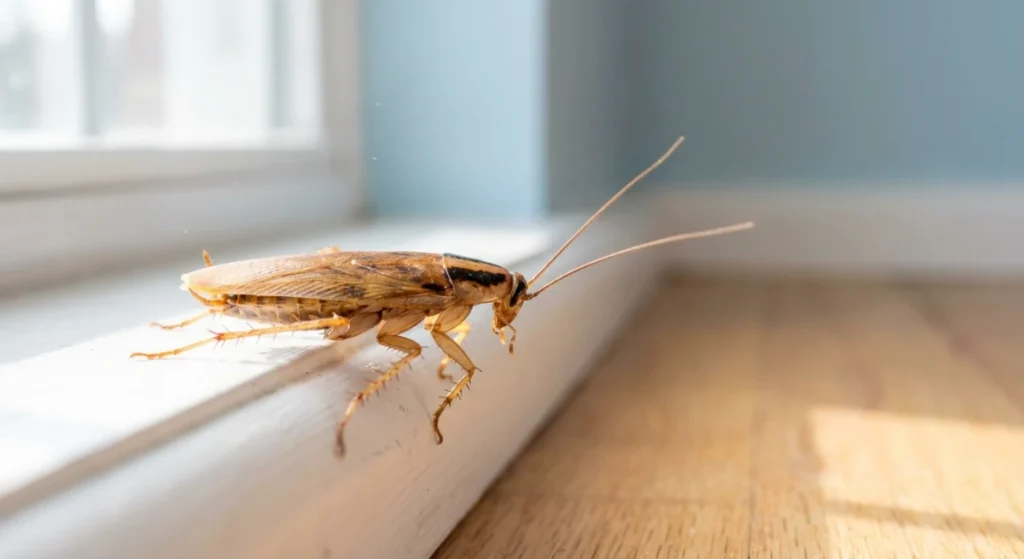
I get it. You have just put your six-month-old down for a nap, and then you hear it. The unmistakable scratching of a rat in the ceiling cavity, or maybe you spot a cockroach darting under the changing table.
You want the pests gone immediately, but your first thought is safety. Will the chemicals harm my baby? How long do we need to stay out of the house?
As an Auckland pest technician who has seen it all, I will tell you plainly: the era of toxic “spray and pray” is dead. We do not gamble with your family’s health, and you shouldn’t have to either.
Understanding the correct pest treatment preparation and re-entry timelines is the difference between a stressful ordeal and total peace of mind. Let us break down exactly what happens, what you need to do, and when it is truly safe to bring your baby back home.
Key Takeaways
For households with infants, the standard pest treatment re-entry time is 3 to 4 hours, but we strongly advise a 24-hour absence for babies. Under New Zealand’s HSNO Act, all treated surfaces must be completely dry. Proper preparation involves sealing all nursery items and clearing floors.
The Reality of Safe Pest Control for Babies
Auckland is currently experiencing an intense autumn pest surge in May 2026. A mild winter followed by a hot summer has driven massive rodent and insect populations indoors.
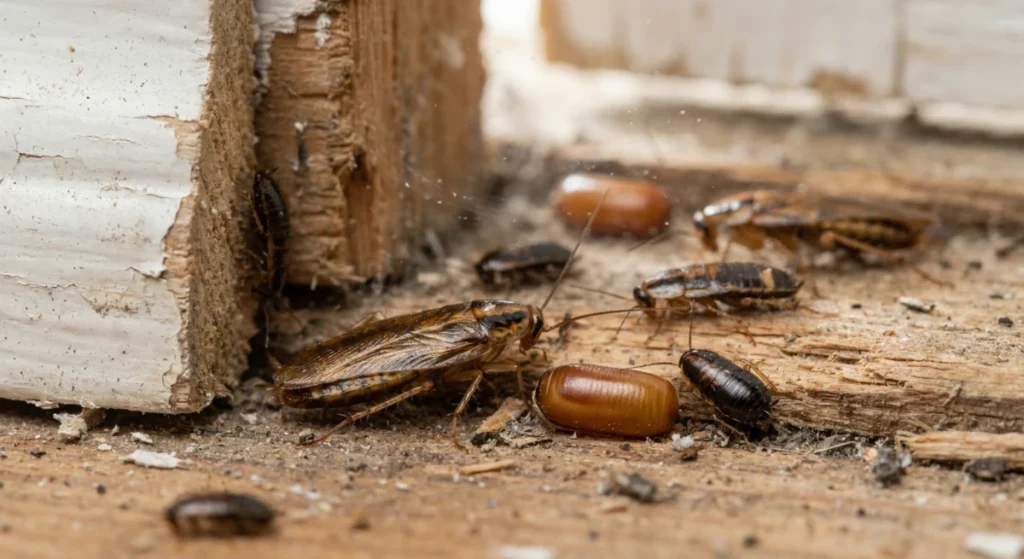
Many panicked parents fall into the “DIY Cycle of Despair.” They buy cheap hardware store bug bombs, set them off in the hallway, and hope for the best. This is incredibly dangerous for young families.
Over-the-counter foggers disperse toxic residue onto every surface, including your baby’s playmat. When discussing safe pest control for babies, we focus entirely on targeted, structural eradication rather than blanket chemical warfare.

Under New Zealand’s HSNO Act 1996 and EPA guidelines, handling Class 9 ecotoxic substances requires strict compliance. We do not let untrained staff near your home.
Our technicians hold the New Zealand Certificate in Pest Operations (Level 3). This means we calculate exact, minimal dosages of modern, low-toxicity urban pest management products. We apply them strictly into cracks, crevices, and wall voids where your baby cannot reach them.
With Auckland preparing to host the FAOPMA Pest Summit in July 2026, the industry is moving rapidly toward Predictive Integrated Pest Management (IPM). We focus on finding the structural entry points to stop pests permanently, minimizing the need for ongoing chemical use.
Why Infants Require Different Timelines
You might wonder why a healthy adult can re-enter a treated home after three hours, while a baby cannot. The science behind pest control re-entry times for infants comes down to biology and behavior.
According to Environmental Protection Authority (EPA) data, infants are significantly more sensitive to environmental agents. Their developing livers and kidneys cannot process trace compounds as efficiently as an adult’s body.
Furthermore, babies take more breaths per minute than adults. If a treatment has not fully dried and settled, a crawling infant is much closer to the ground where airborne particles are heaviest.
Lastly, there is the behavioral factor. Babies explore the world with their hands and mouths. They touch the baseboards, rub their eyes, and chew on their fingers. This creates a high risk of dermal (skin) and oral transfer if the environment is not perfectly prepared.
Global health authorities, including the EPA, apply a tenfold (10X) margin of safety when calculating chemical exposure risks for infants and children. We apply this exact same caution to our re-entry advice.
Pre-Treatment Preparation for the Nursery
Success starts before we even park the van in your driveway. Preparing a nursery for pest treatment is a non-negotiable step to ensure absolute safety.
We need clear access to the perimeter of every room. More importantly, we need a guarantee that your baby’s personal items are completely isolated from the treatment zones.
Do not leave things to chance. Grab a few large plastic storage bins with tight-fitting lids and start packing the night before your appointment.
| Item / Area | Pre-Treatment Action Required | Why It Matters |
|---|---|---|
| Baby Toys & Teethers | Pack away in sealed plastic bins or remove from the house. | Prevents accidental oral transfer of any settling mist. |
| Crib Bedding & Blankets | Strip the crib. Wash and store in a sealed wardrobe. | Ensures the fabric your baby sleeps on remains 100% untouched. |
| Floors & Baseboards | Vacuum thoroughly and mop the night before. | Removes dust so the treatment binds directly to the surface. |
| Changing Tables | Remove nappies, wipes, and creams. Pull furniture 30cm from the wall. | Allows technicians to treat the wall void without contaminating supplies. |
If your baby can chew it, wear it, or crawl on it, it needs to be packed away or covered before we walk through the front door.
Exact Re-Entry Timelines Explained
Let us get straight to the numbers. WorkSafe New Zealand sets Restricted Entry Intervals (REIs) for agricultural and commercial pesticides, but residential rules rely heavily on the specific product label.
For modern, water-based pyrethroid sprays used indoors, the product must be bone dry before anyone steps foot inside. Once the water evaporates, the active ingredient locks onto the baseboard and cannot easily become airborne again.
When calculating pest treatment preparation and re-entry timelines, we categorize the household into distinct demographic risk profiles.
- Healthy Adults (3 to 4 Hours): You can return home to open windows and ventilate the property once the spray has dried.
- Pets (4 to 6 Hours): Dogs and cats lick their paws. We wait slightly longer to ensure absolute dryness on all flooring surfaces.
- Pregnant Women & Infants (24 Hours): We take zero risks. We strongly advise a full 24-hour absence for babies and pregnant mothers.
Booking a night away at the grandparents’ house is the smartest move you can make. It removes all anxiety from the process and allows the home to ventilate completely overnight.
Post-Treatment Cleanup Rules
You have waited the full 24 hours, and you are ready to bring your baby home. The house smells fine, and the bugs are dead or dying.
Your first instinct might be to grab a mop and thoroughly wash the floors just to be safe. Do not do this. If you wash the edges of your rooms, you will completely destroy the protective barrier we just laid down.
Proper pest treatment preparation includes understanding what to do after the job is done. We apply treatments strictly to the perimeters of the room, behind appliances, and inside wall voids.
When vacuuming or mopping in the weeks following a treatment, stay at least 10 centimetres away from the skirting boards. Clean the center of the room where your baby plays, but leave the perimeter barrier intact.

If you accidentally left a baby toy out during the treatment, simply wash it in the sink with warm, soapy water. Modern urban pest products break down rapidly with standard household soap.
If you are dealing with rodents, our protocols are even stricter. The Animal Welfare Act 1999 and the Food Act 2014 dictate heavily how baits and traps are used. We place bait stations in locked, tamper-proof boxes hidden in the roof cavity or subfloor, completely inaccessible to your crawling child.
