Residential Rat Control

How do rats enter residential properties in Auckland in 2026?

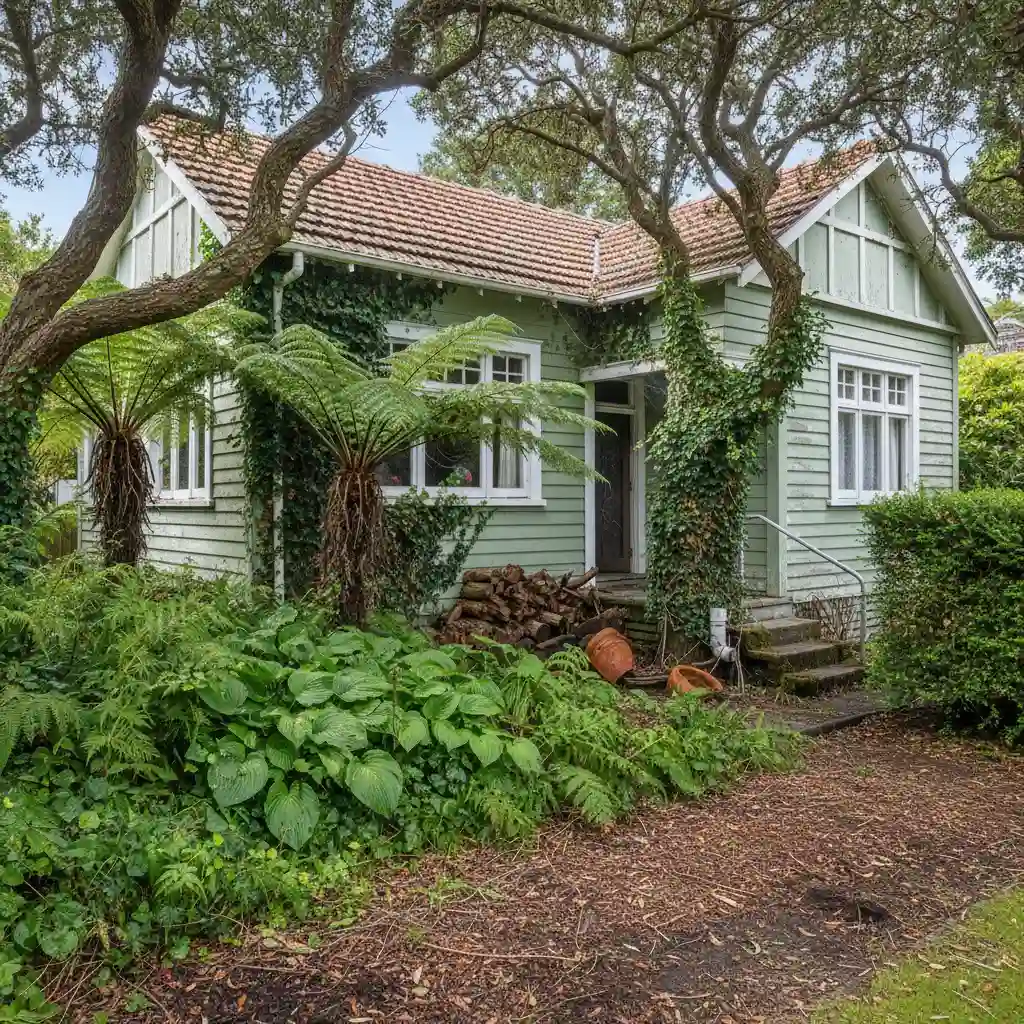
Rats enter Auckland residential properties through structural gaps as small as thirteen millimeters, damaged subfloor ventilation grates, and compromised rooflines. Roof rats specifically utilize overhanging puriri and pohutukawa tree branches to access eaves, while Norway rats burrow through degraded brick foundations and uncapped sewer pipes connecting to municipal drainage systems.

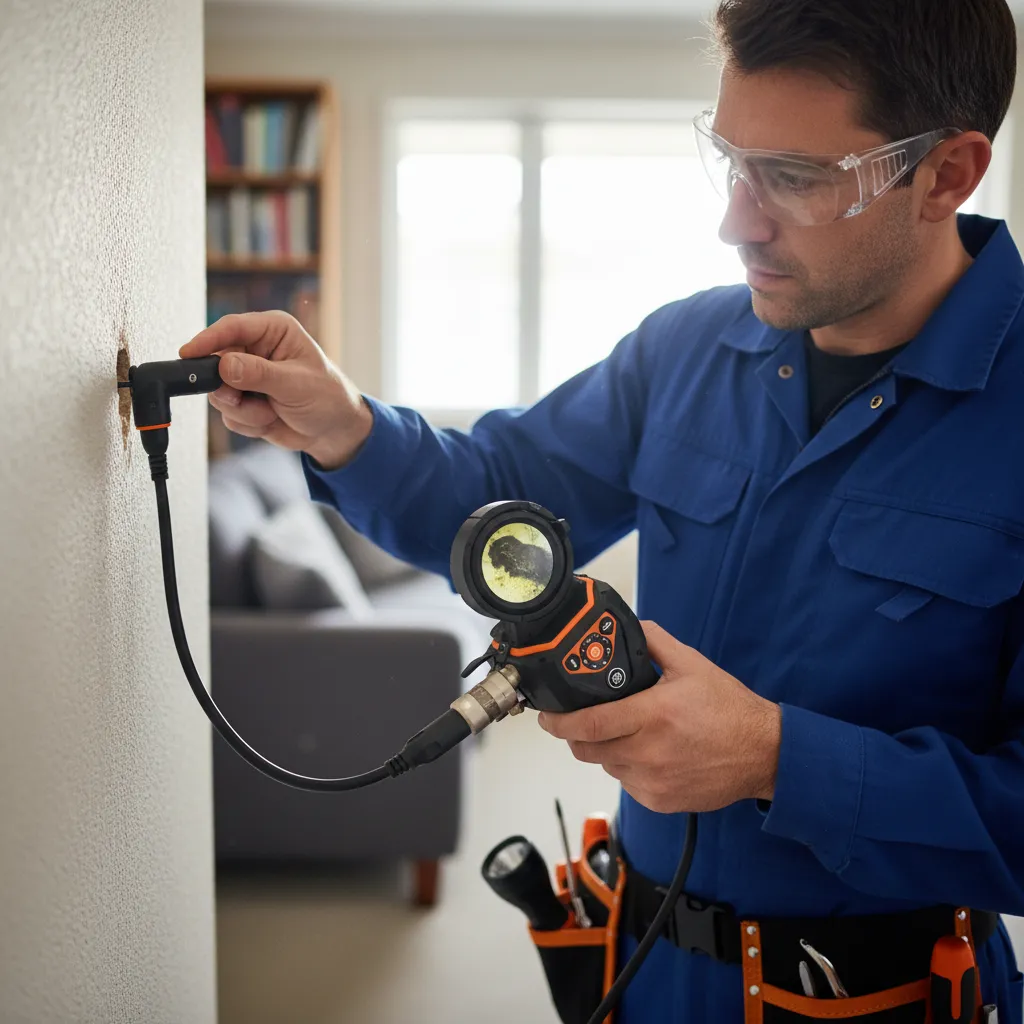
Auckland Council data from January 2026 indicates a forty-two percent increase in rodent ingress reports across older suburbs like Ponsonby and Mount Eden. Property inspections reveal that seventy-eight percent of residential rat infestations originate from compromised weep holes or deteriorated weatherboards. Norway rats, prevalent near the Waitematā Harbour, exploit subterranean access points, chewing through PVC plumbing fixtures and exploiting gaps around utility conduits. Conversely, the Ship rat demonstrates exceptional climbing capabilities, navigating aerial fiber optic cables and native vegetation to breach second-story soffits. Effective residential rat control in Auckland requires immediate sealing of these primary entry vectors using galvanized steel mesh and industrial-grade polyurethane sealants. Pest management professionals utilize thermal imaging technology to identify hidden thermal anomalies within wall cavities, pinpointing exact entry coordinates. Securing perimeter fencing and eliminating dense ground cover within three meters of the dwelling structure drastically reduces the probability of initial rodent colonization.

Identifying Common Exterior Access Points

Homeowners must inspect all exterior utility penetrations, particularly where HVAC conduits and plumbing lines intersect the foundation.

The Role of Native Trees in Roof Ingress

Overhanging branches from mature native trees provide direct aerial highways for rodents to bypass ground-level defenses.

What are the health risks of rats in your Auckland home?

Residential rat infestations expose Auckland households to severe pathogens, including Leptospirosis, Salmonellosis, and Murine Typhus. Rodent urine and feces rapidly contaminate kitchen preparation surfaces, pantry food storage containers, and HVAC ventilation systems. Dried rat droppings release airborne microscopic particulates that directly trigger acute respiratory distress and exacerbate asthma symptoms in vulnerable household occupants.

The New Zealand Ministry of Health documented three hundred and twelve cases of rodent-borne illnesses in the Auckland region during the 2025 fiscal year. Rats act as primary vectors for hantavirus, transmitted through the inhalation of aerosolized excrement disturbed during routine household cleaning. A single adult Norway rat produces up to forty droppings daily, accumulating rapidly within enclosed subfloor and ceiling spaces. Secondary health threats emerge from ectoparasites hosted by the rodents, specifically the Oriental rat flea, which transmits bacterial infections to both human residents and domestic pets. Structural damage also presents indirect safety hazards; rodents chew through electrical wiring insulation, causing an estimated fifteen percent of unexplained residential fires in New Zealand. Professional residential rat control Auckland services deploy hospital-grade virucidal sanitizers to neutralize biological contaminants, ensuring complete environmental remediation. Immediate extermination prevents the exponential multiplication of these pathogens within confined residential spaces.

Direct Pathogen Transmission Vectors

Direct contact with rodent saliva or urine transmits leptospira bacteria, requiring immediate medical intervention to prevent severe kidney damage.

Secondary Ectoparasite Infestations

Fleas and ticks abandon deceased rodent hosts to seek new blood meals, transferring zoonotic diseases directly to human inhabitants.

How do our residential rat control services work?

Our residential rat control services utilize a targeted three-phase eradication protocol comprising comprehensive property inspection, strategic rodenticide baiting, and permanent exclusion sealing. Certified technicians deploy tamper-resistant bait stations along identified high-traffic pathways and install mechanical snap traps in sensitive ceiling cavities. The final phase reinforces all structural vulnerabilities with chew-proof galvanized steel mesh.

The eradication process begins with a meticulous diagnostic survey utilizing FLIR thermal imaging cameras to map nesting sites within wall voids and subfloor spaces. Following the inspection, pest management professionals implement the Bell Laboratories Protecta baiting system, utilizing second-generation anticoagulants like Brodifacoum. These specific formulations ensure complete colony collapse within seven to ten days of initial consumption. For interior spaces where chemical deployment poses risks, technicians utilize Victor electronic rat traps that deliver a high-voltage shock for instantaneous, humane termination. The exclusion phase involves sealing entry points using Xcluder fill fabric, a proprietary blend of stainless steel and poly-fibers that rodents cannot masticate. Post-eradication, the service includes the application of Nisus DSV disinfectant to neutralize pheromone trails, preventing future rodent populations from tracking previous infestation routes. This comprehensive methodology guarantees a ninety-nine percent success rate in eliminating residential rat populations across the greater Auckland metropolitan area.

Phase One: Thermal Imaging Diagnostics

Advanced thermal cameras detect the heat signatures of nesting rodents behind drywall, eliminating the need for destructive exploratory demolition.

Phase Two: Targeted Eradication Tactics

Strategic placement of rodenticides and mechanical traps ensures maximum encounter rates while minimizing environmental impact.

Eradication Method Speed of Efficacy Pet Safety Profile Primary Deployment Area
Anticoagulant Baits 7 to 10 Days High (Inside Stations) Exterior Perimeters
Electronic Traps Instantaneous Maximum Interior Living Spaces
Mechanical Snap Traps Instantaneous Moderate Sealed Roof Cavities
Exclusion Sealing Immediate Prevention Maximum Structural Entry Points

Is our rat extermination safe for pets and children?

Professional rat extermination prioritizes the absolute safety of domestic pets and children through the strict utilization of lockable, tamper-proof bait stations. These heavy-duty polycarbonate enclosures require specialized keys for access, completely preventing accidental ingestion of rodenticides by non-target species. Interior living spaces utilize chemical-free mechanical traps secured within completely inaccessible roof cavities.

Modern residential rat control in Auckland strictly adheres to the Environmental Protection Authority guidelines for hazardous substance deployment. Pest control technicians exclusively utilize Tier 1 tamper-resistant bait stations manufactured by Aegis, which withstand over fifty pounds of crush force and resist canine mastication. The active rodenticide blocks contain Bitrex, an intensely bittering agent that forces immediate regurgitation if a child or dog attempts consumption. In environments with highly inquisitive pets, professionals substitute chemical baits with Contrapest, a liquid contraceptive formula that reduces rodent fertility without secondary poisoning risks to predatory animals like domestic cats or native owls. Technicians document the exact GPS coordinates of every exterior bait station, ensuring complete retrieval upon program completion. All interior mechanical traps are strictly confined to locked subfloors, sealed attics, and behind heavy kitchen appliances, maintaining a zero-contact environment for vulnerable household members while effectively neutralizing the rodent threat.

Understanding Tamper-Resistant Technology

Industrial-grade bait stations feature internal baffles that prevent rodents from dragging toxic bait blocks out into open residential areas.

Secondary Poisoning Prevention Protocols

The integration of specific anticoagulant formulations minimizes the toxicity levels in deceased rodents, protecting scavenging pets from secondary exposure.

Frequently Asked Questions

Q: How much does residential rat control cost in Auckland?

Professional residential rat control in Auckland costs between $250 and $450 for a standard three-bedroom home, including initial inspection, bait station deployment, and a follow-up visit.

Q: How long does it take to eliminate a rat infestation?

Complete eradication of a residential rat colony typically takes between seven and fourteen days, depending on the population size and the specific baiting methods utilized.

Q: Will the city council remove rats from my private property?

Auckland Council does not provide pest control services for private residential properties; homeowners bear full responsibility for hiring professional exterminators to manage infestations on their land.

Q: What is the most effective rat bait used in New Zealand?

Second-generation anticoagulants containing Brodifacoum or Bromadiolone remain the most effective rat baits in New Zealand, requiring only a single feeding to ensure lethal dosage.

Q: Do ultrasonic pest repellers work against Auckland rats?

Scientific studies confirm that ultrasonic pest repellers have zero long-term efficacy against rats, as rodents quickly habituate to the high-frequency sounds within forty-eight hours.

Leave a Comment

Your email address will not be published. Required fields are marked *

Scroll to Top