You run a nursery. You have enough to worry about without kids wheezing because of what is hiding in the skirting boards. New Zealand has one of the highest pediatric asthma rates in the world, with over 99,000 kids aged 2-14 diagnosed last year. It is a massive problem, and it is happening right under our noses in the places we trust most.
When a child has an asthma attack in your childcare centre, you might blame the pollen or the autumn weather. But more often than not, the real culprits are microscopic. We are talking about cockroach frass (droppings), shed skins, and dust mites buried deep in your carpets and play mats.
If you want to protect these kids, you need a targeted, scientific approach. Effective cockroach and dust mite control for Auckland nurseries is not about blasting the place with toxic chemicals. It is about the safe removal of pediatric asthma triggers through root-cause exclusion. We find where they live, we shut them out, and we clean up the mess.
Key Takeaways
The safe removal of pediatric asthma triggers in childcare requires zero-emission Integrated Pest Management (IPM). Cockroach allergens and dust mites are primary asthma drivers in NZ. Toxic sprays are illegal under the Food Act 2014 and HSNO Act 1996 for these environments, making structural exclusion the only compliant solution.
The Hidden Link Between Pests and Pediatric Asthma
Kids spend a massive chunk of their day playing on the floor in your nursery. That puts them right at ground zero for allergen exposure. Every year, over 7,530 children are hospitalised due to asthma complications in New Zealand. It is not just bad luck; it is a direct result of environmental triggers.
Research shows that in urban environments, up to 71% of vacuumed dust samples from classrooms and childcare centres contain detectable levels of cockroach allergens. These allergens do not just disappear when the bug dies. They break down, mix with dust, and go airborne the second a toddler runs across the room.
We see it all the time across Auckland. Right now, in May 2026, we are dealing with a massive autumn pest surge. The mild winter we had last year failed to cull the populations, and the hot summer sent their breeding cycles into overdrive. When the autumn chill hits, they move indoors.
If your cockroach and dust mite control for Auckland nurseries is not proactive, you are essentially running an allergen factory. Pests are aggressively seeking the warmth of your commercial properties, bringing their respiratory hazards with them.
Cockroach Allergens: A Microscopic Threat
Most people think seeing a cockroach is just a hygiene issue. It is actually a severe respiratory hazard. Cockroaches leave behind frass, saliva, and cast-off skins as they grow. These proteins are highly reactive and are proven to trigger severe asthma attacks in sensitized children.
The German cockroach is particularly notorious in commercial kitchens and nurseries. Because they breed so rapidly, the sheer volume of shed skins and droppings accumulates fast behind walls and under cabinets. Even a minor infestation can drastically spike the allergen load in a room.
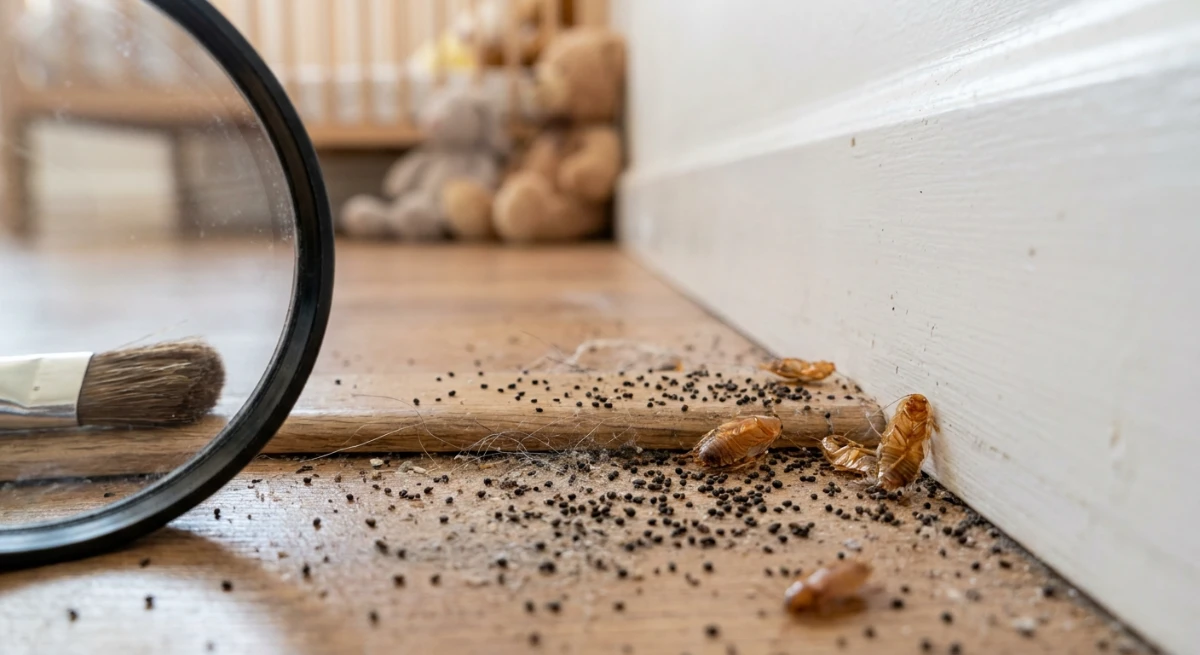
The problem with these allergens is their durability. Even after you kill the roach, the proteins linger in wall voids, under kitchen cabinets, and deep in the carpet fibers. Once a child is sensitized, even a tiny amount of this microscopic dust can trigger wheezing and shortness of breath.
That is why standard extermination is only half the job. You need the safe removal of pediatric asthma triggers through HEPA vacuuming and deep sanitation. If your pest guy just sprays the skirting boards and walks away, he is leaving the actual danger behind.
Under the EPA HPC Notice 2017 and the HSNO Act 1996, anyone applying Class 9 ecotoxic substances in a commercial setting must be a Level 3 Qualified UPM Contractor. Do not let unqualified staff apply chemicals in your nursery.
Dust Mites in the Nursery Environment
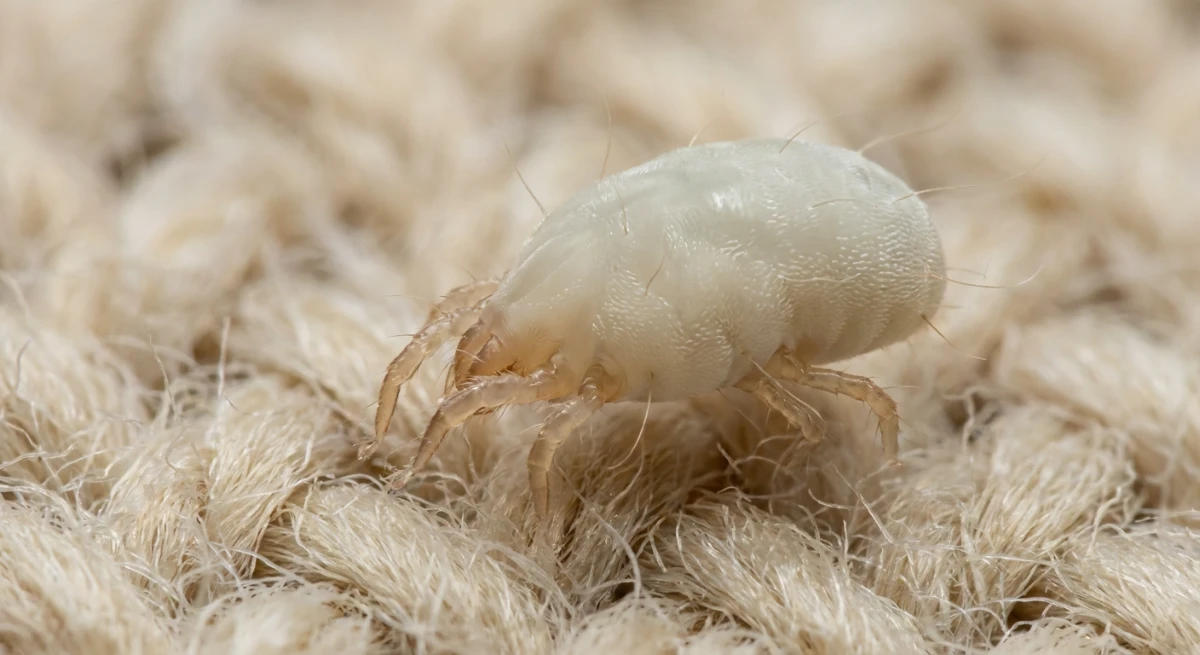
Dust mites are a different beast altogether. You cannot see them, but they are thriving in your nursery’s soft furnishings, nap mats, and carpets. They feed on the dead skin cells that humans naturally shed every day.
The allergen itself comes from a protein found in their droppings. Because kids are closer to the ground and frequently roll around on mats during nap time, their exposure rate is incredibly high. It is a constant, invisible threat to their developing lungs.
Managing this requires strict environmental controls, not pesticides. You cannot simply spray a carpet to get rid of dust mites without exposing children to harmful chemical residues. The focus must remain entirely on extraction and climate control.
Dust mites cannot survive in low humidity. Keep your nursery’s indoor humidity below 50% using commercial dehumidifiers and ensure proper ventilation to naturally suppress their breeding cycle.
Why “Spray and Pray” Fails in Childcare Centres
Let us be clear: you cannot just bomb a childcare centre with hardware store chemicals. The era of the “spray and pray” pest controller is completely dead in New Zealand. Aside from being highly toxic to developing lungs, surface sprays do not solve the root cause.
The Food Act 2014 strictly prohibits the use of toxic baits in sensitive food preparation areas, which includes your nursery kitchen. If an MPI auditor finds toxic rodenticide or illegal chemical residues near where you prepare toddler meals, you will face severe penalties and potential closure.
This is why professional cockroach and dust mite control for Auckland nurseries relies entirely on Integrated Pest Management (IPM). We use non-toxic monitoring, mechanical exclusion, and zero-emission treatments that are completely safe for kids and pets. We fix the building, not just the bug problem.
Using DIY bug bombs in a nursery only pushes cockroaches deeper into the wall voids while coating play surfaces in toxic residue. It exacerbates asthma rather than preventing it.
Our Zero-Emission IPM Approach
We do not mess around when it comes to kids’ health. Our approach to the safe removal of pediatric asthma triggers is systematic, scientific, and entirely zero-emission. We start by identifying exactly how pests are getting into your building.
We are not interested in just treating the symptoms. We look at your structural integrity, your sanitation protocols, and your environmental controls. This is the only way to guarantee a safe, long-term result for your business and the families relying on you.
Structural Exclusion First
Pests cannot trigger asthma if they cannot get inside. We inspect every inch of your property, from the roof cavity down to the subfloor. We seal cracks, fix broken vents, and install weather stripping to physically block cockroaches and rodents from entering.
By removing the entry points, we drastically reduce the need for any chemical interventions. It is a permanent fix that protects your commercial investment while keeping the indoor air quality pristine.
Non-Toxic Monitoring
Instead of laying down poison, we use smart, non-toxic monitoring stations. These allow us to track pest movement and intercept them before a full-blown infestation occurs. It is proactive, compliant, and completely safe for your staff and the children.
| Feature | Professional IPM (Zero-Emission) | DIY / Chemical Sprays |
|---|---|---|
| Safety for Children | 100% safe, no toxic residues left on toys or mats. | High risk of chemical exposure and respiratory irritation. |
| Asthma Trigger Removal | Includes HEPA vacuuming and physical allergen removal. | Leaves dead pests and allergenic proteins behind. |
| Legal Compliance | Fully compliant with Food Act 2014 & HSNO Act 1996. | Often breaches MPI standards for childcare kitchens. |
| Long-Term Efficacy | Solves root cause via structural exclusion. | Temporary fix; pests return once the spray degrades. |
Actionable Prevention Steps for Childcare Providers
You do not have to wait for us to show up to start protecting your nursery. There are practical, daily steps you can take to drastically reduce allergen loads. It comes down to strict sanitation and moisture control.
Educating your staff on these protocols is just as important as hiring a professional. When your team knows what to look for, you can stop a minor pest intrusion from becoming a full-blown health hazard.
Implement these practices immediately to drop the allergen load in your centre and keep MPI auditors happy.
- HEPA Vacuuming: Standard vacuums just blow microscopic allergens back into the air. Use a vacuum with a certified HEPA filter daily on all carpets and rugs.
- Wash Bedding Hot: Wash all nap mats, blankets, and soft toys in water hotter than 60°C weekly to kill dust mites and denature the proteins.
- Cardboard Removal: Cockroaches love eating the glue in corrugated cardboard. Swap all cardboard storage boxes for hard plastic containers with tight-fitting lids.
- Fix Leaks Fast: Pests need water to survive. Repair any dripping taps in the children’s bathrooms or kitchen immediately.
Frequently Asked Questions

About the Author: Ronnie
Founder, Pest Control Auckland · Commercial & Residential Pest Expert · Certified Urban Pest Management Specialist
With years of experience in commercial biosecurity and Level 3 Urban Pest Management certification, Ronnie is the definitive expert on the Safe Removal of Pediatric Asthma Triggers: Cockroach and Dust Mite Control for Auckland Nurseries. Having consulted for numerous childcare centers across the region, he specializes in zero-emission, root-cause eradication that strictly adheres to the Food Act 2014 and HSNO Act 1996, ensuring children breathe safe, pest-free air.