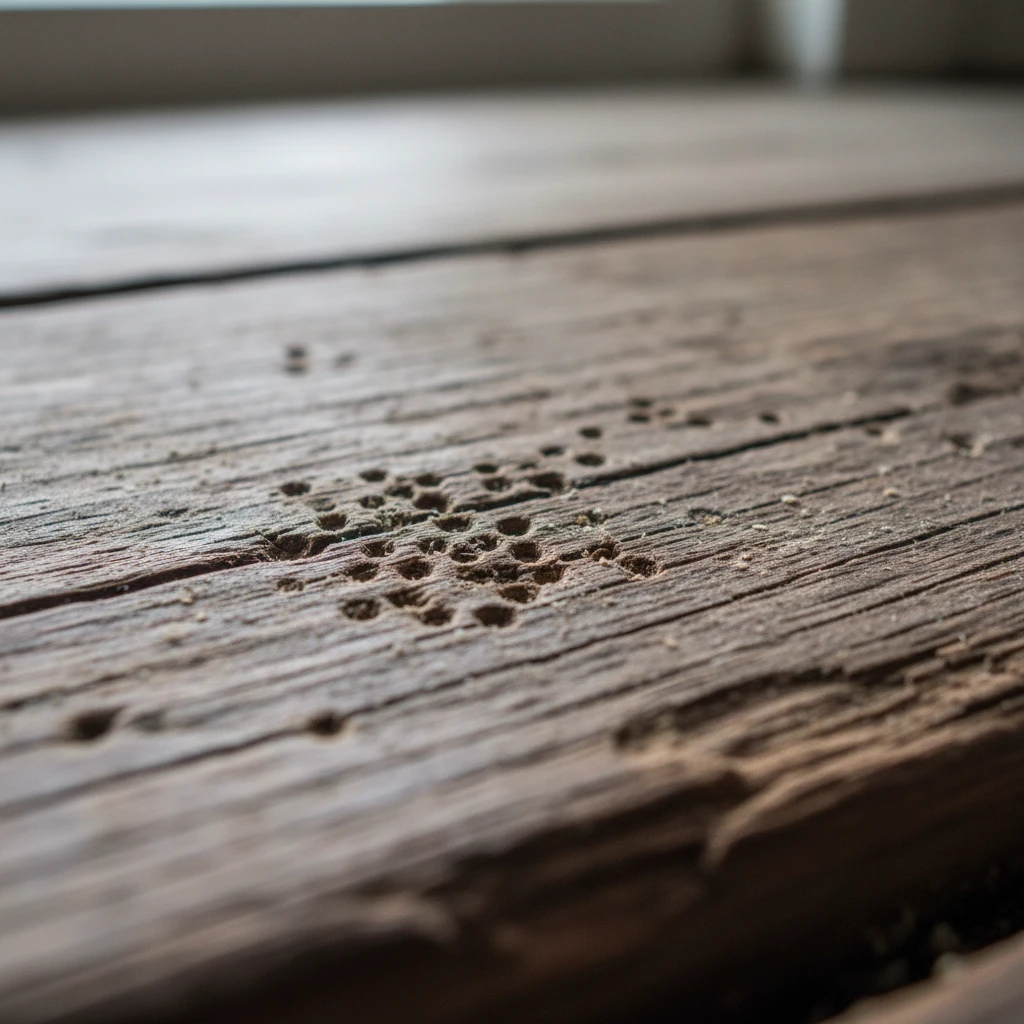
Many Aucklanders living in beautiful, historic villas and bungalows unknowingly share their homes with a silent, destructive tenant. Hidden deep within the subfloor and roof void, tiny insects are slowly eating away at the structural framework of these classic properties. If you are wondering what is borer woodworm, it refers to the wood-eating larvae of several beetle species that infest untreated timber. These relentless pests are responsible for millions of dollars in property damage across New Zealand every single year.
The damage often goes unnoticed for years because the insects live entirely inside the wood, leaving the exterior looking relatively normal. It is usually only during the warmer months, when small holes suddenly appear in the floorboards, that homeowners realize they have a problem. Understanding the lifecycle and habits of these insects is the first critical step toward protecting your most valuable asset.
Key Takeaways
Wondering what is borer woodworm? It is the highly destructive larval stage of wood-boring beetles that infest untreated timber. These larvae can spend up to seven years tunneling through the wood inside your home. In Auckland, high humidity levels make subfloors particularly vulnerable, requiring professional treatment to halt structural decay.
The Biology of the Native and Common Borer
To fully grasp what is borer woodworm, you must look closely at the insect’s fascinating but highly destructive lifecycle. The term “woodworm” is actually a generic name used globally for the larval stage of various wood-boring beetles. In New Zealand, there are up to seven different species that attack building timbers, creating a complex challenge for pest control professionals.
However, the vast majority of residential timber damage is caused by just a few primary culprits. These insects have adapted perfectly to the damp, temperate conditions found in many older New Zealand homes. By understanding their biology, homeowners can better time their prevention and treatment strategies.

Species Overview: Common Borer vs. Native Borer
The Common House Borer (Anobium punctatum) is an introduced European species that causes the most widespread damage in Auckland homes. Adult females lay up to 100 eggs in the microscopic cracks of bare, untreated wood or deep inside old flight holes. Once hatched, the tiny larvae spend between two to four years continuously tunneling through the timber in complete darkness.
The Native House Borer (Leanobium flavomaculatum) is very similar in appearance and behavior to its common counterpart, often leaving identical 1-2mm round exit holes. However, New Zealand is also home to the much larger Two-Toothed Longhorn (Ambeodontus tristis). This native pest is significantly more destructive, with larvae that can live inside the wood for up to seven years before emerging.
In New Zealand, the adult beetles emerge from the timber to mate during the “flight season,” which runs from October through to March. This is the only time the insects are visible outside the wood.
Preferred Timber Types (Rimu, Pine, Matai)
Borer beetles are surprisingly fussy eaters, preferring specific types of wood based on their natural moisture content and softness. The Common House Borer typically targets the softer sapwood of untreated timbers. This makes older homes built prior to the 1960s with untreated radiata pine or rimu sapwood highly vulnerable to attack.
Interestingly, it is quite common to see a single floorboard riddled with holes while the adjacent board remains completely untouched. This happens because the untouched board is likely made of harder heartwood, which the common borer struggles to digest. However, the Two-Toothed Longhorn has a much stronger bite and a distinct preference for resinous heartwoods.
This larger pest will happily bore through dense native timbers like Matai, Kauri, and heart Rimu. Because these woods were frequently used for crucial structural supports in heritage homes, an infestation of Two-Toothed Longhorn can be devastating.
| Species | Preferred Timber | Exit Hole Size | Larval Lifespan |
|---|---|---|---|
| Common House Borer | Soft Sapwoods (Pine, Rimu) | 1-2mm (Round) | 2 to 4 Years |
| Native House Borer | Sapwoods & some Heartwoods | 2-3mm (Round) | 3 to 5 Years |
| Two-Toothed Longhorn | Resinous Heartwoods (Matai, Kauri) | 3-7mm (Oval) | 5 to 7 Years |
How Borer Destroys Structural Integrity
Homeowners asking what is borer woodworm are often shocked to learn that the flying beetles themselves do not actually eat the wood. The adult beetles only live for a few short weeks, existing solely to mate and lay the next generation of eggs. The true destruction is caused entirely by the larvae during their multi-year feeding frenzy.
Because the larvae never break the surface of the wood until they are ready to pupate, the damage is completely hidden from view. A piece of timber can look structurally sound from the outside while being hollowed out internally. This deceptive nature makes borer one of the most dangerous pests for heritage properties.

The Honeycomb Effect Inside Wood
As the larvae chew through the timber, they use specialized enzymes and yeasts in their stomachs to break down the tough cellulose. They leave behind a labyrinth of winding tunnels packed tightly with their waste, known in the pest control industry as frass. Over several years, this relentless tunneling creates a devastating “honeycomb effect” inside the wood.
From the outside, the timber might look perfectly fine, save for a few tiny flight holes scattered across the surface. However, the internal structure is often reduced to a fragile, powdery shell that lacks any real strength. If you press a screwdriver into heavily infested wood, it will easily sink in or cause the timber to crumble apart entirely.
Leaving a borer infestation untreated for multiple flight seasons can severely compromise the load-bearing capacity of your floor joists. In extreme cases, this leads to structural failure requiring complete timber replacement.
Risks to Floorboards, Joists, and Antique Furniture
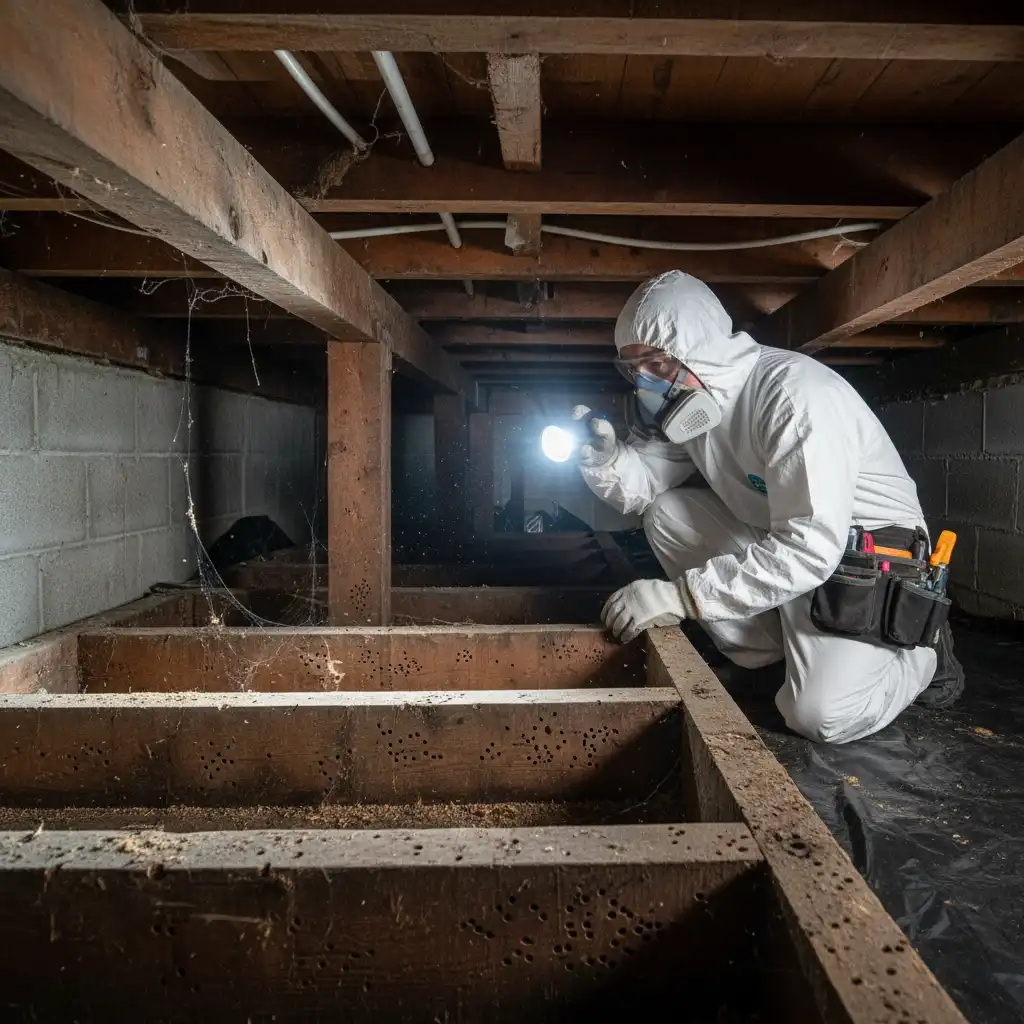
In Auckland, the most common areas to find severe borer damage are the subfloor joists, foundation bearers, and exposed native floorboards. Because these critical areas bear the entire weight of the house, compromised timber can quickly lead to sagging floors and noticeably bouncy floorboards. Repairing this kind of structural damage is notoriously expensive and disruptive.
Antique furniture is also highly susceptible, especially pieces that have been brought in from damp storage environments or purchased second-hand. A single infested antique chair can introduce adult beetles into a home, where they will quickly seek out other untreated wooden surfaces to lay their eggs. Protecting these heirlooms requires vigilance and targeted treatment.

Environmental Factors Favoring Borer in Auckland
When explaining what is borer woodworm to Auckland property owners, pest control experts always emphasize the critical role of the local climate. Borer larvae require a very specific micro-environment to survive, grow, and digest wood effectively. They thrive in conditions where the timber moisture content remains consistently elevated.
If the wood is too dry, the larvae cannot extract enough nutrients and will eventually die off before reaching adulthood. This biological limitation means that managing the environment in and around your home is just as important as applying chemical treatments.
High Humidity and Poor Subfloor Ventilation
Auckland’s naturally high humidity levels create the perfect year-round incubator for wood-boring insects. For borer larvae to truly thrive, they typically need the host wood to maintain a moisture content of at least 12% to 15%. Modern, dry, well-ventilated homes rarely suffer from severe new infestations because their timber remains below this critical moisture threshold.
Unfortunately, many older villas in heritage suburbs like Ponsonby, Grey Lynn, and Mount Eden suffer from chronically poor subfloor ventilation. Blocked air vents, leaking plumbing, and a lack of ground vapor barriers allow soil moisture to constantly rise into the timber framing. This trapped moisture creates a “greenhouse effect” that softens the wood, making it an all-you-can-eat buffet for borer larvae.

Walk around the exterior of your home and ensure all subfloor air vents are completely clear of overgrown vegetation, soil, or stored items. Good cross-flow ventilation is your first line of defense.
Prevention and Early Detection Tips
The ultimate key to protecting your home from borer is early detection and proactive environmental management. Because the larvae remain hidden for years, you must actively look for the subtle exterior signs of their presence. The most obvious indicator is the sudden appearance of fresh, clean-cut flight holes on the surface of the wood.
During the flight season from October to March, keep a close eye out for piles of frass beneath wooden joists or furniture. This powdery dust looks like fine, gritty sawdust and confirms that the larvae are actively chewing inside. If you spot fresh frass, it is time to call a professional pest control service for a comprehensive assessment and treatment plan.
Not sure if old borer holes are currently active? Tape a piece of plain white paper tightly over the holes during winter. If new beetles emerge in the spring, they will chew right through the paper, confirming an active infestation.
To prevent infestations, focus heavily on moisture control around your property. Installing a thick polythene vapor barrier over the exposed dirt in your subfloor can drastically reduce rising dampness. Furthermore, professional treatments utilizing water-soluble borate powders can be applied to bare timber; these diffuse into the wood and act as long-lasting insecticides and fungicides.


