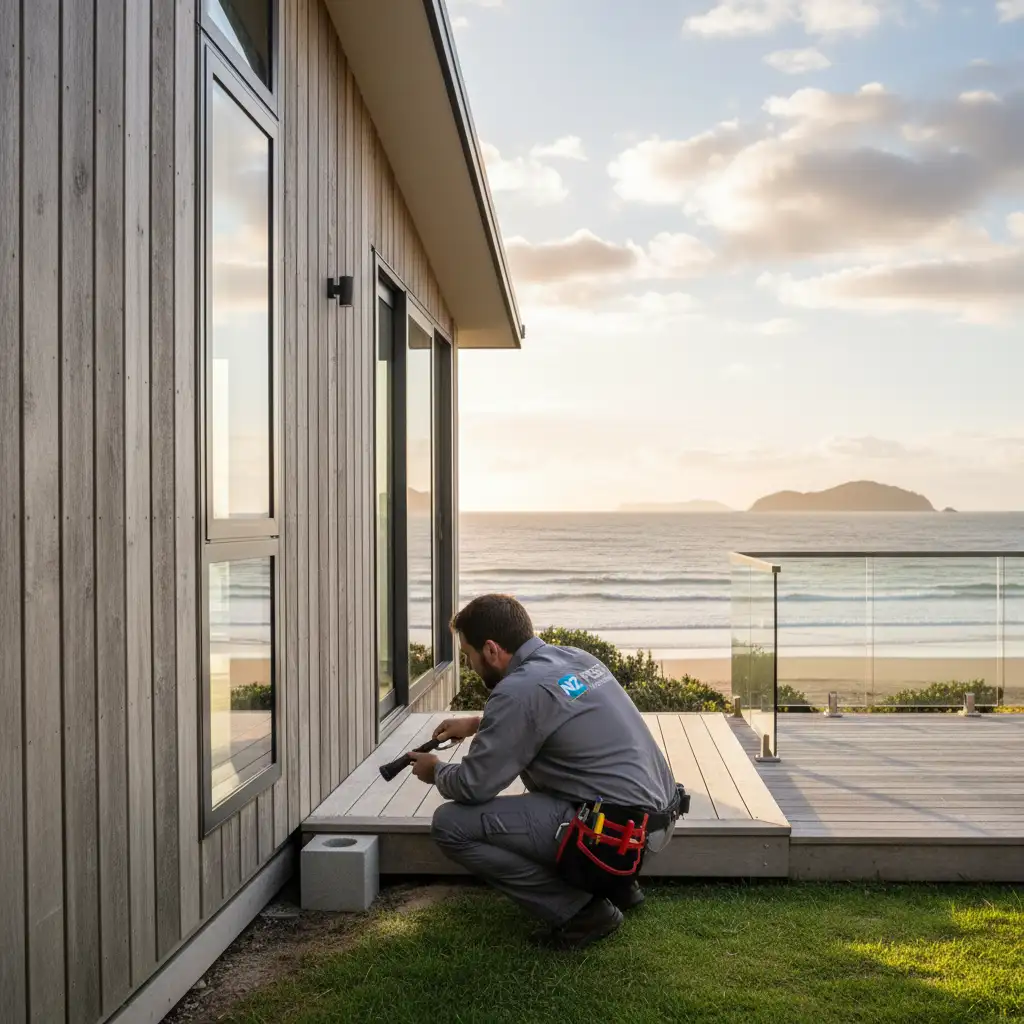
Dead rat smell removal involves a systematic process of identifying and extracting a deceased rodent, followed by meticulous cleaning, disinfection, and professional odour neutralisation to eradicate persistent, foul odours from residential or commercial properties. This comprehensive approach is crucial for restoring air quality and preventing health hazards, particularly within Auckland properties where rodents can be a common nuisance.
Locating the Source of the Smell: The First Critical Step
The putrid stench of a decomposing rat is unmistakable and can permeate an entire property, making daily life unbearable. While the smell itself is repugnant, its presence is a clear indicator of a deeper problem requiring Emergency Rat Control Auckland.
Identifying the Distinct Odor
A dead rat’s smell is unique – often described as a sickly sweet, ammonia-like, and highly pungent aroma that intensifies over time and is particularly noticeable in warm, humid conditions, common in Auckland. Unlike other household odours, it tends to be localised, becoming stronger as you approach the source. This is often accompanied by an increase in flies or maggots in specific areas, drawn to the decaying matter.
Common Hiding Spots in Auckland Homes
- Wall Cavities: Rodents can squeeze through tiny openings and become trapped within walls.
- Ceiling and Attic Spaces: Unused and dark, these areas are perfect for a rodent to hide away.
- Under Floorboards and in Subfloors: Especially in older Auckland homes with accessible crawl spaces.
- Behind Appliances: Refrigerators, dishwashers, and ovens offer warmth and concealment.
- Vents and Ductwork: Air circulation can unfortunately spread the smell throughout a building.
- Furniture and Storage Areas: Inside unused sofas, cabinets, or stacked boxes.
- Garages and Sheds: Often less frequented, providing undisturbed environments.
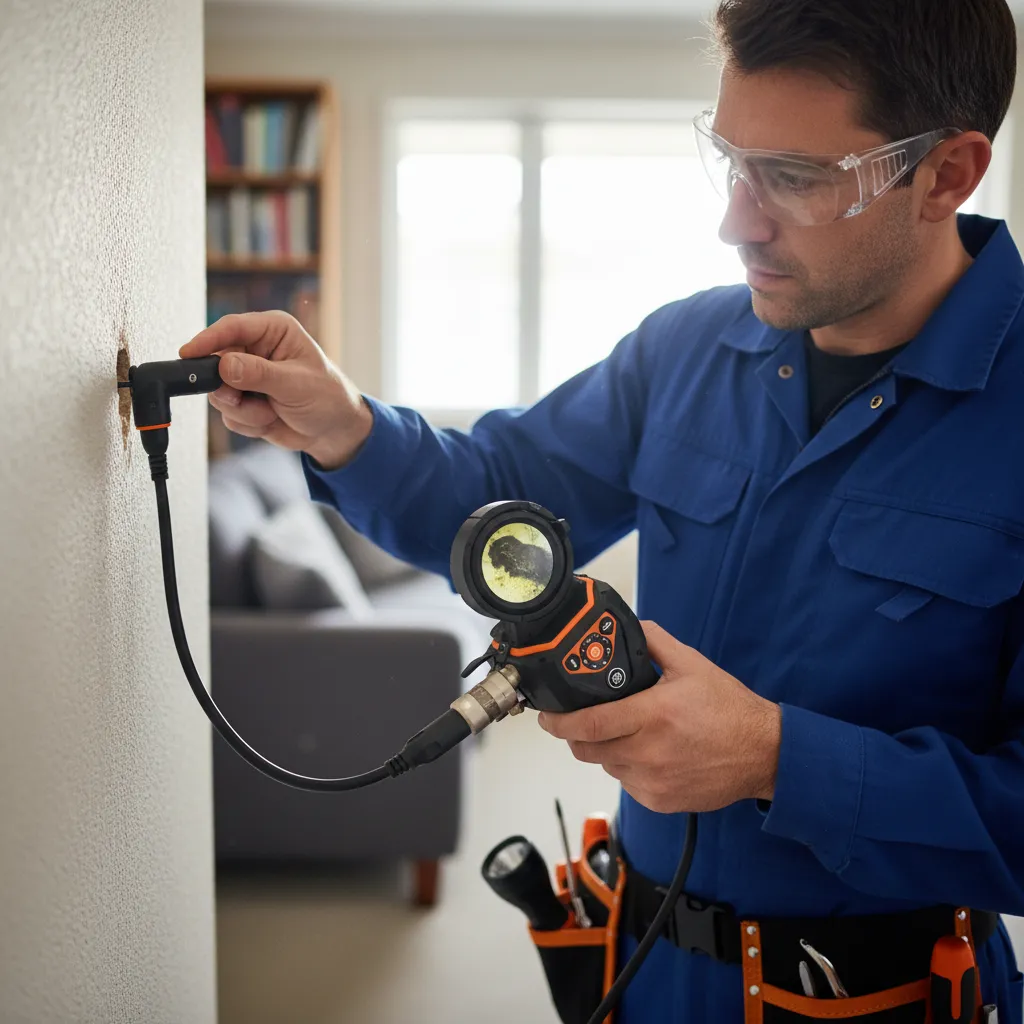
Our experienced technicians employ a combination of their keen sense of smell, visual inspection for rodent droppings or entry points, and sometimes even specialised tools like boroscopes (tiny cameras) to peer into inaccessible spaces without causing extensive damage to your property.
The Removal and Sanitation Process: Restoring Hygiene
Once the source is located, safe and effective removal is paramount. This stage not only eliminates the physical carcass but also addresses the significant biohazard risks associated with decaying animal matter. Dealing with a dead rat is not just unpleasant; it can expose individuals to various pathogens and parasites.
Safe Removal Techniques
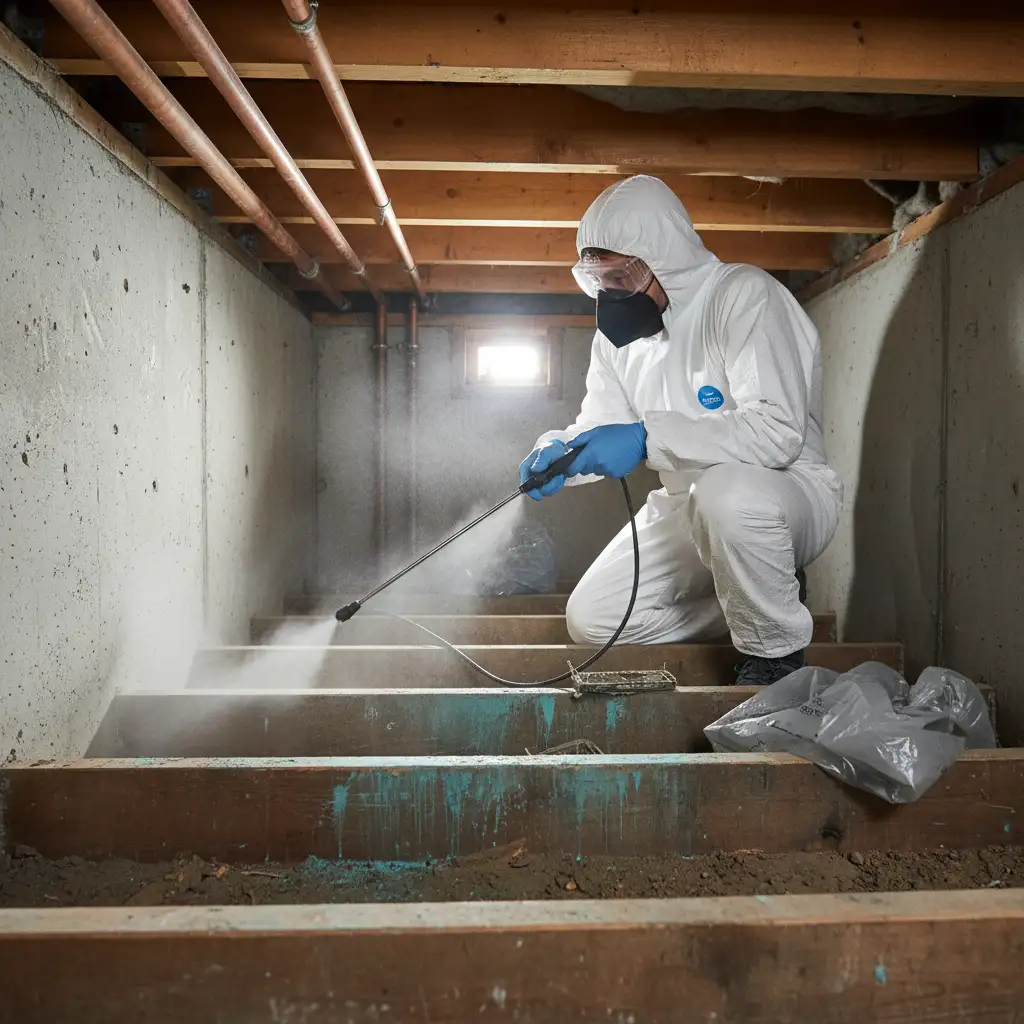
- Personal Protective Equipment (PPE): Technicians always wear gloves, masks, and protective clothing to prevent direct contact with the carcass and minimise inhalation of airborne pathogens.
- Ventilation: The area is thoroughly ventilated to reduce airborne contaminants and disperse concentrated odours.
- Carcass Removal: The deceased rodent is carefully placed into sealed, heavy-duty plastic bags to contain pathogens and odours. If necessary, minor structural alterations (e.g., cutting a small access hole in a wall) are made, always with the aim of minimal disruption and easy repair.
- Disposal: The bagged carcass is disposed of safely and in accordance with local Auckland council regulations for biological waste, preventing further health risks.
Thorough Disinfection and Biohazard Cleanup
The area where the rat was found, and any adjacent surfaces, must be meticulously cleaned and disinfected. Rodents carry numerous bacteria, viruses, and parasites that can remain in their droppings, urine, and even on the surfaces they touched. Diseases such as Leptospirosis, Hantavirus, and Salmonellosis are real concerns. Therefore, standard household cleaners are often insufficient.
We utilise hospital-grade disinfectants and enzymatic cleaners specifically designed to break down organic matter and kill a broad spectrum of pathogens. This process not only sanitises the area but also begins to tackle the microscopic organic residues responsible for the lingering odour. For more information on the health risks associated with rodents, reputable sources like the World Health Organization provide comprehensive details on diseases transmitted by rodents.
Odour Neutralising Treatments: Eliminating Lingering Smells
Even after the physical removal and disinfection, a strong, persistent odour can remain. This is because microscopic particles of decay can embed themselves into porous materials like timber, drywall, insulation, and fabrics. Masking agents like air fresheners only temporarily cover the smell; true dead rat smell removal requires professional odour neutralisation.
Understanding Odor Neutralizers vs. Masking Agents
Traditional air fresheners or scented sprays merely attempt to cover unpleasant smells with stronger, more agreeable ones. This approach is ineffective for bio-organic odours like that of a decomposing rat. Odour neutralisers, by contrast, chemically react with the odour-causing molecules, breaking them down or altering their structure so they are no longer perceived as foul. Enzymatic cleaners, as mentioned, are excellent for surface treatment, but for airborne or deeply embedded odours, more advanced solutions are needed.
Advanced Odour Remediation Technologies
- Industrial-Strength Odour Neutralisers: Applied directly to affected surfaces and fogged into the air, these professional-grade products actively break down odour molecules.
- Ozone Generators: When used responsibly by trained professionals, ozone (O3) can oxidise odour-causing particles in the air and on surfaces, effectively neutralising them. However, ozone generators must be used in unoccupied spaces due to health risks associated with ozone exposure.
- Air Scrubbers and HEPA Filtration: These devices are used to continuously filter and purify the air, removing particulate matter and volatile organic compounds (VOCs) that contribute to the smell.
- Ventilation Enhancement: Strategic use of fans and air movers helps circulate and replace odorous air with fresh air, speeding up the neutralisation process.
The choice of treatment depends on the severity and spread of the odour, the type of materials affected, and the specific environment within your Auckland property. Our goal is to ensure the complete eradication of the dead rat smell, leaving your home or business fresh and hygienic.
Preventing Future Access: Long-Term Rodent Control
Removing the dead rat and its smell is a temporary fix if the underlying issue of rodent access is not addressed. Effective long-term Rodent Control Auckland is crucial to prevent future infestations and the recurrence of such unpleasant incidents. This proactive approach is particularly important in Auckland, given the city’s climate and urban environment that can be conducive to rodent activity.
Comprehensive Rodent Proofing Strategies
The cornerstone of prevention is rodent proofing, also known as ‘Autumn Surge Rodent Exclusion‘. This involves identifying and sealing all potential entry points into your property. Rats can squeeze through surprisingly small gaps – often as little as 1.5 cm (about half an inch). Key areas to inspect and seal include:
- Foundation Cracks and Gaps: Even hairline cracks can be exploited.
- Utility Penetrations: Gaps around pipes, wires, and vents entering the building.
- Roof and Attic Vents: Ensuring mesh screens are intact and secure.
- Doors and Windows: Checking for gaps under doors (installing door sweeps) and around window frames.
- Gaps in Siding or Brickwork: Repairing any compromised exterior integrity.
- Drainage Pipes: Installing grates or screens where necessary.
Using durable materials like steel wool, hardware cloth, cement, or metal flashing is essential, as rodents can gnaw through softer materials. For further guidance on pest-proofing your home, resources from local authorities or reputable pest control associations like PestWorld.org offer valuable tips.
Ongoing Vigilance and Professional Monitoring
Beyond physical exclusion, behavioural and environmental modifications play a significant role:
- Sanitation: Keeping your property clean, promptly cleaning up food spills, and storing food in airtight containers denies rodents easy access to sustenance.
- Clutter Reduction: Removing unnecessary clutter inside and outside reduces potential harborage sites.
- Garden Maintenance: Trimming overgrown shrubs and trees away from the building, and keeping lawns tidy, minimises hiding spots and access routes.
- Waste Management: Ensuring rubbish bins are secure and regularly emptied.
For persistent or high-risk situations, professional monitoring is recommended. Our pest control experts can set up discreet traps and bait stations (used responsibly and safely) to intercept any rodents attempting to enter or establish themselves near your property. Regular inspections can identify new vulnerabilities before they become major problems, providing you with peace of mind.
Why Professional Rat Removal Auckland is Essential
- Expertise and Experience: Professionals have the training to quickly locate deceased rodents in difficult-to-reach areas, even when the smell is faint or intermittent. They understand rodent biology and typical hiding places, reducing the time and effort spent searching.
- Safety First: Dealing with a dead rat involves exposure to biohazards, bacteria, and potential parasites. Our technicians are equipped with the correct PPE and follow stringent safety protocols to protect themselves and your family from contamination and disease transmission.
- Thorough Removal and Sanitation: Beyond simply removing the carcass, professionals ensure the area is comprehensively cleaned, disinfected, and decontaminated using industrial-strength products, eliminating pathogens and preventing secondary issues.
- Effective Odour Neutralisation: We employ advanced odour remediation techniques, including professional-grade neutralisers and equipment like ozone generators, that effectively break down and eliminate the embedded odour molecules, rather than just masking them. This ensures the smell is gone for good.
- Preventative Measures: A key aspect of our service is not just dealing with the symptom but addressing the root cause. We identify and seal entry points, provide advice on habitat modification, and implement long-term Rodent Control (Rats & Mice) strategies to prevent future infestations.
- Local Knowledge: Operating within Auckland, we are familiar with the specific types of rodents prevalent in the region, including Norway Rat Management, their behaviours, and common entry points in local building constructions. This local insight enhances the effectiveness of our solutions.
- Peace of Mind: Entrusting the job to professionals means you don’t have to endure the unpleasant task yourself. You get guaranteed results, knowing your property is safe, hygienic, and free from foul odours.
Don’t let a dead rat compromise the comfort and health of your Auckland home or business. Prompt and professional intervention is the most effective way to address the problem comprehensively.

The lingering, putrid odour of a dead rat is more than just an inconvenience; it signals a significant health and hygiene issue within your property. Addressing this problem effectively requires a multi-faceted approach: precise location, safe removal, thorough sanitation, and professional odour neutralisation. Crucially, a long-term strategy for rodent proofing and prevention is indispensable to avoid future occurrences.
For residents and businesses in Auckland, engaging expert Rodent Control Services ensures that every step of this complex process is handled with professionalism, safety, and guaranteed effectiveness. Don’t tolerate the stench or the risks; secure a clean, fresh, and rodent-free environment today.