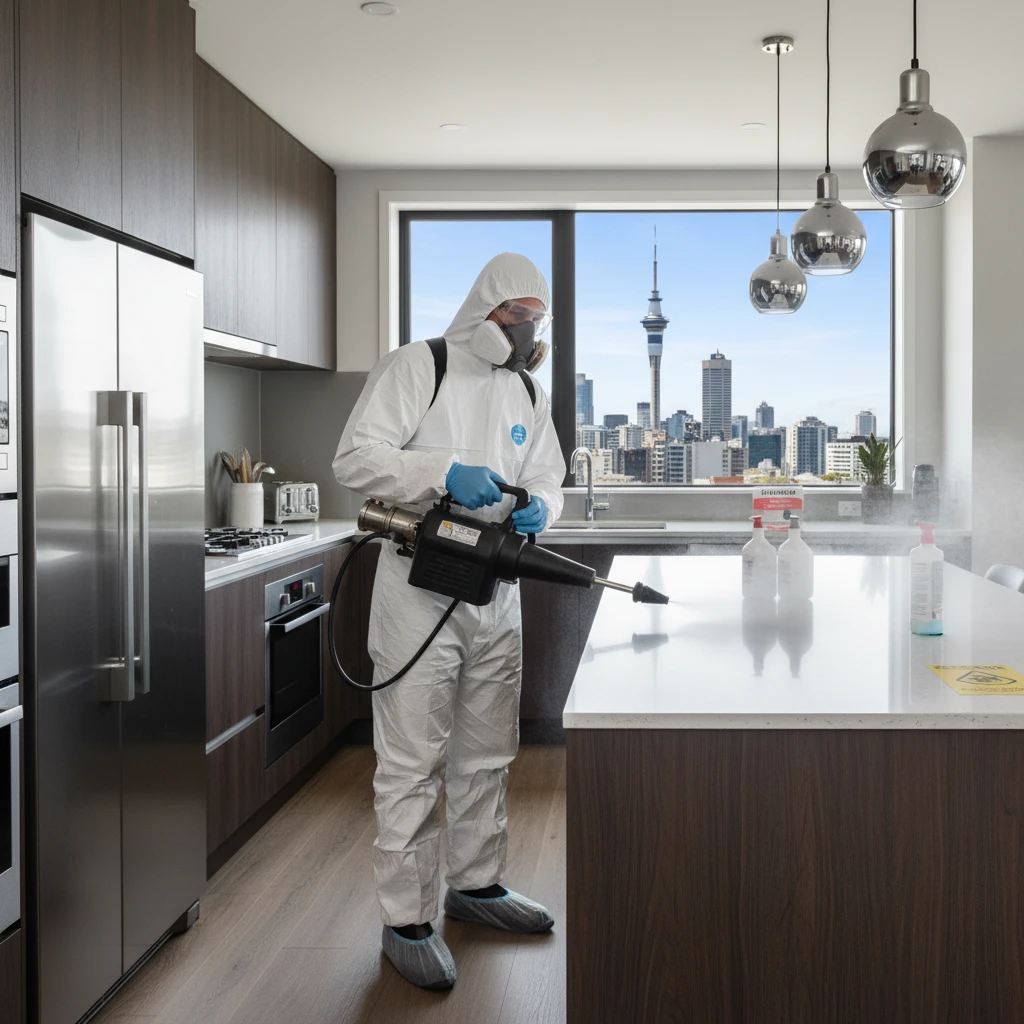
A house pest inspection in Auckland is a comprehensive visual examination of a property conducted by qualified professionals to detect the presence of pests such as borers, termites, rodents, and cockroaches. Given Auckland’s humid climate, these inspections are essential for identifying active infestations, past damage, and conditions conducive to future pest problems, ultimately protecting a property’s structural integrity and value. For more details on safeguarding your property, refer to our Ultimate Pest Control Guide.
The Critical Importance of Regular Pest Inspections in Auckland
In Auckland, a house pest inspection is more than just a formality; it is a critical step in property maintenance and due diligence. The region’s unique climate, characterized by warm, humid summers and mild, wet winters, creates an ideal year-round breeding ground for a wide variety of pests. Unlike cooler climates where pest activity may be seasonal, Auckland homeowners face a continuous threat from destructive and unhygienic invaders.
Common pests in the Auckland area include wood-boring beetles (borers), rats, mice, various cockroach species (such as German and American), ants, and wasps. While less common than in some other countries, termites, including the New Zealand Drywood Termite, are also present and can cause catastrophic structural damage that is often hidden until it is too late.
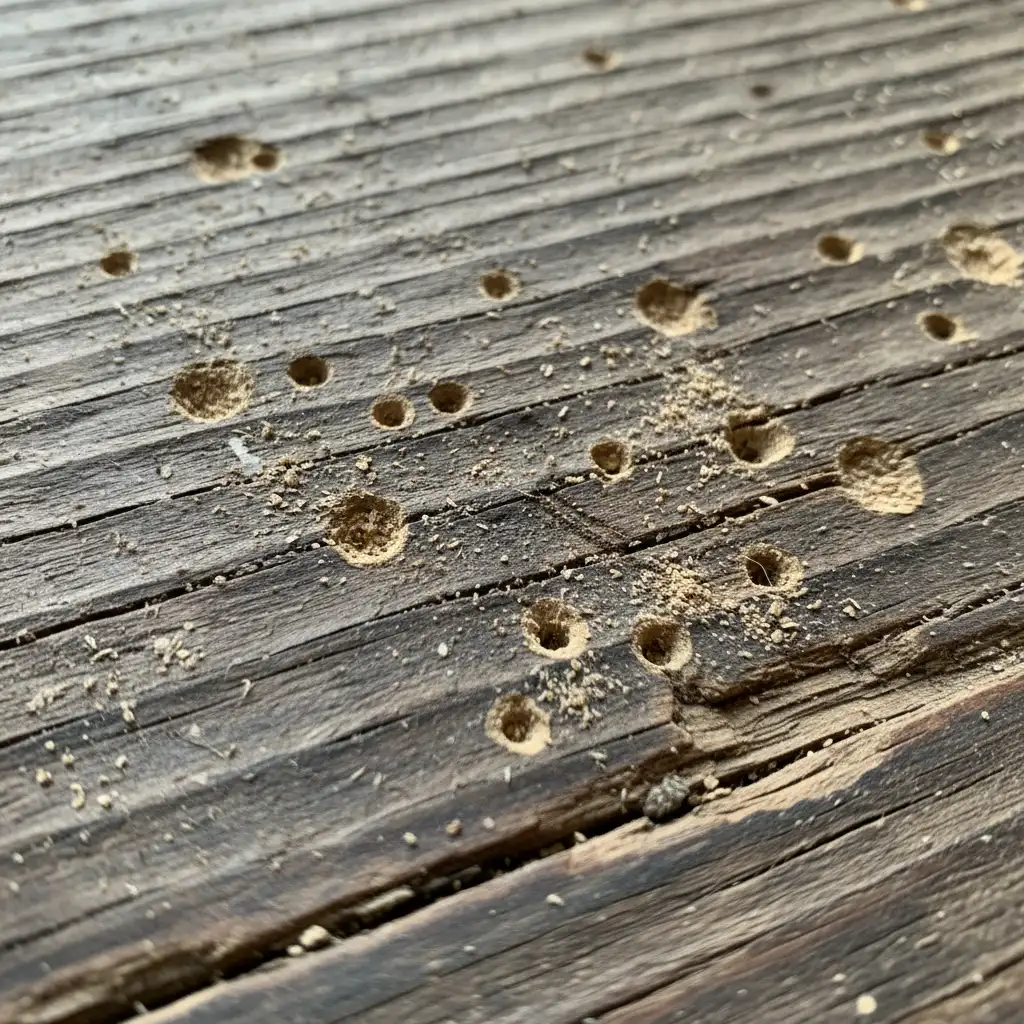
The primary importance of a regular inspection lies in prevention and early detection. Pests like borers can silently compromise the structural timber of a house for years before any outward signs become obvious. Rodents can chew through electrical wiring, posing a significant fire hazard, and contaminate insulation and food-preparation areas. Cockroaches are known carriers of pathogens such as Salmonella and E. coli, presenting a health risk to your family.
For anyone buying a property, a pre-purchase pest inspection is as vital as a building report. Discovering a significant infestation after settlement can lead to thousands of dollars in unexpected treatment and repair costs. A professional inspection provides the peace of mind that comes with knowing the true condition of the property, allowing you to make an informed decision and potentially negotiate on price if issues are found.
What Our Professional Pest Inspectors Look For
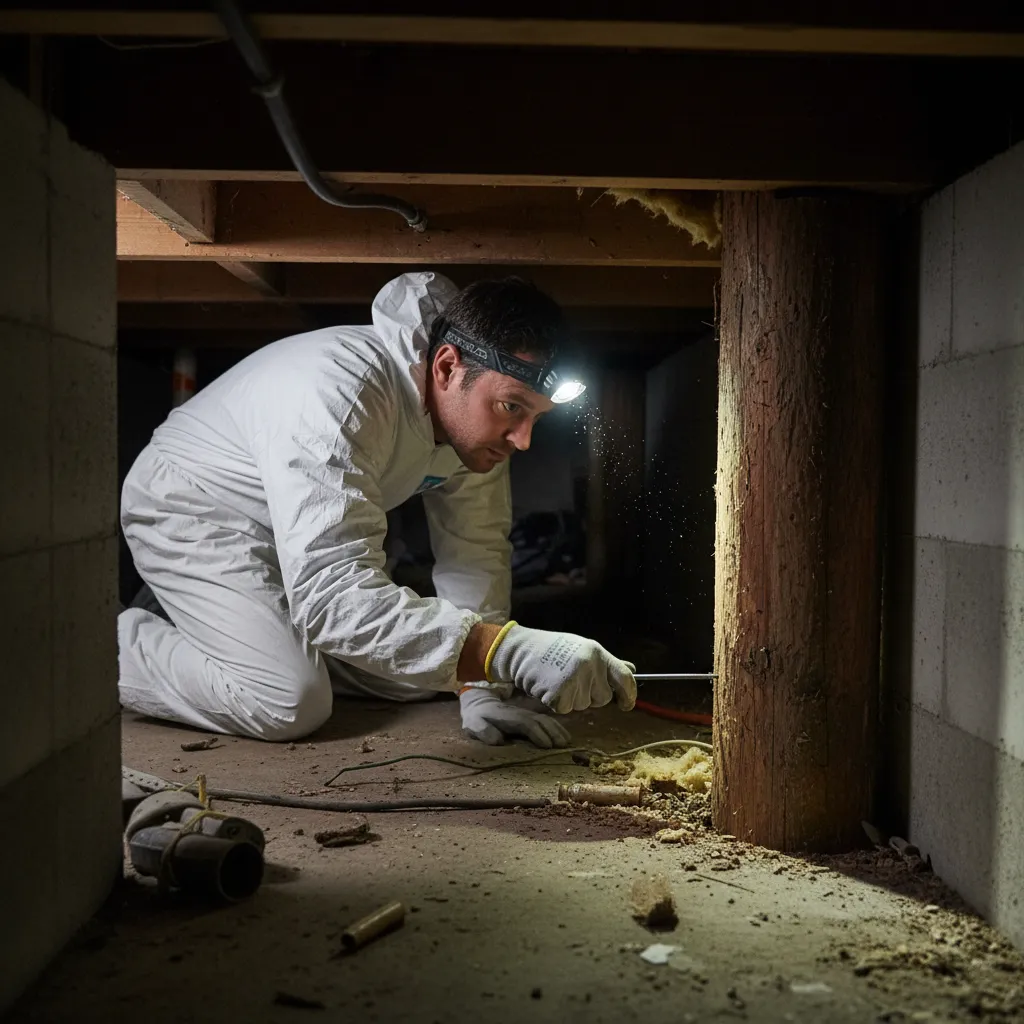
A professional house pest inspection is a thorough, systematic process that goes far beyond a quick glance around the rooms. Our experienced inspectors are trained to identify the subtle signs of pest activity that most homeowners would miss. The goal is to provide a complete picture of the property’s pest status.
Interior and Exterior Areas Scanned
The inspection covers all accessible areas of the property, both inside and out. This includes:
- Roof Voids: A prime location for rodents, birds, and insect nests. Inspectors check insulation, framing, and eaves.
- Subfloor Areas: Especially critical in many of Auckland’s older homes built on piles. This damp, dark environment is a haven for borers, termites, and rodents.
- Interior Rooms: Every room is inspected, with a focus on kitchens, bathrooms, laundries (where moisture attracts pests), cupboards, flooring, and skirtings.
- Exterior: The perimeter of the house, exterior walls, window and door frames, decks, patios, and garages are examined.
- Garden and Outbuildings: Fences, retaining walls, sheds, and tree stumps are checked as they can harbour pests that may eventually migrate into the home.
Signs of Timber and Structural Pests
Detecting timber pests is a primary focus due to the severe damage they can cause. Inspectors look for:
- Borer: Small, round “flight holes” in timber, piles of fine sawdust (frass) beneath infested wood, and a “crunchy” sound in floorboards.
- Termites: Mud shelter tubes on foundations or walls, hollow-sounding timber when tapped, and discarded wings.
- Wood Decay Fungi: Signs of wet or dry rot, which can weaken timber and attract other pests.
Indicators of General Household Pests
For other common pests, inspectors search for distinct evidence:
- Rodents (Rats & Mice): Droppings, rub marks along walls, gnaw marks on wood or wiring, nesting materials in roof voids or behind appliances, and a characteristic ammonia smell.
- Cockroaches: Live insects, egg cases (oothecae), fecal spotting on walls or in cupboards, and shed skins.
- Ants: Active trails of ants inside or outside, small piles of soil indicating nest entrances in gardens or pavement cracks.
In addition to visual checks, inspectors may use specialized tools like moisture meters to identify areas of dampness, which are highly attractive to pests like termites and cockroaches. Thermal imaging cameras can also be employed to detect temperature variations caused by large nests or moisture pockets behind walls.
Your Detailed Inspection Report Explained
Following the inspection, you will receive a comprehensive written report. This document is not just a list of problems; it is an actionable tool designed to give you a clear understanding of the property’s condition. A high-quality report should be easy to read and free of overly technical jargon.
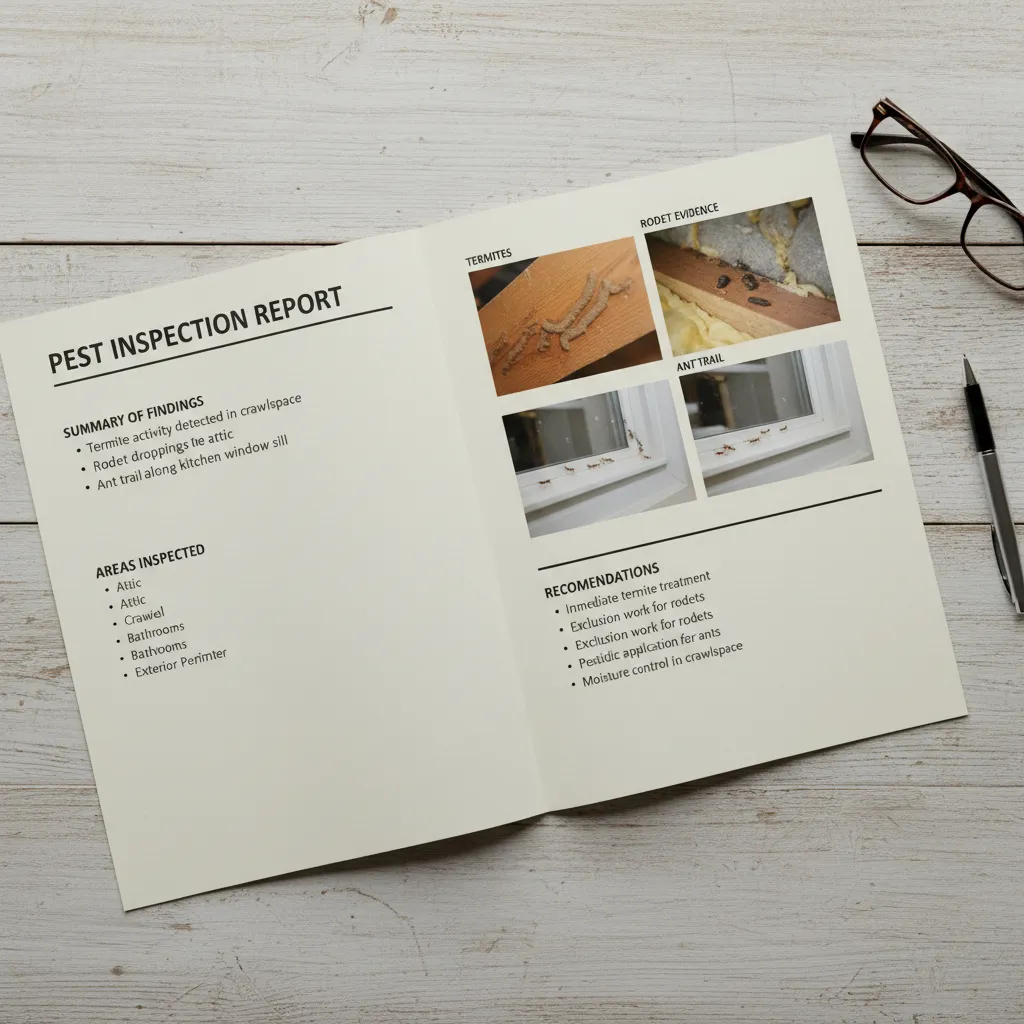
A typical report will include:
- Summary of Findings: A high-level overview of the main issues discovered.
- Scope of Inspection: Clearly defines which areas were accessed and inspected, and crucially, lists any areas that were inaccessible and why (e.g., locked rooms, low subfloor clearance).
- Detailed Findings: Specific information on any pests or pest activity found, including the species, the location, and the extent of the infestation or damage. This section is often supported by clear colour photographs.
- Conducive Conditions: Identification of conditions that could attract pests in the future, such as poor drainage, wood-to-ground contact, or significant moisture issues.
- Recommendations: Practical advice on how to treat existing infestations and prevent future ones. This may include recommending specific pest control treatments, building repairs, or landscaping changes.
It is important to note that a pest inspection report is a snapshot of the property’s condition at the time of inspection. It does not guarantee that the property will remain pest-free in the future, which is why ongoing vigilance and regular inspections are recommended.
Cost of House Pest Inspections in Auckland
The cost of a house pest inspection in Auckland can vary depending on several factors, including the size of the property, the number of bedrooms, the complexity of the building’s design (e.g., a large, difficult-to-access subfloor), and the pest control company you choose.
As a general guide, a standalone, comprehensive pest inspection for an average-sized three-bedroom home in Auckland typically ranges from $200 to $500+ GST. Larger properties or those requiring more extensive inspections will naturally be at the higher end of this scale.
For property buyers, it is common practice to combine a pest inspection with a pre-purchase building inspection. Many companies offer a bundled service, which can be more cost-effective than booking the two inspections separately. A combined building and pest report can range from approximately $400 to $800+ GST, again depending on the property’s characteristics.
While there is an upfront cost, a professional inspection is a wise investment. The cost of repairing structural damage from borers or rewiring a house due to rodent damage can easily run into the thousands or even tens of thousands of dollars. Compared to these potential costs, the price of an inspection is a small premium to pay for financial protection and peace of mind.
Schedule Your Auckland Pest Inspection Today
Don’t leave the health of your home and family to chance. Whether you are buying a new property, suspect a pest issue, or simply want to stay on top of home maintenance, a professional house pest inspection is the most effective way to identify and address potential problems.
Our team of certified and experienced pest inspectors understands the unique challenges presented by Auckland’s environment. We use the latest detection methods to provide you with a thorough assessment and a clear path forward. In cases where nesting areas have been heavily contaminated, we also offer professional Pest Sanitisation Services to ensure your living spaces are hygienic. Contact us today to schedule your inspection and learn how to Hire Sanitisation Pest Control Auckland experts for a complete, safe restoration of your home.

People Also Ask
How often should I get a pest inspection in Auckland?
For most properties in Auckland, it is recommended to have a professional pest inspection carried out at least once every 12 months. However, if your home is in an area with a high risk of pests (e.g., near bushland) or has a history of infestations, more frequent inspections, such as every 6 months, may be advisable to ensure early detection.
Is a pest inspection mandatory when buying a house in Auckland?
A pest inspection is not legally mandatory when buying a house in Auckland, but it is highly recommended by real estate professionals, lawyers, and banks. It is a crucial part of your due diligence and can save you from buying a property with expensive, hidden pest damage. Many mortgage lenders may also require one as a condition of finance.
What is the difference between a building inspection and a pest inspection?
A building inspection focuses on the structural condition of the property, looking for defects in materials, workmanship, and overall structural integrity. A pest inspection is specifically focused on detecting the presence of pests, past pest damage, and conditions that attract pests. While there can be some overlap (e.g., borer damage affecting structure), they are distinct inspections. It is often best to get both or a combined report.
Can I do my own pest inspection?
While homeowners can look for obvious signs of pests, a professional inspector has the training, experience, and specialized tools to find infestations that are hidden in walls, roof voids, and subfloors. They know exactly what to look for and where. A DIY inspection is unlikely to be as thorough and may miss critical issues, providing a false sense of security.
What happens if pests are found during the inspection?
If pests are found, your inspection report will detail the type of pest, the location, and the extent of the activity. The inspector will then provide recommendations for treatment and long-term prevention. You can then use this information to arrange for professional pest control treatment or, if you are buying, to negotiate with the seller on the price or request that the issues be fixed prior to settlement.
How long does a house pest inspection take?
The duration of a pest inspection depends on the size and complexity of the property. For an average-sized 3-4 bedroom home in Auckland, a thorough inspection typically takes between 1 to 2 hours. Larger homes, properties with multiple outbuildings, or those with difficult access to subfloors or roof cavities may take longer.