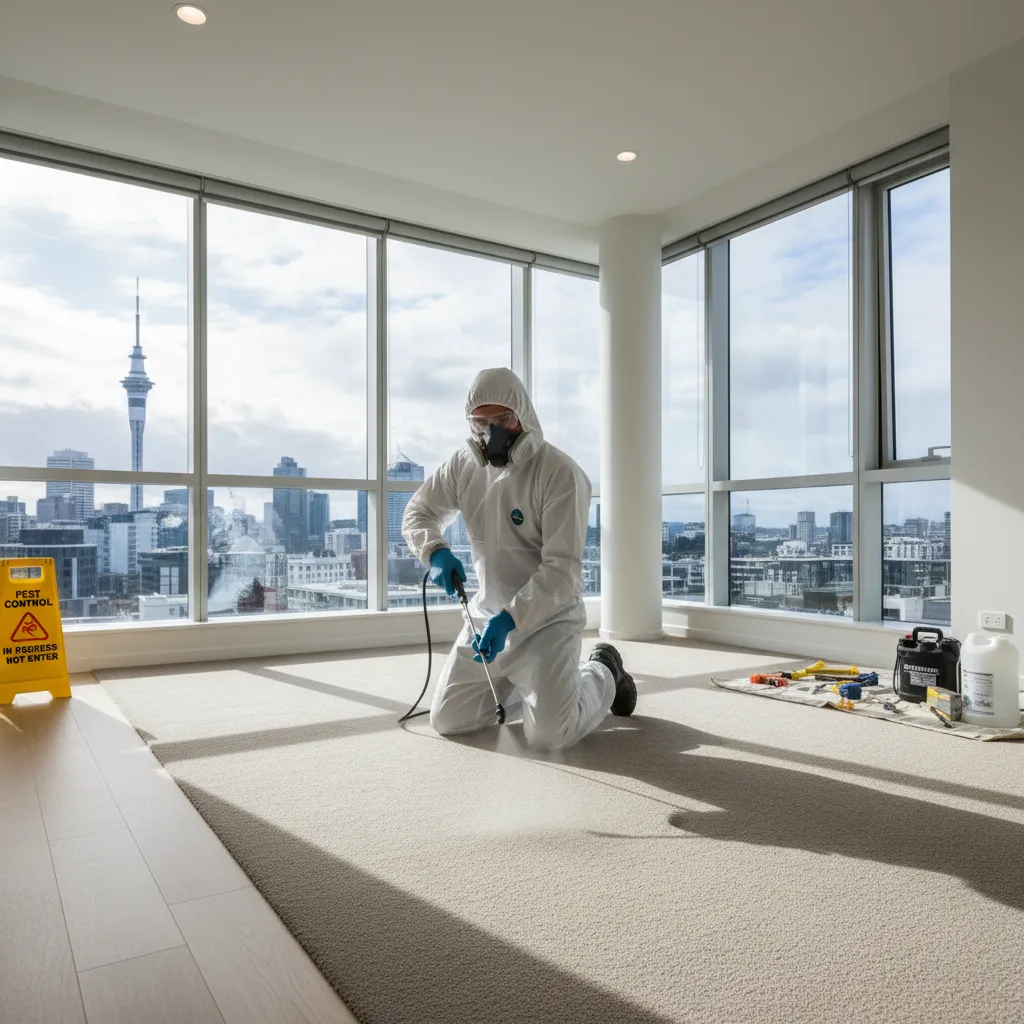
Moving out of a rental property is always a highly stressful experience. Between packing countless boxes, forwarding your mail, and scrubbing the oven until it shines, the final property inspection looms like a dark cloud over the entire process. If you have a pet, you likely already know about the mandatory requirements for a West Auckland End of Lease Flea Treatment.
But what about the tiny, destructive pests you can’t easily see? Property managers in New Zealand are becoming increasingly strict about hygiene standards at the end of a lease. Going beyond fleas: identifying hidden pest issues before your final rental inspection is absolutely essential if you want your full bond returned without a fight.
Many tenants are genuinely shocked to find unexpected deductions for cockroach infestations or hidden rodent damage they didn’t even know existed. Ignoring these silent invaders until the final walkthrough is a costly mistake. By understanding exactly what property managers look for, you can fix the problem on your own terms before it hits your wallet.
Key Takeaways
To secure your bond, you must look beyond fleas: identifying hidden pest issues before your final rental inspection is critical. Check dark cupboards for cockroach droppings, inspect carpets for beetle damage, and look for rodent chew marks. Tenants are liable for pests caused by poor hygiene, while landlords cover structural infestations.
New Zealand Tenancy Law: Who Pays for Pests?
Under the Residential Tenancies Act (RTA), landlords are legally obligated to provide a clean, pest-free home at the very start of a tenancy. However, keeping the property in that condition is a shared responsibility between both parties. If an infestation develops midway through your lease or is discovered at the end, the root cause determines who pays the exterminator bill.
If poor daily hygiene, unsealed food containers, or a family pet caused the issue, the tenant is held financially liable. Conversely, if pests manage to enter through structural gaps like broken subfloor vents or rotting weatherboards, the landlord must pay for the extermination. This grey area is exactly why End of Lease Pest Control disputes are one of the most common issues brought to the Tenancy Tribunal.
When neither party is clearly at fault for the bug problem, Tenancy Services often recommends a common-sense approach of splitting the cost. To avoid these stressful and prolonged negotiations entirely, proactive tenants inspect the property thoroughly weeks before handing over the keys.
| Pest Scenario | Likely Responsible Party | Reasoning under NZ Law |
|---|---|---|
|
|