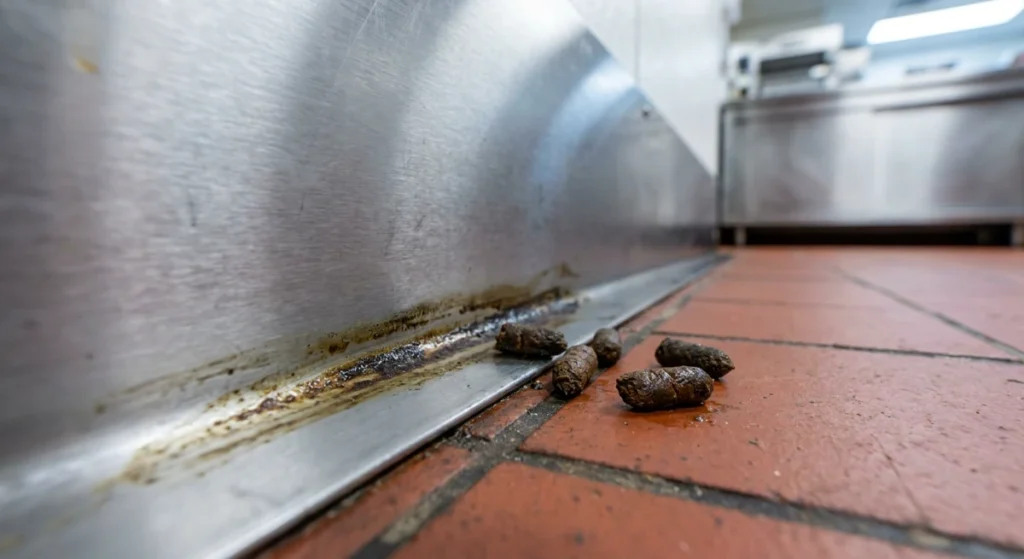
You run a hospitality business in Auckland. It is May 2026, the autumn chill has set in, and rats are aggressively hunting for a warm place with an endless buffet. But you cannot just throw toxic bait blocks under your prep benches.
New Zealand’s hospitality sector just hit a record $15.99 billion turnover. With that kind of money on the line, the Ministry for Primary Industries (MPI) does not hand out second chances. If an auditor finds toxic rodenticide near your food prep zones, they will shut you down on the spot.
Learning exactly how to monitor rodents in commercial kitchen without poison is not just about being eco-friendly. It is a strict legal requirement under the Food Act 2014, and failing to comply can cost you your business.
Key Takeaways
To monitor rodents in a commercial kitchen without poison, you must use non-toxic fluorescent bait blocks, mechanical snap traps in tamper-resistant stations, and digital IoT sensors. The Food Act 2014 strictly prohibits toxic rodenticides in food preparation areas to prevent secondary contamination.
The Legal Ban on Rodenticides in Food Preparation Areas
Let’s get one thing straight. The era of reactive, toxic “spray and pray” pest control is dead. If you operate a commercial kitchen, the Food Act 2014 dictates exactly what you can and cannot do.
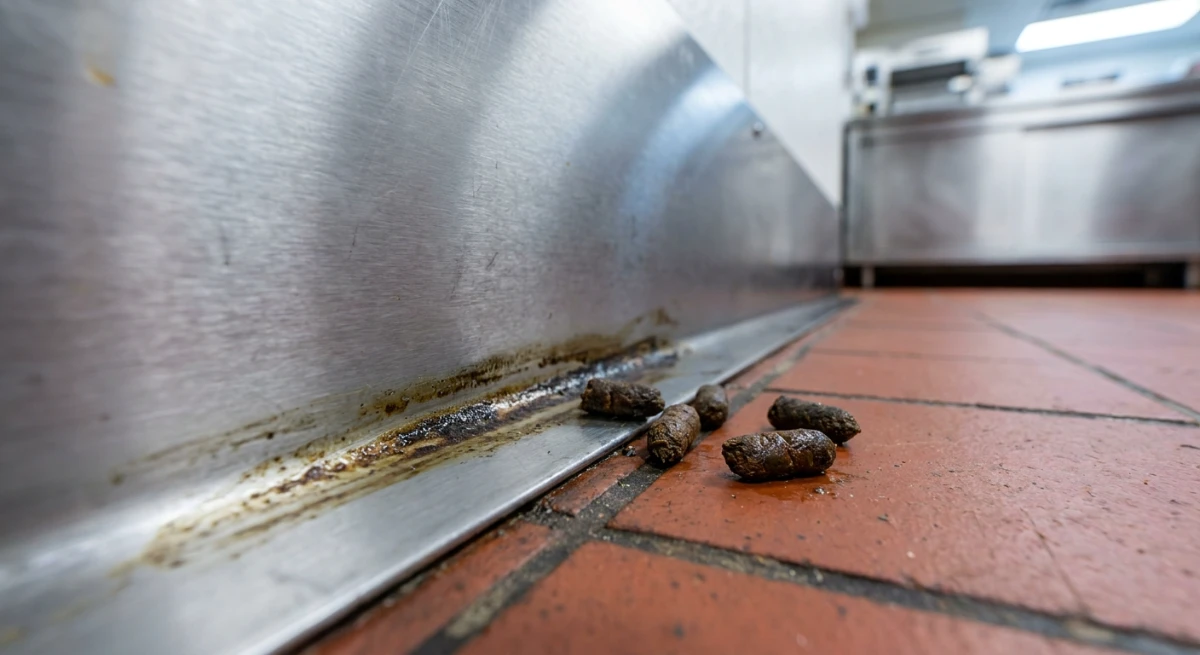
Toxic rodenticides (poisons) are strictly banned inside food preparation and storage zones. Why? Because a poisoned rat does not die immediately. It wanders around, urinates on your prep surfaces, and potentially dies inside a wall cavity, creating a massive biological hazard.
Furthermore, rats can physically drag toxic bait blocks out of their stations and drop them into food supplies. This is called secondary contamination, and it is an auditor’s worst nightmare. You need a smarter, zero-emission approach to figure out how to monitor rodents in commercial kitchen without poison.
Finding toxic bait inside a commercial kitchen is an automatic failure during an MPI audit. Your business can face immediate closure and severe fines under the Food Act 2014.
The Reality of the 2026 Autumn Pest Surge
Auckland is currently experiencing a massive autumn pest surge. Driven by a mild winter and a scorching summer last year, rodent populations have exploded across the region. As the temperature drops, they are moving indoors.
A commercial kitchen is their ultimate target. It offers warmth from industrial ovens, endless water from dishwashers, and unlimited food scraps. If you rely on old-school methods, you will fail to stop them.
The DIY cycle of despair—buying cheap traps from the hardware store and hoping for the best—does not work in a commercial setting. Rats are highly neophobic, meaning they fear new objects. A cheap trap thrown in the middle of the floor will simply be ignored.
Effective Non-Toxic Monitoring Techniques
Since you cannot use poison, your focus must shift to predictive Integrated Pest Management (IPM). We need to know exactly where the rodents are moving, how they are getting in, and what they are after.
This requires a highly systematic, entomological approach. We look for the root cause—structural entry points—rather than just treating the symptoms. Here are the three most effective ways to monitor activity safely.
UV Tracking Dust and Fluorescent Bait Blocks
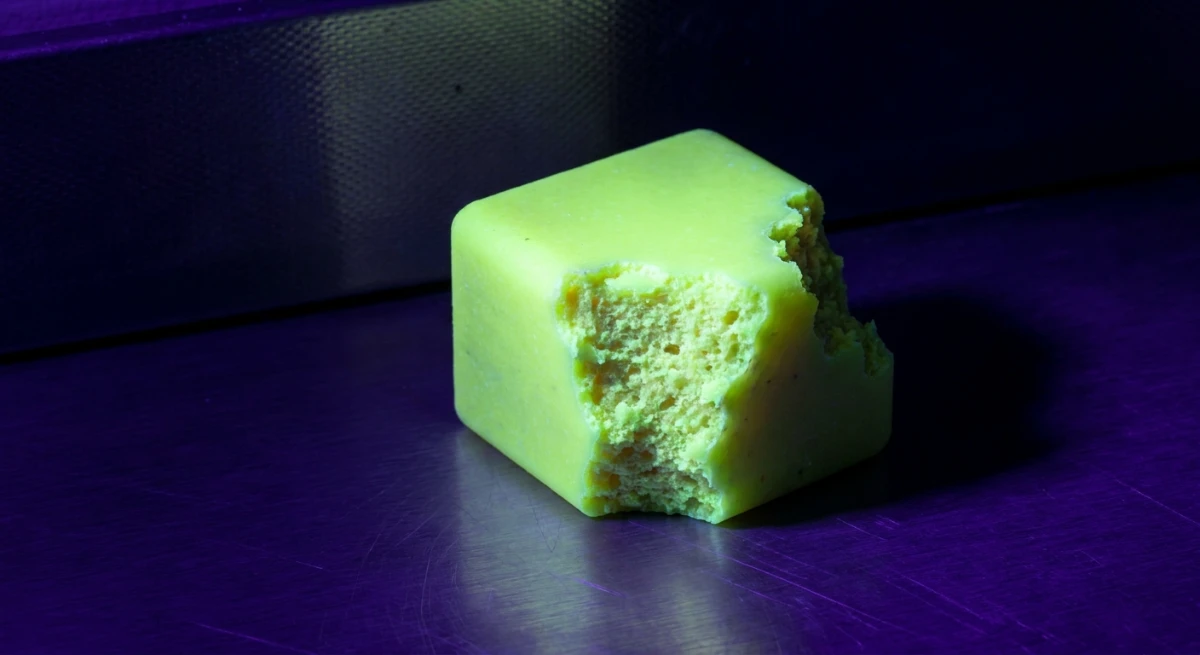
One of our best tools is the non-toxic fluorescent bait block. These blocks contain zero poison, making them 100% safe for sensitive food environments. They are purely designed to measure activity and track movement.
When a rat chews on a fluorescent block, the non-toxic dye passes through its digestive system. Later, when we inspect your kitchen with a high-powered UV blacklight, the rat’s droppings glow brightly in the dark.
This shows us exactly where the rat is traveling and where its nest might be hidden. It takes the guesswork out of how to monitor rodents in a commercial kitchen without poison.
Always place your UV tracking blocks near warm appliances like dishwashers and ovens. Rodents use the heat exhaust pipes as highways into the kitchen.
Digital IoT Sensor Stations
Welcome to 2026. The most significant shift in commercial pest control is the adoption of IoT (Internet of Things) digital sensors. These devices offer 24/7 surveillance without you lifting a finger.
We install smart traps and infrared motion sensors along critical perimeter walls. The moment a rodent passes through or triggers a trap, the sensor pings our system with a real-time alert.
This means we know you have a breach before your opening shift even arrives. It provides an undeniable digital log for your HACCP compliance records, proving to auditors that you are proactively managing risks.
Mechanical Snap Traps in Tamper-Resistant Boxes
You cannot beat the reliability of a high-tension mechanical snap trap. However, in a commercial kitchen, you cannot just leave an exposed trap sitting behind the deep fryer.
All mechanical traps must be secured inside locked, tamper-resistant bait stations. This prevents accidental triggering by staff and keeps the dead rodent contained.
Containing the rodent is critical for food safety. It stops airborne pathogens, fleas, and mites from spreading from the carcass to your clean food prep areas.
Daily Inspection Requirements (Animal Welfare Act 1999)
Pest control isn’t just about killing bugs and rats; it is heavily regulated by animal welfare laws. If you choose to use live-capture traps instead of kill traps, you are stepping into strict legal territory.
The Animal Welfare Act 1999 governs how all animals, including pest species like rats and mice, must be treated. Ignoring these rules can result in criminal prosecution.
The 12-Hour Sunrise Rule for Live Capture
Under New Zealand law, any live-capture trap must be physically inspected within 12 hours after sunrise every single day it remains set. You cannot set a live trap on Friday and leave it unchecked over the weekend.
If an animal is caught, it must be removed and dealt with humanely without delay. This is why many commercial kitchens avoid live traps entirely. The labor cost of checking them daily is simply too high.
When planning how to monitor rodents in commercial kitchen without poison, we almost exclusively recommend instant-kill mechanical traps or automated IoT sensors to bypass this heavy daily labor requirement.
Maintain a digital pest sighting logbook. Ensure all non-toxic stations are mapped on a floor plan. Only use Level 3 NZ Certificate qualified technicians for servicing to satisfy MPI auditors.
Transitioning to a Poison-Free Monitoring System
Making the switch to a poison-free system does not happen overnight. It requires a complete shift in how you view facility maintenance. We always start with structural exclusion.
If rats cannot get in, you do not have to catch them. We identify and seal every gap larger than 6mm around pipes, loading docks, and ventilation shafts. We use specialized rodent-proofing materials that they cannot chew through.
With the FAOPMA Pest Summit 2026 coming to Auckland this July, the entire industry is focused on these smarter, zero-emission solutions. It is time to future-proof your kitchen.
With the FAOPMA Pest Summit arriving in Auckland in July 2026, regulators are highly focused on digital IPM. Upgrading to IoT sensors now puts you ahead of the compliance curve.
| Monitoring Method | Food Act Compliance | Maintenance Level | Best Use Case |
|---|---|---|---|
| Toxic Rodenticide (Poison) | Strictly Prohibited | Low | Exterior perimeters only |
| Fluorescent Bait Blocks | Fully Compliant | Medium | Tracking internal nesting sites |
| Mechanical Snap Traps | Compliant (if enclosed) | High (requires checking) | Under prep benches / dry stores |
| IoT Digital Sensors | Fully Compliant | Very Low | 24/7 automated auditing |
To set up a successful poison-free monitoring program, you need to follow these exact steps:
- Seal the Perimeter: Install bristle strips on all exterior doors to block ground-level entry.
- Map the Zones: Create a digital floor plan marking every non-toxic bait station and IoT sensor.
- Eliminate Attractants: Ensure all dry goods are stored in heavy-duty plastic or stainless steel bins off the floor.
- Audit the Data: Review IoT sensor data weekly to spot activity trends before they become full-blown infestations.
Frequently Asked Questions

About the Author: Ronnie
Founder, Pest Control Auckland · Commercial & Residential Pest Expert · Certified Urban Pest Management Specialist
With years of experience actively auditing and protecting Auckland’s top hospitality venues, Ronnie understands exactly what MPI inspectors look for. Having consulted for major commercial kitchens on Food Act 2014 compliance, he is the definitive expert on implementing zero-emission, non-toxic rodent monitoring systems that guarantee safety without sacrificing effectiveness.