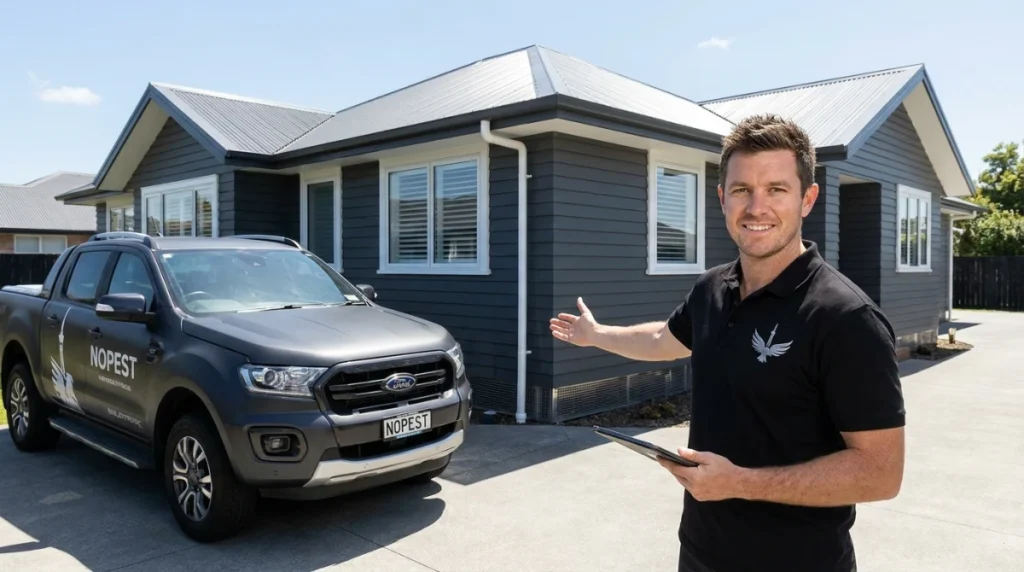
Healthy Homes Standards compliant rental property exterior in Auckland

Healthy Homes Standards Pest Control Compliance

Managing a rental property in Auckland’s humid, highly variable climate is an ongoing challenge. Between seasonal storms and damp winters, property investors and managers are constantly battling the elements to keep their homes in top condition. But for landlords, pests are much more than just a nuisance. They are a direct threat to your legal compliance under the Residential Tenancies Act.

With the final deadline for the Healthy Homes Standards having passed on July 1, 2025, all private rentals in New Zealand must now be fully compliant. Failing to meet these strict regulations can result in severe financial penalties of up to $7,200 from the Tenancy Tribunal. While the standards focus heavily on heating, insulation, and ventilation, many property owners completely overlook how pests intersect with these rules.

If rats are chewing through your newly installed underfloor insulation, your property is no longer compliant. If poor drainage is attracting damp-loving pests like cockroaches into the kitchen, you have a structural issue that needs immediate attention. Navigating healthy homes standards pest control nz compliance requires a proactive, educated approach to protect both your tenants and your financial investment.

Key Takeaways

Landlords must provide a pest-free property at the start of a tenancy to meet Healthy Homes Standards. Pests like rodents can destroy required insulation and create draughts, leading to compliance failures. Annual professional pest treatments and prompt structural repairs are essential to avoid Tenancy Tribunal fines up to $7,200.

How Pest Infestations Violate Healthy Homes Standards

The core purpose of the Healthy Homes Standards is to ensure every New Zealand rental property is warm, dry, and fundamentally safe to live in. However, a severe pest infestation can quickly undo all your hard work and financial investment. According to Tenancy Services, landlords are legally required to provide a property that is completely free from pests at the start of any new tenancy agreement.

If pests invade because the property has pre-existing structural gaps, poor drainage, or severe dampness, the landlord is generally held responsible for the eradication costs. This is exactly where healthy homes standards pest control nz becomes a critical, non-negotiable part of property management. The Tenancy Tribunal actively investigates whether the landlord maintained the property adequately to prevent these infestations from occurring.

Ignoring early warning signs of pest issues doesn’t just result in unhappy, stressed tenants. It can lead to severe, irreversible property damage that directly violates the core pillars of the Healthy Homes Guarantee Act. Let’s look at how specific pests actively compromise your compliance status.

Healthy Homes Standards compliant rental property exterior in Auckland

The Link Between Dampness, Mould, and Pests

The Moisture Ingress and Drainage standard dictates that properties must have efficient drainage systems and, where practicable, an intact ground moisture barrier. This standard is primarily designed to stop dampness and toxic mould from affecting the indoor living space. However, property managers often forget that excess moisture is also the number one environmental attractant for destructive urban pests.

Cockroaches, woodlice, and silverfish absolutely thrive in dark, damp, and humid environments. If your Auckland rental property has blocked gutters, pooling water under the subfloor, or slow-leaking pipes in the bathroom walls, it will inevitably attract these moisture-loving insects. A sudden, unexplained influx of cockroaches is often the very first warning sign that your property is secretly failing the moisture standard.

📝

Note on Subfloor Moisture

Installing a polythene ground moisture barrier doesn’t just stop rising damp from rotting your floorboards. It drastically reduces the humidity levels under the house, making the subfloor highly unappealing to nesting pests like cockroaches and rodents.

By aggressively addressing the root cause of the dampness, you effectively solve two massive problems at once. You meet your strict legal obligations under the Healthy Homes Standards, and you permanently remove the environmental conditions that allow pests to breed and multiply.

Structural Integrity and Rodent Damage

Rats and mice are incredibly destructive to the structural integrity of a residential house. When the weather cools down during an Auckland winter, rodents desperately seek out warm, dry places to build their nests. Unfortunately, your rental property’s newly installed ceiling and underfloor insulation provide the absolute perfect nesting material for them.

The Insulation standard requires that all rentals must have adequate, intact ceiling and underfloor insulation. When rats move into a roof void, they tear up expensive fibreglass and polyester batts to construct their nests. They also urinate and defecate heavily throughout the insulation, rendering it highly unhygienic, compressed, and thermally ineffective. If a severe rodent infestation destroys your insulation layer, your property immediately fails the Healthy Homes Standards.

Furthermore, the Draught Stopping standard explicitly requires landlords to block any unreasonable gaps or holes in walls, ceilings, windows, and floors. Rodents frequently gnaw at wooden weatherboards, plastic pipes, and flooring to widen their entry points. These chewed gaps create noticeable cold draughts in the home, meaning your property is no longer legally compliant. Implementing strict healthy homes standards pest control nz protocols stops this structural damage before it ever starts.

Bar chart showing common tenancy tribunal dispute factors including dampness, insulation, pests, and heating

Proactive Pest Management for Landlords

Waiting for your tenants to panic and complain about a rat in the kitchen is a highly reactive, risky strategy. In the eyes of the Tenancy Tribunal, landlords are expected to take reasonable, proactive steps to maintain the property year-round. A proactive approach is the only way to protect your expensive Healthy Homes upgrades from being destroyed by vermin.

Effective healthy homes standards pest control nz management always starts between tenancies. Before handing the keys to a new tenant, you must ensure the property is completely free of pests. This vacant period is the absolute perfect time to conduct a thorough visual inspection and apply long-lasting preventative pest treatments without disrupting anyone’s daily life.

Sealing Entry Points and Improving Ventilation

One of the most effective ways to keep pests out of a rental is by physically blocking their entry pathways. This strategy aligns perfectly with the Draught Stopping standard. When you seal gaps around old wooden windows, exterior doors, and interior skirting boards to stop cold air, you simultaneously lock out mice, ants, and cockroaches.

  • Check Weather Stripping: Ensure all exterior doors have intact weather stripping at the base to prevent mice from squeezing underneath.
  • Seal Pipe Penetrations: Use expanding foam or steel wool to block gaps where plumbing pipes enter the walls under the kitchen sink.
  • Inspect Subfloor Vents: Ensure exterior subfloor vents are intact and not broken, allowing rats easy access to the ground moisture barrier.

Ventilation is equally critical to this process. The Ventilation standard requires openable windows in living areas and adequately sized extractor fans in kitchens and bathrooms. Proper mechanical ventilation drastically reduces indoor humidity levels, which stops condensation and mould from forming. Without a damp, mouldy micro-environment, nuisance pests like booklice and silverfish simply cannot survive inside the home.

Action Checklist for Landlords

During your routine quarterly property inspections, always check that bathroom extractor fans are actually working and that tenants are clearing the gutters of autumn leaves. Blocked gutters cause roof leaks, which quickly lead to pest-attracting dampness.

Scheduling Annual Pest Audits

Many successful Auckland property managers and private landlords now include an annual pest control treatment as part of their standard operating procedures. This is often written explicitly into the tenancy agreement as a landlord-funded maintenance service. It clearly shows the Tenancy Tribunal that you are taking your maintenance and health responsibilities incredibly seriously.

An annual professional pest audit identifies small, hidden issues before they escalate into expensive disasters. A qualified urban pest management technician can easily spot the early signs of rodent activity in the subfloor or ceiling cavity. Catching this activity early saves your delicate ground moisture barrier and underfloor insulation from being chewed to pieces by nesting rats.

Pest Control Responsibility Landlord Role Tenant Role
Pre-Tenancy Eradication Must ensure the property is 100% pest-free before keys are handed over. Inspect the property upon moving in and report any existing signs of pests immediately.
Structural Maintenance Must fix holes, broken vents, and leaky pipes that allow pests to enter or thrive. Must notify the landlord promptly if they notice structural damage or leaks.
Cleanliness & Hygiene Provide adequate rubbish bins if council does not supply them (optional but recommended). Must keep the home reasonably clean and tidy to avoid attracting ants, flies, and rodents.

Documenting Compliance for Tenancy Services

If a bitter dispute over pests, property damage, or maintenance ends up at the Tenancy Tribunal, rigorous documentation is your absolute best defense. The tribunal relies entirely on hard, verifiable evidence, not verbal assurances or handshake agreements. You must be able to prove on paper that you took all reasonable, timely steps to provide a safe, healthy home.

Every single time you upgrade your underfloor insulation, fix a leaking roof, or hire a professional pest controller, you need to keep the official receipt. These critical documents form the solid backbone of your ongoing Healthy Homes compliance statement. If you cannot prove the work was done to a professional standard, the tribunal may rule against you.

Pest control technician providing compliance documentation to a landlord

Keeping Records of Professional Eradication

DIY pest control solutions, like cheap hardware store bug bombs or generic rat bait stations, do not hold up well in a formal tribunal hearing. If a tenant claims the property is heavily infested, a faded receipt for a $10 plastic rat trap won’t prove that you properly and safely addressed the issue. You need certified, written proof of professional eradication.

When you hire a highly qualified urban pest management company, you receive a detailed, formal service report upon completion. This report outlines the specific pests targeted, the exact chemical treatments safely used, and any vital structural recommendations made by the technician. Keeping these service reports on file is the absolute gold standard for achieving healthy homes standards pest control nz compliance.

⚠️

Warning on Illegal Tenancy Clauses

You cannot add a blanket clause to a tenancy agreement forcing the tenant to pay for professional carpet cleaning or pest fumigation at the end of their tenancy unless they specifically caused an infestation (e.g., bringing fleas in via an unapproved pet). The Tenancy Tribunal views blanket fumigation clauses as unenforceable.

Book a Healthy Homes Pest Compliance Audit

Protecting your valuable rental property portfolio doesn’t have to be a stressful, confusing ordeal. At Pest Control Auckland, we work closely alongside local landlords and busy property managers to ensure their investments remain safe, structurally sound, and entirely pest-free. We deeply understand the specific, strict requirements of the Residential Tenancies Act and exactly how pests impact your legal compliance.

Our certified technicians provide comprehensive, family-safe interior and exterior treatments perfectly tailored to Auckland’s unique, damp climate. We don’t just spray chemicals and walk away; we provide highly detailed, professional service reports that you can confidently keep on file for your official compliance records. We also offer honest, practical advice on sealing structural entry points and managing subfloor moisture.

Don’t let a highly preventable pest infestation cost you thousands of dollars in tribunal fines or destroyed underfloor insulation. Contact Pest Control Auckland today to arrange a proactive, reliable pest management plan for your rental property. We make compliance simple, safe, and stress-free.

People Also Ask (FAQs)

Who is legally responsible for pest control in a rental property in NZ?
Generally, landlords are responsible for ensuring the property is completely free of pests at the start of the tenancy and for fixing any structural issues (like holes or dampness) that attract pests. Tenants are responsible if their lack of cleanliness directly caused the infestation during the tenancy.
Can a landlord legally charge a tenant for fumigation?
A landlord can only charge a tenant for fumigation if they can definitively prove to the Tenancy Tribunal that the tenant’s actions (such as leaving rubbish inside or bringing in flea-infested pets) directly caused the pest problem. Blanket clauses forcing tenants to pay for end-of-tenancy fumigation are generally unenforceable.
How do rats affect Healthy Homes insulation compliance?
Rats and mice frequently tear apart ceiling and underfloor insulation to build their nests. They also soil the material with urine and feces. This damage compresses the insulation, ruining its thermal resistance (R-value) and causing the property to immediately fail the Healthy Homes Insulation standard.
What is the fine for failing to meet Healthy Homes Standards?
Landlords who fail to meet their strict obligations under the Healthy Homes Standards are in direct breach of the Residential Tenancies Act 1986. If taken to the Tenancy Tribunal, they can face financial penalties and exemplary damages of up to $7,200.
Does the Healthy Homes standard cover pest control directly?
While the phrase “pest control” isn’t a standalone category in the standards, pest management is deeply intertwined with the Draught Stopping, Insulation, and Moisture Ingress standards. Pests exploit failures in these areas, and the broader Residential Tenancies Act explicitly requires landlords to maintain a pest-free environment.
How often should a rental property be sprayed for pests?
For optimal protection in Auckland’s humid climate, landlords should arrange a professional exterior and interior pest treatment annually. Scheduling this between tenancies or during routine annual maintenance is the best way to prevent structural damage and keep tenants safe.

About the Author: Ronnie

Ronnie is the founder and lead technician at Pest Control Auckland, helping Auckland homes, rentals and businesses with safe, practical pest control.

With years of experience in urban pest management and consulting closely with property managers across the region, Ronnie understands exactly how pest damage intersects with the Residential Tenancies Act. His practical, compliance-focused approach helps landlords protect their investments, meet Healthy Homes Standards, and keep their tenants safe without relying on confusing jargon.

Leave a Comment

Your email address will not be published. Required fields are marked *

Scroll to Top