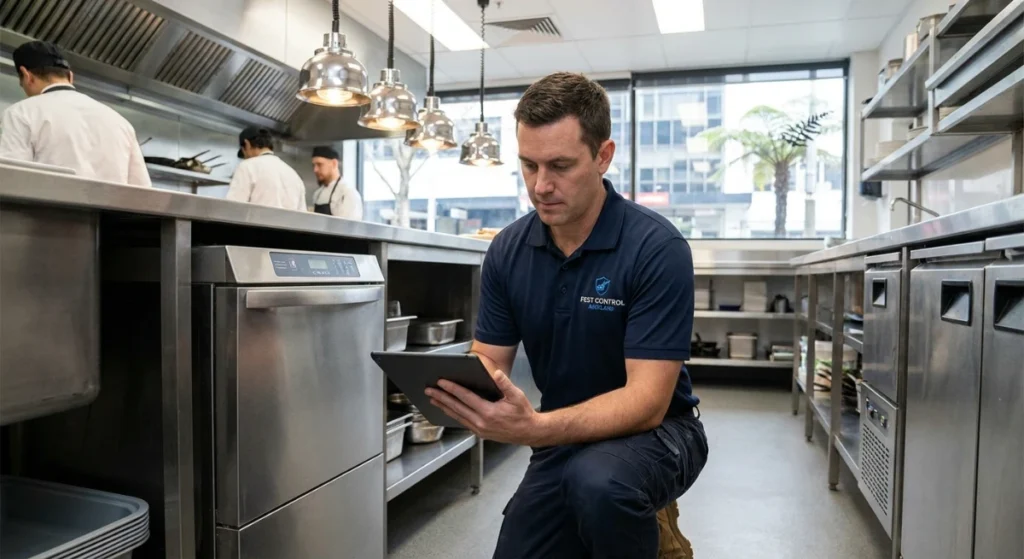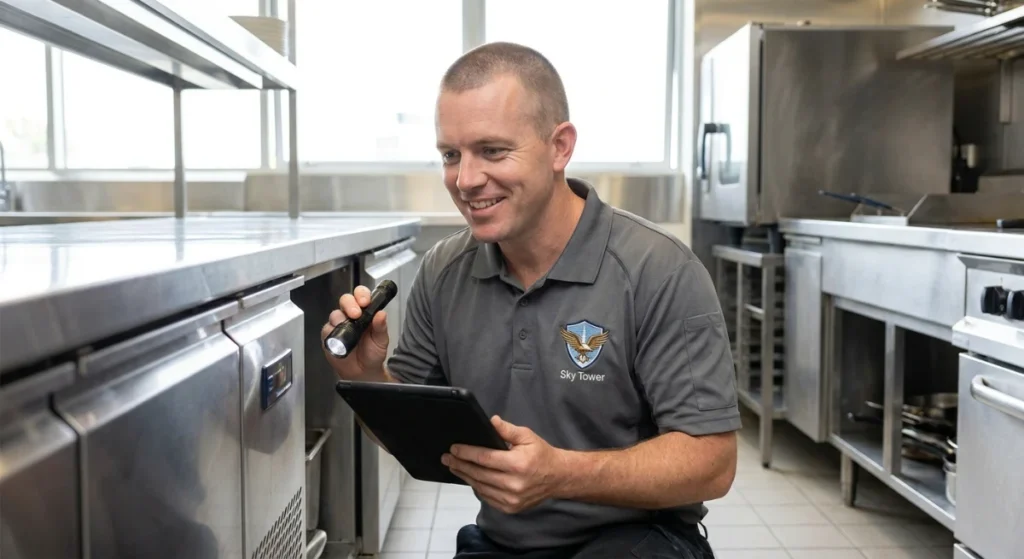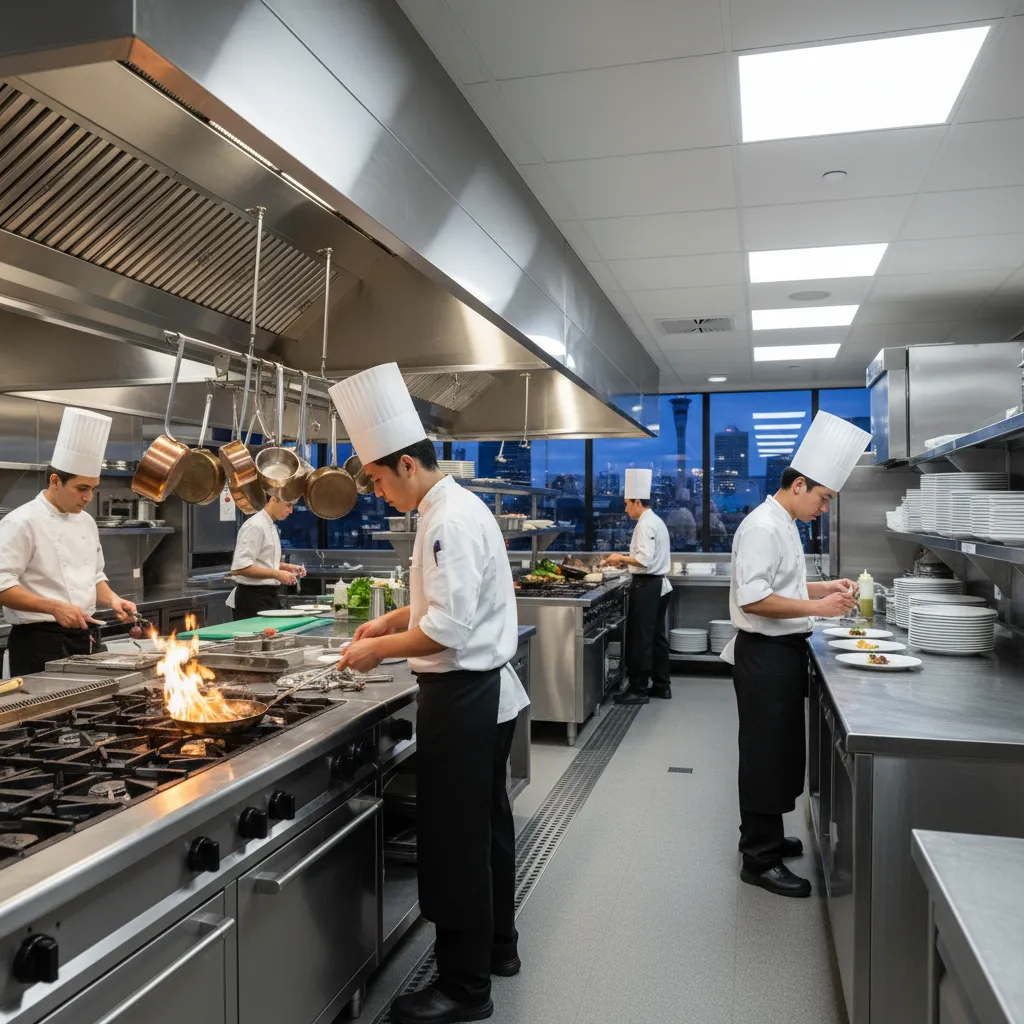
Clean commercial kitchen prepared for restaurant pest control north shore

Restaurant Pest Control

The North Shore of Auckland is home to some of the most vibrant and competitive hospitality scenes in New Zealand. From bustling cafes in Takapuna to fine dining establishments in Albany, local restaurateurs pour their hearts into delivering exceptional culinary experiences. However, behind the scenes, a silent threat can undo years of hard work in a single evening.

A pest sighting in a commercial kitchen or dining room is more than just a temporary embarrassment. It is a critical business emergency that requires immediate professional intervention. When you need reliable restaurant pest control North Shore business owners trust, you are actively protecting your reputation, your revenue, and your patrons’ health.

Standard residential pest treatments simply do not cut it in a high-stakes food service environment. Commercial kitchens demand targeted, regulatory-compliant strategies that address the unique pressures of the hospitality industry. This ensures your doors stay open and your customers keep coming back.

Specialized Pest Control for Restaurants

Running a successful restaurant requires juggling dozens of operational challenges simultaneously. Unfortunately, pests are relentlessly attracted to the warmth, moisture, and abundant food sources found in commercial kitchens. This makes specialized pest management an absolute necessity, not an optional luxury.

Commercial pest control focuses on long-term prevention rather than just reacting to bugs as they appear. It involves a strategic methodology known as Integrated Pest Management (IPM). This approach combines rigorous sanitation, structural exclusion, and targeted treatments to create an inhospitable environment for pests.

Meeting Auckland Council Food Safety Standards

Under the Food Act 2014, the Auckland Council enforces stringent food safety and hygiene regulations across the region. Health inspectors conduct routine, unannounced audits to evaluate everything from food preparation surfaces to pest management protocols. Failing to meet these standards can result in severe penalties.

To maintain an ‘A’ hygiene grade, your establishment must demonstrate proactive and documented pest management. This means having professional, audit-ready reports on site at all times. A certified pest control provider will supply the essential paperwork necessary to satisfy Auckland Council auditors.

⚠️

Auckland Council Closures

A cockroach infestation is one of the fastest ways to plummet from an ‘A’ hygiene grade to a ‘D’ or ‘E’ rating. An ‘E’ grade indicates a critical public health risk and can result in immediate, forced closure until the infestation is entirely eradicated.

Zero Tolerance for Pests in Kitchens

In the hospitality industry, there is a strict zero-tolerance policy for pests of any kind. A single German cockroach or a stray mouse dropping can indicate a much larger, hidden infestation. Pests are notorious vectors for serious pathogens, including Salmonella, E. coli, and Staphylococcus.

If these dangerous pathogens contaminate your food preparation surfaces, the resulting foodborne illnesses could trigger a public health crisis. Furthermore, in today’s hyper-connected world, a customer snapping a quick photo of a pest can destroy your brand’s reputation online within minutes.

Clean commercial kitchen prepared for restaurant pest control north shore

Food safety officers are highly trained to look for subtle signs of pest activity that untrained staff might easily miss. They carefully inspect for frass (droppings), egg cases, and smear marks in hard-to-reach areas. This includes motor housings, refrigerator door seals, and behind stainless steel splashbacks.

Common Restaurant Pests on the North Shore

The North Shore’s unique climate, characterized by warm summers and mild winters, creates an ideal breeding ground for various pests. Understanding the specific threats your restaurant faces is the first critical step in effective prevention.

Cockroaches and Flies

The German Cockroach is widely considered public enemy number one for Auckland restaurants. They are domestic pests that thrive indoors, breeding rapidly in the warm, humid microclimates behind dishwashers and commercial ovens. A single female can produce hundreds of offspring in just a few short months.

Flies, including house flies, drain flies, and fruit flies, are equally problematic in food service settings. They are powerfully attracted to food odors, fermenting liquids, and inadequate sanitation in floor drain areas. Flies frequently transfer disease-causing bacteria directly onto food and prep surfaces.

💡

Enzymatic Drain Cleaning

Fruit flies breed prolifically in the organic buildup inside floor drains and under beer taps. Implement a daily enzymatic drain cleaning routine to eliminate their breeding grounds and significantly reduce fly populations.

Rodents in Storage Areas

Mice and rats are highly destructive pests that frequently target restaurant dry storage areas and loading docks. The house mouse and the sewer rat are common culprits on the North Shore. They actively seek shelter and warmth indoors during the cooler autumn and winter months.

Rodents can chew through electrical wiring, causing expensive equipment failures and creating severe fire hazards. They also gnaw through bulk food packaging, contaminating essential supplies with urine and feces. This leads to massive food waste and devastating financial losses for the business.

Restaurant dry storage room being monitored for rodents

Ants and Seasonal Invaders

During the spring and summer months, ant species like the Argentine Ant and the Coastal Brown Ant become highly active. They often invade North Shore kitchens in massive, relentless trails. These ants aggressively seek out sugary syrups, grease traps, and protein sources left unsecured.

Seasonal changes heavily influence pest behavior and reproduction rates across Auckland. Warmer temperatures can cause dormant wasp nests to suddenly thrive near outdoor dining patios. Early intervention by a professional pest controller is essential to keep these seasonal invaders at bay.

Staff Training and Pest Awareness

Your front-of-house and back-of-house staff are your first line of defense against pest infestations. Even the most comprehensive pest control program can fail if employees inadvertently invite pests inside. Proper training ensures that everyone understands their role in maintaining a hygienic, pest-free environment.

Goods Receipt Protocols

German cockroaches and other pests are frequently introduced into clean kitchens as hitchhikers. They easily hide inside corrugated cardboard boxes delivered by your daily food suppliers. Staff must be trained to meticulously inspect all incoming deliveries before they are brought into the dry storage areas.

Any compromised packaging or signs of pest activity should result in the immediate rejection of the delivery. Furthermore, cardboard boxes should be unpacked and immediately removed from the kitchen premises. Storing food in its original cardboard packaging creates an ideal harborage point for breeding cockroaches.

Daily Sanitation Practices

Pests require very little food and water to survive and rapidly multiply. A small spill under a commercial refrigerator or grease buildup behind a deep fryer is a feast for insects and rodents. Implementing a rigorous, daily deep-cleaning schedule is absolutely vital for long-term pest prevention.

Staff must ensure that all food preparation surfaces are thoroughly sanitized at the end of every single shift. Trash bins should be emptied regularly, and outdoor dumpsters must be kept tightly closed and positioned away from the building’s entrances. Eliminating these attractants drastically reduces your overall pest risk.

The Financial and Reputational Cost of Infestations

The true cost of a pest infestation extends far beyond the price of discarded food or minor property damage. The reputational damage to a restaurant can be catastrophic and incredibly long-lasting. According to industry studies, customer reactions to pest sightings are swift and unforgiving.

Customer Reactions to Restaurant Pest Sightings Chart

When patrons spot a pest, a staggering 76% say they will never return to the restaurant. Furthermore, over half will actively warn others by writing negative online reviews or posting on social media platforms. In the highly competitive North Shore dining scene, this loss of consumer trust is incredibly difficult to rebuild.

Beyond lost revenue from customers, pest-related health code violations bring their own severe financial burdens. Citations often lead to mandatory re-inspections, hefty fines, and the public posting of your poor hygiene grade. Repeat offenders face license suspension or permanent closure by the council.

Discreet and After-Hours Treatments

We understand that your primary focus is delivering a flawless dining experience to your valued guests. Pest control activities should never interfere with your daily operations or cause alarm among your customers. That is exactly why professional commercial pest control must be completely discreet.

Minimizing Business Disruption

Expert technicians strategically schedule treatments outside of your peak operating hours. Services are typically performed late at night after closing, or early in the morning before your prep staff arrives. This ensures that your kitchen remains safe, clean, and entirely ready for service without any interruption.

📝

Flexible Scheduling

Top-tier pest control providers customize their service schedules to perfectly match your restaurant’s specific opening hours and service flow. This guarantees zero downtime and maximum efficiency.

Safe and Eco-Friendly Solutions

Modern pest management highly prioritizes the safety of your staff, your customers, and the surrounding environment. Whenever possible, professionals utilize non-toxic, eco-friendly treatments and highly targeted baiting systems. This is vastly superior to relying on outdated, broad-spectrum chemical sprays.

This targeted approach is absolutely crucial in sensitive food handling areas. It completely eliminates the risk of chemical cross-contamination while highly effectively eradicating the target pest species. It also perfectly aligns with the sustainability goals of many modern North Shore cafes and restaurants.

Pest control technician inspecting drain for flies in a commercial kitchen

Structural Exclusion Techniques for Hospitality

Pest control is not just about eliminating the pests that are already inside your restaurant. It is equally about preventing new pests from ever crossing your threshold. Structural exclusion is a critical pillar of Integrated Pest Management that focuses on physically blocking entry points.

Sealing Gaps and Cracks

Mice can squeeze through holes as small as a dime, while cockroaches can slip through cracks as thin as a credit card. A thorough inspection of your North Shore property will reveal numerous hidden vulnerabilities. Common entry points include gaps around utility pipes, damaged weather stripping, and cracked foundations.

Professional pest controllers will identify these specific risk areas and recommend immediate structural repairs. Applying high-quality silicone sealants and installing durable bristle sweeps on exterior doors can drastically reduce pest entry. These simple physical barriers are highly effective and entirely chemical-free.

Managing Outdoor Dining Areas

Many North Shore restaurants boast beautiful outdoor patios and open-air dining spaces. While these areas are highly attractive to patrons, they also present unique pest control challenges. Spilled sugary drinks and dropped food quickly attract aggressive wasps, ants, and opportunistic birds.

To protect your outdoor dining zones, ensure that tables are wiped down immediately after guests depart. Install discreet wasp traps away from seating areas to draw stinging insects away from your customers. Regular exterior power washing also helps remove sticky residues that act as powerful pest attractants.

Ongoing Monitoring and Reporting

Reactive pest control—waiting until you physically see a bug to call a professional—is a failing strategy in the hospitality sector. By the time a pest is visible during the day, a severe infestation is likely already well-established. Proactive, ongoing monitoring is the only way to ensure continuous compliance.

Integrated Pest Management (IPM)

Integrated Pest Management is a comprehensive, science-based approach that focuses entirely on long-term prevention. It involves identifying structural vulnerabilities in your building, improving daily sanitation practices, and installing advanced monitoring stations.

Pest Control Feature Reactive Method Proactive IPM Method
Primary Approach Waits for visible infestation to occur Prevents infestations before they start
Chemical Usage Heavy, broad-spectrum chemical sprays Targeted baits and minimal chemical application
Council Compliance Poor (often leads to fines and closures) Excellent (provides audit-ready documentation)
Long-term Financial Cost High (due to food waste and lost revenue) Lower (predictable, managed maintenance)

By directly addressing the root causes of pest problems, IPM provides a sustainable, long-term solution. This includes sealing structural gaps, fixing moisture leaks, and enforcing strict waste management protocols. It is a collaborative effort between your restaurant staff and your dedicated pest management provider.

Audit-Ready Documentation

A crucial component of commercial pest control is meticulous, real-time record-keeping. Every time a technician visits your North Shore restaurant, they should provide a highly detailed service report. This report outlines exactly what was found, what treatments were applied, and any structural recommendations made.

Having this comprehensive documentation readily available visually demonstrates your commitment to food safety. It makes the council auditing process incredibly smooth and stress-free. Most importantly, it helps secure and maintain that coveted ‘A’ grade rating that customers look for.

Maintain Your Logbook

Keep your pest control service reports, safety data sheets, and trend analysis charts in a dedicated logbook. This proves your ongoing compliance to Auckland Council Food Safety Officers during unannounced visits.

Contact Our Hospitality Experts

Protecting your restaurant from pests is an ongoing partnership between your dedicated staff and your pest management provider. Do not let a highly preventable pest issue jeopardize your North Shore business or your hard-earned reputation.

Our specialized team of hospitality pest control experts truly understands the unique pressures of the Auckland food service industry. We proudly offer tailored, highly discreet, and extremely effective solutions designed specifically for commercial kitchens and dining spaces.

Pest-free restaurant dining room in North Shore Auckland

Whether you operate a small boutique cafe in Devonport or a large-scale buffet in Albany, we have the expertise to protect your premises. We utilize the latest in pest detection technology and eco-friendly eradication methods to ensure total peace of mind.

Reach out to our team today to schedule a comprehensive, confidential site inspection. Let us help you successfully safeguard your reputation, effortlessly maintain your hygiene grade, and confidently keep your doors open for business year-round.

Frequently Asked Questions

How often should a North Shore restaurant have pest control services?
Most commercial kitchens require professional pest control services at least once a month. However, high-risk establishments or those with a history of severe infestations may need bi-weekly treatments. Consistent, ongoing monitoring is essential to catch early signs of pest activity before they escalate into a full-blown crisis that could trigger a sudden health code violation.
What happens if an Auckland Council health inspector finds pests?
If a Food Safety Officer discovers active pests or signs of an infestation (like droppings or egg cases), the consequences are severe. Your restaurant’s hygiene grade can immediately drop to a ‘D’ or ‘E’ rating. An ‘E’ grade signifies a critical public health risk, giving the council the authority to instantly close your premises until the infestation is entirely eradicated and proven compliance is met.
Are commercial pest control treatments safe around food prep areas?
Yes, when applied by a certified and experienced professional. Modern commercial pest control relies heavily on Integrated Pest Management (IPM), utilizing targeted gel baits and secure monitoring stations rather than broad-spectrum airborne sprays. These highly localized treatments eliminate the risk of chemical cross-contamination, ensuring that your food preparation surfaces remain completely safe and compliant with all health regulations.
How can I stop German cockroaches from entering my kitchen?
German cockroaches frequently enter commercial kitchens by hitchhiking inside cardboard delivery boxes from food suppliers. To prevent this, train your staff to meticulously inspect all incoming deliveries and immediately discard corrugated cardboard outside the kitchen. Additionally, sealing structural cracks, fixing minor plumbing leaks, and maintaining impeccable daily sanitation will eliminate the warm, moist environments these pests need to thrive.
Why are fruit flies so hard to get rid of in bars and cafes?
Fruit flies are notoriously resilient because they breed rapidly in the organic buildup found inside floor drains, beer taps, and under bar mats. A single female can lay hundreds of eggs in a tiny amount of fermenting liquid. To eradicate them, you must eliminate their hidden breeding grounds by implementing a daily enzymatic drain cleaning routine and ensuring all surfaces are completely dry overnight.
Do I need professional pest control if my restaurant is extremely clean?
Absolutely. While excellent sanitation is a critical component of pest prevention, it is not a standalone cure. Pests can still enter the cleanest buildings through tiny structural gaps, open loading dock doors, or supplier deliveries. Professional pest control provides the essential monitoring, exclusion strategies, and audit-ready documentation required by the Auckland Council to prove your ongoing compliance.


Verified Sources & References

Leave a Comment

Your email address will not be published. Required fields are marked *

Scroll to Top