I am Ronnie, founder of Pest Control Auckland. If you run a hospitality business in this city, you already know the stakes are incredibly high. The New Zealand hospitality sector just hit a massive $15.99 billion turnover in FY2025. But with that booming revenue comes intense, unforgiving scrutiny from health inspectors.
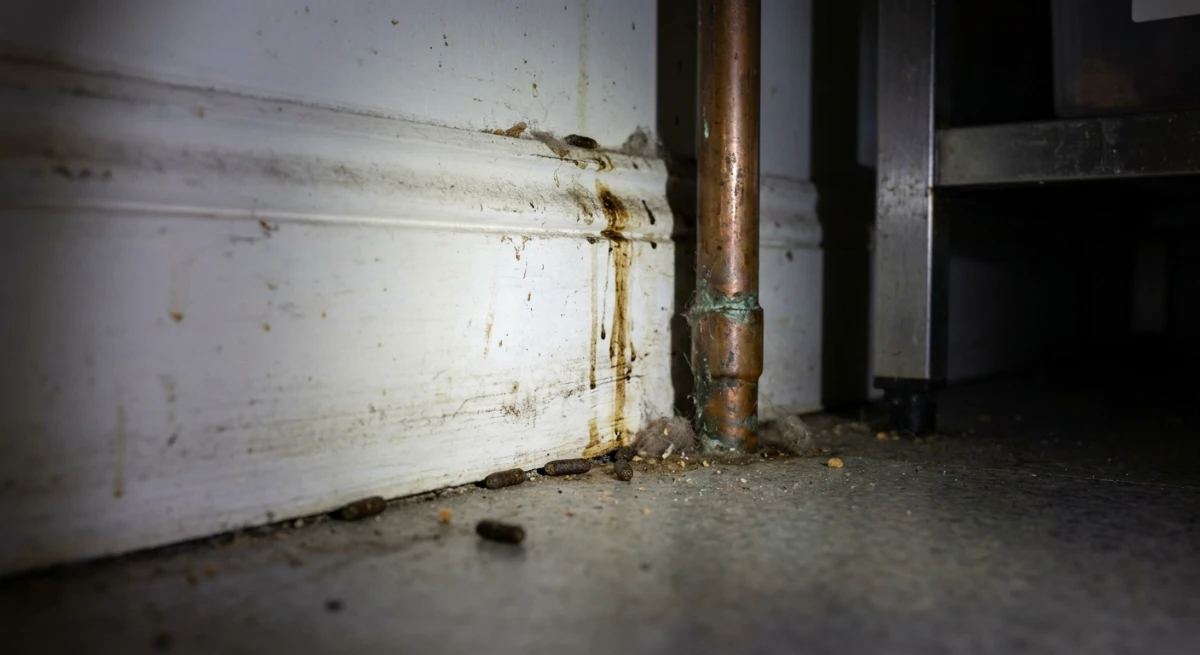
I have seen thriving, popular cafes lose their ‘A’ Grade rating overnight because of a single rat dropping found near an espresso machine. It is not just a bad look for your brand; it is a strict legal liability under the Food Act 2014. We do not just spray toxic chemicals and walk away hoping for the best.
We find the exact structural entry points, block them permanently, and implement monitoring systems to keep your doors open. You need a straight-talking partner who understands commercial biosecurity. Let us look at what it actually takes to keep your premises compliant and completely pest-free.
Key Takeaways
Effective cafe pest control in Newmarket requires proactive, zero-emission treatments that comply strictly with the Food Act 2014. To protect your ‘A’ Grade rating, you must use certified Level 3 technicians who target root-cause entry points rather than relying on reactive, illegal DIY chemical sprays.
Protecting Newmarket’s Bustling Cafe Culture
Newmarket is the beating heart of Auckland’s boutique coffee and dining scene. But the reality of operating in this dense urban environment means you are constantly battling external pressures. Older heritage buildings, shared alleyways, and constant foot traffic make it a prime target for urban pests.
When the autumn and spring surges hit, rats and cockroaches aggressively seek shelter and food sources inside commercial kitchens. They do not care about your aesthetic decor or your glowing Google reviews. They are looking for warmth, moisture, and the crumbs left under your prep benches.
We approach commercial pest management with a scientific, entomological mindset. We know exactly how these pests operate in this specific suburb. By understanding their biology and seasonal habits, we can stop them before they ever cross your threshold.
Every hospitality venue has unique vulnerabilities. Based on our extensive experience in the area, here are the primary high-risk zones in a typical Newmarket cafe:
- Espresso Machines: The constant heat and moisture make these the perfect breeding ground for German cockroaches.
- Dry Storage Rooms: Flour, sugar, and grain sacks are highly susceptible to Indian meal moths and rodent contamination.
- Dishwashing Stations: Grease traps and damp floor drains attract drain flies and provide crucial water sources for rodents.
- Suspended Ceilings: Older Newmarket buildings often feature drop ceilings that act as hidden superhighways for roof rats.
Spring Argentine Ant Invasions in Sugar Stations
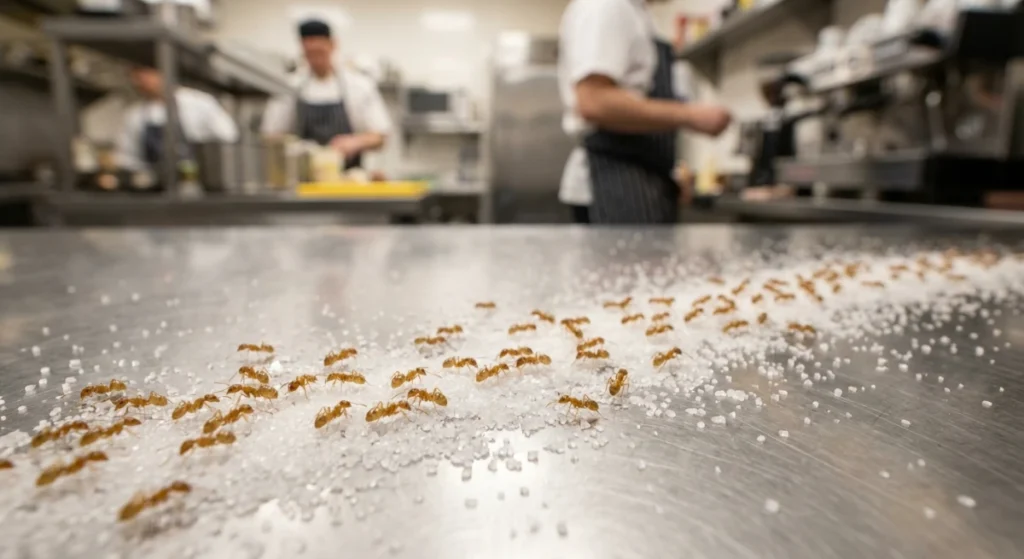
Argentine ants are an absolute nightmare for hospitality owners across Auckland. They form massive, interconnected supercolonies and lay down intense pheromone trails straight to your sugar stations, syrup bottles, and pastry cabinets. Unlike native ant species, they do not fight each other for territory; they simply multiply and conquer.
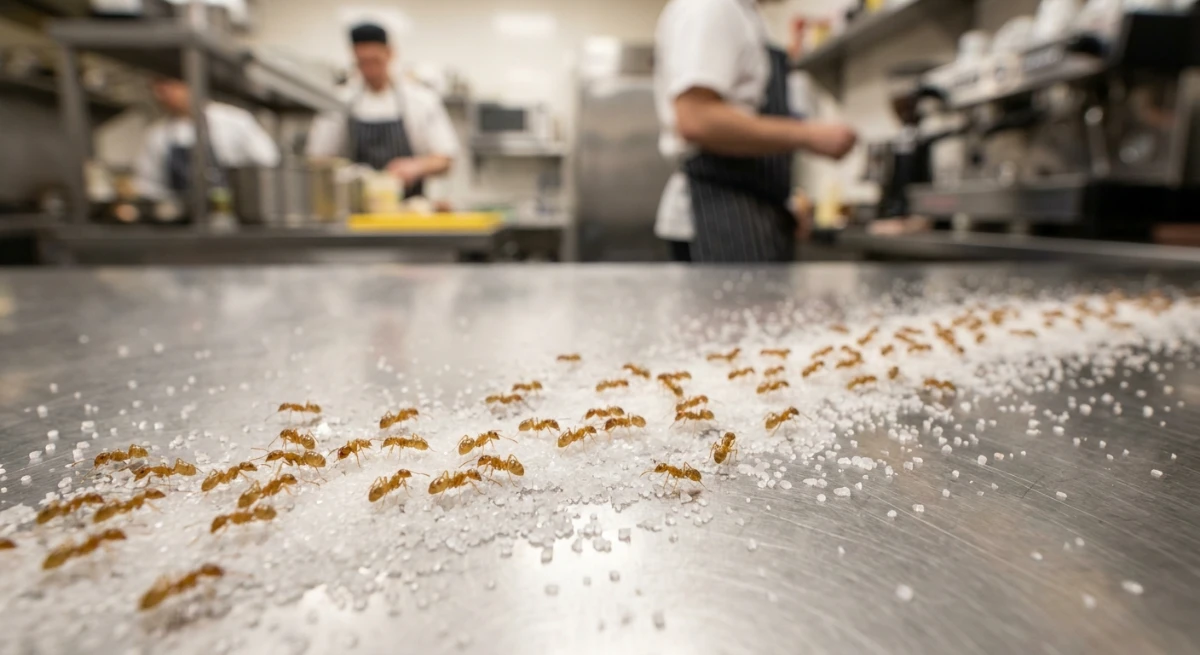
If you try to wipe them away or use a cheap hardware store spray, you are wasting your time. DIY sprays only kill the foraging workers you can see, leaving the queens safely hidden deep within the wall cavities. The colony will simply replace those lost workers within a matter of days.
Using repellant aerosol sprays in a commercial kitchen often fractures the ant colony, causing them to split into multiple new nests (budding). This turns a minor annoyance into a severe, widespread infestation.
Instead, we utilize advanced, non-repellent professional baits. The worker ants consume this bait, thinking it is a high-value food source, and carry it back to feed the queens. This root-cause eradication method destroys the entire colony from the inside out, keeping your food prep areas completely uncontaminated.
Managing Flies in Semi-Outdoor Seating Areas
Newmarket cafes thrive on their seamless indoor-outdoor flow, especially during the busy summer months. Unfortunately, open bi-fold doors make keeping flies out of the dining area incredibly difficult. Flies are not just a visual nuisance; they carry dangerous pathogens that can contaminate food preparation zones instantly.
Proper sanitation is your first line of defense. Keep commercial bin areas at the back of the property meticulously clean, tightly sealed, and washed down weekly to remove organic buildup.
To manage this, we install discreet, HACCP-compliant UV fly control units. These are not the loud, sparking bug zappers of the past that scatter insect fragments everywhere. Our modern units use specialized UV light to draw flies onto hidden glue boards, quietly removing them from your customer’s line of sight.
Zero-Emission Treatments Safe for Baristas and Patrons
You simply cannot afford to have your cafe smelling like an industrial chemical factory. Your patrons are paying for the rich aroma of freshly roasted espresso and baked goods, not toxic pesticides. That is exactly why our cafe pest control in Newmarket relies strictly on zero-emission, MPI-approved treatments.
Under the EPA HPC Notice 2017, the rules for applying chemicals in food zones are incredibly strict. Anyone handling Class 9 ecotoxic substances in a commercial food environment must be a Qualified Urban Pest Management (UPM) Contractor. If you hire an uncertified operator, you are putting your business license at severe risk.
Every technician on our team holds the New Zealand Certificate in Pest Operations (Level 3). We understand the Food Act 2014 pest requirements inside and out. This means we know exactly what is permitted in a commercial kitchen and what is strictly banned.
Toxic rodent baits are strictly prohibited in sensitive food preparation zones. We rely entirely on non-toxic monitoring blocks, mechanical traps, and structural exclusion to achieve compliance.
Routine Maintenance Plans for Newmarket Cafes
Relying on reactive pest control is a guaranteed way to fail your next MPI health audit. By the time your barista spots a German cockroach scurrying across the floor, there are likely hundreds more breeding behind the commercial dishwasher. The modern standard for hospitality compliance is Predictive Integrated Pest Management (IPM).
With the prestigious FAOPMA Pest Summit 2026 happening right here in Auckland this July, the entire industry is shifting away from reactive spraying. The global focus is now entirely on smart monitoring, environmental exclusion, and data-driven prevention.
| Methodology | Reactive Spray and Pray | Predictive IPM (Our Method) |
|---|---|---|
| Primary Focus | Killing visible pests after an outbreak | Preventing entry and stopping breeding |
| MPI Compliance | High risk of audit failure | Guaranteed Food Act 2014 compliance |
| Chemical Usage | Heavy reliance on toxic sprays | Zero-emission, targeted gel baits |
| Long-Term Cost | Expensive due to repeated emergency callouts | Cost-effective, predictable monthly flat rate |
The data speaks for itself. Cafes that implement a routine IPM maintenance plan experience a drastic reduction in emergency pest incidents. Below is a real-world comparison of pest sightings in Auckland hospitality venues over a six-month period.
We set up discreet, non-toxic monitoring stations throughout your premises. These devices act as our early warning system, alerting us to minor activity before it ever escalates into a full-blown infestation that threatens your business.
Get a Transparent Quote for Your Cafe
We know you are incredibly busy running a business, managing staff, and keeping customers happy. You do not have the time or energy to deal with vague pricing, hidden fees, or unreliable contractors who do not show up on time.
We provide upfront, highly transparent quotes tailored to the exact size, layout, and specific risk profile of your Newmarket cafe. Our pricing is honest, competitive, and designed to provide immense long-term value for Pest Control Auckland clients.
Do not wait for a health inspector to find a problem. Contact us today for a comprehensive site audit, and let us build a custom pest management plan that protects your ‘A’ Grade rating.
When you partner with us, you are getting the Silver Bullet Guarantee. We do the job thoroughly, we document everything meticulously for your compliance logbook, and we stand firmly by our results.
Frequently Asked Questions

About the Author: Ronnie
Founder, Pest Control Auckland · Commercial & Residential Pest Expert · Certified Urban Pest Management Specialist
With years of experience managing complex biosecurity compliance for Auckland’s booming hospitality sector, Ronnie is a leading authority on commercial pest exclusion. Having consulted for numerous high-risk food premises, he understands exactly what it takes to protect a Newmarket cafe’s ‘A’ Grade rating against rigorous MPI audits.