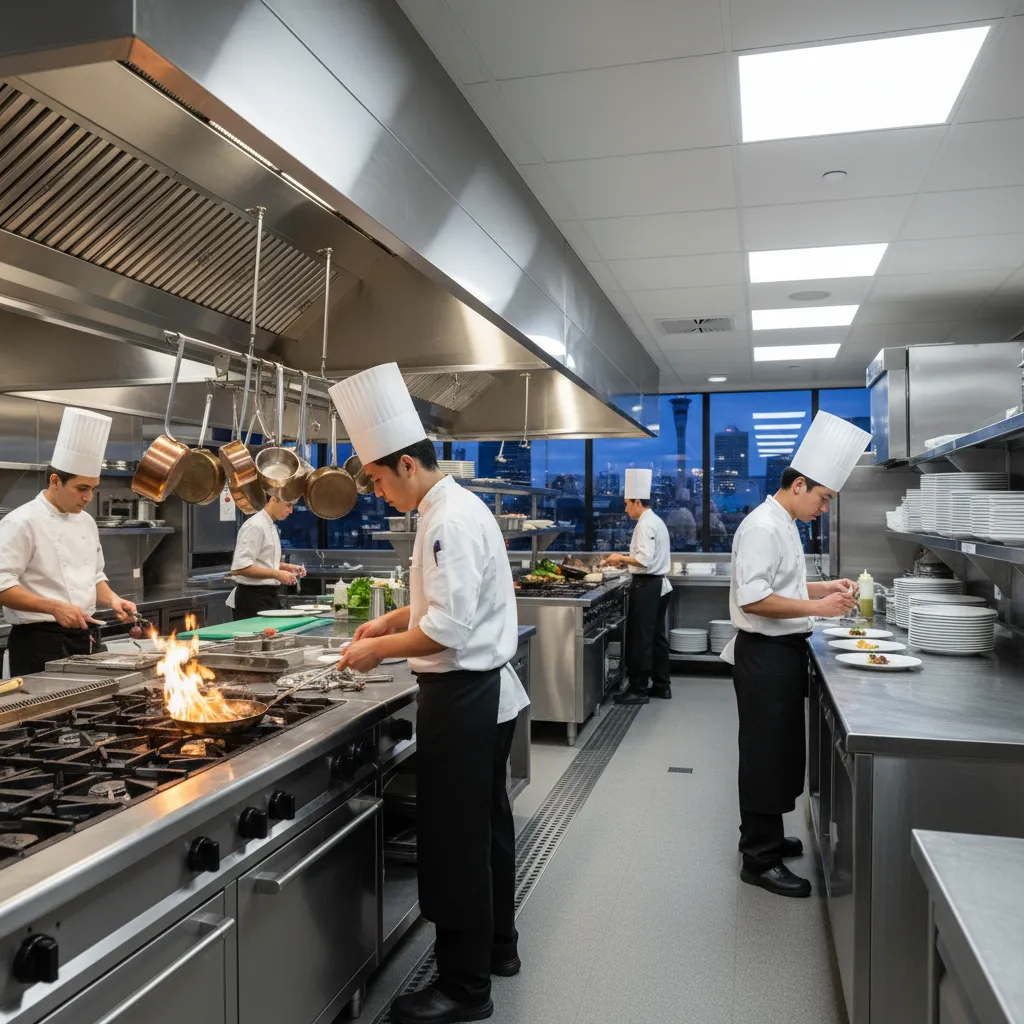
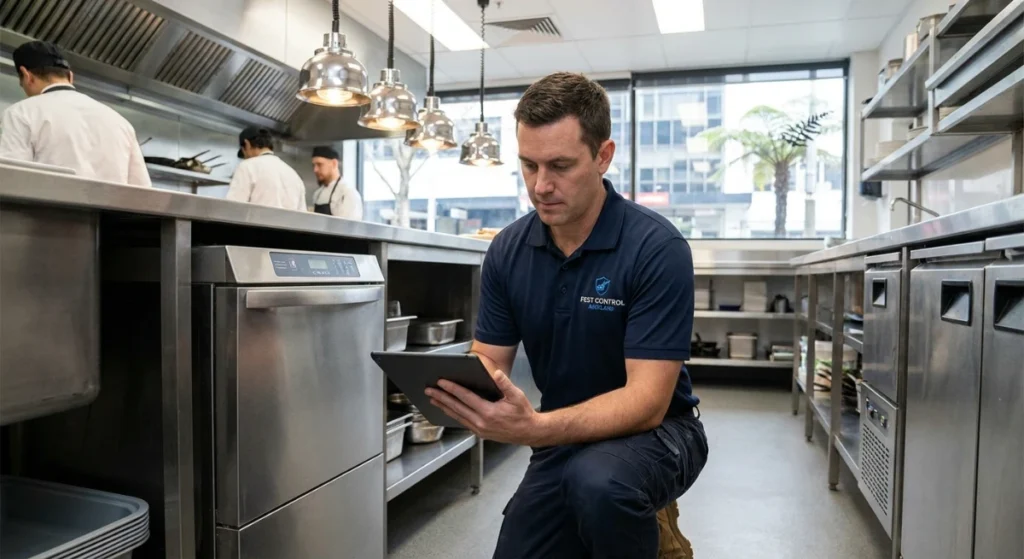
If you run a hospitality joint in Auckland, you already know the stakes. The New Zealand hospitality sector just posted a record $15.99 billion turnover for FY2025, with Auckland holding a massive 30% of that market. You have hungry patrons, tight margins, and a severe autumn pest surge knocking at your door.
But nothing clears a busy al fresco dining area faster than a flock of aggressive seagulls stealing food, or pigeons dropping guano onto a table. More importantly, nothing shuts down your commercial kitchen faster than a Ministry for Primary Industries (MPI) health inspector spotting avian activity near your prep zones. The era of reactive pest control is over.
If you are still waiting to see a pigeon before you call someone to spray chemicals, you are already failing your compliance audit. We don’t just wave a broom at birds. We engineer structural exclusion systems that keep them out permanently. You need a solid, proactive plan to handle Food Act 2014 bird control, or you risk losing your ‘A’ Grade rating overnight. Let us break down exactly what the law requires, how airborne pathogens threaten your food prep areas, and how to bulletproof your venue against avian pests.
Key Takeaways
To achieve full compliance with Food Act 2014 bird control regulations, Auckland hospitality venues must implement proactive, non-toxic exclusion methods. Relying on reactive toxic baits in sensitive food areas is illegal. You must secure ‘A’ Grade MPI ratings by installing physical barriers like UV-stabilized netting and mechanical deterrents.
Why Pigeons Threaten Your MPI Health Inspection
Under the Food Act 2014, commercial kitchens are judged on a dynamic, risk-based sliding scale rather than a simple checklist. This means your pest management strategy must be predictive, not reactive. An MPI inspector doesn’t just look for live birds; they look for nesting materials, feathers, and guano near your ventilation systems.
If they find evidence of avian activity, your venue is immediately flagged for potential cross-contamination. Food Act 2014 bird control mandates that you prove you have ongoing, professional preventative measures in place. A DIY approach or a cheap hardware store owl decoy won’t cut it when your business license is on the line.
We see it all the time across the Auckland CBD and Viaduct Harbour. Owners ignore a minor pigeon problem on their roof, only to fail their annual audit when those birds compromise the HVAC system. You need a Level 3 Qualified UPM Contractor to design a compliant exclusion plan that satisfies the strictest health regulations.
Airborne Pathogens and Food Contamination Risks
Birds are flying vectors for severe human pathogens, including Salmonella, E. coli, and Histoplasmosis. When pigeon guano dries up near your kitchen’s intake vents, the microscopic fungal spores are pulled directly into your food preparation zones. This invisible threat is exactly what the Food Act 2014 was designed to eliminate.
Using toxic avicides or rodenticides near commercial food preparation areas is strictly prohibited under HACCP and MPI standards. You must rely on physical exclusion and mechanical monitoring to remain compliant.
It only takes one contaminated dish to trigger a public health crisis and ruin your restaurant’s reputation. We tackle the root cause by sealing off entry points and roosting ledges. This prevents the pathogens from ever getting close to your ingredients, ensuring your kitchen remains a sterile, compliant environment.
Outdoor Dining Areas: Protecting Patrons from Harassment and Guano
Aucklanders love al fresco dining, especially during our long, humid summers. However, coastal birds like red-billed gulls have become incredibly aggressive, actively stealing food right off plates. Pigeons, on the other hand, roost directly above outdoor heaters and awnings, dropping highly acidic guano onto tables and patrons.
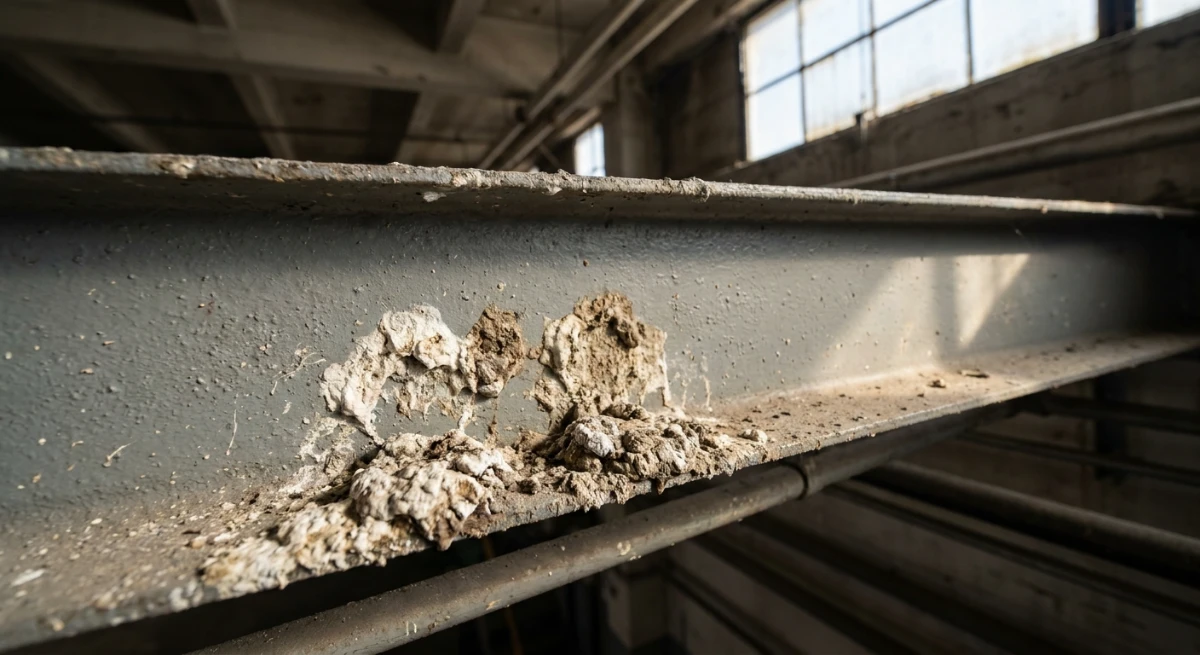
This isn’t just a nuisance; it’s a direct violation of basic hygiene standards that will destroy your customer lifetime value. Customers who experience bird harassment will not return, and they will leave damaging online reviews. You protect your margins by locking these scavengers out permanently.
We install discreet, high-tension wire systems along ledges and beams. These systems stop birds from landing without ruining the aesthetic appeal of your courtyard. It’s a straight-talking, permanent fix to a very messy problem that plagues Auckland’s hospitality sector.
Hygienic, Non-Toxic Bird Exclusion for Cafes and Restaurants
When dealing with Food Act 2014 bird control, the law is clear on animal welfare and chemical usage. The Animal Welfare Act 1999 strictly regulates how live animals can be treated, meaning you cannot just poison or shoot birds in an urban hospitality setting. In fact, if you use live-capture traps, you are legally required to check them within 12 hours of sunrise.
Because of these strict regulations, we focus entirely on non-toxic, architectural exclusion. By physically blocking access to roosting sites, we force the local bird populations to move on to easier targets. This is the core principle of Integrated Pest Management (IPM), and it is the only sustainable way to protect a food business.
| Control Method | MPI Compliance | Aesthetic Impact | Longevity |
|---|---|---|---|
| Toxic Avicides | Illegal in food zones | Poor (Dead birds on site) | Temporary |
| Live Capture Traps | Legal, but highly regulated | Moderate | Ongoing labor required |
| Tensioned Netting | Fully Compliant (HACCP) | Virtually invisible | 10+ Years |
| Stainless Steel Spikes | Fully Compliant (HACCP) | Noticeable up close | Permanent |
It’s clean, it’s legal, and it provides a massive return on investment by eliminating recurring cleanup costs. You stop paying staff to scrub tables, and you stop worrying about the health inspector walking through the door.
Discreet Netting for Al Fresco Dining Spaces
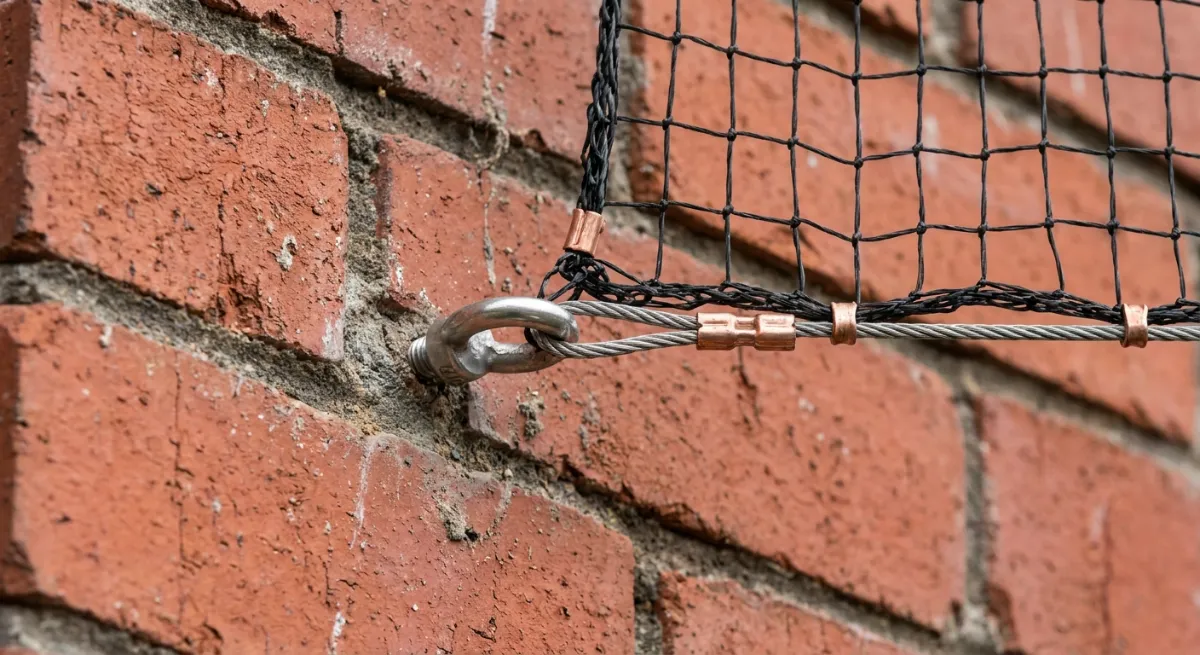
One of the most effective tools in our arsenal is high-density, UV-stabilized polyethylene netting. When tensioned correctly by a certified technician, this netting becomes virtually invisible against the sky or ceiling. It completely blocks sparrows, pigeons, and gulls from entering your outdoor dining canopy.
Sagging, poorly installed netting will trap debris and look terrible to your customers. Always use tensioned 316-grade stainless-steel perimeter cables to ensure the netting remains taut and discreet for years.
We custom-fit these nets around lighting fixtures, sprinkler systems, and architectural features. This ensures your venue remains beautiful while achieving total compliance with MPI guidelines. It’s a one-off investment that solves the problem permanently.
Securing Waste Management Areas from Scavenging Birds
Your restaurant’s bin area is ground zero for pest infestations. Overflowing food waste attracts not only birds but also massive rodent populations. If your waste management zone is compromised, it’s only a matter of time before those pests migrate inside your kitchen.
Audit your bin area today. Ensure all commercial dumpsters have heavy, flush-fitting lids and that no loose garbage bags are left exposed on the ground overnight.
We implement heavy-duty exclusion tactics around loading docks and waste enclosures. By installing bird spikes on surrounding parapets and sealing gaps in the structural framing, we cut off the food supply. A clean, secure waste area is the foundation of effective Food Act 2014 bird control.
Preparing for the FAOPMA 2026 Standards in Hospitality
The pest management landscape is evolving rapidly, and Auckland is at the center of it. In July 2026, the New Zealand International Convention Centre (NZICC) will host the FAOPMA Pest Summit. The theme is “FutureProof: Smarter Pest Solutions for a Rapidly Changing World,” and it highlights the shift toward digital transparency and eco-conscious interventions.
The FAOPMA 2026 summit emphasizes IoT (Internet of Things) pest monitoring. MPI inspectors will increasingly expect digital logs and real-time data to prove your venue is actively managing biosecurity risks.
Hospitality businesses that cling to outdated, reactive pest control will be left behind. As certified UPM contractors, we are already implementing these predictive IPM strategies across Auckland. We provide the detailed digital reporting and service certificates that modern auditors demand.
Book a Commercial Biosecurity Compliance Audit Today
Don’t wait for an MPI health inspector to hand you a failing grade. The autumn pest surge is here, and the risks to your hospitality business are too high to ignore. You need a partner who understands the strict legalities of Food Act 2014 bird control and has the technical skills to execute it flawlessly.
When we conduct a biosecurity audit, we follow a strict protocol:
- Structural Assessment: We inspect every inch of your roofline, HVAC intakes, and parapets for potential roosting zones.
- Pathogen Risk Analysis: We identify areas where dried guano could be drawn into your kitchen’s ventilation system.
- Waste Zone Integrity: We evaluate your commercial dumpsters and grease traps for pest vulnerabilities.
- Compliance Documentation: We provide you with the exact digital logs and service certificates required by MPI verifiers.
At Pest Control Auckland, we offer a comprehensive commercial biosecurity audit for cafes, restaurants, and hotels. We will identify every structural vulnerability, assess your current hygiene protocols, and deliver a customized exclusion plan. Our “Silver Bullet Guarantee” means we fix the root cause, giving you absolute peace of mind.
Contact us today to secure your ‘A’ Grade rating. We are straight-talking, highly certified, and ready to protect your venue from the top down.
Frequently Asked Questions

About the Author: Ronnie
Founder, Pest Control Auckland · Commercial & Residential Pest Expert · Certified Urban Pest Management Specialist
With years of experience auditing Auckland’s top restaurants for MPI compliance, Ronnie is the definitive expert on Hospitality Bird Management & MPI Compliance. Having consulted for major commercial food producers and al fresco dining venues, he engineers structural exclusion systems that guarantee ‘A’ Grade health ratings and strict adherence to the Food Act 2014.